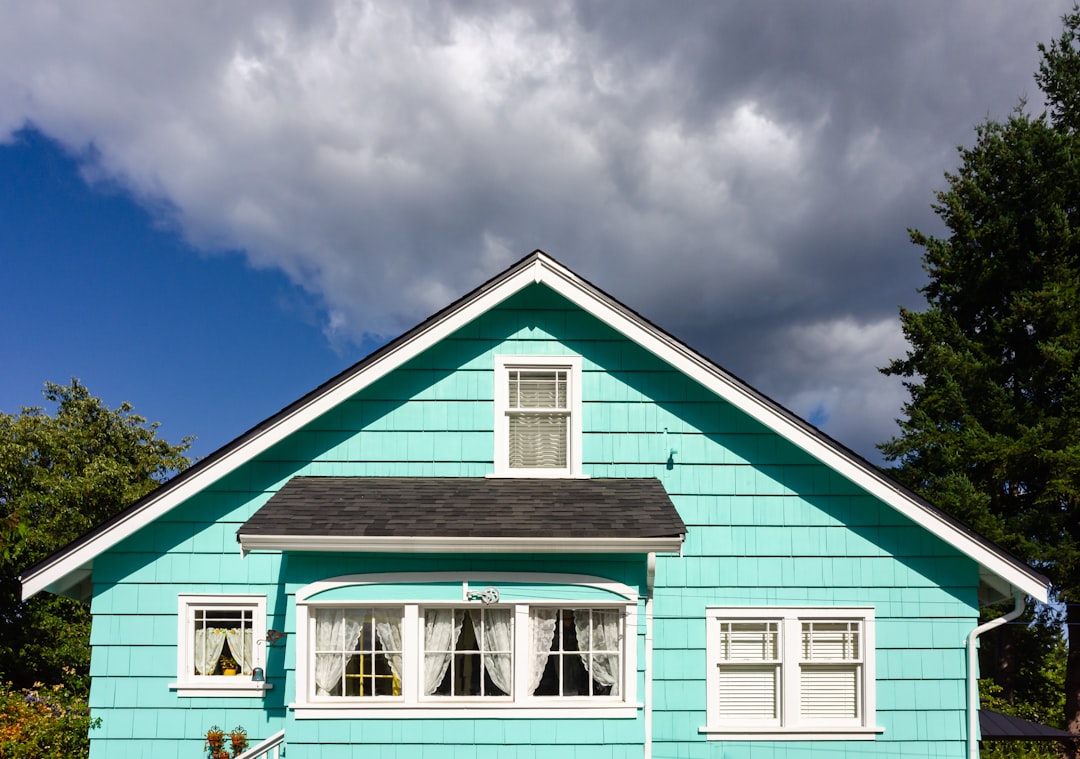
Before embarking on the journey of homeownership, it is crucial to have a clear understanding of your budget and financial situation. This involves a comprehensive assessment of your income, expenses, debts, and savings. Begin by calculating your monthly income, which includes your salary, bonuses, and any additional sources of revenue.
Next, take a close look at your monthly expenses, categorizing them into fixed costs such as rent, utilities, and insurance, as well as variable costs like groceries and entertainment. This detailed breakdown will help you identify how much disposable income you have available for housing costs.
Lenders typically look at your debt-to-income ratio (DTI), which is the percentage of your monthly income that goes toward servicing debt. A lower DTI is favorable when applying for a mortgage, as it indicates that you have a manageable level of debt relative to your income. By understanding your financial landscape, you can set realistic expectations for what you can afford in terms of a mortgage payment, property taxes, and maintenance costs.
Key Takeaways
- Assess your financial situation carefully to set a realistic home-buying budget.
- Investigate low-income housing programs and government-backed mortgage options for assistance.
- Consider affordable neighborhoods and alternative housing solutions like shared ownership or fixer-uppers.
- Save diligently for down payments and closing costs while exploring renovation loans if needed.
- Work with experienced real estate agents and negotiate creatively to maximize financing opportunities.
Exploring Low-Income Housing Programs and Assistance
For many prospective homeowners, low-income housing programs can provide invaluable support in navigating the complexities of purchasing a home. Various federal, state, and local programs are designed to assist low-income individuals and families in achieving homeownership. One prominent example is the U.S.
Department of Housing and Urban Development (HUD), which offers several initiatives aimed at making housing more accessible. Programs such as the Housing Choice Voucher Program (Section 8) can help eligible families afford housing in the private market by subsidizing their rent. In addition to federal programs, many states have their own housing assistance initiatives.
For instance, some states offer down payment assistance programs that provide grants or low-interest loans to help first-time homebuyers cover the upfront costs associated with purchasing a home. These programs often have specific eligibility criteria based on income levels and family size. Researching local resources can uncover additional opportunities tailored to your community’s needs, making homeownership more attainable.
Researching Affordable Neighborhoods and Areas

Finding an affordable neighborhood is a critical step in the home-buying process. The location of your future home can significantly impact not only the purchase price but also your overall quality of life. Begin by identifying areas that align with your budget while also considering factors such as safety, access to public transportation, schools, and amenities.
Websites like Zillow and Realtor.com can provide valuable insights into current market trends and property values in various neighborhoods. Moreover, it is beneficial to explore up-and-coming areas that may not yet be fully developed but show signs of growth and revitalization. These neighborhoods often offer lower property prices compared to more established areas but have the potential for appreciation over time.
Engaging with local community groups or attending neighborhood meetings can provide firsthand knowledge about the area’s future developments and community dynamics. This research will empower you to make informed decisions about where to invest in a home.
Saving for a Down Payment and Closing Costs
Saving for a down payment is one of the most significant financial hurdles for prospective homeowners. Traditionally, a down payment of 20% of the home’s purchase price has been considered standard; however, many lenders now offer options that require much less upfront investment. It is essential to determine how much you can realistically save each month toward this goal.
Creating a dedicated savings account specifically for your down payment can help you track your progress and stay motivated. In addition to the down payment, it is crucial to account for closing costs, which typically range from 2% to 5% of the home’s purchase price. These costs can include appraisal fees, title insurance, attorney fees, and other miscellaneous expenses associated with finalizing the sale.
Understanding these financial obligations early on will allow you to budget effectively and avoid any surprises during the closing process. Consider setting up an automatic transfer to your savings account each month to build your down payment fund steadily.
Considering Fixer-Upper Properties and Renovation Loans
| Step | Action | Details | Estimated Cost/Requirement | Benefit |
|---|---|---|---|---|
| 1 | Check Credit Score | Obtain your credit report and score to understand your creditworthiness. | Free (via credit bureaus) | Improves chances of loan approval and better interest rates. |
| 2 | Explore Government Assistance Programs | Look into FHA loans, USDA loans, and local down payment assistance programs. | Varies; often low or no down payment required | Reduces upfront costs and makes home buying affordable. |
| 3 | Save for Down Payment | Set aside funds regularly to accumulate a down payment. | Typically 3-5% of home price | Necessary for loan approval and reduces mortgage amount. |
| 4 | Get Pre-Approved for a Mortgage | Apply with lenders to determine how much you can borrow. | Free to low cost | Shows sellers you are a serious buyer and sets budget. |
| 5 | Consider Shared Equity or Co-Buying | Partner with family or organizations to share home ownership costs. | Varies | Makes homeownership more affordable by splitting costs. |
| 6 | Look for Affordable Housing Options | Search for homes in lower-cost areas or fixer-uppers. | Varies | Allows purchase within budget constraints. |
| 7 | Budget for Additional Costs | Plan for closing costs, moving expenses, and maintenance. | 2-5% of home price | Prevents financial surprises after purchase. |
For those willing to put in some extra effort, purchasing a fixer-upper can be an excellent way to enter the housing market at a lower price point. These properties often require renovations or repairs but can be transformed into beautiful homes with some vision and hard work. When considering a fixer-upper, it is essential to conduct a thorough inspection to identify any major issues that may require immediate attention, such as structural problems or outdated electrical systems.
To finance renovations, buyers can explore renovation loans such as the FHA 203(k) loan or Fannie Mae’s HomeStyle Renovation loan. These loans allow you to borrow additional funds for repairs or improvements as part of your mortgage. This approach not only simplifies the financing process but also enables you to roll the cost of renovations into your monthly mortgage payment.
By choosing a fixer-upper, you may find yourself in a desirable neighborhood at a more affordable price while simultaneously increasing the property’s value through renovations.
Negotiating with Sellers and Exploring Creative Financing Options

Negotiation is a critical skill in real estate transactions that can lead to significant savings for buyers. When making an offer on a property, consider starting below the asking price, especially if the home has been on the market for an extended period or requires repairs. Sellers may be more willing to negotiate if they are motivated to sell quickly or if they have received limited interest from other buyers.
In addition to traditional negotiation tactics, exploring creative financing options can also be beneficial. For instance, seller financing allows buyers to make payments directly to the seller rather than obtaining a mortgage from a bank. This arrangement can be advantageous for buyers with less-than-perfect credit or those who may not qualify for conventional loans.
Another option is lease-to-own agreements, where buyers rent the property with an option to purchase it later. These strategies can provide flexibility and open doors for those who may face challenges securing traditional financing.
Working with a Knowledgeable Real Estate Agent
Navigating the real estate market can be overwhelming without the guidance of an experienced real estate agent. A knowledgeable agent can provide valuable insights into local market trends, help you identify properties that meet your criteria, and assist with negotiations throughout the buying process. When selecting an agent, look for someone who specializes in working with first-time homebuyers or has experience in your desired neighborhoods.
A good real estate agent will not only help you find suitable properties but also educate you about the buying process, ensuring that you understand each step along the way. They can recommend trusted professionals such as mortgage brokers, home inspectors, and attorneys who can further assist you in making informed decisions. By leveraging their expertise and network, you can navigate potential pitfalls more effectively and increase your chances of finding the right home at the right price.
Understanding the Importance of Good Credit
Your credit score plays a pivotal role in determining your eligibility for a mortgage and the interest rates you may receive. Lenders use credit scores to assess your creditworthiness; therefore, maintaining good credit is essential when preparing to buy a home. Before applying for a mortgage, obtain copies of your credit report from all three major credit bureaus—Equifax, Experian, and TransUnion—and review them for any inaccuracies or discrepancies that could negatively impact your score.
If your credit score is lower than desired, take proactive steps to improve it before applying for a mortgage. This may include paying down existing debts, making timely payments on bills, and avoiding new credit inquiries during this period. A higher credit score not only increases your chances of loan approval but can also lead to lower interest rates, ultimately saving you thousands over the life of your mortgage.
Exploring Government-Backed Mortgage Programs
Government-backed mortgage programs are designed to make homeownership more accessible for individuals who may not qualify for conventional loans due to financial constraints or lack of credit history. The Federal Housing Administration (FHA) offers loans with lower down payment requirements and more lenient credit score criteria compared to traditional lenders. FHA loans are particularly popular among first-time homebuyers because they allow down payments as low as 3.5%.
Another option is the U.S. Department of Veterans Affairs (VA) loan program, which provides eligible veterans and active-duty service members with favorable loan terms, including no down payment and no private mortgage insurance (PMI) requirements. Additionally, USDA loans are available for rural homebuyers who meet specific income criteria and seek properties in designated rural areas.
By exploring these government-backed programs, prospective homeowners can find financing solutions tailored to their unique situations.
Considering Shared Ownership and Co-Buying Options
Shared ownership and co-buying arrangements present alternative pathways to homeownership that can alleviate some financial burdens associated with purchasing a home independently. Shared ownership allows buyers to purchase a percentage of a property while paying rent on the remaining share owned by a housing association or developer. This model makes it possible for individuals with limited financial resources to enter the housing market without needing to cover the full purchase price upfront.
Co-buying involves two or more individuals pooling their resources to purchase a property together. This arrangement can be particularly appealing for friends or family members looking to invest in real estate while sharing costs such as mortgage payments, property taxes, and maintenance expenses. However, it is essential for co-buyers to establish clear agreements regarding ownership shares, responsibilities, and exit strategies to avoid potential conflicts down the line.
Being Open to Alternative Housing Options and Creative Solutions
In today’s evolving housing market, being open to alternative housing options can lead to innovative solutions that meet your needs while staying within budget constraints. Tiny homes have gained popularity as an affordable housing solution that offers minimalistic living without sacrificing comfort or style.
Another creative solution is considering modular or prefabricated homes that are built off-site and assembled on your property. These homes often come with lower price tags compared to traditional construction methods while still providing modern amenities and energy efficiency features. Additionally, exploring options like house hacking—renting out part of your home while living in another portion—can help offset mortgage costs and make homeownership more financially feasible.
By embracing these alternative housing options and remaining flexible in your approach to homeownership, you can find solutions that align with both your budgetary constraints and lifestyle preferences while still achieving your dream of owning a home.
If you’re looking for guidance on how to buy a home with a low income, you might find it helpful to read this informative article on the topic. It provides practical tips and resources that can assist you in navigating the home-buying process despite financial constraints. For more details, check out the article [here](https://www.howwealthgrows.com/sample-page/).
FAQs
Can I buy a home with a low income?
Yes, it is possible to buy a home with a low income by exploring affordable housing programs, government assistance, and low down payment mortgage options.
What types of loans are available for low-income homebuyers?
Low-income homebuyers can consider FHA loans, USDA loans, VA loans (if eligible), and other state or local housing authority programs that offer low down payments and flexible credit requirements.
Are there government programs that help low-income buyers?
Yes, programs like the USDA Rural Development Loan, HUD’s Good Neighbor Next Door, and various state and local down payment assistance programs are designed to help low-income buyers purchase homes.
How much down payment is typically required for low-income buyers?
Down payment requirements vary by loan type but can be as low as 0% to 3.5% for certain government-backed loans, making homeownership more accessible for low-income buyers.
Do I need a good credit score to buy a home with low income?
While a good credit score helps, many programs for low-income buyers have more flexible credit requirements. Improving your credit score can increase your chances of loan approval and better interest rates.
Can I buy a home with low income if I have debt?
Yes, but lenders will consider your debt-to-income ratio. Managing and reducing debt before applying can improve your chances of qualifying for a mortgage.
Is it better to rent or buy if I have a low income?
This depends on your financial situation, local housing market, and long-term goals. Buying can build equity and stability, but it’s important to ensure you can afford mortgage payments and other homeownership costs.
What other costs should I consider when buying a home on a low income?
Besides the mortgage, consider property taxes, insurance, maintenance, utilities, and closing costs. Budgeting for these expenses is crucial to avoid financial strain.
How can I improve my chances of buying a home with low income?
Save for a down payment, improve your credit score, reduce debt, get pre-approved for a mortgage, and research assistance programs available in your area.
Where can I find resources or counseling for low-income homebuyers?
Nonprofit organizations, HUD-approved housing counseling agencies, and local housing authorities offer free or low-cost counseling and resources to help low-income buyers navigate the home buying process.