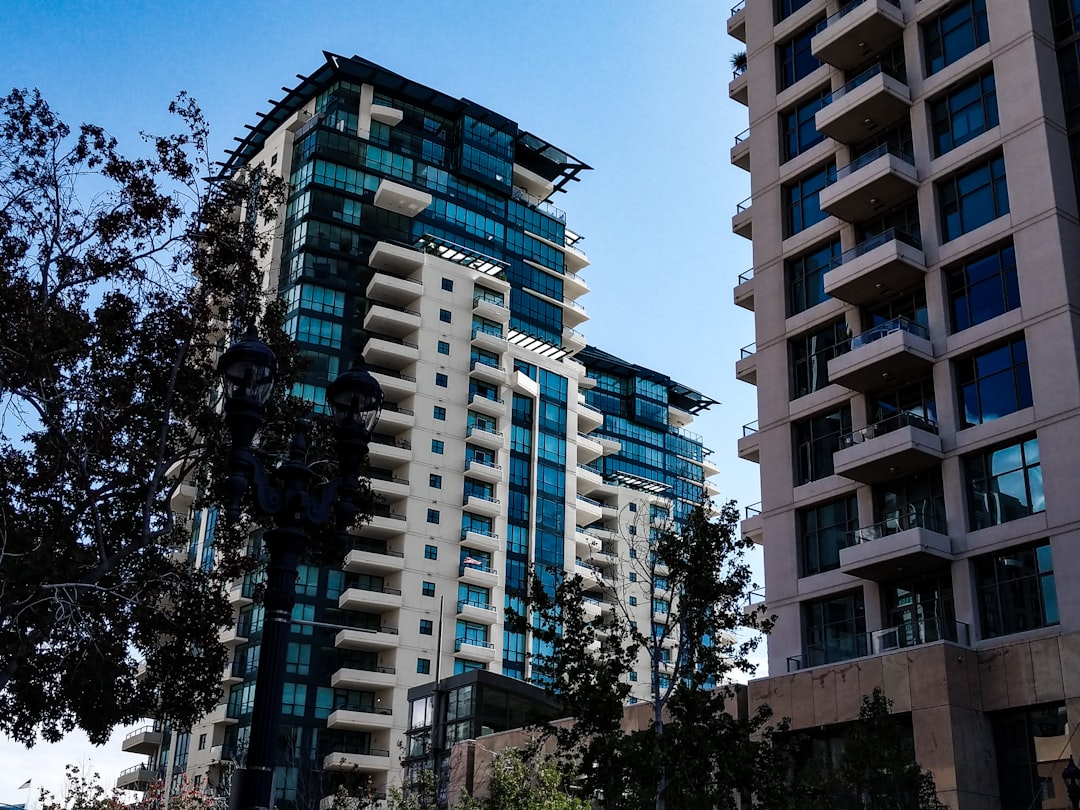
You’ve likely felt the ripple effect, the subtle, or perhaps not-so-subtle, shift in your monthly housing expenses. San Diego, a city renowned for its sun-drenched beaches and vibrant culture, has also become a focal point for significant rent increases. This report delves into the recent trends observed in Blackstone’s San Diego rental market, dissecting the factors contributing to these shifts and offering an analysis to help you navigate this evolving landscape.
Understanding the Dynamics of Blackstone’s San Diego Portfolio
Blackstone, a global investment management firm, holds substantial real estate assets, including rental properties, in major metropolitan areas. Their San Diego holdings, therefore, act as a significant barometer for the city’s rental market health. When Blackstone adjusts its rental pricing, it’s not an isolated event; it’s a signal that reverberates through the broader San Diego housing equation. This analysis aims to peel back the layers of Blackstone’s reported rent increases, moving beyond the headline figures to understand the underlying mechanisms at play.
The Scale of Blackstone’s Involvement
To grasp the impact of Blackstone’s rent changes, you must first appreciate the sheer volume of their presence. The firm is not a small-time landlord dabbling in the market. Instead, they are a titan, wielding considerable influence. Their portfolio in San Diego encompasses a diverse range of properties, from sprawling apartment complexes to more individual unit holdings, strategically located across various neighborhoods. This broad reach means their pricing decisions are not confined to a single niche; they influence rents in areas catering to different demographics and income levels. When you hear about a rent increase from a Blackstone property, it’s like a large stone dropped into the pond of San Diego’s rental market, sending out concentric circles of change.
Identifying Blackstone’s Key San Diego Holdings
While precise, up-to-the-minute portfolio details can be proprietary, publicly available information and industry analysis indicate Blackstone’s significant investment in multifamily residential properties across San Diego County. This includes, but is not limited to, established apartment communities in areas experiencing growth and demand. Understanding which specific submarkets or types of properties contribute most significantly to these reported trends is crucial for a granular understanding of the local impact.
The Rationale Behind Blackstone’s Pricing Strategies
Investment firms like Blackstone operate on a principle of maximizing returns for their investors. This fundamental drive shapes their property management and leasing strategies. Rent increases, while often met with frustration by tenants, are a direct consequence of their financial objectives. Analyzing the reported increases requires an understanding of their approach to asset management, which often involves optimizing rental income through various strategies, including but not limited to, market-rate adjustments, property upgrades, and operational efficiencies.
Market-Based Rent Adjustments
The most direct driver of rent increases is typically market demand. In areas where rental demand outstrips supply, landlords have the leverage to push rents higher. Blackstone, like any astute investor, monitors these market signals closely. Their pricing is not arbitrary; it’s calibrated to align with what the market will bear. This can manifest as incremental hikes or, in periods of rapid escalation, more substantial adjustments.
Value-Add Strategies and Property Enhancements
Another significant factor influencing Blackstone’s rent increases is their investment in property improvements. Many of their holdings may undergo renovations, modernizations, or the introduction of new amenities. These “value-add” strategies, while intended to enhance the living experience for tenants and increase the property’s long-term appeal, often come with a commensurate increase in rental rates. The logic here is that a more modern, amenity-rich living environment justifies a higher price point. Think of it as upgrading from a basic model to a premium version; the enhanced features come with a steeper price tag.
Analyzing the Trends in Blackstone San Diego Rent Hikes
When you encounter reports of rent increases, it’s essential to look beyond the raw numbers to understand the context and predictability. This section examines the patterns and commonalities observed in Blackstone’s recent rent adjustments in San Diego, providing a more nuanced perspective than simple percentage figures. Understanding these trends can help you anticipate future changes.
The Pace and Magnitude of Increases
The speed at which rents are rising, and the sheer size of the increases, tell a significant story. Are these relatively modest annual adjustments, or are they sharp, quarterly surges? Analyzing the historical data for Blackstone’s San Diego properties can reveal whether the current increases are an anomaly or part of a consistent upward trajectory. This granular look at the pace helps you understand the pressure being applied to your budget.
Year-Over-Year Comparisons
A common metric for assessing rent inflation is the year-over-year comparison. Examining how rents have climbed from one year to the next allows for an objective measurement of the rate of change. This provides a baseline against which to judge the severity of the current increases.
Quarter-to-Quarter Fluctuations
In addition to annual trends, it’s also important to consider shorter-term fluctuations. Are there specific quarters that consistently see larger rent hikes? Understanding these quarter-to-quarter movements can offer insights into seasonal demand patterns or the timing of renovation projects.
Geographic Variations Within San Diego
San Diego is not a monolithic entity. Its diverse neighborhoods possess distinct economic drivers, housing stocks, and demographic profiles. Therefore, rent increases are unlikely to be uniform across the entire county. This section explores how Blackstone’s rent adjustments might vary geographically within San Diego, reflecting localized market conditions.
Prime vs. Emerging Neighborhoods
Rent increases are often more pronounced in desirable, well-established neighborhoods with high demand and limited supply. However, emerging areas that are undergoing gentrification or experiencing significant economic development can also see rapid rent escalations. Analyzing where Blackstone’s properties are concentrated and how rent hikes differ between these areas is key.
Impact of Proximity to Amenities and Employment Centers
The proximity of residential properties to key amenities such as beaches, parks, shopping districts, and major employment centers is a powerful determinant of rental value. Properties located in these high-demand areas are more likely to experience higher and more frequent rent increases.
Factors Fueling Rent Hikes in San Diego
The rent increases you’re experiencing aren’t happening in a vacuum. A complex interplay of economic forces, demographic shifts, and policy considerations is driving up the cost of housing in San Diego. This section dissects these external influences that impact Blackstone’s rental pricing decisions.
The Persistent Supply-Demand Imbalance
At the heart of many rising rent markets lies a fundamental imbalance between the supply of housing and the demand for it. San Diego, with its desirable climate and growing job market, continues to attract residents, while the rate of new housing construction often struggles to keep pace. This persistent gap creates an environment ripe for rent escalation.
Limited New Housing Construction
The challenges of building new housing in California, including high land costs, stringent zoning regulations, and community opposition, contribute to a constrained housing supply. When the number of new units entering the market is insufficient to meet the growing demand, existing units become more valuable, and landlords have more power to raise rents.
Influx of New Residents and Job Growth
San Diego’s appeal as a place to live and work continues to draw people from other regions and countries. This influx of new residents, often fueled by an expanding job market in sectors like technology, defense, and tourism, directly increases the demand for rental housing, putting upward pressure on prices.
Inflationary Pressures and Economic Conditions
Broader economic forces, such as inflation, also play a significant role in rent increases. As the cost of goods and services rises across the economy, property owners face increased operating expenses, which they often pass on to tenants through higher rents.
Rising Operating Costs for Landlords
From property taxes and insurance premiums to maintenance, utilities, and labor costs, landlords are subject to rising expenses. These increased operational expenditures necessitate rent adjustments to maintain profitability. It’s like a baker having to raise the price of a loaf of bread because the cost of flour, yeast, and electricity has gone up.
General Economic Growth and Consumer Spending Power
Periods of robust economic growth and increased consumer spending power can also contribute to higher rents. When people have more disposable income, they are often willing and able to pay more for housing, creating a favorable environment for landlords to increase rental rates.
Tenant Impact and Affordability Concerns
While the landlord’s perspective focuses on returns, your perspective is centered on affordability and the ability to maintain housing security. Rent increases, especially when substantial, can have a profound impact on your financial well-being and create significant affordability challenges.
The Strain on Household Budgets
For many San Diegans, rent constitutes a significant portion of their monthly expenses. When rents rise, household budgets are stretched thin, forcing difficult choices about other essential spending. This can lead to a reduction in discretionary spending, impacting local businesses and the broader economy.
Redirection of Funds from Other Necessities
As rents climb, tenants may be forced to reallocate funds away from other essential areas like groceries, healthcare, transportation, or savings. This can create a cascade of financial pressures, impacting overall quality of life.
The Risk of Displacement and Homelessness
In the most severe cases, escalating rents can lead to displacement, forcing tenants out of their homes and communities. This can contribute to housing instability and, in the most tragic circumstances, homelessness.
The Search for More Affordable Alternatives
With rents on the rise, you may find yourself actively seeking more affordable housing options. This could involve moving to less expensive neighborhoods, downsizing your living space, or considering longer commutes.
Migration to Outer Suburbs and Neighboring Counties
As desirable urban areas become increasingly unaffordable, many residents are pushed towards outer suburban areas or even neighboring counties in search of more budget-friendly rental options. This can lead to longer commutes and a strain on infrastructure.
Increased Competition for Lower-Priced Units
As more people seek cheaper accommodations, the competition for the remaining affordable rental units intensifies. This can make it more challenging and stressful to find and secure suitable housing.
Navigating the Blackstone San Diego Rental Landscape
Understanding these trends is the first step. The second, and perhaps more crucial, step is to equip yourself with strategies to navigate this evolving rental landscape. This section offers practical advice and considerations for tenants living in or considering renting from a Blackstone property in San Diego.
Understanding Lease Agreements and Rent Increase Policies
Before signing a lease and throughout your tenancy, it is crucial to thoroughly understand the terms and conditions related to rent increases. Awareness of these policies is your first line of defense.
Reviewing Lease Clauses Carefully
Lease agreements are legally binding documents. You must scrutinize all clauses, particularly those pertaining to rent adjustments, notice periods, and renewal terms. Never assume standard practices; always read the specific terms of your agreement.
Knowledge of Local Tenant Protections and Rent Control
San Diego, like other California cities, has specific tenant protection laws and, in some areas, rent control ordinances. Understanding your rights under these regulations is paramount. These can dictate how and when landlords can increase rent and what notice periods are required.
Proactive Communication and Negotiation
While outright negotiation on a rent increase can be challenging, proactive communication can sometimes yield positive results, or at least provide valuable insight.
Engaging in Constructive Dialogue with Property Management
If you receive a rent increase notice, consider initiating a dialogue with property management. While a waiver of the increase is unlikely, you might be able to discuss the timing, explore potential payment plans, or gather more information about the rationale behind the adjustment.
Exploring Renewal Options and Lease Terms
When your lease is nearing renewal, it’s an opportune time to discuss rental terms. Inquire about any potential incentives for signing a longer lease or if there are market conditions that might influence the renewal rate.
Seeking Resources and Advocacy
You are not alone in facing these challenges. Numerous resources and advocacy groups are available to support tenants in San Diego.
Tenant Rights Organizations and Legal Aid
Familiarize yourself with local tenant rights organizations. These groups often provide free or low-cost legal advice, resources, and advocacy services to help tenants understand and assert their rights.
Staying Informed About Market Trends
Continuously monitoring rental market trends in your specific area can empower you with knowledge. This awareness can help you gauge the reasonableness of proposed rent increases and inform your housing decisions.
In conclusion, the rent increases reported by Blackstone in San Diego are a complex issue driven by a confluence of market forces, economic conditions, and the firm’s investment strategies. By understanding the trends, the underlying causes, and your rights, you can better equip yourself to navigate this challenging but not insurmountable aspect of San Diego living.
FAQs
What is the Blackstone San Diego rent increase report?
The Blackstone San Diego rent increase report is a document or analysis that details recent changes in rental prices for properties owned or managed by Blackstone in the San Diego area. It provides data on how much rents have increased over a specific period.
Why are rents increasing in Blackstone properties in San Diego?
Rents may be increasing due to factors such as rising property maintenance costs, higher demand for rental housing in San Diego, inflation, and market trends affecting the real estate sector. Blackstone, as a large property owner, adjusts rents to reflect these economic conditions.
How much have rents increased according to the report?
The exact percentage or amount of rent increase varies by property and time frame. The report typically provides specific figures showing average rent hikes, which can range from a few percentage points to more significant increases depending on location and property type.
Who is affected by the rent increases in Blackstone San Diego properties?
Current tenants renting apartments or homes managed by Blackstone in San Diego are directly affected by the rent increases. Prospective renters may also experience higher rental rates when seeking new leases in these properties.
Where can I find the Blackstone San Diego rent increase report?
The report may be available through Blackstone’s official website, real estate market analysis firms, local housing authorities, or news outlets covering San Diego’s rental market. Some reports might require subscription or purchase for full access.