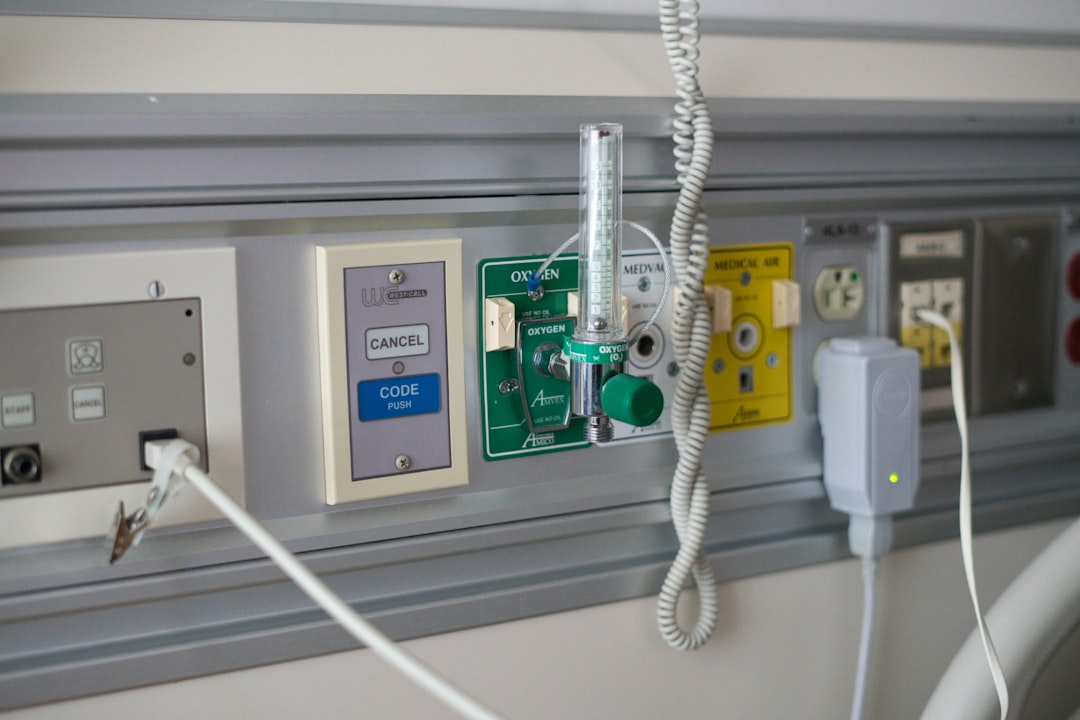
When experiencing a medical emergency, cost considerations typically take secondary priority to immediate treatment needs. However, familiarity with emergency room billing structures can assist you in understanding the financial aspects of your care. Emergency room charges generally consist of multiple components: facility fees, physician fees, and costs associated with diagnostic tests or treatments.
The total amount varies depending on the hospital, the complexity of your condition, and the scope of services provided. Even straightforward emergency visits can result in substantial bills. Facility fees are charged upon arrival at the emergency department and often represent a significant portion of the total cost.
Additional charges typically include separate physician fees and costs for imaging studies or laboratory tests. Becoming familiar with these billing components enables you to request itemized explanations and clarification regarding charges on your bill.
Key Takeaways
- Emergency room fees can include various unexpected charges beyond the initial visit.
- Understanding your insurance coverage is crucial to minimizing surprise ER costs.
- Negotiating and disputing fees can help reduce financial burdens from unexpected charges.
- Legal protections and advocacy play important roles in managing and challenging ER fees.
- Utilizing available resources and promoting transparency can improve patient experiences with ER billing.
Common Types of Unexpected ER Fees
Unexpected fees in the emergency room can arise from various sources, leaving you feeling overwhelmed and confused. One common type of fee is the facility fee, which is charged by the hospital for the use of its resources. This fee can be particularly high in urban areas or at specialized facilities.
You might also encounter charges for ancillary services, such as blood tests or X-rays, which can add up quickly if multiple tests are required. Another source of unexpected fees comes from out-of-network providers. If you receive treatment from a specialist or physician who is not part of your insurance network, you may face higher out-of-pocket costs.
This situation often occurs in emergency settings where you have little control over who treats you. Being aware of these potential pitfalls can help you prepare for the financial impact of an emergency visit. Understanding the factors that influence health insurance cost can help you make better financial decisions.
How to Avoid Unexpected ER Fees

While it may not be possible to completely avoid unexpected ER fees, there are strategies you can employ to minimize their impact. One effective approach is to familiarize yourself with your insurance plan and its coverage for emergency services. Knowing which facilities are in-network can help you make informed decisions when seeking care.
Additionally, consider keeping a list of local hospitals and their contact information handy, so you can quickly assess your options in an emergency. Another proactive measure is to ask questions when receiving treatment. If you’re unsure about a particular test or procedure, don’t hesitate to inquire about its necessity and associated costs.
While it may feel uncomfortable in a high-pressure situation, advocating for yourself can lead to better financial outcomes. By being informed and assertive, you can reduce the likelihood of encountering unexpected fees.
The Impact of Unexpected ER Fees on Your Finances
Unexpected ER fees can have a significant impact on your financial well-being, especially if you’re unprepared for the costs involved. A single visit can result in bills that range from hundreds to thousands of dollars, depending on the complexity of your case and the services provided. This financial burden can lead to stress and anxiety, particularly if you’re already managing other expenses or debts.
Moreover, unexpected ER fees can affect your long-term financial health. If you’re unable to pay your medical bills promptly, you may face additional charges, such as late fees or interest rates. In some cases, unpaid medical debt can even lead to collections or damage your credit score.
Understanding the potential consequences of these fees can motivate you to take action and seek assistance when needed.
Negotiating and Disputing Unexpected ER Fees
| Metric | Value | Description |
|---|---|---|
| Percentage of ER visits with surprise bills | 14% | Proportion of emergency room visits resulting in unexpected charges |
| Average surprise charge amount | 1,200 | Typical out-of-network surprise bill amount after an ER visit |
| Percentage of surprise bills over 1,000 | 45% | Share of surprise bills exceeding 1,000 in charges |
| Common sources of surprise charges | Specialist fees, ambulance services, facility fees | Typical providers responsible for unexpected ER charges |
| Impact on patients | Increased financial burden, delayed care | Consequences of surprise ER bills on patient health and finances |
| Legislation status | Federal protections enacted in 2022 | Recent laws aimed at reducing surprise billing in emergency care |
If you find yourself facing unexpected ER fees that seem excessive or unjustified, it’s essential to know that you have options for negotiation and dispute. Start by reviewing your bill carefully and identifying any discrepancies or charges that appear unclear. Once you’ve gathered this information, reach out to the hospital’s billing department to discuss your concerns.
Many facilities have processes in place for addressing billing disputes and may be willing to adjust charges if they find errors. Negotiating medical bills can be daunting, but it’s important to remember that you’re not alone in this process. Many individuals successfully negotiate lower fees or payment plans by being persistent and polite in their communications.
If you’re struggling to resolve the issue on your own, consider seeking assistance from a medical billing advocate who specializes in negotiating healthcare costs.
Insurance Coverage and Unexpected ER Fees

Understanding your insurance coverage is crucial when it comes to managing unexpected ER fees. Many insurance plans have specific guidelines regarding emergency services, including what constitutes an emergency and how much they will cover for out-of-network providers. Familiarizing yourself with these details can help you anticipate potential costs and make informed decisions during a medical crisis.
It’s also important to verify that your insurance information is up-to-date with your healthcare providers. If there are discrepancies between your insurance plan and the hospital’s billing practices, it could lead to unexpected charges. By ensuring that your insurance details are accurate and current, you can minimize the risk of encountering surprise bills after an emergency visit.
Legal Protections Against Unexpected ER Fees
In recent years, there have been efforts at both state and federal levels to provide legal protections against unexpected ER fees. The No Surprises Act, which took effect in January 2022, aims to protect patients from surprise medical bills when they receive care from out-of-network providers in emergency situations. This legislation requires that patients only pay in-network rates for certain services, reducing the financial burden associated with unexpected charges.
Familiarize yourself with the specific provisions of the No Surprises Act and any state laws that may offer additional protections. By understanding your rights, you can better advocate for yourself when faced with unexpected ER fees.
Tips for Managing Unexpected ER Fees
Managing unexpected ER fees requires a proactive approach and a willingness to seek assistance when needed. One effective strategy is to create a budget that accounts for potential medical expenses. By setting aside funds specifically for healthcare costs, you can alleviate some of the financial stress associated with unexpected bills.
Additionally, consider exploring financial assistance programs offered by hospitals or nonprofit organizations. Many facilities have programs designed to help patients who are struggling with medical debt or who qualify based on income levels. Taking advantage of these resources can provide much-needed relief during challenging times.
The Role of Transparency in ER Fee Disclosure
Transparency in emergency room fee disclosure is crucial for empowering patients to make informed decisions about their care. Unfortunately, many patients find themselves facing surprise bills due to a lack of clear information regarding costs before treatment begins. Hospitals and healthcare providers must prioritize transparency by providing clear estimates of potential charges upfront.
Advocating for transparency not only benefits individual patients but also contributes to broader systemic changes within the healthcare industry. By demanding clearer communication about costs and billing practices, patients can help drive improvements that benefit everyone seeking care in emergency situations.
The Importance of Advocacy in Addressing Unexpected ER Fees
Advocacy plays a vital role in addressing the issue of unexpected ER fees on both individual and systemic levels. As a patient, advocating for yourself means asking questions about your care and being proactive about understanding costs associated with treatment. However, advocacy extends beyond personal experiences; it also involves supporting policies that promote fair billing practices and protect patients from surprise medical bills.
Engaging with local advocacy groups or participating in community discussions about healthcare costs can amplify your voice and contribute to meaningful change. By working together with others who share similar concerns, you can help raise awareness about the challenges posed by unexpected ER fees and push for reforms that prioritize patient rights.
Resources for Dealing with Unexpected ER Fees
If you find yourself grappling with unexpected ER fees, numerous resources are available to help you navigate this challenging landscape. Start by reaching out to your insurance provider for clarification on coverage and potential out-of-pocket costs associated with your visit. They may also offer guidance on how to dispute charges or negotiate bills.
Additionally, consider seeking assistance from nonprofit organizations focused on healthcare advocacy and financial assistance. These organizations often provide valuable information about navigating medical debt and may offer resources for negotiating bills or accessing financial aid programs. By leveraging these resources, you can take control of your financial situation and work towards resolving unexpected ER fees effectively.
In conclusion, while navigating emergency room fees can be daunting, understanding the basics and employing proactive strategies can significantly ease the burden associated with unexpected charges. By staying informed about your rights, advocating for transparency, and utilizing available resources, you can better manage the financial implications of emergency care and ensure that your health remains a priority without undue financial stress.
Surprise medical bills, particularly those stemming from emergency room visits, have become a significant concern for many patients. These unexpected charges can lead to financial strain, especially when individuals receive care from out-of-network providers without their knowledge. For a deeper understanding of this issue and its implications, you can read more in this related article on the topic: Emergency Room Bill Surprise Charges.
WATCH THIS! WATCH THIS! 💊 Health Insurance Is The Next Housing Bubble (And It Will Bankrupt You)
FAQs
What are surprise charges on an emergency room bill?
Surprise charges occur when a patient receives unexpected fees on their emergency room bill, often because certain services or providers are not covered by their insurance plan or are billed separately.
Why do surprise charges happen in emergency rooms?
They can happen due to out-of-network providers involved in your care, such as specialists or anesthesiologists, or because of facility fees that are not fully covered by insurance.
Are emergency room visits always covered by insurance?
Most insurance plans cover emergency room visits, but coverage can vary depending on the plan, the network status of the providers, and the specific services rendered during the visit.
Can I be billed for out-of-network providers during an emergency?
Yes, even if you go to an in-network hospital, some providers like radiologists or surgeons may be out-of-network and bill you separately, leading to surprise charges.
What can I do if I receive a surprise charge on my emergency room bill?
You can contact your insurance company to dispute the charge, negotiate with the hospital or provider for a reduced bill, or seek assistance from a medical billing advocate.
Are there laws protecting patients from surprise emergency room bills?
Yes, in many regions, laws such as the No Surprises Act in the United States protect patients from certain surprise medical bills, especially for emergency services.
How can I avoid surprise charges when visiting the emergency room?
While emergencies are unpredictable, you can review your insurance plan’s network, ask about provider networks if possible, and understand your coverage details to minimize the risk of surprise charges.
Do all insurance plans handle emergency room billing the same way?
No, insurance plans vary widely in how they cover emergency services, including differences in copays, deductibles, and out-of-network coverage, which can affect your final bill.
What is balance billing in the context of emergency room charges?
Balance billing occurs when a provider bills you for the difference between their charge and what your insurance pays, which can lead to unexpected costs after an emergency room visit.
Who can I contact for help with emergency room billing disputes?
You can reach out to your insurance company, the hospital’s billing department, state insurance regulators, or consumer advocacy groups specializing in medical billing issues.