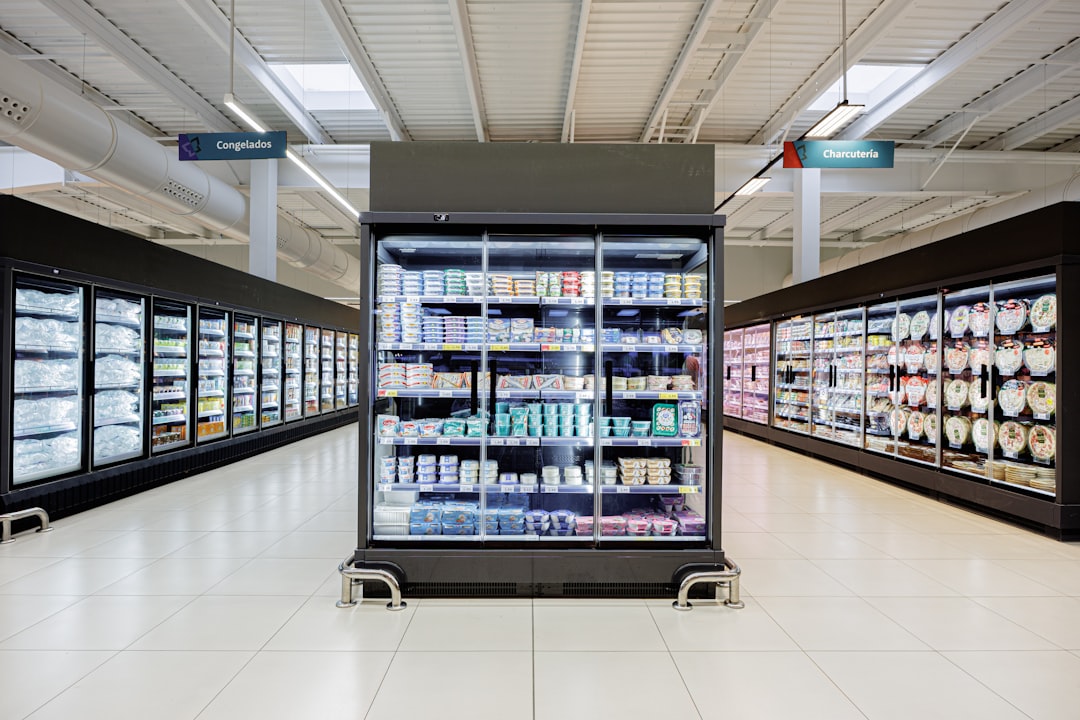
The relentless upward trajectory of grocery prices has become a prominent concern for households globally. Your weekly shopping trip, once a mundane necessity, now often feels like navigating a minefield, with each aisle presenting a new financial obstacle. This article will provide you with practical strategies to mitigate the impact of inflated food costs, enabling you to maintain a healthy and satisfying diet without compromising your financial well-being.
Before delving into solutions, it’s imperative to comprehend the multifaceted factors contributing to the current economic climate that sees your grocery bill perpetually expanding. This is not merely an isolated phenomenon; it’s a complex interplay of global and local forces. Learn more about corporate control by watching this insightful video corporate control.
Global Economic Pressures
You are witness to the repercussions of several interconnected global events. Supply chain disruptions, exacerbated by geopolitical conflicts and extreme weather events, have made the movement of goods inherently more expensive. Consider the journey your avocado takes from farm to your kitchen: each leg of that journey is susceptible to increased fuel costs, labor shortages, and logistical bottlenecks. Furthermore, fluctuating exchange rates can significantly impact the cost of imported goods, meaning the price you pay for your favored imported cheese is a reflection of international currency markets.
Domestic Inflationary Pressures
Closer to home, you encounter the effects of domestic inflation. Increased production costs, encompassing everything from livestock feed to packaging materials, are inevitably passed on to you, the consumer. Labor shortages in the agricultural and retail sectors also contribute to higher operational expenses, forcing businesses to adjust their pricing strategies. It’s akin to watching a ripple effect, where a stone dropped into the distant ocean ultimately impacts the shore you stand on.
As grocery prices continue to rise, many consumers are seeking effective strategies to manage their budgets. A related article that offers valuable insights on combating high grocery costs can be found at How to Fight Back Against High Grocery Prices. This resource provides practical tips and creative solutions to help shoppers make the most of their grocery budgets while still enjoying nutritious meals.
Strategic Planning: Your First Line of Defense
Effective grocery shopping in an era of high prices is not spontaneous; it is a meticulously planned operation. Without a strategy, you are merely a ship without a rudder, adrift in a sea of fluctuating prices.
Develop a Comprehensive Meal Plan
Before you even consider stepping foot in a grocery store, a well-defined meal plan is your most potent weapon. This involves outlining every meal – breakfast, lunch, and dinner – for the upcoming week. This forward-thinking approach allows you to consolidate your shopping list, minimizing impulse purchases and ensuring you only buy what you genuinely need. Think of your meal plan as a blueprint for your weekly consumption, providing structure and preventing wasteful deviations.
Construct a Precise Shopping List
Once your meal plan is established, translate it into a detailed shopping list. Be specific. Instead of “vegetables,” write “1 head of broccoli, 2 carrots, 1 onion.” This level of detail acts as a safeguard against overspending and ensures you acquire all necessary ingredients. Adhering strictly to this list in the store is paramount. Consider it a contract with yourself, a commitment to mindful consumption.
Check Current Inventory
Before creating your shopping list, thoroughly inspect your pantry, refrigerator, and freezer. You might discover existing ingredients that can be incorporated into your meal plan, thereby reducing your purchasing needs. This simple act of reconnaissance can prevent duplicate purchases and minimize food waste – a critical component of saving money. It’s like finding forgotten treasures in your own home that can be repurposed.
Smart Shopping Techniques: Navigating the Aisles Economically

Once armed with your plan and list, your journey through the grocery store itself becomes a strategic exercise. Every decision you make in the aisles can directly impact your final expenditure.
Embrace Unit Pricing
Retailers often employ various packaging sizes, making direct price comparisons challenging. Your ally in this situation is unit pricing, typically displayed on shelf labels (e.g., price per ounce, per pound, or per 100 grams). Always compare unit prices to determine the true value of a product, rather than relying solely on the advertised price. A larger package may appear cheaper, but its unit price could reveal otherwise. This is your decoder ring, revealing the true cost behind the packaging.
Explore Store Brands and Generic Options
You will often find that store brands or generic products offer comparable quality to their name-brand counterparts but at a significantly lower cost. These products often originate from the same manufacturers but are re-packaged under the retailer’s label. Experiment with these alternatives; you may discover that your palate cannot discern a significant difference, and your wallet will certainly thank you. This is akin to finding an equally effective medicine for a fraction of the cost – the active ingredients are often identical.
Utilize Sales and Promotions Strategically
While sales and promotions can offer genuine savings, they also require careful consideration. Avoid falling into the trap of purchasing items merely because they are “on sale” if they are not on your list or if you do not genuinely need them. However, when an item you regularly consume is significantly discounted, consider stocking up, particularly for non-perishable goods. This requires a balanced approach; you are looking for genuine savings, not tempting diversions.
Leverage Loyalty Programs and Coupons
Many grocery stores offer loyalty programs that provide exclusive discounts, personalized offers, and sometimes even points that can be redeemed for future purchases. Signing up for these programs is a no-brainer. Similarly, strategically using coupons, both digital and print, can yield substantial savings. However, like sales, use coupons selectively for items you genuinely intended to buy, rather than allowing them to dictate your purchases.
Maximizing Your Purchases: Beyond the Checkout

Your savings journey doesn’t conclude once you’ve paid for your groceries. Efficient utilization and preservation of your purchases are equally vital in combating high food costs.
Practice Proper Food Storage
Food waste is a significant contributor to grocery expenditure. Understanding and implementing proper food storage techniques can dramatically extend the shelf life of your produce, dairy, and other perishable items. This includes storing fruits and vegetables in appropriate conditions, utilizing airtight containers, and ensuring your refrigerator and freezer are set to optimal temperatures. Think of your refrigerator as a meticulously organized library, each item having its designated place and optimal conditions for preservation.
Embrace Creative Leftover Utilization
Instead of discarding leftovers, view them as opportunities for new meals. Last night’s roasted chicken can become today’s chicken salad sandwich or a component of a stir-fry. Repurposing food reduces waste and minimizes the need for additional meal preparation, saving both time and money. This is where your culinary creativity shines, transforming ingredients into multiple gastronomic experiences.
Master the Art of Batch Cooking
Batch cooking involves preparing large quantities of certain dishes or ingredients that can be portioned and consumed throughout the week. This strategy saves time, reduces energy consumption for cooking, and facilitates healthier eating by having pre-prepared meals readily available. Examples include cooking a large batch of grains, roasting a tray of vegetables, or preparing a substantial soup that can be frozen in individual servings. It’s like having a personal chef on standby, ready to deliver nutritious meals whenever you need them.
As grocery prices continue to rise, many consumers are seeking effective strategies to manage their budgets. One helpful resource is an article that offers practical tips on how to fight back against high grocery prices. By implementing some of the suggestions found in this informative piece, shoppers can learn to make smarter purchasing decisions and save money in the long run. To explore these strategies further, you can read the full article here.
Alternative Sourcing: Beyond the Conventional Supermarket
| Strategy | Description | Potential Savings | Implementation Tips |
|---|---|---|---|
| Buy in Bulk | Purchase non-perishable items in larger quantities to reduce cost per unit. | Up to 20% off regular prices | Focus on staples like rice, pasta, and canned goods; store properly to avoid spoilage. |
| Use Coupons and Discounts | Leverage manufacturer and store coupons to lower prices on groceries. | 5-15% savings per shopping trip | Combine coupons with sales; use apps and loyalty programs. |
| Shop Seasonal Produce | Buy fruits and vegetables that are in season to get fresher and cheaper options. | 10-25% savings compared to off-season produce | Check local farmers markets and seasonal sales. |
| Plan Meals and Make Lists | Organize meals ahead to avoid impulse buys and reduce food waste. | Up to 15% reduction in grocery bills | Use meal planning apps; stick to shopping lists. |
| Choose Store Brands | Opt for generic or store-brand products which are often cheaper but similar in quality. | 10-30% savings per item | Compare ingredients and reviews to ensure quality. |
| Reduce Meat Consumption | Incorporate more plant-based meals to lower grocery costs. | Up to 25% savings on grocery bills | Try meatless recipes and use beans, lentils, and tofu as protein sources. |
| Shop at Multiple Stores | Compare prices across stores to find the best deals. | Variable, can save 5-20% | Use price comparison apps; consider travel costs. |
While supermarkets are convenient, exploring alternative avenues for your grocery needs can unlock significant savings and potentially higher quality produce.
Explore Farmers’ Markets
Farmers’ markets often offer fresh, seasonal produce directly from local growers, potentially at lower prices than supermarkets due to reduced overheads and fewer intermediaries. Additionally, negotiating prices or purchasing “imperfect” produce can yield further savings. This allows you to directly support local agriculture while simultaneously benefiting your wallet. You are connecting directly with the source, often gaining fresher produce at a better value.
Consider Community-Supported Agriculture (CSA)
CSA programs involve subscribing to a local farm, receiving a weekly or bi-weekly box of seasonal produce directly from them. While the initial outlay might seem higher, the overall cost per item can be lower, and you gain access to exceptionally fresh, often organic, produce. This is a commitment to a local farm, a partnership that provides you with a consistent supply of seasonal bounty.
Utilize Discount Grocery Stores and Ethnic Markets
You might find that discount grocery stores, often characterized by a no-frills shopping experience, offer significantly lower prices on many staple items. Similarly, ethnic markets can be a treasure trove of affordable ingredients, particularly for spices, grains, and certain produce items, often at a fraction of the cost found in mainstream supermarkets. These are often overlooked gems, offering excellent value for specific categories of goods.
Lifestyle Adjustments: Long-Term Savings Habits
Beyond specific shopping tactics, certain lifestyle adjustments can fundamentally alter your relationship with food and significantly reduce your long-term grocery expenses.
Embrace Plant-Based Meals
Meat and poultry are typically the most expensive components of your grocery bill. Incorporating more plant-based meals into your diet can lead to substantial savings. Legumes, grains, and vegetables are often more affordable and offer excellent nutritional value. This isn’t necessarily about becoming a vegetarian, but rather about consciously shifting your dietary focus to more economical and often healthier options.
Cultivate a Home Garden
If you have access to outdoor space, even a small balcony, cultivating a home garden can provide you with a fresh, organic, and exceptionally cheap supply of herbs, vegetables, and even some fruits. The initial investment in seeds and soil is minimal compared to the long-term savings and satisfaction of growing your own food. This is an investment in self-sufficiency, a literal sowing of seeds for future savings and fresh produce.
These ten strategies, employed consistently, will empower you to navigate the current landscape of high grocery prices with confidence and competence. By treating your grocery shopping as a strategic endeavor, you can mitigate financial strain, reduce food waste, and maintain a healthy, fulfilling diet. You are not merely a passive consumer; you are an informed and strategic participant in your household’s economic well-being.
FAQs
What are some effective strategies to reduce grocery expenses?
Some effective strategies include creating a shopping list to avoid impulse buys, using coupons and discount apps, buying in bulk, choosing store brands, shopping seasonal produce, and comparing prices between stores.
How can meal planning help combat high grocery prices?
Meal planning helps by allowing you to buy only the ingredients you need, reducing food waste, and enabling you to take advantage of sales and bulk purchases. It also helps in preparing cost-effective meals.
Are there specific stores or markets that offer lower grocery prices?
Yes, discount grocery stores, warehouse clubs, farmers’ markets, and ethnic markets often offer lower prices compared to traditional supermarkets. Shopping at these places can help save money.
How does buying in bulk contribute to saving money on groceries?
Buying in bulk typically reduces the cost per unit of items, especially non-perishable goods. It also minimizes packaging waste and reduces the frequency of shopping trips, saving time and transportation costs.
Can using coupons and loyalty programs significantly lower grocery bills?
Yes, coupons and loyalty programs can provide substantial savings by offering discounts, cashback, or points that can be redeemed for future purchases. Combining these with sales can maximize savings.
Is it more economical to buy fresh produce or frozen fruits and vegetables?
Frozen fruits and vegetables are often less expensive, have a longer shelf life, and retain most of their nutrients. Fresh produce can be more costly and perishable but may be preferred for taste and texture in certain recipes.
How does reducing food waste help in managing grocery costs?
Reducing food waste means you use more of what you buy, stretching your grocery budget further. Proper storage, using leftovers creatively, and buying only what you need are key practices to minimize waste.
What role does cooking at home play in fighting high grocery prices?
Cooking at home is generally more cost-effective than eating out or buying pre-packaged meals. It allows control over ingredients, portion sizes, and reduces reliance on expensive convenience foods.
Are there any government programs or assistance available to help with grocery costs?
Yes, programs like SNAP (Supplemental Nutrition Assistance Program) in the U.S. provide financial assistance to eligible individuals and families to help purchase groceries. Local food banks and community organizations may also offer support.
How can consumers stay informed about grocery price trends and sales?
Consumers can subscribe to store newsletters, use price comparison apps, follow social media accounts of local stores, and regularly check flyers and online promotions to stay updated on deals and price changes.