Automated Contamination Enforcement Cameras: Keeping Our Environment Clean
The increasing urbanization and industrialization of societies worldwide have placed an unprecedented strain on natural resources and ecosystems. Waste management, in particular, presents a persistent challenge, with improper disposal and illegal dumping contributing to widespread pollution of land, water, and air. Addressing this environmental degradation requires a multifaceted approach, encompassing public education, robust waste management infrastructure, and effective enforcement mechanisms. In recent years, a technological solution has emerged as a significant tool in the fight against environmental contamination: the Automated Contamination Enforcement Camera system. These sophisticated devices, often deployed in strategic locations, act as vigilant sentinels, digitally documenting and deterring activities that sully our shared environment.
How the Cameras Function
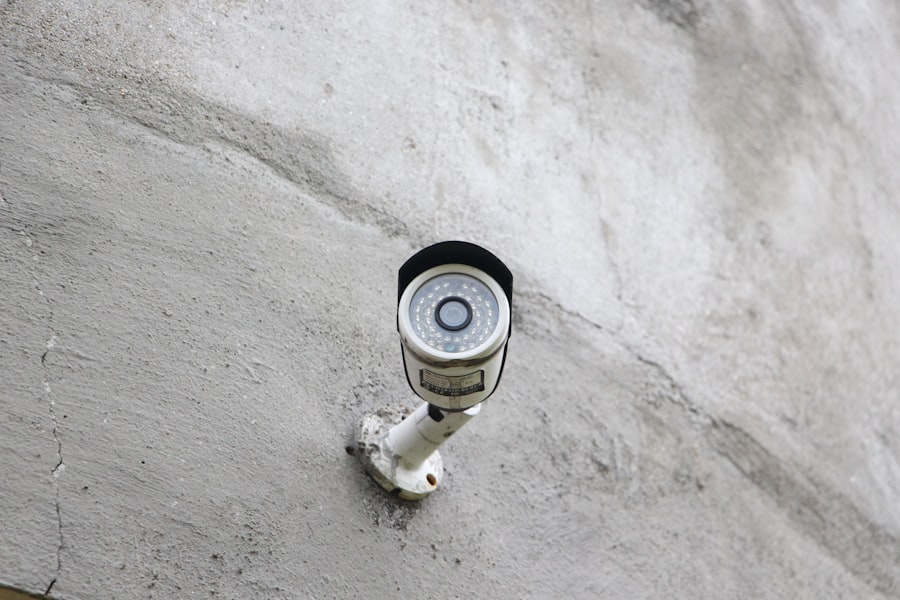
Automated Contamination Enforcement (ACE) cameras operate on principles similar to traffic enforcement cameras, but with a specific focus on environmental offenses. Their core function is to capture photographic or video evidence of individuals or vehicles engaged in polluting activities. This can range from the illegal dumping of household waste into rivers and forests to the unauthorized discharge of industrial effluent into public spaces. The cameras are equipped with high-resolution lenses capable of capturing clear images even in challenging lighting conditions. Many systems incorporate advanced features such as motion detection, infrared capabilities for nighttime operation, and the ability to record license plate information. The data captured is then transmitted to a central processing unit for analysis and retrieval. Think of these cameras as the eyes of a tireless guardian, constantly scanning for transgressions against nature.
Deployment Strategies and Locations
The strategic placement of ACE cameras is crucial for their effectiveness. They are most commonly deployed in areas prone to illegal dumping, such as remote rural roads, industrial zones, urban alleyways, and near waterways. Public parks, nature reserves, and areas surrounding waste disposal sites are also frequent targets. The decision of where to install these cameras is typically based on historical data of environmental violations, community complaints, and geographical risk assessments. The goal is to create a visible deterrent effect, making potential offenders aware that their actions can and will be recorded. The presence of these cameras acts as a constant reminder, a digital shadow following those who might consider despoiling the environment.
Technology Components and Data Management
The technology underpinning ACE camera systems is diverse and constantly evolving. Components can include:
- High-Resolution Imaging Sensors: Essential for capturing clear, identifiable images of individuals, vehicles, and the nature of the contamination.
- Motion Detection Capabilities: Triggering recording only when an activity is detected, conserving storage space and reducing unnecessary data.
- Infrared and Low-Light Imaging: Enabling operation in all weather conditions and at any time of day.
- Optical Character Recognition (OCR): Used to automatically read license plates from captured images, facilitating the identification of offenders.
- Global Positioning System (GPS) Integration: Geotagging the location of the offense for accurate record-keeping and potential legal proceedings.
- Secure Data Transmission: Utilizing encrypted networks to transmit captured data to central servers, ensuring the integrity and confidentiality of evidence.
- Centralized Database and Analytics Software: Enabling efficient storage, retrieval, and analysis of evidence, as well as the tracking of recurring offenders and problem areas.
The data collected is treated with the same rigor as evidence in any legal proceeding. It is time-stamped, location-stamped, and stored securely, forming an irrefutable digital record of environmental infractions. This information is then processed by authorized personnel who assess the severity of the violation and initiate appropriate enforcement actions. Efficient data management is the bedrock upon which the legitimacy of these enforcement systems rests.
Automated contamination enforcement cameras are becoming increasingly important in maintaining environmental standards and ensuring public safety. For a deeper understanding of how technology is being leveraged to combat pollution and enhance regulatory compliance, you can read a related article on the topic at How Wealth Grows. This article explores the implications of such innovations and their potential impact on both businesses and communities.
The Rationale Behind Automated Enforcement
Deterrence as a Primary Goal
The primary objective of deploying ACE cameras is deterrence. The knowledge that one’s polluting actions are being covertly recorded and can lead to penalties is a powerful disincentive. When individuals or organizations understand that anonymity is no longer a shield for environmental negligence, they are more likely to adhere to regulations and dispose of waste responsibly. This preventative aspect is often more impactful than the punitive measures themselves, as it stops pollution before it occurs. The cameras act as a constant whisper in the back of potential offenders’ minds, a reminder of accountability.
Automated contamination enforcement cameras are becoming increasingly important in maintaining public health and safety, especially in urban areas where pollution levels can rise rapidly. These innovative systems not only monitor environmental conditions but also help enforce regulations by capturing evidence of violations. For a deeper understanding of how technology is shaping environmental enforcement, you can read a related article that discusses various advancements in this field. This article provides insights into the effectiveness of such systems and their potential impact on community health. To explore more, visit this link.
Ensuring Accountability and Justice
Beyond deterrence, ACE cameras play a vital role in ensuring accountability. When environmental offenses do occur, the captured evidence provides irrefutable proof of who, what, when, and where the transgression took place. This objective evidence is crucial for fair and impartial enforcement. It removes ambiguity and subjective interpretation, allowing authorities to take appropriate action against those who violate environmental laws. This process contributes to a sense of justice for communities that bear the brunt of pollution and for the environment itself. The cameras are impartial arbiters, their lens a truthful witness to the unfolding events.
Supporting Environmental Protection Initiatives
ACE camera systems are not isolated technological solutions; they are integrated components of broader environmental protection strategies. The data gathered by these cameras can inform policy decisions, highlight areas requiring increased regulatory attention, and identify patterns of non-compliance. This information allows environmental agencies to allocate resources more effectively, develop targeted public awareness campaigns, and strengthen legislative frameworks. By providing concrete data on the nature and prevalence of pollution, these systems empower authorities to make more informed and impactful decisions for the long-term health of the planet. They are the keen observers that help paint a clearer picture of environmental challenges, guiding the hand of conservation.
The Impact of ACE Cameras on Pollution Reduction
Documented Reductions in Illegal Dumping
Numerous studies and reports have indicated a significant reduction in illegal dumping incidents in areas where ACE cameras have been implemented. By increasing the risk of detection and subsequent penalties, these systems effectively curb this destructive practice. Anecdotal evidence from local authorities and environmental groups often points to cleaner roadsides, waterways, and natural landscapes following the introduction of this technology. The visual
FAQs

What are automated contamination enforcement cameras?
Automated contamination enforcement cameras are surveillance systems designed to monitor and detect environmental contamination, such as illegal dumping or pollution, in real-time. They use advanced imaging and sensor technology to identify violations and help enforce environmental regulations.
How do automated contamination enforcement cameras work?
These cameras use high-resolution imaging combined with software algorithms to detect contaminants like waste, chemicals, or pollutants. When a violation is detected, the system can automatically record evidence, capture license plate information, and notify authorities for enforcement actions.
Where are automated contamination enforcement cameras typically installed?
They are commonly installed in areas prone to illegal dumping or environmental violations, such as industrial zones, waterways, landfills, and urban areas. Placement is strategic to maximize monitoring coverage and deter contamination activities.
What are the benefits of using automated contamination enforcement cameras?
Benefits include continuous monitoring without the need for constant human presence, faster detection and response to environmental violations, improved accuracy in identifying offenders, and enhanced enforcement of environmental laws, leading to cleaner and safer communities.
Are there any privacy concerns related to automated contamination enforcement cameras?
Yes, privacy concerns can arise since these cameras capture images and data in public or semi-public spaces. To address this, regulations often require that data collection is limited to environmental enforcement purposes, and measures are taken to protect personal information and comply with privacy laws.