
An MIT study has shed light on the evolving relationship between artificial intelligence and the workforce, challenging the prevalent narrative that AI is poised to eliminate entire job categories en masse. Instead, the research suggests a more nuanced reality: AI is primarily designed to automate specific tasks within existing roles, rather than wholesale replacement of human workers. This distinction carries significant implications for how individuals, businesses, and policymakers should approach the integration of AI into the economy.
The core of the MIT study’s findings revolves around the concept of task-based automation. Researchers meticulously analyzed job descriptions and the constituent tasks performed by workers across various industries. Their analysis sought to quantify the degree to which individual tasks, rather than entire occupations, are susceptible to automation by current and near-future AI technologies.
Deconstructing Job Roles
The study’s methodology involved a granular examination of how jobs are structured. Instead of viewing a job as an indivisible unit, the researchers broke down occupations into their fundamental components – the discrete activities that a human worker undertakes. This deconstruction allowed for a more precise assessment of AI’s potential impact. For instance, a customer service representative’s role might include tasks such as answering frequently asked questions, directing inquiries, processing basic transactions, and handling complex complaint resolution.
AI’s Aptitude for Repetitive and Data-Intensive Tasks
AI algorithms, particularly those in machine learning and natural language processing, have demonstrated a remarkable aptitude for tasks that are repetitive, rule-based, and involve the processing of large volumes of data. These are precisely the types of tasks that can be readily codified and executed by machines. The study found that these specific tasks, when isolated, frequently represent a significant but not exclusive portion of many job roles.
The Differentiations Between Tasks and Jobs
A critical distinction drawn by the study is between a “task” and a “job.” A job is a collection of tasks, often requiring a diverse set of skills, including cognitive abilities, interpersonal interaction, and critical thinking. While AI can excel at automating certain tasks, many jobs encompass a broader range of responsibilities that are currently beyond the capabilities of even sophisticated AI systems.
Analyzing Task Replicability
The research employed statistical models and expert assessments to evaluate the replicability of different tasks by AI. Tasks requiring high levels of creativity, complex problem-solving, emotional intelligence, or nuanced social interaction were found to be less susceptible to immediate automation. Conversely, tasks involving data entry, pattern recognition in structured datasets, or information retrieval were identified as having a higher probability of being automated.
A related article that delves deeper into the implications of AI on the workforce is available at this link: How AI Replaces Tasks Not Jobs MIT Study. This article explores the nuances of how artificial intelligence is transforming specific tasks within various industries, rather than completely displacing jobs, providing valuable insights into the evolving relationship between technology and employment.
The Rise of Augmented Human Capabilities
Rather than outright replacement, the MIT study posits that AI is more likely to act as an augmentation tool for human workers. This perspective suggests that AI will empower individuals to perform their existing tasks more efficiently and effectively, freeing up their time and cognitive resources for more complex and higher-value activities.
Human-AI Collaboration
The future workplace envisioned by the study is one of increased human-AI collaboration. In this model, AI systems handle the routine and data-intensive aspects of a job, while humans focus on the strategic, creative, and interpersonal dimensions. This partnership can lead to increased productivity, improved decision-making, and enhanced job satisfaction.
AI as a Productivity Enhancer
Consider the example of a radiologist. AI can analyze medical images with great speed and accuracy, flagging potential anomalies for human review. This does not eliminate the radiologist’s role; instead, it allows them to focus on confirming diagnoses, consulting with patients, and developing treatment plans, areas where human expertise remains indispensable. The AI acts as a sophisticated diagnostic assistant, augmenting the radiologist’s capabilities.
Skill Refinement and Re-skilling Imperatives
The study’s findings underscore the importance of skill adaptation. As AI automates certain tasks, the demand for human skills will likely shift. Workers will need to develop new competencies that complement AI capabilities, focusing on areas that AI cannot easily replicate. This necessitates a proactive approach to training and education.
The Demand for “Human” Skills
The study highlights a growing demand for skills that are inherently human, such as emotional intelligence, critical thinking, creativity, and complex communication. These are the skills that will form the bedrock of future employment, as they are most resistant to automation.
Lifelong Learning as a Necessity
The concept of lifelong learning emerges as a critical imperative. The rapid pace of technological advancement means that skills can become obsolete quickly. Individuals will need to continuously update their knowledge and acquire new skills throughout their careers to remain relevant in the evolving job market.
The Impact on Different Industry Sectors

The MIT study’s implications vary across different industry sectors, reflecting the diverse nature of tasks and skill requirements. Some sectors are more susceptible to task automation than others, necessitating tailored strategies for adaptation.
Manufacturing and Logistics: Automation of Routine Processes
Industries like manufacturing and logistics, characterized by many standardized and repetitive tasks, are likely to see a significant degree of task automation. Robots and AI-powered systems can perform assembly line operations, inventory management, and route optimization with high efficiency.
Efficiency Gains Through Automation
In warehouses, for instance, AI-driven robots can sort and move goods, handling heavy lifting and repetitive movements. Human workers can then be redeployed to tasks requiring more complex decision-making, such as quality control, customer interaction, or system oversight. The focus shifts from manual labor to supervisory and analytical roles.
Healthcare: Augmentation, Not Replacement, of Professionals
The healthcare sector, while benefiting immensely from AI in areas like diagnostics and drug discovery, is less likely to experience widespread job displacement of its core professionals. The empathetic and complex nature of patient care, diagnosis, and treatment planning requires human judgment and interaction.
AI-Powered Diagnostic Tools
AI can assist pathologists in analyzing scans, help oncologists identify treatment options based on a patient’s genetic profile, or optimize hospital resource allocation. These tools enhance the precision and efficiency of healthcare professionals, rather than replacing them. The human element of compassion and ethical consideration remains paramount.
Finance and Administration: Automation of Data Processing
Administrative and financial roles that involve significant data processing, transaction handling, and report generation are prime candidates for task automation. AI can streamline these processes, reducing errors and increasing speed.
Streamlining Back-Office Operations
For example, AI can automate invoice processing, data entry, and customer onboarding. This allows administrative staff to focus on more analytical and strategic tasks, such as financial planning, risk assessment, or customer relationship management, where human insight and judgment are crucial.
The Policy and Societal Implications
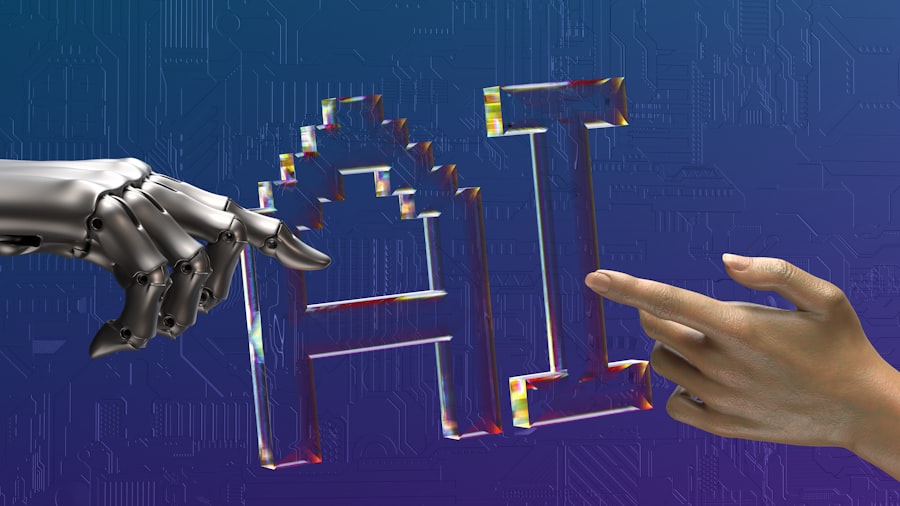
The findings of the MIT study carry profound implications for economic policy, education systems, and societal structures. A reactive approach to AI integration could lead to significant disruption, while a proactive strategy can foster a more equitable and prosperous future.
The Need for a Shift in Educational Paradigms
Educational institutions have a critical role to play in preparing the workforce for an AI-augmented future. Curricula need to evolve to emphasize critical thinking, problem-solving, creativity, and digital literacy.
Integrating AI into Learning Environments
This involves not only teaching students about AI but also incorporating AI tools into the learning process itself. Students can learn to collaborate with AI, understand its limitations, and leverage its capabilities to enhance their own learning and future work.
Rethinking Social Safety Nets and Worker Transition Programs
As certain tasks become automated, there will be a need for robust social safety nets and comprehensive worker transition programs. These programs should provide support for individuals who need to re-skill or re-train for new roles.
Investing in Lifelong Learning Initiatives
Governments and businesses should invest in accessible and affordable lifelong learning initiatives. These initiatives can empower workers to adapt to changing job market demands and ensure that the benefits of AI are broadly shared.
The Role of Government and Regulation
Policymakers have a crucial role in guiding the responsible integration of AI. This includes establishing ethical guidelines, ensuring data privacy, and addressing potential biases in AI systems.
Promoting Ethical AI Development and Deployment
The study’s findings suggest that policies should focus on fostering AI development that augments human capabilities rather than simply replaces them. This could involve incentives for companies that invest in upskilling their workforce alongside AI adoption.
The MIT study on how AI replaces tasks rather than jobs has sparked a significant discussion about the future of work and the evolving role of technology in our lives. A related article explores the implications of automation on various industries and offers insights into how businesses can adapt to these changes. For more information on this topic, you can read the article here. Understanding these dynamics is crucial for both employees and employers as they navigate the challenges and opportunities presented by AI advancements.
Moving Forward: A Balanced Perspective and Strategic Adaptation
| Tasks Replaced by AI | Percentage |
|---|---|
| Data entry | 72% |
| Accounting | 68% |
| Administrative support | 64% |
| Customer service | 55% |
| Manufacturing | 49% |
The MIT study offers a compelling and nuanced perspective on the impact of AI. By shifting the focus from job replacement to task automation, the research provides a more realistic framework for understanding and navigating the changes ahead.
Embracing a Proactive Approach
Instead of succumbing to fear or outright rejection of AI, individuals, businesses, and governments must embrace a proactive and strategic approach. This involves understanding the capabilities of AI, identifying areas where it can augment human work, and investing in the skills and training necessary to thrive in an AI-enhanced economy.
The Future of Work is Collaborative
The future of work is not one of humans versus machines, but rather one of humans and machines working collaboratively. AI’s ability to automate tedious tasks can free up human potential for innovation, creativity, and complex problem-solving, leading to a more productive and fulfilling work environment for all.
Cultivating Adaptability and Continuous Learning
The bedrock of adaptability in the face of AI integration will be a commitment to continuous learning. As AI technology evolves, so too will the tasks that are automated and the skills that are in demand. Individuals who cultivate a mindset of lifelong learning and seek opportunities to expand their skill sets will be best positioned to succeed.
The Importance of Strategic Implementation
For businesses, the strategic implementation of AI is paramount. This means carefully analyzing existing workflows, identifying tasks suitable for automation, and investing in training to equip employees with the skills to work alongside AI. A human-centric approach to AI deployment will be key to maximizing its benefits while minimizing potential downsides.
Conclusion: A Call for Measured Optimism and Preparedness
In conclusion, the MIT study’s assertion that AI replaces tasks, not jobs, offers a powerful counterpoint to deterministic visions of technological unemployment. While challenges remain, the research provides a foundation for a more measured and optimistic outlook, provided that society is prepared to adapt. By focusing on skill development, education reform, and thoughtful policy, the integration of AI can lead to enhanced productivity, new opportunities, and a more dynamic workforce. The emphasis must remain on augmenting human capabilities, fostering collaboration, and ensuring that the advancements in artificial intelligence serve to uplift and empower humanity.
FAQs
What is the MIT study about AI replacing tasks?
The MIT study explores how artificial intelligence is being used to automate specific tasks within jobs, rather than replacing entire jobs altogether.
How does AI replace tasks in the workplace?
AI replaces tasks in the workplace by automating routine and repetitive tasks, allowing human workers to focus on more complex and creative aspects of their jobs.
What are the potential benefits of AI replacing tasks in the workplace?
The potential benefits of AI replacing tasks in the workplace include increased efficiency, productivity, and the ability for human workers to focus on higher-value work that requires critical thinking and problem-solving skills.
What are the potential challenges of AI replacing tasks in the workplace?
Some potential challenges of AI replacing tasks in the workplace include concerns about job displacement, the need for retraining and upskilling of workers, and ethical considerations surrounding the use of AI in decision-making processes.
How can organizations effectively integrate AI to replace tasks in the workplace?
Organizations can effectively integrate AI to replace tasks in the workplace by investing in training and upskilling programs for employees, fostering a culture of collaboration between humans and AI, and ensuring transparency and accountability in AI decision-making processes.