
As you navigate through the complexities of modern life, you may have noticed a significant shift in the housing market. The demand for affordable housing units has surged dramatically in recent years, driven by a combination of economic factors and demographic changes. With rising populations in urban areas and an increasing number of individuals and families seeking stable living conditions, the need for affordable housing has never been more pressing.
You might find it alarming that many people are struggling to find homes that fit their budgets, leading to a growing crisis that affects not just those in need but entire communities. The urgency of this demand is underscored by the fact that wages have not kept pace with the skyrocketing costs of living. As you consider your own financial situation, you may realize that many individuals are forced to allocate a disproportionate amount of their income to housing expenses.
This trend is particularly evident among low- and middle-income families, who often find themselves in a precarious position, balancing the need for shelter with other essential expenses such as food, healthcare, and education. The growing demand for affordable housing units is not just a statistic; it represents real people facing real challenges in their quest for stability and security.
Key Takeaways
- The demand for affordable housing units is on the rise due to increasing rent and housing costs.
- Rising rent and housing costs have a significant impact on individuals and families, leading to financial strain and housing instability.
- Developing affordable housing units comes with challenges such as funding, zoning regulations, and community opposition.
- Government initiatives are being implemented to address the shortage of affordable housing, including funding programs and policy changes.
- Nonprofit organizations play a crucial role in providing affordable housing through initiatives such as community land trusts and affordable housing development projects.
The Impact of Rising Rent and Housing Costs
You may have experienced firsthand the impact of rising rent and housing costs in your community. As landlords increase rental prices to keep up with market trends, many individuals and families are pushed out of their homes, leading to a cycle of displacement and instability. This phenomenon is particularly pronounced in urban areas where job opportunities are abundant, yet affordable housing options are scarce.
The result is a widening gap between those who can afford to live comfortably and those who struggle to make ends meet. The consequences of rising housing costs extend beyond individual households; they ripple through entire communities. You might notice that as more people are priced out of their homes, local businesses suffer from decreased foot traffic, and schools face challenges in maintaining enrollment levels.
The social fabric of neighborhoods can fray as long-term residents are forced to relocate, leading to a loss of community identity and cohesion. The impact of rising rent and housing costs is a multifaceted issue that requires urgent attention and innovative solutions.
Challenges in Developing Affordable Housing Units

As you delve deeper into the issue of affordable housing, you may encounter numerous challenges that hinder the development of new units. One significant barrier is the high cost of land and construction materials, which can make it financially unfeasible for developers to create affordable options. You might find it surprising that even when funding is available, the complexities of zoning laws and regulatory requirements can further complicate the process, leading to delays and increased costs.
Moreover, community opposition can pose a significant challenge to the development of affordable housing units. You may have witnessed instances where residents express concerns about potential changes to their neighborhoods, fearing that new developments could lead to increased traffic or alter the character of their communities. This resistance can create a hostile environment for developers seeking to provide much-needed housing solutions.
Addressing these challenges requires a concerted effort from all stakeholders involved, including government officials, community members, and developers.
Government Initiatives to Address the Shortage
| Initiative | Description | Impact |
|---|---|---|
| Increased Funding for Education | Allocating more resources to train and educate healthcare professionals | Expected to increase the number of qualified professionals entering the workforce |
| Streamlined Licensing Process | Simplifying the process for healthcare professionals to obtain licenses in different states | Expected to reduce barriers for professionals to practice in areas with shortages |
| Expansion of Telehealth Services | Supporting the use of telemedicine to reach underserved areas | Expected to improve access to healthcare in remote regions |
In response to the growing crisis surrounding affordable housing, various government initiatives have emerged aimed at addressing the shortage. You may have heard about programs designed to provide financial incentives for developers who commit to building affordable units or policies that streamline the permitting process to expedite construction. These initiatives reflect a recognition of the urgent need for action and a commitment to finding solutions that benefit all members of society.
However, while government initiatives are essential, they often require careful implementation and ongoing evaluation to ensure effectiveness. You might be interested to know that some programs have faced criticism for being too limited in scope or for failing to reach those most in need. As you consider the role of government in addressing affordable housing shortages, it becomes clear that collaboration with community organizations and private developers is crucial for creating sustainable solutions.
The Role of Nonprofit Organizations in Providing Affordable Housing
Nonprofit organizations play a vital role in addressing the affordable housing crisis by providing resources, advocacy, and direct support to those in need. You may have encountered local nonprofits dedicated to building affordable units or assisting families with housing applications. These organizations often operate on tight budgets but are driven by a mission to create equitable living conditions for all members of society.
In addition to developing housing units, nonprofits frequently engage in community outreach and education efforts aimed at raising awareness about the importance of affordable housing. You might find it inspiring that many nonprofits work tirelessly to advocate for policy changes at local and state levels, pushing for reforms that prioritize affordable housing development. Their commitment to social justice and community well-being makes them indispensable allies in the fight against housing insecurity.
Innovative Solutions to Increase Affordable Housing Stock
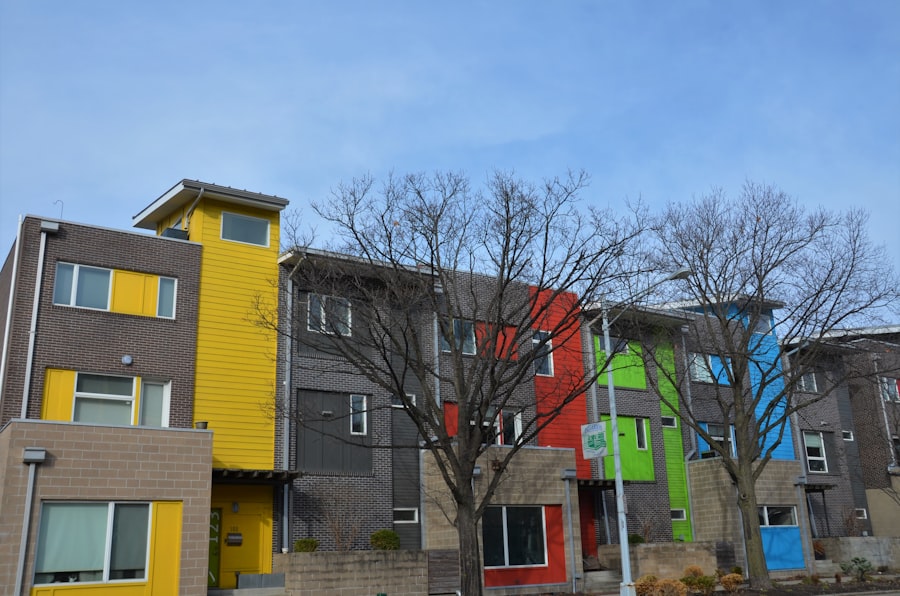
As you explore potential solutions to increase the stock of affordable housing, you may come across innovative approaches that challenge traditional development models.
You might be intrigued by how these methods can streamline the building process while maintaining quality standards, ultimately leading to more affordable options for families.
Another innovative approach involves repurposing existing structures into affordable housing units. You may have seen examples of old warehouses or factories being transformed into vibrant living spaces that cater to diverse populations. This not only addresses the immediate need for housing but also revitalizes underutilized areas within communities.
By thinking outside the box and embracing creative solutions, stakeholders can work together to tackle the affordable housing crisis effectively.
The Importance of Community Support for Affordable Housing Projects
Community support is crucial for the success of affordable housing projects. As you consider your own neighborhood dynamics, you may recognize that local residents play a significant role in shaping perceptions about new developments. Engaging community members early in the planning process can foster a sense of ownership and collaboration, ultimately leading to more successful outcomes.
You might find it beneficial for developers and policymakers to prioritize transparent communication with community members about the benefits of affordable housing projects. By addressing concerns and highlighting how these developments can enhance neighborhoods—such as increased economic activity and improved public services—stakeholders can build trust and garner support from residents. Ultimately, fostering a sense of community around affordable housing initiatives is essential for creating lasting change.
The Long-Term Benefits of Investing in Affordable Housing
Investing in affordable housing yields numerous long-term benefits that extend beyond individual households. As you reflect on your community’s future, you may recognize that stable housing contributes to improved health outcomes, increased educational attainment, and reduced crime rates. When families have access to safe and affordable homes, they are better positioned to thrive and contribute positively to society.
Moreover, investing in affordable housing can stimulate local economies by creating jobs during construction and attracting new businesses to the area. You might be surprised to learn that studies have shown a direct correlation between affordable housing availability and economic growth within communities. By prioritizing investments in affordable housing, stakeholders can create a ripple effect that benefits everyone—residents, businesses, and local governments alike.
Addressing the Stigma Surrounding Affordable Housing Units
Despite the pressing need for affordable housing, stigma often surrounds these units, leading to misconceptions about their residents. You may have encountered stereotypes suggesting that individuals living in affordable housing are less responsible or contribute negatively to their communities. These harmful narratives can perpetuate discrimination and hinder efforts to create inclusive neighborhoods.
Addressing this stigma requires a concerted effort from all sectors of society. You might find it helpful for community leaders and advocates to share success stories highlighting the positive contributions of residents living in affordable housing. By showcasing diverse narratives and emphasizing shared values among all community members, it becomes possible to dismantle stereotypes and foster greater understanding and acceptance.
The Need for Collaboration Between Public and Private Sectors
To effectively tackle the affordable housing crisis, collaboration between public and private sectors is essential. As you consider potential partnerships, you may recognize that both entities bring unique strengths to the table—government agencies can provide regulatory support and funding opportunities, while private developers offer expertise in construction and market knowledge. You might be encouraged by examples of successful collaborations that have resulted in innovative affordable housing projects.
By working together towards common goals, stakeholders can leverage resources more efficiently and create sustainable solutions that benefit everyone involved. Emphasizing collaboration fosters a sense of shared responsibility for addressing the pressing need for affordable housing.
The Future of Affordable Housing: Opportunities and Challenges
As you look ahead to the future of affordable housing, you may feel a mix of optimism and concern regarding the opportunities and challenges that lie ahead. On one hand, there is growing awareness about the importance of addressing this issue at local, state, and national levels; on the other hand, systemic barriers remain entrenched within existing frameworks. You might find it encouraging that innovative solutions continue to emerge as communities grapple with these challenges.
From new financing models to creative partnerships between stakeholders, there is potential for transformative change on the horizon. However, sustained commitment from all sectors will be necessary to ensure that progress is made toward creating equitable access to safe and affordable housing for all individuals and families. In conclusion, as you reflect on the complexities surrounding affordable housing, it becomes clear that this issue requires collective action from individuals, organizations, governments, and communities alike.
By understanding the growing demand for affordable units, recognizing the impact of rising costs, addressing challenges head-on, and fostering collaboration among stakeholders, we can work together toward a future where everyone has access to safe and stable housing.
The ongoing crisis in affordable housing has been a significant concern for many communities, as rising costs and limited availability continue to challenge low-income families.
The article explores various strategies that policymakers and developers are considering to address this pressing issue. For more insights, you can read the full article by visiting How Wealth Grows.
WATCH THIS 🏡How Wall Street Financialized Housing and Sent Your Rent Through the Roof 🏡🏡
FAQs
What is affordable housing?
Affordable housing refers to housing units that are affordable for low to moderate income households. These units are typically subsidized or offered at below-market rates to make them accessible to individuals and families who may otherwise struggle to afford housing.
What has happened to affordable housing units?
In many cities and regions, the supply of affordable housing units has dwindled due to a variety of factors. These may include rising property values, gentrification, lack of investment in affordable housing, and insufficient government subsidies.
Why are affordable housing units important?
Affordable housing is important because it provides a stable and secure living environment for individuals and families with limited financial resources. Access to affordable housing can help prevent homelessness, improve overall well-being, and promote economic stability.
What are the consequences of the decline in affordable housing units?
The decline in affordable housing units can lead to increased homelessness, displacement of low-income residents, and a lack of diversity in neighborhoods. It can also contribute to social and economic inequality, as access to safe and affordable housing is a fundamental aspect of quality of life.
What can be done to address the shortage of affordable housing units?
Addressing the shortage of affordable housing units requires a multi-faceted approach. This may include increasing government funding for affordable housing initiatives, implementing zoning policies that encourage the development of affordable housing, and promoting public-private partnerships to create more affordable housing options. Additionally, preserving existing affordable housing stock and preventing displacement of low-income residents is crucial.