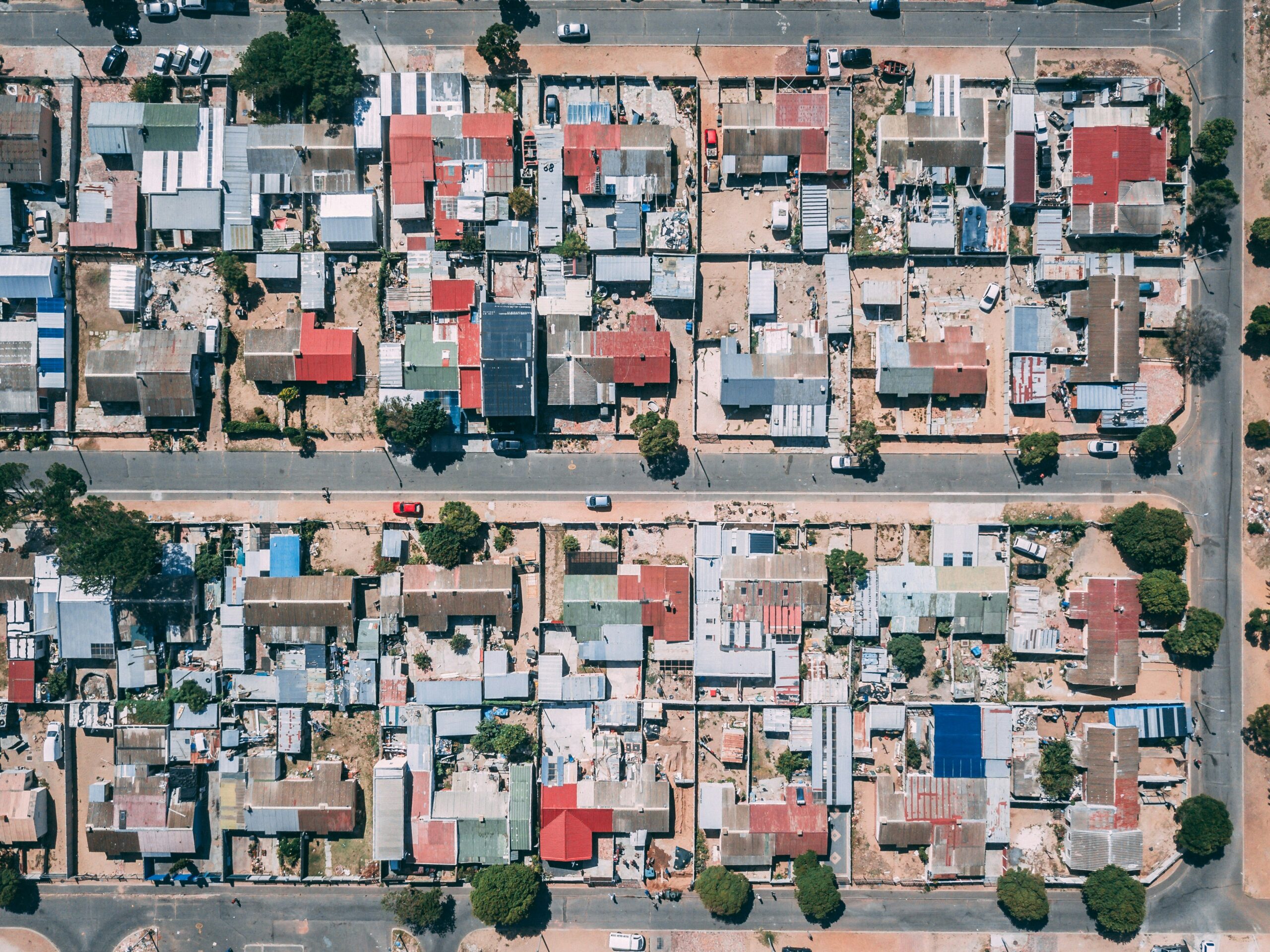
You are facing an affordable housing crisis. It is a storm gathering on the horizon, no longer a distant rumble but a present thunder that shakes the foundations of your communities. The dream of a stable, secure place to call home, once a cornerstone of stability, is becoming an elusive phantom for an ever-increasing number of people. This isn’t a niche problem affecting only a select few; it is a widening chasm that impacts individuals, families, and the very fabric of your society. You are witnessing a growing concern, a fundamental challenge to your well-being and the economic health of your regions.
You’ve seen it firsthand, haven’t you? The once attainable rung of homeownership is now a distant peak, shrouded in mist for many. The price tags on even modest dwellings have skyrocketed, outpacing wage growth like a runaway train. This isn’t just about wanting a bigger house; it’s about the basic need for shelter being priced out of reach.
The Ascent of Home Prices: A Relentless Climb
Consider the numbers. Over the past decade, median home prices in many your urban and suburban areas have experienced growth rates that are nothing short of astonishing. In some of your most desirable locations, these increases have doubled, tripled, or even quadrupled. This rapid appreciation is not a uniform phenomenon but rather a concentrated surge in specific, high-demand areas. You see the relentless climb driven by a confluence of factors, from limited supply to speculative investment and an influx of people seeking opportunities.
The Supply Deficit: A Bottleneck in Construction
One of the primary culprits is a chronic undersupply of housing. For years, you have not built enough homes to keep pace with population growth and household formation. This is akin to a dam with a trickle of water flowing through it while the reservoir behind it continues to rise. Restrictive zoning laws, lengthy permitting processes, and the high cost of construction materials and labor all contribute to this bottleneck. Developers often find it more economically viable to build luxury units rather than the more affordable options your communities desperately need.
The Specter of Investor Capital: Housing as a Commodity
You are also witnessing housing being increasingly treated as a financial asset rather than a fundamental human need. Institutional investors, private equity firms, and even individual speculators are buying up properties, often in bulk, driving up demand and prices. These entities are not necessarily concerned with the community’s well-being but rather with maximizing returns on their investments. This influx of capital can squeeze out individual buyers and further inflate the market, turning your neighborhoods into landscapes dominated by rental portfolios rather than home-owning residents.
The Rental Market’s Unyielding Grip
For those who cannot afford to buy, the rental market offers little solace. Rents have also surged, often at a pace that mirrors or even exceeds home price appreciation. This leaves renters in a precarious position, with a significant portion of their income consumed by housing costs, leaving little for savings, emergencies, or other essential needs.
The Erosion of Rental Affordability: A Growing Burden
You are likely experiencing this directly or indirectly. The average renter now spends a much larger percentage of their income on rent compared to previous generations. In many cities, this figure has surpassed the commonly accepted benchmark of 30% of household income, pushing many into “rent-burdened” or even “severely rent-burdened” categories. This means that a substantial portion of your income is being funneled into the landlord’s pocket, leaving you with less discretionary spending power and a diminished capacity to weather unexpected financial storms.
The “Renters’ Treadmill”: The Cycle of Instability
This persistent rental burden can trap you on a “renters’ treadmill.” You might find yourself moving from apartment to apartment as rents increase, never able to save enough for a down payment on a home, or even to build significant savings for emergencies. This constant churn creates instability, impacting your children’s education, your job security, and your overall sense of belonging in a community.
The affordable housing crisis continues to be a pressing issue in many urban areas, affecting countless families and individuals. For a deeper understanding of the factors contributing to this crisis and potential solutions, you can read a related article on the topic at How Wealth Grows. This resource provides valuable insights into the economic and social implications of the housing market, as well as strategies for addressing the challenges faced by those seeking affordable living options.
The Human Cost: More Than Just Numbers
The affordable housing crisis isn’t just a set of statistics; it’s a human narrative of struggle, resilience, and the erosion of opportunity. You see the ripple effects of this crisis woven through the lives of individuals and families.
Displacement and Gentrification: The Shifting Demographics
You are observing the unsettling phenomenon of displacement. As property values rise in desirable neighborhoods, long-term residents, often lower-income families and minority communities, are priced out. This process, known as gentrification, can lead to the erosion of existing social networks and the loss of cultural heritage. Your neighbors, people you’ve known for years, are forced to move further away, severing ties and disrupting the social tapestry of your communities.
The Exodus from Urban Centers: Searching for Solace
Many are forced to abandon the cities where they have built their lives and careers, seeking more affordable options in the exurbs or even further afield. This “exodus” can lead to longer commutes, increased transportation costs, and a diminished sense of community connection. You might see your local businesses struggle as foot traffic dwindles, or your public transportation systems become strained by the growing distances people are traveling to work.
The Erosion of Diversity: A Monochromatic Future?
This displacement also contributes to a growing lack of economic and racial diversity within your neighborhoods. As lower-income residents are pushed out, communities can become increasingly homogeneous, losing the richness and vibrancy that comes from a mix of backgrounds and perspectives. You risk creating insulated enclaves, where socioeconomic divides become more pronounced.
The Impact on Vulnerable Populations: A Magnified Struggle
The affordable housing crisis disproportionately impacts vulnerable populations. Seniors on fixed incomes, individuals with disabilities, single-parent households, and young families are particularly susceptible to the pressures of rising housing costs.
The Plight of Seniors: Retirement Security Under Threat
Imagine reaching your golden years with the security of a paid-off home, a cornerstone of a comfortable retirement. Now, imagine that security being eroded by rising property taxes or, if you are a renter, by exorbitant rent increases that consume your fixed income. Seniors are finding their retirement savings depleted, forcing difficult choices between housing, healthcare, and other necessities.
The Burden on Low-Wage Workers: Working Hard, Still Falling Behind
Low-wage workers are often the backbone of your local economies, providing essential services. Yet, they are increasingly finding it impossible to afford to live in the communities they serve. The long hours they already put in are extended by long commutes, and the constant financial stress of housing insecurity can lead to chronic health problems and reduced productivity. Their hard work is not translating into basic security.
The Shadow of Homelessness: The Ultimate Consequence
At the most extreme end of the spectrum, the affordable housing crisis is a direct driver of homelessness. When individuals and families can no longer afford rent or mortgages, and lack the resources to find alternative stable housing, they are pushed onto the streets.
The Rising Tide of Unsheltered Individuals: A Visible Symptom
You cannot ignore the rising tide of unsheltered individuals in your parks, under your overpasses, and in makeshift encampments. This is a stark and visible symptom of a systemic failure to provide adequate and affordable housing. It represents not just a loss of shelter but also a profound loss of dignity and a barrier to accessing basic services like healthcare and employment.
The Interconnectedness of Housing and Well-being: A Vicious Cycle
Homelessness is intrinsically linked to a cascade of negative outcomes. Without stable housing, it becomes incredibly difficult to maintain employment, manage physical and mental health conditions, and escape cycles of poverty. It creates a vicious cycle where the lack of housing perpetuates other challenges, making it even harder to re-enter stable housing.
Economic Implications: A Drag on Growth and Prosperity

The affordable housing crisis is not just a social issue; it has significant and far-reaching economic implications for your communities and your nation. It acts as a dead weight, stifling growth and hindering prosperity.
Reduced Consumer Spending: The Squeeze on Wallets
When a larger portion of your paycheck goes towards rent or mortgage payments, you have less money to spend on other goods and services. This reduction in consumer spending can have a detrimental effect on local businesses, from restaurants and retail stores to entertainment venues and service providers. It’s like turning down the thermostat on your economy; everything slows down.
The Impact on Local Economies: Shriveled Customer Bases
Small businesses, often the lifeblood of your communities, rely on local consumers. If those consumers are struggling to make ends meet due to high housing costs, their ability to patronize these businesses is diminished. This can lead to closures, job losses, and a general decline in the vibrancy of your commercial districts.
The Chilling Effect on Investment: Unattractive Markets
Businesses are less likely to invest in areas where their employees struggle to find affordable housing. This can create a cycle where businesses are hesitant to relocate or expand, further limiting job creation and economic opportunity. You risk becoming a less attractive destination for companies looking to grow.
Labor Shortages and Economic Stagnation: The Unfilled Positions
The lack of affordable housing can exacerbate labor shortages, particularly in sectors that rely on lower-wage workers. When essential workers, such as teachers, nurses, and service industry employees, cannot afford to live near their jobs, it becomes difficult for employers to attract and retain talent. This unfilled positions act as a brake on your economic engine.
The “Commute Wage” Dilemma: The Cost of Distance
Many workers are forced to commute long distances to their jobs, incurring significant costs in terms of time, transportation, and wear and tear on their vehicles. This “commute wage” can negate the benefits of a higher salary, making certain jobs and industries less viable for those who need affordable housing the most.
The Brain Drain: Talented Individuals Seek Greener Pastures
Skilled professionals, artists, and entrepreneurs may choose to relocate to areas where housing is more affordable, taking their talents and their potential contributions to innovation and economic growth with them. This “brain drain” can leave your communities with fewer opportunities for advancement and a reduced capacity for economic dynamism.
Increased Public Service Costs: The Burden on Taxpayers
When housing becomes unaffordable, the strain on public services increases. This includes healthcare, social services, and the criminal justice system.
The Cost of Emergency Services: Addressing the Symptoms
The rise in homelessness and housing insecurity leads to increased demand for emergency shelter, food banks, and crisis intervention services, all of which place a significant financial burden on local governments and non-profit organizations. You are spending more trying to fix the downstream consequences of the lack of upstream solutions.
The Healthcare Drain: The Physical and Mental Toll
The stress and instability associated with housing insecurity can lead to chronic health problems, both physical and mental. This increases demand on your healthcare systems, placing additional strain on public health resources and potentially leading to higher healthcare costs for everyone.
Policy and Planning Failures: The Roots of the Crisis
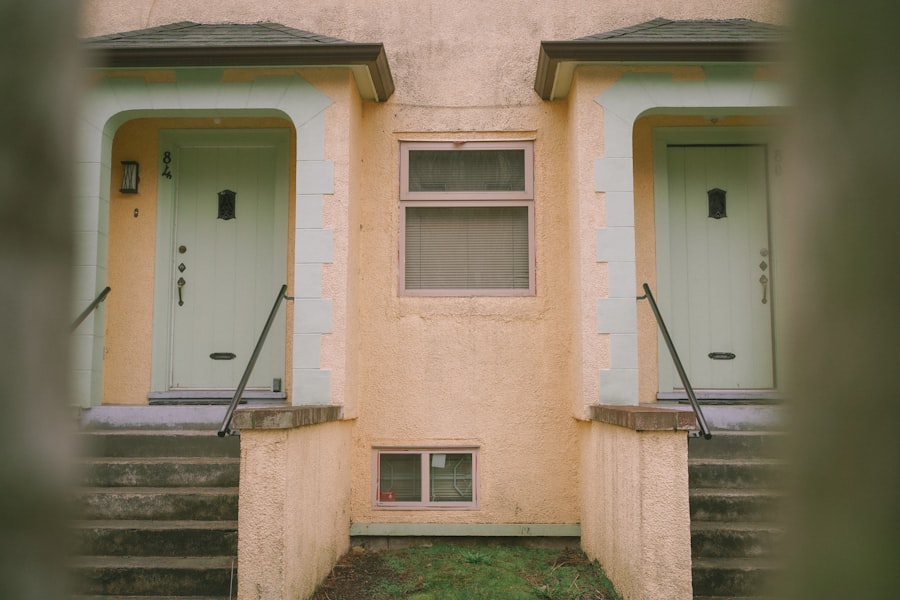
The affordable housing crisis is not a natural disaster; it is the result of complex policy and planning failures that have accumulated over decades. You are grappling with the consequences of decisions, and inactions, that have shaped your present reality.
Restrictive Zoning and Land Use Regulations: Erecting Barriers
Many of your communities have zoning ordinances that severely restrict the types and density of housing that can be built. These regulations often favor single-family homes and limit the development of multi-family dwellings, accessory dwelling units (ADUs), and mixed-use developments. This artificial scarcity of buildable land drives up prices.
The “Not In My Backyard” (NIMBY) Phenomenon: A Collective Obstacle
The “Not In My Backyard” (NIMBY) sentiment, where residents oppose the development of affordable housing in their neighborhoods, is a powerful force perpetuating this crisis. Concerns about property values, traffic, and character can lead to successful campaigns to block much-needed housing projects, even when they are designed to be harmonious with existing neighborhoods.
The Legacy of Exclusionary Zoning: Historical Inequities Persist
Many of these zoning regulations have historical roots, often designed to maintain racial and socioeconomic segregation. The legacy of these exclusionary practices continues to limit housing options and perpetuate inequality. You are still living with the consequences of past decisions that were not equitable.
Insufficient Public Investment and Funding: A Scarcity of Resources
There has been a significant decline in public investment in affordable housing programs at the federal, state, and local levels. Federal funding for housing assistance and development has not kept pace with the growing need, leaving a substantial gap that cannot be filled by the private sector alone.
The Diminishing Federal Role: Less Funding, More Need
Over the past several decades, you have seen a shift away from robust federal investment in public housing and housing subsidies. This has placed a greater burden on state and local governments to address the housing crisis, often with limited resources and competing priorities.
The Local Funding Gap: A Patchwork of Efforts
While some local governments have implemented innovative funding mechanisms, such as housing bonds and dedicated tax revenues, these efforts are often insufficient to meet the scale of the problem. The reliance on a patchwork of funding sources creates inconsistency and makes long-term planning difficult.
The Paradox of Pro-Growth Policies: Unintended Consequences
Ironically, some policies aimed at fostering economic growth can inadvertently exacerbate the housing crisis. For example, incentives to attract new businesses and jobs without corresponding investments in housing infrastructure can lead to increased demand for housing without an adequate supply to meet that demand.
The “Build Whatever, Wherever” Temptation: Short-Term Gain, Long-Term Pain
The temptation to fast-track development and remove regulatory hurdles without adequate consideration for housing affordability can lead to quick gains for developers but long-term pain for residents. You might see a boom in luxury apartments while the need for affordable options goes unmet.
The Need for Integrated Planning: Connecting Jobs and Homes
Effective urban planning requires an integrated approach that connects job creation with housing development. This means ensuring that as your economy grows, your housing supply expands in a way that accommodates the needs of all income levels.
The affordable housing crisis continues to be a pressing issue in many urban areas, affecting countless families and individuals who struggle to find suitable living conditions within their budgets. A recent article highlights various innovative solutions being implemented to tackle this challenge, showcasing how communities are coming together to create more accessible housing options. For more insights on this topic, you can read the full article here.
Pathways Forward: Towards a More Secure Future
| Metric | Value | Unit | Notes |
|---|---|---|---|
| Number of Affordable Housing Units Needed | 7.2 | Million | Estimated shortage in the United States (2023) |
| Percentage of Renters Cost-Burdened | 48 | % | Renters spending more than 30% of income on housing |
| Median Rent Increase (Year-over-Year) | 6.8 | % | National average rent increase in 2023 |
| Average Waiting Time for Affordable Housing | 3 | Years | Typical wait time on public housing lists |
| Percentage of Low-Income Households Without Affordable Housing | 40 | % | Households earning less than 50% of area median income |
| Federal Funding for Affordable Housing | 70 | Billion | Annual budget allocation (approximate) |
Addressing the affordable housing crisis requires a multifaceted and sustained approach. There is no single magic bullet, but a combination of innovative policies, increased investment, and a shift in public perception can pave the way towards a more secure future for you and your communities.
Rethinking Zoning and Land Use: Unlocking Potential
You must re-examine and reform your restrictive zoning and land use regulations. This can involve:
Legalizing Diverse Housing Types: Expanding Options
Allowing for a wider range of housing types, such as duplexes, triplexes, townhouses, and accessory dwelling units (ADUs) in areas currently zoned exclusively for single-family homes. This can increase density and provide more diverse and affordable housing options.
Streamlining Permitting Processes: Accelerating Development
Simplifying and expediting the permitting and approval processes for housing developments, particularly those that include affordable housing units. This can reduce development costs and bring much-needed housing to market more quickly.
Encouraging Mixed-Use Development: Creating Vibrant Communities
Promoting mixed-use developments that integrate residential, commercial, and retail spaces. This can create more walkable and vibrant neighborhoods, reduce reliance on cars, and provide housing options close to amenities and jobs.
Increasing Public Investment and Funding: A Recommitment to Prioritizing Housing
You need to see a renewed commitment to public investment in affordable housing. This could include:
Expanding Federal Housing Programs: A National Imperative
Increasing federal funding for affordable housing programs, such as the Housing Choice Voucher Program, the Low-Income Housing Tax Credit (LIHTC), and the National Housing Trust Fund. These programs have a proven track record of creating and preserving affordable housing.
Implementing Local Funding Mechanisms: Community-Driven Solutions
Exploring and implementing innovative local funding mechanisms, such as dedicated affordable housing trust funds, impact fees on new development, and tax increment financing (TIF) districts specifically for affordable housing projects.
Public-Private Partnerships: Collaborative Solutions
Fostering effective public-private partnerships to leverage private capital and expertise for the development and preservation of affordable housing. These partnerships can bring together the strengths of both sectors to address the crisis.
Innovative Housing Solutions: Thinking Outside the Box
Beyond traditional approaches, you should embrace and explore innovative housing solutions:
Exploring Inclusionary Zoning Policies: Mandating Affordability
Implementing or strengthening inclusionary zoning policies that require a certain percentage of affordable units in new market-rate developments. This can ensure that new growth contributes to housing affordability.
Supporting Community Land Trusts: Long-Term Affordability
Promoting and supporting the establishment of community land trusts (CLTs). CLTs separate land ownership from home ownership, creating permanently affordable housing opportunities that are shielded from market speculation.
Leveraging Technology and Modern Construction: Efficiency and Speed
Exploring the use of modular construction, prefabrication, and other innovative building technologies to reduce construction costs and timelines, making housing more affordable to build and therefore more affordable to acquire.
Addressing the Root Causes of Homelessness: A Holistic Approach
Addressing homelessness requires a comprehensive strategy that goes beyond simply providing shelter:
Investing in Supportive Housing: A Stable Foundation
Significantly increasing investment in supportive housing programs that combine affordable housing with wraparound services, such as mental healthcare, substance abuse treatment, and job training. This approach has proven highly effective in helping individuals achieve long-term stability.
Preventing Evictions: Keeping People in Their Homes
Implementing robust eviction prevention programs, including legal aid for tenants, rental assistance for those facing temporary hardship, and mediation services to resolve landlord-tenant disputes. Early intervention can prevent people from losing their homes.
Addressing Mental Health and Addiction: Treating the Whole Person
Recognizing that mental health and addiction issues are often significant contributors to homelessness and ensuring access to comprehensive treatment and support services.
The affordable housing crisis is a complex challenge, but it is not insurmountable. By understanding its multifaceted nature, acknowledging the human cost, and embracing a commitment to collaborative, innovative, and sustained action, you can begin to build a future where a safe and affordable home is not a luxury, but a fundamental right for all. You have the capacity to weather this storm, but it requires concerted effort and a shared vision of a more equitable and secure future.
FAQs
What is the affordable housing crisis?
The affordable housing crisis refers to the widespread shortage of housing options that are affordable to low- and moderate-income individuals and families. This shortage leads to increased housing costs, overcrowding, and homelessness in many communities.
What causes the affordable housing crisis?
Key causes include rising construction costs, limited land availability, zoning restrictions, stagnant wages, and increased demand for housing in urban areas. These factors contribute to a gap between housing supply and demand, driving up prices.
Who is most affected by the affordable housing crisis?
Low-income households, seniors on fixed incomes, people with disabilities, and essential workers are among the most affected groups. These populations often spend a disproportionate share of their income on housing or face housing instability.
What are the consequences of the affordable housing crisis?
Consequences include increased homelessness, overcrowded living conditions, longer commutes due to living farther from work, and negative impacts on health and education outcomes. It can also hinder economic growth and community development.
What solutions are being proposed to address the affordable housing crisis?
Solutions include increasing funding for affordable housing development, revising zoning laws to allow for more diverse housing types, offering rental assistance programs, incentivizing private sector involvement, and preserving existing affordable housing stock.