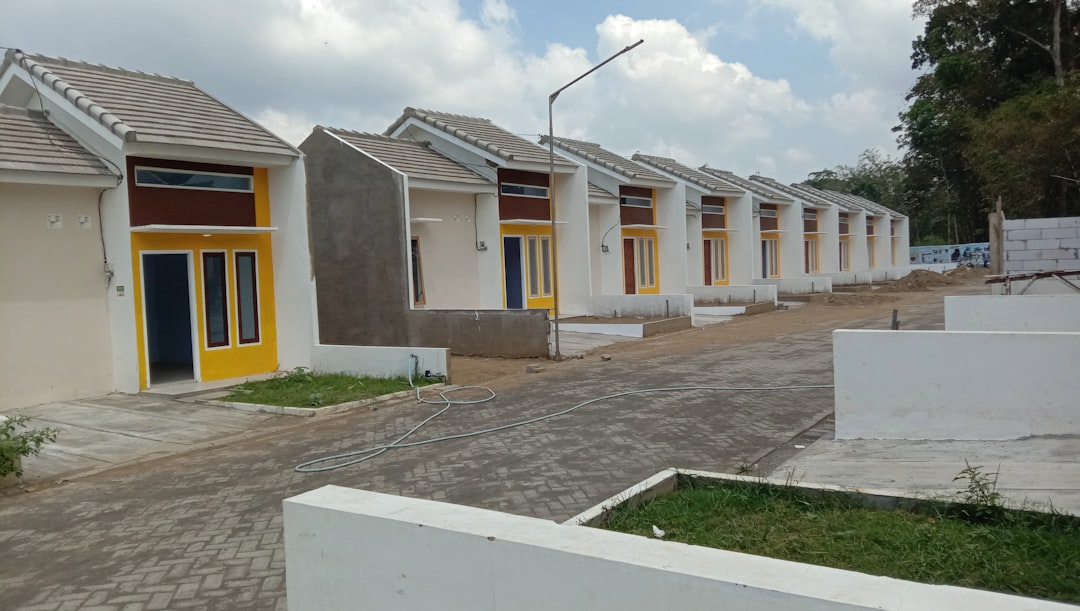
You stand at a crossroads in America, a nation defined by its aspirations of prosperity and opportunity. Yet, for many, the very foundation of that aspiration—a stable, affordable home—remains an elusive dream. This isn’t just about shelter; it’s about the bedrock of a thriving society, the cornerstone upon which education, health, and economic stability are built. As you delve into the complexities of affordable housing, you’ll uncover not merely a challenge, but a profound opportunity to reshape America’s future.
Before you can tackle a problem, you must first understand its dimensions. The affordable housing crisis isn’t a nebulous concept; it’s a stark reality impacting a growing segment of the American population. You might think of it as a widening chasm between what people earn and what they need to pay for a safe, decent place to live.
The Federal Standard: 30% of Income
The commonly accepted benchmark for housing affordability, as defined by the U.S. government, states that you should spend no more than 30% of your gross household income on housing costs, including utilities. When you cross this threshold, you are considered “housing burdened.” If you’re spending more than 50%, you’re “severely housing burdened,” a precarious position indeed.
Beyond the Numbers: The Human Cost
While the percentages are critical, they only tell part of the story. You see the human cost in the choices families are forced to make: skipping doctor’s appointments, delaying essential car repairs, and compromising on nutritious food simply to keep a roof over their heads. For you, the reader, this isn’t just data; it’s a vivid illustration of the daily struggles faced by millions.
The Myth of “Entry-Level” Housing
You might recall a time when a starter home was within reach for many young professionals and working-class families. Today, that concept largely exists in a bygone era. The unavailability of truly affordable entry-level housing pushes many into the rental market, which itself is experiencing unprecedented price surges. This scarcity acts as a bottleneck, hindering upward mobility.
As the conversation around the future of affordable housing in America continues to evolve, it is essential to explore various perspectives and solutions. A related article that delves into innovative strategies and potential policy changes can be found at How Wealth Grows. This resource offers insights into the challenges and opportunities that lie ahead in making housing accessible for all, highlighting the importance of community involvement and sustainable development.
A Multifaceted Problem: Unpacking the Roots of Unaffordability
The crisis didn’t emerge overnight; it’s the culmination of decades of policy decisions, economic shifts, and societal trends. To effectively address it, you must understand its intricate underlying causes. Think of it as a complex tapestry, with each thread contributing to the overall pattern of unaffordability.
Supply and Demand Imbalance: A Fundamental Disparity
At its core, the crisis is a classic case of supply and demand. For years, the construction of new housing units has lagged significantly behind population growth and household formation. This deficit, particularly for lower and middle-income housing, creates a competitive market where prices are continually driven upward.
Zoning Regulations and Land Use Policies: The Gatekeepers of Density
You might not immediately consider zoning, but it plays a profound role. Restrictive zoning regulations, often designed to preserve neighborhood character or property values, frequently limit housing density. Large minimum lot sizes, prohibitions on multi-family dwellings, and lengthy approval processes stifle the construction of more affordable options. These regulations act as invisible walls, preventing the natural expansion of housing that could alleviate pricing pressure.
The Rising Cost of Construction: Materials, Labor, and Land
Building homes is becoming increasingly expensive. You’ve seen the price of raw materials fluctuate, but beyond that, a shortage of skilled labor drives up construction costs. Add to this the ever-increasing price of developable land, particularly in desirable urban and suburban areas, and you have a potent cocktail that makes building affordable housing a financially challenging endeavor for developers.
Gentrification and Displacement: The Shadow Side of Urban Renewal
You’ve probably witnessed it: vibrant, working-class neighborhoods experiencing a surge in private investment, leading to new businesses, amenities, and, crucially, skyrocketing rents and property values. While urban renewal can bring benefits, it often comes at a cost, displacing long-time residents who can no longer afford to live in their transformed communities. This phenomenon creates a paradox where progress for some means displacement for others.
Wage Stagnation: The Earning Power Deficit
While housing costs have soared, wages for many American workers have remained relatively stagnant for decades, especially when adjusted for inflation. This disparity means that even if housing prices were to stabilize, many individuals and families would still struggle to afford basic shelter, creating a perpetual treadmill of financial insecurity.
Innovative Solutions: Forging a Path Towards Affordability

The challenges are formidable, but so too are the opportunities for innovation. You are not without recourse. A multitude of strategies, both novel and time-tested, hold the potential to bridge the affordability gap and build a more equitable future. Consider these solutions as different tools in your toolkit, each designed to address a specific facet of the problem.
Expanding and Streamlining Public Housing Programs: Reinvesting in the Social Safety Net
For decades, public housing programs have served as a critical safety net for the most vulnerable. However, you know these programs have often been underfunded and stigmatized. Reinvigorating and expanding them, while also striving for more efficient administration, is paramount.
Modernizing Rental Assistance Programs (e.g., Section 8)
The Section 8 Housing Choice Voucher program, for instance, allows low-income families to find housing in the private market. However, its reach is often limited by funding. Expanding the number of available vouchers and simplifying the application process can significantly increase access to stable housing for those who need it most.
Public-Private Partnerships for Development
When government funds partner with private developers, the capital injection can facilitate the construction of affordable units that would otherwise be financially unfeasible. These collaborations can mitigate risk for developers and ensure that public subsidies are directed towards tangible housing outcomes.
Reforming Zoning and Land Use Regulations: Building an Inclusive Footprint
Addressing the structural barriers imposed by outdated zoning laws is crucial. You must actively advocate for policies that promote density and diverse housing types. Think of it as opening the floodgates to new possibilities.
Upzoning and Eliminating Single-Family Only Zones
Many cities are predominantly zoned for single-family homes, effectively excluding apartments, duplexes, and other more affordable housing options. “Upzoning,” or allowing for greater density, and eliminating these restrictive zones can unlock significant potential for new construction.
Promoting Mixed-Use Development
Encouraging developments that combine residential, commercial, and retail spaces not only fosters vibrant, walkable communities but also allows for a greater variety of housing types, including affordable units, to be integrated into the urban fabric.
Streamlining Permit Processes and Reducing Bureaucracy
The labyrinthine process of obtaining building permits often adds significant time and cost to housing projects. Simplifying these processes, while maintaining necessary safety and environmental standards, can accelerate construction and reduce overall expenses.
Leveraging Financial Tools and Incentives: Making Affordability a Smart Investment
The financial landscape offers numerous opportunities to incentivize the creation and preservation of affordable housing. You must identify and implement policies that make affordable housing a compelling proposition for developers and investors.
Low-Income Housing Tax Credits (LIHTC)
The LIHTC program is a highly effective tool for subsidizing the construction and rehabilitation of affordable rental housing. Expanding this program and making it more accessible to a wider range of developers can significantly boost affordable housing stock.
Inclusionary Zoning Ordinances
These policies require developers to set aside a certain percentage of units in new developments as affordable for lower and middle-income households. While sometimes met with resistance, they ensure that new growth contributes to, rather than detracts from, housing affordability.
Community Land Trusts (CLTs)
CLTs are non-profit organizations that acquire and hold land in trust, removing the land cost from the equation for homeowners. This allows for perpetually affordable homeownership opportunities, where the focus is on providing stable housing rather than speculative profit.
Alternative Housing Models and Innovative Construction: Thinking Outside the Traditional Box
The traditional construction model often struggles to meet the demands of affordability. You must embrace new technologies and approaches to housing that challenge conventional norms.
Modular and Prefabricated Construction
Building homes in a factory setting can significantly reduce construction time and costs, as well as waste. These methods offer a scalable solution for rapidly increasing housing supply.
Micro-Units and Co-Living Spaces
For individuals and small households, smaller, efficiently designed living spaces can be a game-changer for affordability, especially in expensive urban centers. Co-living models also offer shared amenities and a sense of community, appealing to specific demographics.
Adaptive Reuse of Existing Structures
You might see an old factory or a vacant office building; an innovative developer sees potential affordable housing. Converting existing commercial or industrial buildings into residential units can be a cost-effective way to add housing stock while preserving architectural heritage.
The Broader Impact: Why Affordable Housing Matters to Everyone

The affordable housing crisis isn’t confined to those directly experiencing housing insecurity; its ripple effects touch every facet of society. As you consider the implications, you’ll recognize that investing in affordable housing is an investment in the collective well-being of the nation.
Economic Growth and Stability: A Foundation for Prosperity
When individuals and families have stable, affordable housing, they are more likely to thrive economically. You see reduced rates of poverty, increased work productivity due to less stress and fewer commutes, and more disposable income to put back into the local economy. Affordable housing is an economic engine, not just a social expenditure.
Reduced Healthcare Costs
Housing insecurity is inextricably linked to poor health outcomes. Individuals experiencing homelessness or living in substandard housing face higher rates of chronic illness, mental health issues, and emergency room visits. Providing stable housing leads to improved public health and, consequently, lower healthcare expenditures for the entire system.
Enhanced Educational Outcomes
Children who experience housing instability are more likely to struggle in school, change schools frequently, and face higher rates of absenteeism. A stable home environment provides the foundation for academic success, allowing children to focus on learning rather than worrying about where they will sleep tonight.
Environmental Sustainability: Building Greener Communities
The push for affordable housing can also align with environmental goals. You can achieve greater sustainability through conscious planning and construction.
Reduced Urban Sprawl and Commute Times
By building more affordable housing closer to employment centers and public transit, you reduce the need for long, car-dependent commutes. This means fewer greenhouse gas emissions and less pressure on natural landscapes.
Energy-Efficient Construction and Renovation
New affordable housing developments can incorporate green building practices and energy-efficient designs from the outset. Similarly, older affordable housing units can be retrofitted to improve energy performance, reducing utility costs for residents and their carbon footprint.
Social Equity and Justice: Bridging Divides
The struggle for affordable housing is intrinsically linked to issues of social justice and equity. You understand that systemic inequalities often place marginalized communities at a greater disadvantage in the housing market.
Addressing Historic Disparities
Redlining and other discriminatory housing practices of the past have created lasting spatial inequality. Investing in affordable housing can be a powerful tool to redress these historical injustices and build more inclusive communities.
Fostering Diverse and Inclusive Communities
When people of all income levels can afford to live in a community, it becomes richer, more diverse, and more resilient. Affordable housing helps cultivate neighborhoods where different perspectives and experiences can flourish, preventing the creation of segregated economic enclaves.
As the conversation around the future of affordable housing in America continues to evolve, many experts are exploring innovative solutions to address the growing crisis. A recent article discusses various strategies that could reshape the landscape of housing accessibility, highlighting the importance of community involvement and sustainable development. For more insights on this topic, you can read the full article on how wealth grows by following this link.
Your Role in Shaping America’s Affordable Housing Future
| Metric | Current Value (2024) | Projected Value (2030) | Notes |
|---|---|---|---|
| Number of Affordable Housing Units | 7 million | 9.5 million | Expected increase due to federal and state investments |
| Percentage of Renters Cost-Burdened | 48% | 40% | Projected decrease with expanded affordable housing supply |
| Average Construction Cost per Unit | 120,000 | 135,000 | Costs rising due to materials and labor shortages |
| Federal Funding for Affordable Housing (Annual) | 45 billion | 60 billion | Increased budget allocations anticipated |
| Homeownership Rate Among Low-Income Families | 28% | 35% | Expected improvement with new financing programs |
| Average Wait Time for Affordable Housing | 24 months | 18 months | Reduced wait times due to faster project approvals |
You are not a passive observer in this grand challenge. Your understanding, your voice, and your actions, however small they may seem, contribute to the collective effort. The path forward is not easy, but it is clear.
Advocate for Policy Change: Your Voice Matters
Engage with your local and national representatives. Educate yourself on proposed legislation and make your support for affordable housing initiatives known. Join community groups dedicated to these issues. Your advocacy is a crucial lever for change.
Support Affordable Housing Initiatives: Direct Impact
Support non-profit organizations and developers dedicated to creating and preserving affordable housing. This can be through financial contributions, volunteering your time, or simply spreading awareness about their work.
Challenge Misconceptions and NIMBYism: A Culture Shift
You’ll often encounter resistance to new affordable housing projects, frequently driven by misconceptions or the “Not In My Backyard” (NIMBY) syndrome. Challenge these narratives with facts and emphasize the broad societal benefits of integrated, affordable communities.
Envision a New American Dream: Redefining Success
The American dream has long been synonymous with homeownership. While still a valid aspiration, you must expand this vision to include the fundamental right to safe, stable, and affordable housing for all, regardless of tenure. This redefinition shifts the focus from a purely private asset to a shared societal good.
The future of America hinges on its ability to provide for its citizens. Affordable housing is not merely a social program; it is an economic imperative, an environmental responsibility, and a moral obligation. As you reflect on these intricate layers, you recognize that the challenge of affordable housing is, in essence, the challenge of building a more just, prosperous, and sustainable future for all Americans. The seeds you plant today in the field of affordable housing will yield a harvest of national well-being for generations to come.

WATCH NOW ▶️ SHOCKING: Why Wall Street Is Buying Your Neighborhood
FAQs
What are the current challenges facing affordable housing in America?
The main challenges include rising construction costs, limited availability of land, zoning restrictions, and insufficient funding for affordable housing programs. Additionally, increasing demand and population growth in urban areas contribute to the shortage.
How is technology influencing the future of affordable housing?
Technology is playing a significant role by enabling innovative construction methods such as modular and 3D-printed homes, which can reduce costs and build times. Smart home technologies are also being integrated to improve energy efficiency and reduce utility expenses for residents.
What role do government policies play in affordable housing development?
Government policies are crucial as they provide funding, tax incentives, and regulatory frameworks that encourage the development of affordable housing. Programs like the Low-Income Housing Tax Credit (LIHTC) and inclusionary zoning laws help increase the supply of affordable units.
Are there any emerging trends in affordable housing design?
Yes, emerging trends include mixed-use developments that combine residential, commercial, and community spaces, as well as sustainable and energy-efficient building designs. There is also a focus on creating inclusive communities that support diverse populations.
How can communities support the growth of affordable housing?
Communities can support affordable housing by advocating for inclusive zoning policies, participating in local planning processes, and partnering with developers and nonprofits. Public awareness and support can help reduce stigma and promote equitable housing solutions.