
You’re probably reading this because you’re navigating the intricate landscape of healthcare costs, specifically when it comes to maintaining your family’s dental well-being. The sticker shock associated with dental procedures can be a daunting prospect, and for many, insurance coverage offers a lifeline, albeit one that often comes with deductibles, co-pays, and a maze of pre-authorization requirements. This is where the concept of affordable family dentistry, particularly through membership models, emerges as a beacon of clarity and potential financial relief. You’re seeking a straightforward path to consistent, quality dental care without the specter of unpredictable expenses perpetually hanging over your head. This exploration dives into the pragmatic realities of these membership plans, demystifying their structures and helping you assess their suitability for your unique family needs.
Before you can confidently explore the specifics of family dental membership programs, it’s crucial to grasp the fundamental reasons behind their proliferation. These models are not simply a new marketing gimmick; they are a direct response to the evolving dynamics of both patient access and dental practice economics. Think of it as a shift from a transactional relationship – where each visit is a separate financial event – to a more integrated, subscription-based approach.
The Limitations of Traditional Dental Insurance
Traditional dental insurance, while a familiar concept, often falls short of providing comprehensive and predictable coverage for families. You’ve likely experienced this firsthand. It can be a complex puzzle with missing pieces, leaving you to fill in the gaps with significant out-of-pocket expenses.
Navigating Deductibles and Co-pays
Deductibles are the initial financial hurdle you must clear before your insurance “kicks in.” For families, especially those with multiple members requiring regular check-ups or unexpected treatments, these cumulative deductibles can quickly escalate. Co-pays, the fixed amount you pay for each service, also add up over time, turning routine visits into a series of small, recurring payments that can be difficult to budget for.
Annual Maximums and Benefit Restrictions
Many dental insurance plans impose annual maximums, a ceiling on the total amount the insurer will pay for your dental care in a given year. Once you reach this limit, any further treatment, even essential procedures, becomes entirely your responsibility. Furthermore, you might discover that certain advanced treatments or specialized procedures are not covered or subject to stringent limitations, forcing difficult choices between necessary care and financial feasibility.
The Modern Dental Practice’s Perspective
Dental practices, like any business, operate within economic realities. They face overhead costs, the need for advanced equipment, and the imperative of fair compensation for skilled professionals. Membership models offer them a way to streamline their operations and foster a more consistent revenue stream.
Consistent Revenue Streams for Practices
For a dental practice, the unpredictability of patient flow and payment can be a challenge. Membership plans provide a more predictable monthly or annual income. This stability allows practices to invest in new technology, continuing education for their staff, and maintain a robust operational framework, ultimately benefiting the patients with better facilities and services.
Encouraging Preventative Care
One of the primary aims of these models is to incentivize preventative dental care. When routine check-ups and cleanings are more accessible financially, patients are more likely to attend them. This proactive approach can identify potential issues early, preventing more complex and expensive problems down the line, which is a win-win for both the patient and the practice.
Building Stronger Patient Relationships
Membership models can foster a deeper connection between dental practices and their patients. By offering a continuous relationship built on consistent care and predictable costs, practices can cultivate loyalty and trust. This moves beyond a purely transactional exchange to a partnership focused on long-term oral health.
Membership dentistry models for families are gaining popularity as a cost-effective alternative to traditional dental insurance. These models often provide families with access to essential dental services for a flat annual fee, making it easier to budget for oral health care. For more insights on how these membership programs can benefit families, you can read a related article at How Wealth Grows. This resource explores various aspects of membership dentistry and its potential to enhance family dental care.
Decoding the Membership Models: Types and Features
Now that you understand the “why,” let’s delve into the “how.” Dental membership plans come in various configurations, each with its own set of features and benefits. It’s akin to choosing the right subscription service for your family’s entertainment needs – the core offering is similar, but the package details can vary significantly.
In-House Discount Plans
These are often the most straightforward and accessible type of membership. Many dental practices offer their own branded discount plans directly to their patients. They are not insurance in the traditional sense but rather a way for the practice to offer reduced prices on services for a recurring fee.
Annual or Monthly Fees
Typically, you’ll pay an annual or monthly fee to join the practice’s discount plan. This fee often covers a set number of preventative services, such as annual exams and cleanings, at no additional charge or at a significantly reduced co-pay.
Percentage Discounts on Additional Services
Beyond the included preventative care, members usually receive a percentage discount on a wide range of other dental treatments. This can apply to everything from fillings and extractions to more complex procedures like crowns and root canals. The discount percentage can vary, so it’s important to inquire about the specifics.
What’s Typically Included?
A common package for in-house discount plans includes:
- Two annual preventive exams
- Two annual cleanings (prophylaxis)
- Annual dental X-rays (often a full mouth series or bitewings)
- Discounts on restorative procedures (fillings, crowns, bridges)
- Discounts on cosmetic procedures (whitening, veneers)
- Discounts on orthodontic treatments (in some cases)
Limitations to Consider
While attractive, these plans have limitations. They are not insurance and do not provide coverage for pre-existing conditions in the same way insurance might. There are usually no out-of-network benefits, meaning you must use the services of the specific dental practice offering the plan.
Dental Savings Organizations (DSOs) and Networks
These are larger entities that contract with a network of dentists to offer discounted services to their members. Think of them as a curated marketplace of dental providers who have agreed to offer reduced rates in exchange for access to a wider patient base.
Membership Fees and Network Access
You pay a membership fee to the DSO, which then grants you access to their network of participating dentists. This can be beneficial if you have multiple dental providers in your area or if you prefer to have a choice of where you receive care.
Discounted Fee Schedules
Participating dentists agree to a pre-negotiated fee schedule for various services. When you visit a DSO network dentist, you will receive these discounted rates on your treatment. The discounts can often be quite substantial, sometimes exceeding those offered by individual in-house plans.
Broader Network and Choice
A key advantage of DSOs is the potential for a larger network of dentists. This offers greater flexibility, especially if you travel frequently or have family members who live in different areas. You’re not tied to a single practice.
Potential for Administrative Layers
However, DSOs can sometimes introduce additional administrative layers. You might need to verify if your preferred dentist is still in the network or understand the specific billing procedures with the organization.
Assessing Your Family’s Needs: A Practical Approach

Choosing a dental membership model requires a thoughtful assessment of your family’s unique circumstances. There’s no one-size-fits-all solution; the best plan is the one that aligns with your budget, your current and anticipated dental needs, and your preferences for accessing care.
Evaluating Your Family’s Dental History
Your past dental experiences are a valuable predictor of future needs. If your family members are generally in good oral health with few issues, a plan focused on preventative care might be ideal. If you have a history of cavities, gum disease, or require more complex treatments, you’ll want a plan that offers significant discounts on a wider range of procedures.
Frequency of Dental Visits
Consider how often your family typically visits the dentist. If you’re diligent about bi-annual check-ups and cleanings, a plan that covers these services generously will offer immediate value. If your visits are less frequent or primarily for specific issues, the savings might be more apparent on restorative work.
Common Dental Issues within the Family
Are you dealing with tendencies toward cavities? Is gum health a concern for any family members? Does anyone require orthodontics or has a history of needing root canals? Understanding these patterns will help you identify which types of discounted services are most critical for your family.
Understanding the Cost-Benefit Analysis
The allure of saving money is strong, but a true cost-benefit analysis is essential. This involves dissecting the fees, the discounts offered, and comparing them to your projected out-of-pocket expenses under traditional insurance or paying à la carte.
Calculating Annual Costs
To perform this analysis, you’ll need to estimate your family’s potential dental expenses for a year. This includes:
- Membership fees (annual or monthly)
- Estimated costs for routine check-ups and cleanings (if not fully covered)
- Projected costs for any anticipated dental work (fillings, crowns, etc.), factoring in the membership discounts.
Comparing Projected Savings
Once you have your projected annual costs under the membership plan, compare this to:
- Your current dental insurance premiums, deductibles, and co-pays.
- The estimated costs of the same services if you were to pay out-of-pocket without any plan.
The goal is to identify the scenario that offers the most significant overall savings while ensuring access to necessary care.
Navigating the Fine Print: Key Clauses to Examine
Every contract, and a dental membership plan is effectively a contract, has details that can significantly impact its value. You must become an informed consumer by scrutinizing these.
Exclusions and Limitations
Pay close attention to what is not covered or what limitations apply. Some plans might exclude cosmetic procedures, orthodontics, or certain types of advanced treatments. Understanding these exclusions is crucial to avoid unexpected costs.
Waiting Periods and Pre-existing Conditions
Some plans might have waiting periods before certain benefits become available, or they may have specific clauses regarding pre-existing conditions that could affect your coverage for ongoing treatments.
Renewal Policies and Price Adjustments
Understand how the plan renews and whether there’s a possibility of price increases upon renewal. Some plans auto-renew, so be aware of this and ensure you are still satisfied with the offering before the renewal date.
The Benefits of Proactive Dental Care Through Membership
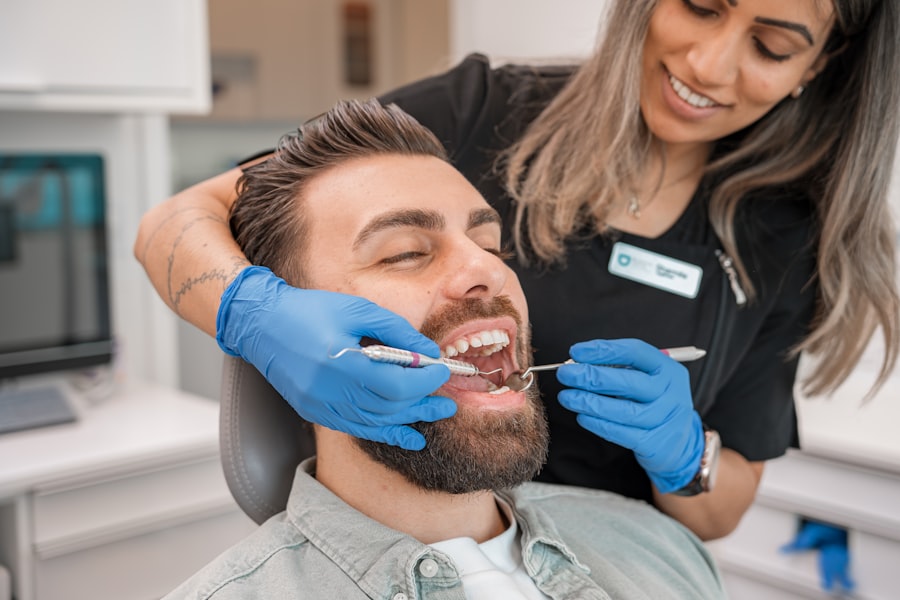
One of the most compelling advantages of dental membership plans is their inherent encouragement of preventative care. By making routine dental hygiene more affordable and accessible, these plans can transform your family’s approach to oral health.
Early Detection and Prevention
Regular dental check-ups are the bedrock of good oral health. They provide opportunities for dentists to identify potential problems in their nascent stages, when they are often simpler and less expensive to treat.
Catching Cavities and Gum Disease Early
Your dentist can spot early signs of cavities before they become painful or require extensive fillings. Similarly, early indicators of gum disease can be addressed with professional cleanings and advice, preventing more serious periodontal issues that can lead to tooth loss.
Oral Cancer Screenings
Routine dental visits often include oral cancer screenings, a critical component of overall health that can save lives through early detection. Membership plans make these essential screenings more readily available.
Reduced Risk of Costly Future Treatments
The financial forecast of dental care can be daunting when issues escalate. By investing in regular preventative care through a membership plan, you can significantly reduce the likelihood of needing expensive emergency procedures or complex restorative work.
Fewer Root Canals and Extractions
Proactive management of tooth decay and infections can often avert the need for uncomfortable and costly root canal treatments or, in the worst-case scenario, extractions.
Maintaining Natural Teeth Longer
The primary goal of good dental hygiene and regular professional care is to preserve your natural teeth for as long as possible. Membership plans can be a powerful tool in achieving this long-term objective.
Membership dentistry models for families are gaining popularity as they offer affordable and accessible dental care without the complexities of traditional insurance. These models often provide a range of services for a flat annual fee, making it easier for families to budget for their dental needs. For more insights on how these innovative approaches can benefit families, you can read a related article that discusses the financial advantages of membership models in healthcare at How Wealth Grows. This resource highlights the growing trend and its implications for family health and wellness.
Making the Informed Decision: Your Family’s Dental Future
| Membership Model | Monthly Fee | Services Included | Family Discount | Additional Benefits | Typical Patient Savings |
|---|---|---|---|---|---|
| Basic Family Plan | 50 | 2 Cleanings, 2 Exams, X-Rays | 10% off for 3+ members | Emergency Visits Included | 20-30% on routine care |
| Comprehensive Family Plan | 80 | All Basic + Fillings, Whitening | 15% off for 4+ members | Discount on Orthodontics | 30-40% on total dental care |
| Premium Family Plan | 120 | All Comprehensive + Crowns, Implants | 20% off for 5+ members | Priority Scheduling, Free Consults | 40-50% on major procedures |
| Children’s Focused Plan | 30 | 2 Cleanings, Fluoride, Sealants | 5% off for siblings | Educational Materials Included | 25-35% on pediatric care |
Ultimately, the decision to adopt a dental membership model rests on your shoulders. It is about empowering yourself with knowledge and making a choice that best serves your family’s health and financial well-being.
Consultation with Your Dentist
Before committing to any plan, especially an in-house discount plan, have an open and honest conversation with your dentist. Discuss your family’s dental history, your current concerns, and what you are looking for in a dental care provider and financial arrangement.
Inquiring About Available Plans
Ask your dentist directly if they offer any membership or discount plans. Understand the specifics of their offerings, including what services are included, the cost, and any limitations.
Discussing Future Treatment Needs
If your family has known or anticipated future dental needs, discuss how the membership plan might impact the cost of those specific treatments.
Researching Dental Savings Organizations
If you are considering a DSO, dedicate time to researching different organizations. Look for reputable companies with a wide network of dentists in your area, clear benefit structures, and positive customer reviews.
Verifying Network Providers
Ensure that the DSO has a sufficient number of dentists in your geographic area who accept the plan, particularly if you value having a choice of providers.
Understanding Customer Service and Claims Processing
Investigate the DSO’s customer service reputation and how they handle any inquiries or issues that may arise with billing or services.
Considering the Long-Term Investment in Health
View dental membership plans not just as a cost-saving measure but as an investment in your family’s long-term oral and overall health. Consistent, affordable access to quality dental care can pay dividends for years to come, impacting not only your smiles but also your general well-being and confidence. By taking a structured, informed approach, you can navigate the options and find a solution that aligns with your family’s unique needs, ensuring bright and healthy smiles for the future.
FAQs
What is a membership dentistry model?
A membership dentistry model is a dental care plan where patients pay a recurring fee, usually monthly or annually, to receive a range of dental services. This model often includes preventive care, routine check-ups, and discounts on other treatments, providing an alternative to traditional dental insurance.
How do membership dentistry models benefit families?
Membership dentistry models benefit families by offering predictable dental care costs, encouraging regular visits, and often including comprehensive services for all family members. This can lead to better oral health outcomes and cost savings compared to paying out-of-pocket for each visit or procedure.
Are membership dentistry plans suitable for all family sizes?
Yes, many membership dentistry plans are designed to accommodate families of various sizes. They often provide tiered pricing or discounts based on the number of family members enrolled, making it flexible and affordable for both small and large families.
What types of dental services are typically included in membership plans for families?
Typical services included in family membership dentistry plans are routine exams, cleanings, X-rays, and sometimes basic restorative treatments like fillings. Some plans may also offer discounts on more advanced procedures such as orthodontics, crowns, or cosmetic dentistry.
How do membership dentistry models compare to traditional dental insurance?
Membership dentistry models differ from traditional dental insurance by eliminating deductibles, co-pays, and claim forms. They usually have no waiting periods and provide immediate access to care. However, they may not cover extensive or emergency procedures as comprehensively as insurance plans.