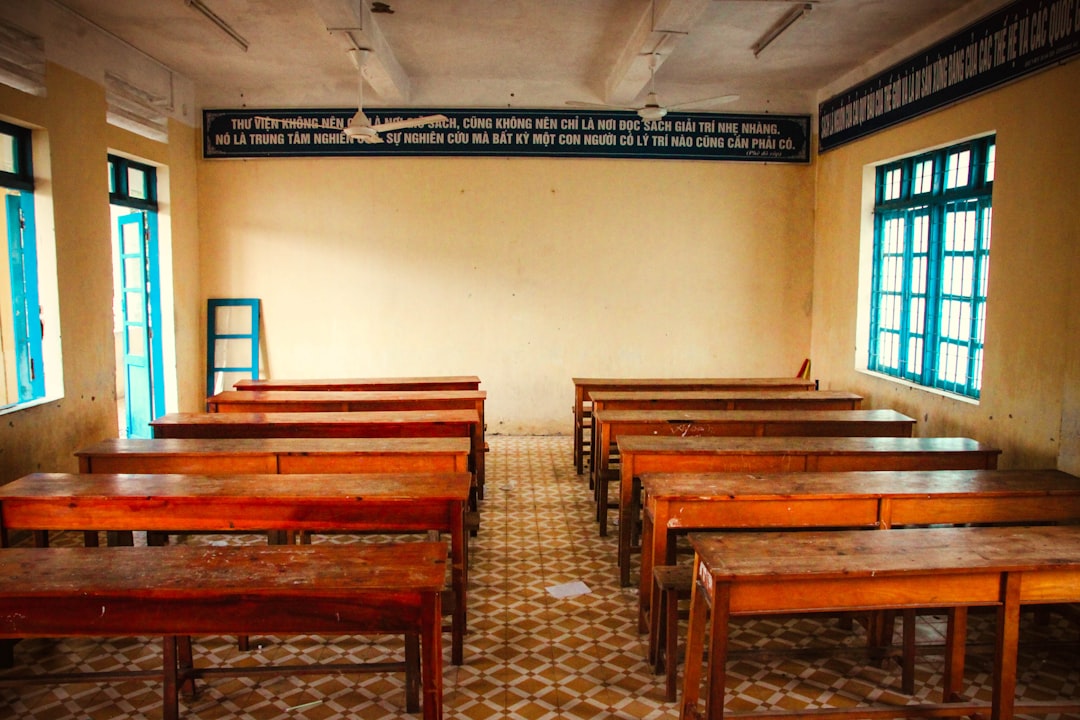
Education funding inequality has a profound impact on students, shaping their academic experiences and future opportunities. When schools are underfunded, students often find themselves in environments that lack essential resources, such as updated textbooks, technology, and extracurricular programs. This disparity can lead to a diminished quality of education, where students are unable to engage fully with the curriculum or receive the support they need to thrive.
Students in well-funded schools often have access to advanced placement courses, specialized programs, and experienced teachers, while their counterparts in underfunded institutions struggle to meet basic educational standards. Moreover, the emotional and psychological toll of attending an underfunded school cannot be overlooked. Students may feel demoralized when they see their peers in better-funded districts enjoying superior facilities and opportunities.
This sense of inequity can lead to lower self-esteem and diminished motivation to excel academically. Access to resources and support systems significantly influences a student’s ability to succeed. The stark contrast between well-funded and underfunded schools creates a cycle of disadvantage that can persist for generations, ultimately affecting not just individual students but entire communities.
Key Takeaways
- Education funding inequality significantly hinders student achievement and opportunities.
- Socioeconomic status heavily influences disparities in school funding and resources.
- Underfunded schools face shortages in materials, experienced teachers, and extracurricular programs.
- Long-term community development suffers due to persistent education funding gaps.
- Effective solutions require transparent policies, local advocacy, and equitable resource distribution.
The Role of Socioeconomic Status in Education Funding Inequality
Socioeconomic status plays a critical role in perpetuating education funding inequality. Schools in affluent areas often benefit from higher property taxes, which directly contribute to their funding. In contrast, schools located in low-income neighborhoods frequently struggle to secure adequate financial resources.
This disparity is not merely a matter of luck; it reflects systemic issues that prioritize wealth over need. As you consider the implications of this funding model, it becomes clear that students from lower socioeconomic backgrounds are disproportionately affected by these inequities. The consequences of this funding structure extend beyond the classroom.
Students from low-income families may face additional challenges, such as food insecurity and lack of access to healthcare, which can hinder their academic performance. You might find it alarming that these students often attend schools that cannot provide the same level of support as those in wealthier districts. This creates a vicious cycle where socioeconomic status directly influences educational outcomes, further entrenching social inequalities.
Understanding this relationship is crucial for addressing the root causes of education funding inequality and advocating for more equitable solutions.
Disparities in Resources and Opportunities in Underfunded Schools

In underfunded schools, disparities in resources and opportunities are glaringly evident. You may have heard stories about classrooms lacking basic supplies or technology that is outdated and ineffective. These conditions not only hinder learning but also limit teachers’ ability to deliver engaging and effective instruction.
When you walk into a well-resourced school, you might notice vibrant classrooms filled with modern technology, art supplies, and a variety of learning materials that cater to diverse learning styles. In contrast, underfunded schools often struggle to provide even the most basic educational tools. Extracurricular activities, which play a vital role in student development, are also significantly impacted by funding disparities.
You may recall how participation in sports, music, or clubs can enhance a student’s social skills and foster a sense of belonging. However, underfunded schools frequently lack the financial means to offer these programs, leaving students with fewer opportunities to explore their interests and talents. This lack of access not only affects individual students but also stifles the overall growth of the school community.
As you consider the importance of a well-rounded education, it becomes evident that equitable access to resources is essential for fostering student success.
The Long-Term Effects of Education Funding Inequality on Communities
The long-term effects of education funding inequality extend far beyond individual students; they ripple through entire communities. When schools are underfunded, the consequences can lead to a cycle of poverty that is difficult to break. You may recognize that education is often seen as a pathway to upward mobility, yet when students do not receive a quality education, their chances of securing stable employment diminish significantly.
This can result in higher rates of unemployment and lower income levels within communities that are already struggling economically.
Communities with poorly funded schools often experience higher levels of disenfranchisement and hopelessness among residents.
As you think about the broader implications of education funding inequality, consider how investing in education can lead to stronger communities with lower crime rates and improved quality of life. By addressing these disparities, you can help create an environment where all individuals have the opportunity to succeed and contribute positively to society.
Strategies for Addressing Education Funding Inequality at the Local Level
| Metric | Description | Example Data | Source |
|---|---|---|---|
| Per Student Funding | Average amount of funding allocated per student in public schools | High-income districts: 15,000 Low-income districts: 9,000 |
National Center for Education Statistics (NCES) |
| Funding Gap | Difference in per student funding between wealthy and poor districts | 6,000 | EdBuild Report 2023 |
| Percentage of Schools Underfunded | Share of schools receiving less than adequate funding | 40% | U.S. Department of Education |
| Impact on Graduation Rates | Graduation rate difference between well-funded and underfunded schools | Well-funded: 88% Underfunded: 72% |
Education Policy Institute |
| Teacher-Student Ratio | Average number of students per teacher in different funding contexts | High funding: 15:1 Low funding: 25:1 |
NCES |
Addressing education funding inequality requires concerted efforts at the local level. One effective strategy is to advocate for changes in local tax policies that ensure a more equitable distribution of resources among schools. You might consider engaging with community leaders and school boards to discuss how property taxes can be restructured to benefit all students, regardless of their neighborhood’s wealth.
By fostering dialogue around these issues, you can help raise awareness about the importance of equitable funding and encourage collective action. Another approach is to promote partnerships between schools and local businesses or organizations. You may find that many businesses are willing to invest in their communities by providing financial support or resources for schools in need.
By facilitating these partnerships, you can help bridge the gap between underfunded schools and the resources they require to thrive. Additionally, community members can organize fundraising events or campaigns aimed at supporting local schools directly. These grassroots efforts can make a significant difference in addressing funding disparities and ensuring that all students have access to quality education.
The Importance of Equitable Distribution of Education Funding

Equitable distribution of education funding is essential for creating a fair educational landscape where every student has the opportunity to succeed. You may understand that when funding is allocated based on need rather than wealth, it levels the playing field for all students. This approach recognizes that not all schools start from the same place and that some require additional support to provide a quality education.
By prioritizing equity in funding distribution, you can help ensure that every student has access to the resources they need to thrive academically. Moreover, equitable funding distribution fosters diversity within schools, enriching the educational experience for all students. When schools serve a diverse population, students are exposed to different perspectives and cultures, which enhances their social development and prepares them for an increasingly interconnected world.
As you reflect on your own educational experiences, consider how exposure to diverse viewpoints has shaped your understanding of complex issues. By advocating for equitable funding distribution, you contribute to creating inclusive learning environments that benefit everyone.
The Role of Government Policies in Addressing Education Funding Inequality
Government policies play a crucial role in addressing education funding inequality at both state and federal levels. You may be aware that legislation such as the Every Student Succeeds Act (ESSA) aims to provide more equitable funding for schools across the nation. However, the effectiveness of these policies often depends on how they are implemented at local levels.
It is essential for policymakers to prioritize equity in education funding by ensuring that resources are allocated based on student needs rather than political considerations or historical precedents. Additionally, you might consider advocating for policies that promote transparency in education funding allocation. When communities have access to clear information about how funds are distributed and spent, they can hold school districts accountable for ensuring equitable practices.
By pushing for policies that require regular reporting on funding sources and expenditures, you empower communities to engage actively in discussions about education funding and advocate for necessary changes.
Advocacy and Activism in Addressing Education Funding Inequality
Advocacy and activism are powerful tools for addressing education funding inequality. You may feel inspired by grassroots movements that have successfully mobilized communities around this issue, raising awareness and demanding change from policymakers. Engaging with local organizations or joining coalitions focused on education equity can amplify your voice and help create a collective impact.
By participating in rallies, town hall meetings, or social media campaigns, you can contribute to a larger movement advocating for fairer funding practices. Moreover, storytelling plays a vital role in advocacy efforts. Sharing personal experiences or highlighting the challenges faced by students in underfunded schools can humanize the issue and resonate with others who may not be aware of the disparities present in their communities.
You might consider using your platform—whether through writing, speaking engagements, or social media—to shed light on these injustices and inspire others to take action alongside you.
The Need for Transparency and Accountability in Education Funding
Transparency and accountability are essential components of an equitable education funding system. You may recognize that when funding processes are opaque, it becomes challenging for communities to understand how resources are allocated or advocate effectively for change. By demanding transparency from school districts and government agencies regarding funding sources and expenditures, you empower yourself and others to hold decision-makers accountable for their actions.
Furthermore, accountability measures should be put in place to ensure that funds are used effectively to address disparities in education quality. You might advocate for regular audits or assessments of school performance based on funding levels to identify areas needing improvement or additional support. By fostering a culture of accountability within education systems, you contribute to creating an environment where all students receive the quality education they deserve.
Addressing Systemic Inequities in Education Funding
Addressing systemic inequities in education funding requires a comprehensive approach that tackles the root causes of these disparities. You may find it essential to engage with policymakers at all levels—local, state, and federal—to advocate for reforms that prioritize equity over historical practices rooted in discrimination or bias.
Additionally, community engagement is crucial in this process. You might consider organizing forums or discussions where community members can share their experiences with education funding inequities and brainstorm potential solutions together. By fostering collaboration among various stakeholders—parents, educators, local businesses—you create a united front advocating for systemic change that benefits all students.
The Benefits of Investing in Education Funding Equality
Investing in education funding equality yields numerous benefits not only for individual students but also for society as a whole. When all students have access to quality education regardless of their background or socioeconomic status, it leads to improved academic outcomes and higher graduation rates. You may recognize that an educated population contributes positively to economic growth by providing a skilled workforce capable of meeting the demands of an evolving job market.
Moreover, equitable education funding fosters social cohesion within communities by reducing disparities between different groups. When everyone has access to quality educational opportunities, it helps break down barriers related to race or class while promoting understanding among diverse populations. As you reflect on these benefits, consider how investing in education funding equality ultimately leads to stronger communities where individuals can thrive together—creating a brighter future for all.
Education funding inequality remains a pressing issue in many regions, often exacerbating socioeconomic disparities. A related article that delves into the implications of this inequality can be found at this link. It explores how unequal distribution of resources affects student outcomes and highlights potential solutions to bridge the funding gap.
📌WATCH THIS! They Sold Your School Building—Then Made You Rent It Back
FAQs
What is education funding inequality?
Education funding inequality refers to the uneven distribution of financial resources among schools and districts, often resulting in disparities in the quality of education provided to students based on factors such as geographic location, socioeconomic status, and race.
What causes education funding inequality?
Education funding inequality is primarily caused by differences in local property taxes, state funding formulas, and federal funding allocations. Wealthier areas tend to generate more revenue through property taxes, leading to better-funded schools, while poorer areas receive less funding.
How does education funding inequality affect students?
Students in underfunded schools often face larger class sizes, fewer educational resources, outdated materials, less access to advanced courses, and reduced extracurricular opportunities, which can negatively impact academic achievement and long-term outcomes.
Are there laws addressing education funding inequality?
Yes, many states have laws and court rulings aimed at reducing education funding disparities. The federal government also provides funding through programs like Title I to support schools serving low-income students, but significant inequalities still persist.
What role does the federal government play in education funding?
The federal government provides a smaller portion of overall education funding compared to state and local sources. It targets funds to disadvantaged students and schools through programs such as Title I, IDEA (Individuals with Disabilities Education Act), and grants for specific initiatives.
Can education funding inequality be eliminated?
While completely eliminating education funding inequality is challenging due to systemic factors, many states and districts work to reduce disparities through revised funding formulas, increased state aid, and targeted programs to support underserved schools.
Why is education funding inequality a concern?
Education funding inequality is a concern because it contributes to unequal educational opportunities, perpetuates social and economic disparities, and limits the potential of students from disadvantaged backgrounds to succeed academically and professionally.
How can communities address education funding inequality?
Communities can advocate for fairer funding policies, support local and state education reforms, increase awareness of disparities, and engage in partnerships to provide additional resources and opportunities for underfunded schools.