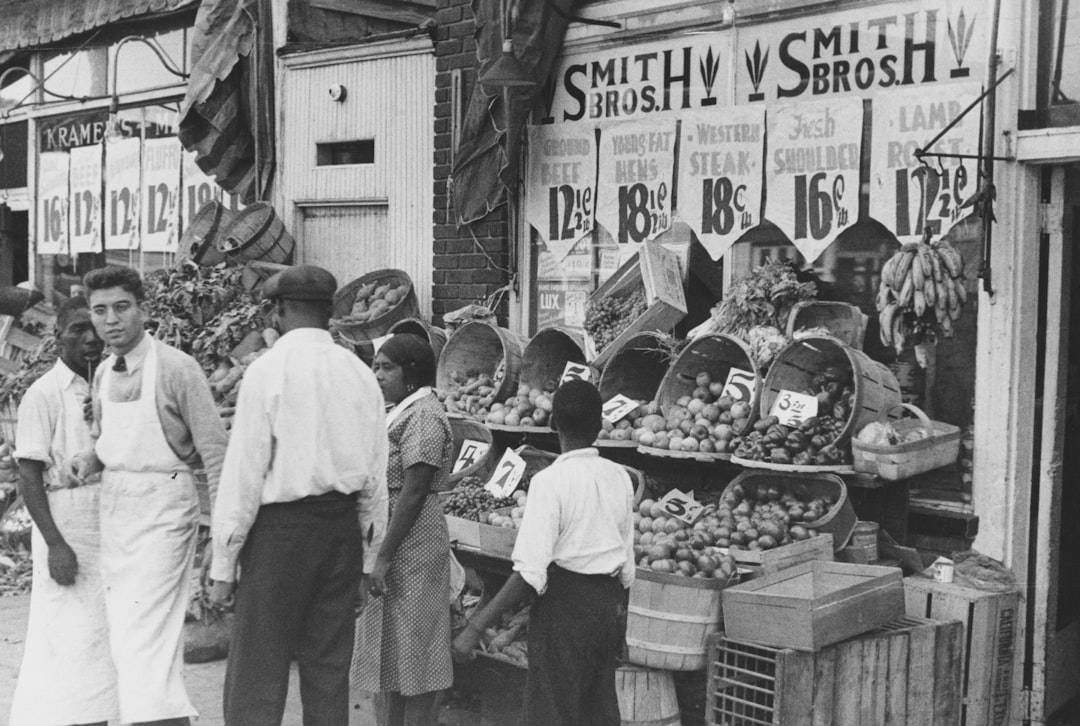
You often find yourself scrutinizing the price tags in the grocery store, wondering why a particular item has surged in cost or why another seems stubbornly high. This isn’t merely the whims of individual farmers or local markets; instead, you are witnessing the intricate and often opaque strategies deployed by colossal food corporations. These entities, with their vast resources and global reach, act as the architects of your food budget, meticulously shaping the economic landscape of your plate. Understanding their tactics is crucial, not just for your wallet, but for comprehending the broader economic forces at play in your daily life.
You might imagine food production as a linear process, from farm to table. However, big corporations operate within a complex, multi-layered global web, a spiderweb of interlocking interests that allows them significant leverage over pricing. Learn more about corporate control by watching this insightful video corporate control.
Vertical Integration: Controlling the Chain
Imagine a massive river system, and a corporation owning not just the fishing boats, but also the cannery, the transport barges, and even the retail outlets where the fish are sold. This is vertical integration. If you’re buying their branded bread, chances are they own the milling operations, the transportation, and might even have contracts dictating the types of wheat farmers grow. This control from “seed to shelf” minimizes external costs and allows them to exert considerable influence over the final price point. You, the consumer, are buying into a system where most of the profits are retained internally.
Commodity Market Dominance: The Hidden Hand
You might not regularly check commodity prices, but big corporations certainly do. They are significant players in the global markets for staples like wheat, corn, soy, and sugar. Their sheer purchasing power allows them to influence these prices. Think of it as a whale swimming in a pond – its movements create ripples and currents that smaller fish cannot ignore. By buying huge volumes when prices are low or strategically holding back purchases, they can create artificial scarcity or abundance, impacting the costs of raw materials for everyone, including their competitors.
Supplier Power: The Squeeze Play
When you’re a colossal food processor, you represent a significant chunk of a farmer’s income. This gives you immense leverage. You can dictate contract terms, quality standards, and, most importantly, the price you’re willing to pay for their produce. Farmers, faced with limited buyers and often substantial upfront investments, are frequently forced to accept less favorable terms, a dynamic known as the “squeeze play.” This reduction in the farmer’s share often doesn’t translate into lower prices for you but rather into higher profit margins for the corporation further along the supply chain.
In exploring the intricate dynamics of how big corporations set food prices, it’s essential to consider the broader economic factors at play. A related article that delves into the influence of corporate strategies on pricing structures can be found at How Wealth Grows. This resource provides valuable insights into the mechanisms that drive pricing decisions in the food industry, highlighting the impact of market competition, supply chain management, and consumer behavior on the final cost of food products.
Strategic Pricing Mechanisms: The Art of the Sell
Beyond controlling the supply chain, these corporations are masters of psychological and economic pricing strategies designed to maximize revenue. You are often the target of sophisticated algorithms and market research that dictate the price you pay.
Brand Premium: The Illusion of Value
You’ll readily pay more for a branded cereal than a generic one, even if the ingredients are remarkably similar. This is the power of brand premium. Corporations invest heavily in advertising, marketing, and packaging to cultivate an image of quality, trust, and even aspiration. You are not just buying food; you are buying an experience, a lifestyle, or a promise. This perceived value allows them to charge a significant premium over the cost of production, a premium you willingly pay.
Dynamic Pricing and Price Discrimination: Your Data, Their Gain
Have you ever noticed that prices for similar items can subtly vary between different stores in different neighborhoods, or even when you shop online from different devices or at different times of day? This is dynamic pricing at work. Corporations leverage vast amounts of consumer data – your shopping habits, your location, your disposable income – to tailor prices. You may be paying a slightly higher price than someone else for the exact same product because the algorithm has determined your willingness to pay is greater. This isn’t about fairness; it’s about maximizing profit from every individual transaction.
Shrinkflation and Skimpflation: The Invisible Price Hike
You might not see a higher price tag, but you might notice the cookie box is a little less full, or the chocolate bar is thinner. This is “shrinkflation” – reducing the product quantity while maintaining the price. Alternatively, “skimpflation” involves using cheaper ingredients or reducing quality while keeping the price stable. Both are subtle methods of increasing a product’s effective price without explicitly raising the numerical figure. You’re effectively paying the same, or even more, for less value.
Market Power and Anti-Competitive Practices
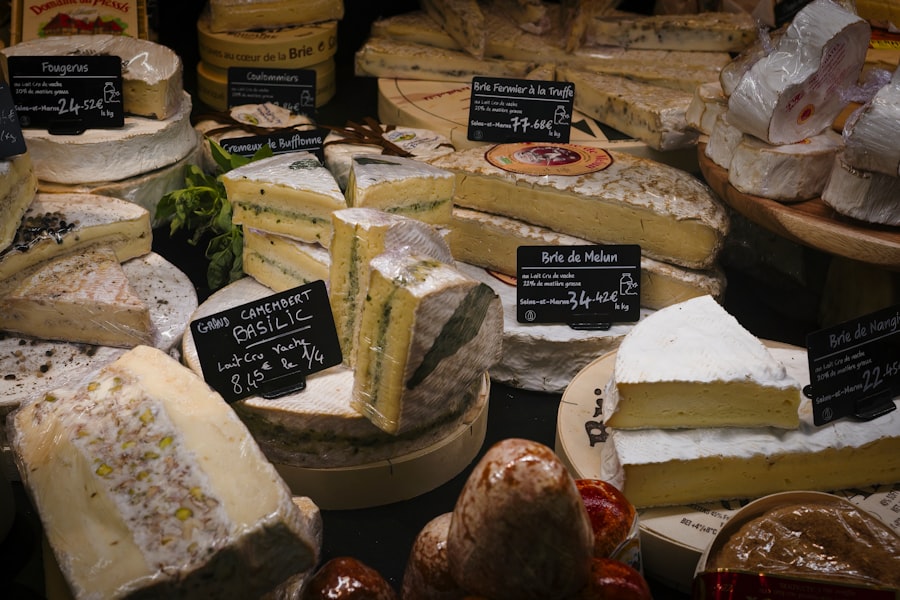
The sheer size and financial muscle of big corporations can distort market dynamics, often to your detriment as a consumer. This isn’t just about efficiency; it’s about dominance.
Mergers and Acquisitions: Consolidating Control
When you see headlines about two major food companies merging, you might interpret it as business as usual. However, every merger reduces competition. Fewer players in the market means less pressure to innovate, reduce prices, or offer better quality. Imagine a high-stakes poker game where the biggest players buy out their opponents. Eventually, only a few giants remain, holding all the cards. You, the consumer, are then left with fewer choices and less bargaining power.
Predatory Pricing: Crushing the Competition
Occasionally, you might see a new product launched at an unbelievably low price, sometimes even below the cost of production. This isn’t philanthropy; it’s often predatory pricing. The goal is to drive smaller, independent competitors out of business. Once the competition is eliminated, the corporation can then raise prices significantly without fear of losing market share. It’s a short-term loss for a long-term gain in market dominance.
Exclusive Contracts and Slotting Fees: Blocking the Aisles
You might wonder why certain brands dominate grocery store shelves while others are nowhere to be found. This isn’t always about product popularity. Big corporations often enter into exclusive contracts with retailers, guaranteeing prime shelf space or even exclusivity in certain categories. They also pay “slotting fees” – essentially, rent for shelf space. Smaller brands cannot afford these fees or compete for prime shelf real estate, limiting your choices and reinforcing the dominance of established players.
Externalities and Hidden Costs
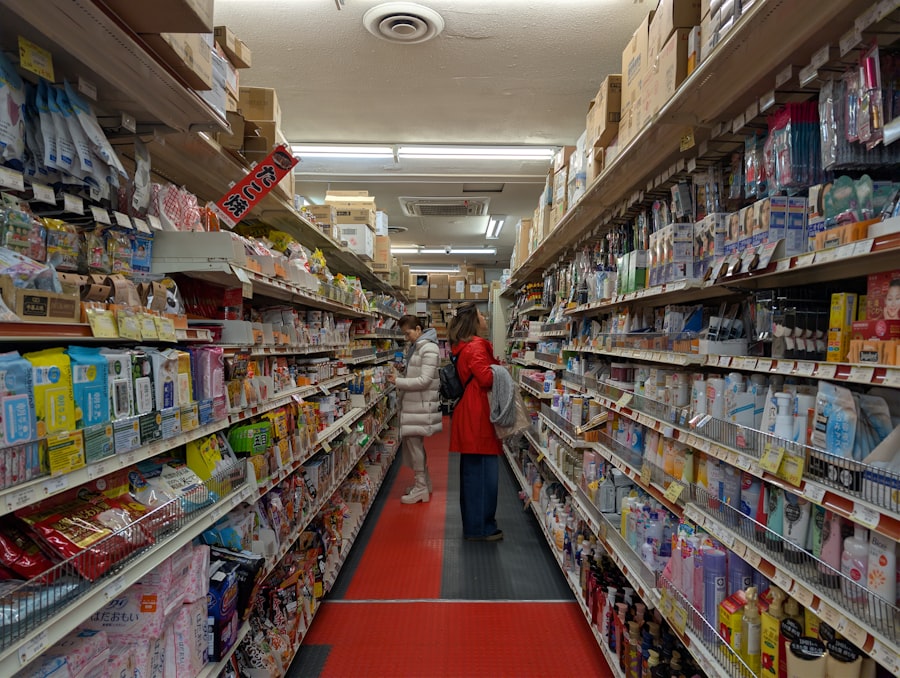
The price you pay at the checkout doesn’t always reflect the true cost of production. Big corporations often externalize costs, pushing them onto society or the environment, which you indirectly bear.
Environmental Degradation: A Deferred Bill
You are likely aware of the environmental impact of large-scale agriculture: deforestation, water pollution from pesticides and fertilizers, and significant greenhouse gas emissions. These costs are rarely factored into the price of a corporate food product. Instead, society as a whole often bears the cost of environmental clean-up and long-term ecological damage. You may not pay for it directly at the register, but you pay for it through taxes, degraded environments, and health impacts.
Labor Exploitation: The Human Cost
You may not see the faces behind the production of your food, but often, the cheaper prices you observe in corporate products are achieved through low wages, poor working conditions, and sometimes even exploitative labor practices, particularly in developing countries. Corporations leverage global supply chains to source ingredients and labor from regions with minimal regulations, further reducing their operational costs. The human cost of these practices is significant, and while you might save a few pennies, the ethical implications are substantial.
Lobbying and Regulatory Capture: Shaping the Rules
You might assume regulations protect consumers and the environment. However, big corporations spend vast sums on lobbying efforts, influencing legislation and regulatory bodies. They advocate for policies that favor their business models, such as weaker environmental protections, looser antitrust enforcement, or subsidies for their specific crops. This “regulatory capture” creates an uneven playing field, where the rules of the game are often written to benefit industry giants, ultimately impacting the prices you pay and the choices available to you. Think of it as painting the lines on the playing field to ensure you always have a clearer path to the goal.
In conclusion, the price you encounter for your food is far from arbitrary. It’s the culmination of complex corporate strategies, market forces, and sometimes, a deliberate engineering of your perceptions and choices. By understanding these intricate tactics – from controlling supply chains and leveraging market power to employing subtle pricing mechanisms and externalizing costs – you gain a more informed perspective on your relationship with the food industry. You become a more discerning consumer, equipped to question, understand, and perhaps even advocate for changes in a system that profoundly affects your daily life.
FAQs
How do big corporations influence food prices?
Big corporations influence food prices through their control over large portions of the supply chain, including production, processing, distribution, and retail. Their market power allows them to negotiate prices, set standards, and sometimes limit competition, which can affect the final price consumers pay.
What role do supply and demand play in food pricing by corporations?
Supply and demand are fundamental economic principles that affect food pricing. Corporations analyze market demand and adjust supply accordingly. When demand is high and supply is limited, prices tend to rise. Conversely, if supply exceeds demand, prices may decrease.
Do big corporations collaborate to set food prices?
While outright price-fixing is illegal, some corporations may engage in practices like price signaling or forming buying groups that can indirectly influence prices. Regulatory bodies monitor such activities to prevent anti-competitive behavior.
How do production costs affect food prices set by corporations?
Production costs, including raw materials, labor, transportation, and energy, directly impact food prices. Corporations factor these costs into their pricing strategies to maintain profitability while remaining competitive.
Can government policies impact how big corporations set food prices?
Yes, government policies such as subsidies, tariffs, price controls, and regulations can influence food prices. These policies can either increase or decrease costs for corporations, thereby affecting the prices consumers pay.
What is the impact of global markets on food prices set by big corporations?
Global markets affect food prices through factors like international trade, currency fluctuations, and global supply chain disruptions. Big corporations operating internationally must adapt their pricing strategies to these global influences.
How does consumer behavior influence food pricing by large corporations?
Consumer preferences and purchasing habits can drive corporations to adjust prices. For example, increased demand for organic or specialty foods may lead to higher prices, while price sensitivity can encourage corporations to offer discounts or lower-priced alternatives.
Are food prices set by big corporations transparent to consumers?
Food pricing is often complex and not fully transparent to consumers. Prices reflect multiple factors, including production costs, marketing, distribution, and profit margins, which are not always disclosed in detail.
Do big corporations use pricing strategies to maximize profits?
Yes, corporations employ various pricing strategies such as dynamic pricing, promotional discounts, and product bundling to maximize profits while remaining competitive in the market.
How do market competition and monopolies affect food prices?
In highly competitive markets, food prices tend to be lower due to competition among corporations. However, in markets dominated by monopolies or oligopolies, corporations may have greater control over prices, potentially leading to higher costs for consumers.