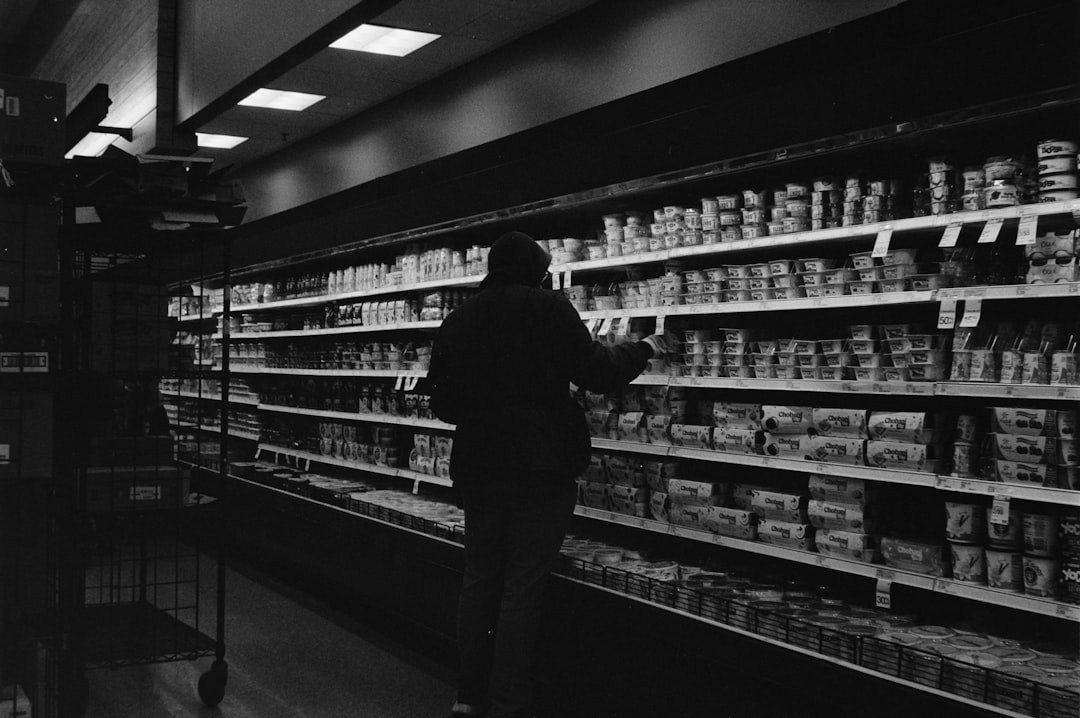
The intricate web of global food systems is a labyrinth, and at the heart of this maze, colossal entities – big corporations – wield significant power, acting as both architects and gatekeepers. You, as a consumer, likely encounter their influence daily, perhaps without conscious recognition. This article explores how these behemoths shape the price tags on your groceries, dissecting the mechanisms and ramifications of their pervasive reach.
Imagine the food supply chain as a vast river, flowing from farm to your dinner plate. Historically, this river was fed by numerous small tributaries and dotted with independent merchants. Today, however, you’ll observe that many of these smaller streams have been absorbed, and the river itself is increasingly controlled by a few colossal dams – the big corporations. This consolidation, a relentless drive towards fewer, larger players, is a primary factor in their ability to influence food prices. Learn more about corporate control by watching this insightful video corporate control.
Mergers and Acquisitions: Swallowing Competitors Whole
You might have noticed a continuous stream of news announcements regarding corporate takeovers in the food industry. This isn’t mere corporate gossip; it’s a strategic maneuver that directly impacts your wallet. When one large corporation acquires another, competition diminishes. This reduction in the number of players offering similar products means a reduction in the pressure to keep prices low. Think of it as a small fishing pond; if there are many fishermen, the price of fish will naturally be competitive. If only a few control the entire pond, they dictate the market.
- Reduced Competition: With fewer entities vying for market share, the incentive to undercut competitors on price wanes considerably. You, the consumer, are then presented with a narrower array of choices at potentially higher prices.
- Increased Market Power: A larger market share translates directly into greater bargaining power with suppliers, distributors, and retailers. This power enables them to dictate terms that can further influence prices down the line.
Vertical Integration: Owning Every Link
Beyond simply buying up competitors, many big corporations engage in vertical integration. This means they own multiple stages of the supply chain, from the seeds planted in the ground to the transportation that brings products to your local supermarket. Consider a gigantic tree: instead of just owning the fruit, they own the orchard, the processing plant, the packaging facility, and even the trucks that deliver the fruit.
- Cost Efficiencies (Sometimes): Proponents argue that vertical integration can lead to efficiencies by streamlining operations and reducing transaction costs between different stages. These supposed savings, however, are not always passed on to you.
- Control over Inputs: By controlling key inputs like seeds, fertilizers, or animal feed, these corporations can exert significant influence over the costs faced by farmers, ultimately affecting the price of raw ingredients.
- Information Asymmetry: They possess a comprehensive understanding of costs at every stage, giving them an advantage in price negotiations across the entire chain.
In exploring the intricate dynamics of how big corporations set food prices, it’s essential to consider various factors such as supply chain management, market demand, and economic policies. A related article that delves deeper into these topics can be found at How Wealth Grows, which discusses the impact of corporate strategies on food pricing and the broader implications for consumers and the economy. This resource provides valuable insights into the mechanisms that drive pricing decisions in the food industry.
The Price-Setting Power: From Farm Gate to Checkout
The influence of big corporations isn’t just about shaping the market structure; it’s also about their direct ability to set prices, both for the raw materials they procure and the finished products they sell. You, as a consumer, are often at the receiving end of these decisions.
Negotiating with Farmers: A David and Goliath Struggle
Imagine tiny rowboats attempting to negotiate with an ocean liner. This accurately depicts the dynamic between individual farmers and large food corporations. Farmers, often operating with thin margins and facing volatile weather conditions, frequently find themselves in a weak bargaining position.
- Contract Farming: Many farmers operate under contract with large corporations, agreeing to supply a certain volume of produce at a predetermined price. While this offers some stability to the farmer, it also limits their ability to seek higher prices if market conditions improve.
- Buyer Concentration: When there are only a few major buyers for a particular crop, farmers have fewer alternative outlets for their produce, further eroding their negotiating leverage. This can lead to prices for raw commodities that barely cover production costs.
Branding and Marketing: The Illusion of Choice
You might walk into a supermarket and perceive a vast array of choices, but look closer, and you’ll often discover that many seemingly distinct brands are actually owned by the same few parent companies. This is a deliberate strategy to create the illusion of competition while simultaneously allowing corporations to segment the market and charge different prices for essentially similar products.
- Premium Pricing: Through extensive marketing campaigns, corporations can cultivate brand loyalty and create a perception of superior quality, enabling them to charge premium prices. You might pay more for a branded cereal than a generic one, even if the ingredients are largely identical.
- Niche Market Domination: By acquiring smaller, specialized brands, big corporations can penetrate niche markets and cater to specific consumer preferences while maintaining their overall dominance.
Global Interconnectedness: Shocks and Ripple Effects

In today’s interconnected world, you are directly impacted by events far beyond your local grocery store. Big corporations, with their global supply chains, play a crucial role in transmitting and amplifying these shocks, causing ripple effects that ultimately influence the prices you pay.
Supply Chain Vulnerabilities: A House of Cards
The drive for efficiency and cost reduction has led many corporations to adopt “just-in-time” inventory systems and concentrate production in a few key locations. While this can reduce storage costs, it also makes the supply chain incredibly vulnerable to disruptions.
- Geopolitical Events: Wars, trade disputes, or political instability in key producing regions can severely impact the availability and price of ingredients. You might see the price of cooking oil spike due to conflict in a sunflower oil-producing nation.
- Natural Disasters: Extreme weather events, such as droughts, floods, or pandemics, can wipe out crops or disrupt transportation, leading to widespread shortages and price increases for you at the checkout. Consider the impact of a major hurricane on banana prices.
Speculation and Financialization: The Casino Effect
Food, fundamental for survival, has also become a commodity traded on financial markets. You might not realize it, but the price of your bread could be influenced by decisions made by traders thousands of miles away, speculating on future harvests. Big corporations, with their extensive resources, often participate in these markets, both hedging against price fluctuations and, sometimes, contributing to them.
- Commodity Futures: The buying and selling of contracts for future delivery of agricultural commodities can influence present-day prices. If speculators anticipate a poor harvest, they might drive up future prices, which can then trickle down to current market prices.
- Algorithmic Trading: Sophisticated computer programs, often employed by large financial institutions with ties to big corporations, can react to market signals in milliseconds, potentially amplifying price swings and contributing to volatility.
Regulatory Landscape: Loopholes and Lobbying
You might assume that governments always act as a neutral arbiter, ensuring fair competition and protecting consumers. However, the influence of big corporations extends to the very regulations that govern the food industry. Their powerful lobbying efforts can shape policies in their favor, often at your expense.
Antitrust Enforcement: A Fading Roar
Antitrust laws are designed to prevent monopolies and promote competition. Yet, you’ve witnessed continued consolidation in the food sector, suggesting that the “teeth” of these regulations may not always be as sharp as they should be, or that enforcement is lax.
- Weakened Oversight: Critics argue that government agencies responsible for antitrust enforcement are often understaffed or susceptible to political pressure, making it difficult to effectively challenge large mergers or anti-competitive practices.
- Revolving Door: The movement of personnel between regulatory bodies and big corporations can create conflicts of interest and influence policy decisions in favor of industry giants.
Lobbying and Political Donations: Whispers in the Corridors of Power
Big corporations invest substantial resources in lobbying governments, advocating for policies that benefit their bottom line. This includes influencing regulations related to product labeling, environmental standards, and international trade agreements, all of which ultimately affect the cost and availability of food for you.
- Subsidies and Incentives: Lobbying efforts can secure government subsidies or tax breaks for certain agricultural practices or food processing activities, inadvertently distorting market prices and favoring large-scale production.
- Trade Agreements: Corporations actively influence the negotiation of international trade agreements, seeking provisions that open up new markets for their products or reduce import tariffs on their raw materials, which can have complex and sometimes unpredictable effects on global food prices.
In exploring the intricate dynamics of how big corporations set food prices, it is essential to consider various factors such as supply chain management, market demand, and competition. A related article that delves deeper into these influences can be found here. Understanding these elements not only sheds light on pricing strategies but also highlights the broader implications for consumers and the economy as a whole.
Consumer Impact and the Path Forward
| Factor | Description | Impact on Food Prices | Example Metrics |
|---|---|---|---|
| Supply Chain Control | Corporations often control multiple stages from production to retail. | Allows setting prices by managing costs and availability. | Percentage of vertically integrated operations (e.g., 60%) |
| Market Power | Large corporations dominate market share, influencing price levels. | Can set higher prices due to limited competition. | Market share percentage (e.g., 40-70%) |
| Cost of Raw Materials | Prices of ingredients and commodities affect final food prices. | Fluctuations in commodity prices lead to price adjustments. | Commodity price index changes (e.g., +5% annually) |
| Labor Costs | Wages and benefits for workers in production and retail. | Higher labor costs can increase food prices. | Average wage per hour (e.g., 15-25) |
| Marketing and Advertising | Spending on promotions to influence consumer demand. | Increases product price to cover marketing expenses. | Marketing budget as % of sales (e.g., 10-20%) |
| Distribution Costs | Expenses related to transportation and logistics. | Higher distribution costs raise final prices. | Logistics cost per unit (e.g., 0.50-1.00) |
| Pricing Strategies | Use of dynamic pricing, discounts, and price discrimination. | Optimizes profits, sometimes increasing prices during high demand. | Price elasticity coefficients (e.g., -0.3 to -0.7) |
| Regulatory Environment | Government policies, taxes, and subsidies affecting prices. | Can either increase or decrease food prices. | Tax rates on food products (e.g., 5-15%) |
Ultimately, the cumulative effect of these corporate influences manifests in the prices you pay at the grocery store. You might experience fluctuating prices for staples, observe limited availability of certain products, or find yourself with fewer genuinely diverse options. The power dynamics between big corporations and consumers are significantly skewed.
- Higher Prices and Reduced Value: The consolidation and market power wielded by these companies can lead to higher prices for you, while potentially offering reduced quality or less innovation due to a lack of competitive pressure.
- Limited Choice and Dietary Homogenization: The dominance of a few large players can lead to a narrower range of available food products, potentially impacting dietary diversity and promoting a more homogenous food culture.
Addressing this complex issue requires a multi-faceted approach. You, as a consumer, have a role to play. Supporting local farmers, choosing diverse products, and being aware of corporate ownership structures can exert some pressure. More broadly, robust governmental oversight, stronger antitrust enforcement, and policies that promote fair competition and support smaller producers are crucial. The food system is not an immutable force of nature; it is a human construct, and its architecture can and should be redesigned to prioritize equitable access to nutritious food for everyone, not just corporate profits.
FAQs
How do big corporations influence food prices?
Big corporations influence food prices through their control over large portions of the supply chain, including production, processing, distribution, and retail. Their market power allows them to negotiate prices, set standards, and sometimes limit competition, which can affect the final price consumers pay.
What role do supply and demand play in food pricing by corporations?
Supply and demand are fundamental economic principles that affect food pricing. Corporations analyze market demand and adjust supply accordingly. When demand is high and supply is limited, prices tend to rise. Conversely, if supply exceeds demand, prices may decrease.
Do big corporations collaborate to set food prices?
While illegal in many countries, some corporations have been found to engage in price-fixing or collusion to set food prices artificially. However, most operate within competitive markets where prices are influenced by various factors, including costs, competition, and consumer behavior.
How do production costs affect food prices set by corporations?
Production costs, including raw materials, labor, transportation, and energy, directly impact food prices. Corporations factor in these costs when setting prices to maintain profitability. Increases in production costs often lead to higher consumer prices.
Can government policies impact how big corporations set food prices?
Yes, government policies such as subsidies, tariffs, price controls, and regulations can influence food prices. These policies can either increase or decrease costs for corporations, thereby affecting the prices set for consumers.
What is the impact of market concentration on food prices?
High market concentration, where a few corporations dominate the market, can reduce competition and give these corporations greater power to influence prices. This can lead to higher prices for consumers compared to more competitive markets.
How do global events affect food prices set by big corporations?
Global events such as natural disasters, pandemics, trade disputes, and geopolitical tensions can disrupt supply chains and production, leading to volatility in food prices. Corporations adjust prices in response to these changes to manage costs and supply.
Are consumers able to influence food prices set by big corporations?
Consumers can influence food prices indirectly through their purchasing choices. Demand for certain products, preferences for organic or local foods, and responses to price changes can encourage corporations to adjust pricing strategies and product offerings.