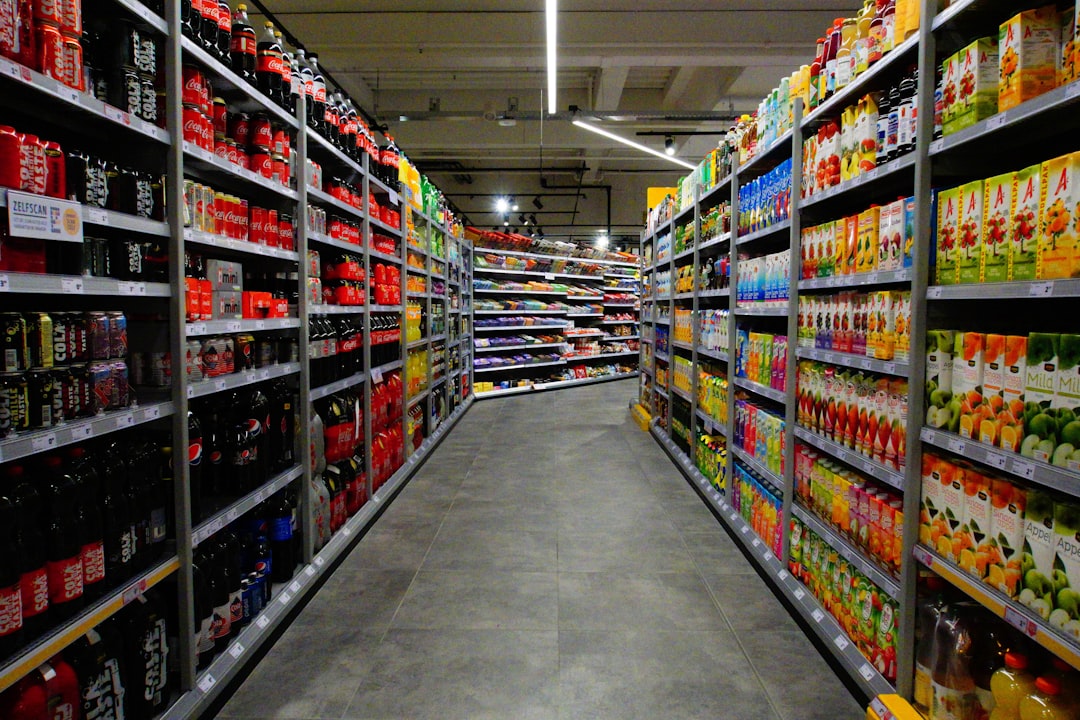
You stand in the grocery aisle, a familiar battlefield of budgets and appetites. Your eyes scan the prices, and a subtle tremor of dismay runs through you. The cost of your weekly staples seems to have escalated once again, a relentless climb like a mountaineer ascending a peak without a summit. This phenomenon isn’t merely the whims of individual farmers or retailers; it’s a complex tapestry woven with threads of corporate influence, often invisible to the casual observer. This article will peel back the layers, revealing how powerful corporations shape the prices you pay for your sustenance. You are not just a consumer; you are an embedded participant in a vast economic system, and understanding its mechanics can empower you to navigate it more effectively.
Imagine a vast ocean once teeming with countless fishing boats, each representing a distinct company vying for your patronage. Over time, many of these boats have been bought out, merged, or simply capsized, leaving behind a significantly smaller fleet of colossal vessels. This is the reality of consolidation within the food industry, where a shrinking number of powerful corporations now control a disproportionate share of the market. This reduction in competition has profound implications for your grocery bill. Learn more about corporate control and its impact on global markets.
Monopoly and Oligopoly: When Choices Dwindle
When a single company dominates a market (monopoly) or a small handful of companies (oligopoly) control the vast majority of it, you, the consumer, lose a significant advantage: choice. In such scenarios, the pressure to offer competitive pricing diminishes. These dominant entities can, to a large extent, dictate terms without fear of immediate repercussions from a vigorous rival.
- Pricing Power: With fewer competitors, corporations gain greater leverage to set prices. They no longer face the intense pressure to undercut rivals, leading to a phenomenon where prices can trend upwards without a corresponding increase in production costs or quality. Think of it as a game of musical chairs where most seats have been removed, leaving you with fewer options and higher stakes.
- Reduced Innovation: Competition often fuels innovation. Companies strive to develop new products, improve existing ones, and find more efficient production methods to attract and retain customers. In consolidated markets, this drive can wane. Why invest heavily in innovation if your market share is already secure? You might find fewer genuinely new and improved products, and more repackaged or slightly altered versions of existing ones, all at similar or higher price points.
Vertical and Horizontal Integration: Expanding the Tentacles
Consolidation isn’t just about reducing competitors; it also involves companies extending their reach across different stages of the food supply chain (vertical integration) or acquiring competitors within the same stage (horizontal integration).
- Vertical Integration: Consider a company that not only processes meat but also owns the feedlots, the slaughterhouses, and even a significant percentage of the farms. This allows for greater control over the entire supply chain, potentially leading to efficiencies, but also to a concentration of power that can squeeze smaller players and ultimately influence the final price you pay. For example, if a major processor owns a significant portion of its input suppliers, it can negotiate more favorable terms for itself, which may not translate to lower prices for you. Instead, it might simply fatten their profit margins.
- Horizontal Integration: An example here would be a major cereal manufacturer acquiring several smaller, independent cereal brands. While outwardly appearing to offer a diverse range of products, the underlying ownership remains consolidated. This might reduce the actual competition in the market, as the acquired brands may be operated under the same cost-cutting and pricing strategies as the parent company. You might perceive a wealth of choice on the shelf, but beneath the surface, a single strategic mind is guiding pricing decisions for a multitude of brands.
In today’s economy, understanding how corporations influence your grocery bill is essential for making informed purchasing decisions. A related article that delves into this topic is available at How Corporations Control Your Grocery Bill, which explores the various strategies companies use to manipulate pricing and consumer behavior. By examining these tactics, consumers can better navigate the grocery landscape and potentially save money on their shopping trips.
The Alchemy of Branding and Marketing: Beyond Just sustenance
Your grocery cart isn’t just filled with ingredients; it’s often laden with the invisible weight of branding and marketing. Corporations spend astronomical sums to influence your perceptions and purchasing decisions, a cost that is ultimately woven into the price tag of each item. This is not inherently nefarious, but understanding its impact is crucial for you as a discerning consumer.
The Power of Perception: Shaping Your Wants
Marketing isn’t merely about informing you of a product’s existence; it’s about crafting a narrative, forging an emotional connection, and positioning a product as something essential, desirable, or superior.
- Premium Pricing through Brand Recognition: You might be willing to pay more for a brand you trust, perceive as higher quality, or associate with a certain lifestyle. Corporations invest heavily in building this brand equity. The additional cost you pay for a recognizable brand name often reflects this marketing investment, rather than a significant difference in the intrinsic value or quality of the product itself. Think of store-brand sugar versus a prominent national brand; the fundamental product is identical, yet the price difference can be substantial. You are, in essence, paying for the brand’s story.
- Creating Perceived Value: Through clever advertising, packaging, and endorsements, companies can create a perception of added value that may not be entirely rooted in tangible benefits. Organic, non-GMO, gluten-free – these labels, while sometimes reflecting genuine distinctions, are also powerful marketing tools that can command higher prices. You might pay a premium for a product simply because its packaging evokes a sense of naturalness or healthfulness, even if its nutritional profile is similar to a less branded alternative.
The Arms Race of Advertising: A Perpetual Investment
The advertising landscape is a highly competitive arena, and corporations invest massively to ensure their products stand out amidst the clutter. This continuous investment represents a significant operational cost.
- Media Spending: From television commercials and online banner ads to social media campaigns and celebrity endorsements, the sheer volume of advertising is staggering. This media spending is factored into the cost of producing and distributing products. You are contributing to the advertising budgets of major corporations every time you purchase their goods.
- Shelf Space and Placement Fees: In the competitive world of retail, valuable shelf space is often not freely given. Manufacturers frequently pay “slotting fees” to supermarkets to secure prominent placement for their products, particularly at eye level or end-of-aisle displays. These fees are passed on to you, the consumer, through higher prices. The most visible placements on shelves are often secured by the brands with the deepest pockets, further cementing their market presence and influence on your purchasing decisions.
Supply Chain Complexities: A Long and Winding Road
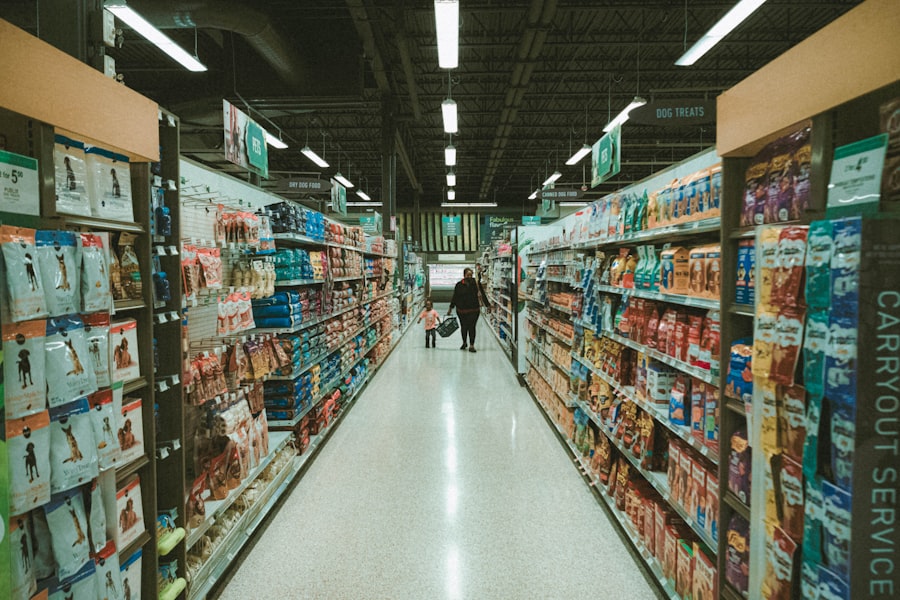
The journey of your food from farm to fork is rarely a direct one. It often involves a intricate network of intermediaries, each adding their own costs and profit margins. Understanding this complex supply chain is crucial to grasping how corporations influence the final price you pay.
The Middlemen Multiplier: Adding Layers of Cost
Imagine a relay race where every runner takes a small cut of the prize money. The more runners, the less remains for the initial victor (the farmer) and the more the final recipient (you) has to contribute.
- Distributors and Wholesalers: After leaving the farm or processing plant, products often pass through distributors and wholesalers before reaching your local grocery store. Each of these entities adds their own operational costs, storage fees, transportation expenses, and profit margins, all of which progressively increase the item’s price. You are not just paying for the product; you are paying for its journey through various corporate hands.
- Logistics and Transportation: The sheer scale of modern global food supply chains necessitates complex logistics and transportation networks. Rising fuel prices, labor costs, and infrastructure investments incurred by these logistics companies are all factored into the final price of the goods. When you see a sudden jump in the price of imported fruit, factors like international shipping costs and port congestion often play a significant role.
Retailer Markups: The Final Frontier
Your local grocery store, whether an independent shop or part of a vast chain, also plays a significant role in determining the final price. While providing a necessary service, their markups further contribute to your overall cost.
- Operating Costs: Supermarkets have substantial operating costs, including rent, utilities, labor, inventory management, and marketing. These expenses are recouped through the markup on the products they sell. You are essentially paying for the convenience and accessibility of having a wide array of goods readily available under one roof.
- Competitive Pricing Strategies: Even within consolidated markets, some competition still exists among retailers. However, their pricing strategies are often influenced by their own corporate goals, including maximizing profit margins and maintaining a competitive edge against other large chains. They might engage in “loss leaders” (selling certain items below cost to attract customers) while simultaneously applying higher markups on other, less price-sensitive items, effectively balancing their overall profitability.
Policy and Lobbying: Pulling the Legislative Levers
Corporate influence extends beyond the visible marketplace into the halls of government. Through lobbying efforts and political contributions, powerful food corporations actively shape policies that can directly impact your grocery costs. This unseen hand can be a potent force.
Subsidies and Regulations: Skewing the Playing Field
Government policies, often influenced by corporate lobbying, can create an uneven playing field in the agricultural sector, sometimes leading to unintended consequences for consumers.
- Agricultural Subsidies: Many nations offer subsidies to specific agricultural industries, such as corn, soy, or dairy. While often intended to stabilize the food supply or support farmers, these subsidies can sometimes favor large-scale corporate farms over smaller, independent ones. They can also artificially lower the cost of certain ingredients, which might seem beneficial, but can lead to an overproduction of subsidized crops and a decreased diversity in what’s available and affordable. This can distort market signals and make healthier, less subsidized foods appear comparatively more expensive. You might pay less for a processed food item due to cheap subsidized ingredients, inadvertently contributing to a system that prioritizes quantity over nutritional diversity.
- Environmental and Labor Regulations: Corporations actively lobby for regulations that favor their operational models or against those that might increase their costs. Weakened environmental regulations, for instance, might reduce a company’s immediate expenses, but could lead to long-term costs in terms of public health or environmental degradation, costs that you might indirectly bear in other ways. Similarly, opposition to increased minimum wages or stronger labor protections can keep production costs low for corporations, but the societal costs of poorly paid labor are often borne by the taxpayer and the community.
Trade Agreements: Opening and Closing Doors
International trade agreements, negotiated by governments, are often heavily influenced by corporate interests and can have a profound impact on the availability and price of food products.
- Tariffs and Import Quotas: Corporations often lobby for or against tariffs and import quotas, depending on whether they are importers or domestic producers. Tariffs (taxes on imported goods) can protect domestic industries by making imports more expensive, but they can also raise prices for consumers if domestic production can’t meet demand or is less efficient. You might find a foreign specialty cheese suddenly more expensive due to a newly imposed tariff, aimed at protecting a domestic dairy industry.
- Harmonization of Standards: Trade agreements often involve the harmonization of food safety and labeling standards. While this can streamline trade, it can also lead to pressure to lower standards to accommodate the lowest common denominator, potentially affecting food quality or transparency for consumers. Corporations often champion standards that facilitate their global operations, which may not always align with the highest consumer protection standards.
In today’s world, many consumers are unaware of the subtle ways corporations influence their grocery bills, often leading to higher prices and limited choices. A related article explores the intricate dynamics of corporate control over food pricing and availability, shedding light on how these practices impact our daily spending. For a deeper understanding of this issue, you can read more about it in this insightful piece on wealth management and consumer behavior at How Wealth Grows. This resource provides valuable information on the broader implications of corporate strategies in the grocery sector.
The Future of Your Food Bill: Navigating the Landscape
| Metric | Description | Impact on Grocery Bill |
|---|---|---|
| Market Share of Top Grocery Chains | Percentage of grocery sales controlled by top 5 corporations | High concentration allows price setting and limits competition |
| Private Label Product Sales | Proportion of store-brand products sold versus national brands | Corporations increase margins by promoting higher-margin private labels |
| Supplier Pricing Power | Ability of corporations to negotiate lower prices from suppliers | Can reduce costs but often leads to supplier consolidation and less choice |
| Promotional Discounts Frequency | Number of sales promotions and discounts offered annually | Encourages bulk buying and higher overall spending |
| Advertising Spend by Grocery Corporations | Annual marketing budget aimed at influencing consumer choices | Drives demand for higher-priced or branded products |
| Price Markup Percentage | Average markup from wholesale to retail price | Directly increases the final grocery bill for consumers |
You are not powerless in this intricate dance of corporate influence. While the forces at play are vast, your choices as a consumer, coupled with a deeper understanding of the system, can contribute to meaningful change.
The Illusion of Choice: Seeing Beyond the Labels
Armed with this knowledge, you can begin to see beyond the superficial distinctions of branding and marketing.
- Investigate Store Brands: Often, store brands or “private label” products are manufactured by the same large corporations that produce their more expensive branded counterparts, but sold under the retailer’s name at a lower price due to reduced marketing costs. You are essentially getting the same product without contributing to vast advertising budgets.
- Support Local and Independent Producers: Wherever possible, supporting local farmers and independent food businesses can bypass many layers of the corporate supply chain, potentially leading to fresher products and a more equitable distribution of profits. This also fosters local economies and often leads to greater transparency in food production.
- Read Labels Critically: Go beyond the front-of-package marketing claims. Pay attention to ingredient lists, nutritional information, and the country of origin. This critical approach empowers you to make informed decisions based on facts rather than marketing narratives.
Advocating for Change: Collective Action
Individual choices are important, but collective action can amplify your voice and influence policy.
- Support Policy Reform: Engage with consumer advocacy groups and organizations that lobby for policies promoting fair competition, robust environmental regulations, and equitable labor practices within the food industry. Your support can help counter the influence of corporate lobbying.
- Demand Transparency: Advocate for greater transparency in the food supply chain, including clear labeling of ingredients, sourcing information, and corporate ownership. The more information you have, the better equipped you are to make choices that align with your values and budget.
The corporate leviathans of the food industry are a defining feature of your modern grocery experience. Their consolidation, marketing prowess, supply chain optimization, and political lobbying efforts all converge to shape the prices you pay. By understanding these influences, you can transcend being a passive recipient of market forces and become a more informed, critical, and ultimately, empowered participant in the continuous journey of food from its origin to your table. You hold a small, but significant, piece of the puzzle in your hands with every purchase you make.
FAQs
How do corporations influence grocery prices?
Corporations influence grocery prices through their control over supply chains, pricing strategies, and negotiations with suppliers. Large grocery chains and food manufacturers often have significant market power, allowing them to set prices that maximize their profits.
What role do grocery store chains play in controlling food costs?
Grocery store chains can control food costs by deciding which products to stock, setting shelf prices, and negotiating terms with suppliers. Their buying power enables them to demand lower prices from producers, which can affect the final price consumers pay.
How do food manufacturers impact grocery bills?
Food manufacturers impact grocery bills by determining production costs, marketing expenses, and pricing strategies. They may also influence prices through product packaging, branding, and promotional activities.
Are there any regulations that limit corporate control over grocery prices?
Yes, there are regulations aimed at promoting fair competition and preventing price-fixing or monopolistic practices. However, enforcement varies by country and region, and large corporations often find ways to maintain significant control within legal boundaries.
Can consumers do anything to reduce the impact of corporate control on their grocery bills?
Consumers can reduce the impact by shopping at local markets, buying directly from producers, choosing generic or store brands, and supporting smaller retailers. Being informed about pricing and comparing options can also help manage grocery expenses.
Does corporate consolidation affect grocery prices?
Corporate consolidation, where a few large companies dominate the market, can reduce competition and lead to higher prices. It can also limit consumer choices and increase the influence of corporations over the food supply chain.
How do supply chain issues relate to corporate control of grocery bills?
Supply chain issues, such as transportation costs, labor shortages, and raw material availability, are managed by corporations and can directly affect grocery prices. Corporations may pass increased costs onto consumers or adjust pricing strategies to maintain profit margins.