You stand at the supermarket, browsing the vibrant array of fresh produce. Your eyes linger on the plump tomatoes, the crisp lettuce, the glossy apples. You might marvel at their perfection, perhaps even wince at their price tags. But have you ever considered the journey these items took to reach your basket? Have you contemplated the hands that meticulously sowed the seeds, nurtured the growing plants, and harvested the bounty? This article unravels a complex truth, a seemingly illogical reality: the very farmers who dedicate their lives to feeding you often grapple with financial instability, even in an era of elevated food prices. This is the paradox you will explore – the struggle of the agricultural producer against a backdrop of increasing consumer costs.
You might assume that if the price of a bushel of corn or a pound of beef is escalating, the farmer responsible for its production is reaping substantial benefits. This is a common misconception, a chasm of understanding between the consumer and the producer. The reality is far more nuanced, a tapestry woven with market forces, logistical complexities, and power imbalances. Learn more about corporate control by watching this insightful video corporate control.
The Middleman’s Share: A Shrinking Slice of the Pie
Imagine a grand banquet, and the farmer is seated at the very end of the table. Each dish, a representation of their harvest, passes through numerous hands before it reaches the consumer. Each hand takes a portion, a commission for their role in the journey.
- Processors and Packagers: Before your vegetables hit the supermarket shelf, they are often cleaned, sorted, packaged, and sometimes even processed. These stages add significant value and cost.
- Logistics and Transportation: From farm to distribution center, then to individual stores, the journey is fraught with fuel costs, maintenance, and labor. The further the produce travels, the greater this cost becomes.
- Retailer Markups: Supermarkets operate on profit margins, which encompass operating costs, marketing, and shareholder returns. They adjust prices to reflect these factors, often adding a substantial markup.
You, the consumer, witness the end price, a culmination of these various additions. The farmer, however, sees only the price they receive from the first buyer in this chain, which is often a fraction of what you ultimately pay. This “middleman’s share” is a substantial contributing factor to the farmer’s financial squeeze.
Volatility and Speculation: The Gambler’s Hand
Farming is inherently susceptible to a confluence of unpredictable forces, a perpetual gamble against nature and the market. You understand that weather is a major determinant, but the market also plays a significant role in this uncertainty.
- Commodity Market Fluctuations: For many staple crops, prices are determined on global commodity exchanges. These markets are influenced by supply and demand, geopolitical events, and even speculative trading. A drought in one part of the world can impact prices for farmers thousands of miles away.
- Futures Trading: Investors and traders buy and sell contracts for future delivery of agricultural products, often without ever touching the physical commodity. This can lead to price swings that have little to do with the actual harvest or consumption patterns, creating a volatile environment for producers.
- Global Supply and Demand Shocks: A sudden surge in demand from an emerging market, or a bumper crop in a major producing region, can send prices spiraling up or down, often with little warning for the individual farmer.
You, as a bystander, might experience these fluctuations as slight adjustments to your grocery bill. But for the farmer, these shifts can mean the difference between profit and devastating loss.
Farmers are facing significant challenges despite high prices for their products, as highlighted in a related article discussing the complexities of agricultural economics. Factors such as rising input costs, supply chain disruptions, and climate change impacts are squeezing profit margins, leaving many farmers in precarious financial situations. For a deeper understanding of these issues, you can read more in the article available at How Wealth Grows.
The Iron Cage: Rising Input Costs vs. Stagnant Returns
Imagine trying to run a marathon in lead boots. That’s often the reality for farmers: while the finish line (retail prices) seems to move further away, the weight of their own operational costs continues to increase. You will observe how this constant upward pressure on inputs relentlessly erodes potential profits.
Fuel, Fertilizer, and Feed: The Triple Threat
These three Fs represent a significant portion of a farmer’s operating budget. You might not directly feel the sting of rising fertilizer costs, but their impact ripples throughout the food system.
- Energy Prices: Machinery on a farm requires fuel – lots of it. From plowing and planting to harvesting and transportation, every stage of cultivation is energy-intensive. Fluctuations in global oil prices directly impact this critical expense.
- Fertilizer Dependence: Modern agriculture often relies heavily on synthetic fertilizers to maximize yields. The production of these fertilizers is also highly energy-intensive, meaning their prices are intrinsically linked to energy markets.
- Animal Feed Costs: For livestock farmers, feed represents a colossal expense. The prices of grains like corn and soybeans, which form the basis of animal feed, are subject to the same commodity market volatility discussed earlier.
Each of these inputs acts as a variable cost, meaning they change with market conditions. When these costs surge, even if the selling price of their product remains stable, the farmer’s profit margin shrinks dramatically.
Labor and Technology: Modern Necessities, Modern Expenses
While many visualize the idyllic farmer tethered to the land, modern agriculture is increasingly sophisticated and demanding, requiring considerable investment in both human capital and machinery. You will recognize that these are not luxuries, but necessities.
- Skilled Labor Shortages & Wages: Finding and retaining skilled agricultural labor can be challenging. As minimum wages increase and the appeal of rural work wanes for some, labor costs rise.
- Mechanization and Automation: To increase efficiency and combat labor shortages, farmers invest in increasingly advanced machinery – tractors with GPS, automated irrigation systems, robotic harvesters. While these technologies promise long-term benefits, their initial purchase and ongoing maintenance are substantial fixed costs.
- Compliance and Regulations: Modern farming is subject to a growing body of environmental, safety, and food quality regulations. Adhering to these mandates often requires additional record-keeping, equipment upgrades, and employee training, all of which add to the operational burden.
These costs, fixed and variable, create a constant upward pressure on the farmer’s expenditure, forcing them into a relentless pursuit of efficiency and scale just to maintain solvency.
The Scale Game: Get Big or Get Out
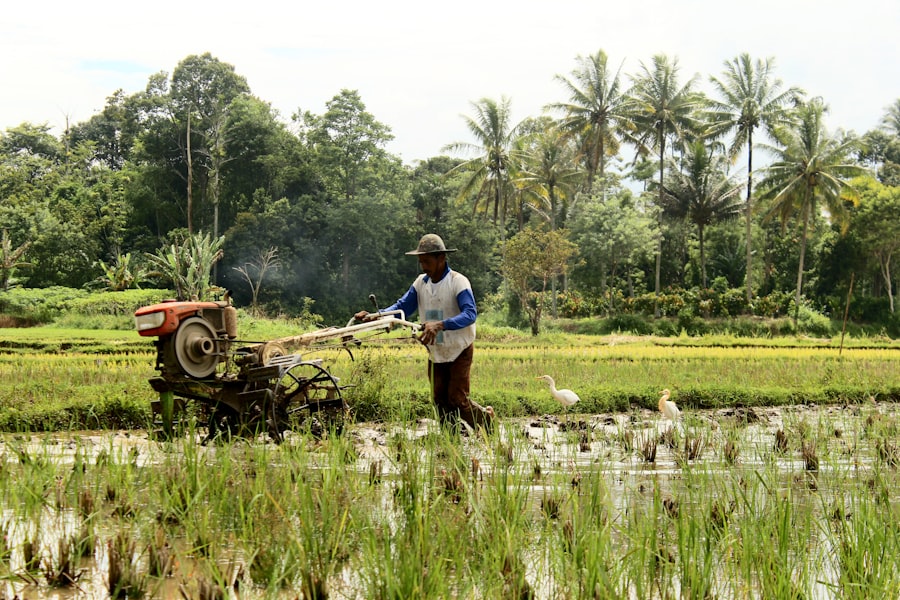
You’ve likely seen the headlines about large agricultural corporations and massive farms. This trend isn’t accidental; it’s a direct response to the economic pressures faced by farmers. The “scale game” is a brutal arena where size often dictates survival.
Economies of Scale: The Advantage of Volume
Imagine buying in bulk – you get a better price, right? The principle is similar, but on an industrial level. You will see how larger operations gain an inherent advantage.
- Purchasing Power: Large farms can buy inputs like fuel, fertilizer, and seeds in massive quantities, often negotiating lower per-unit prices with suppliers.
- Access to Technology: More capital-intensive technologies, while expensive, become more cost-effective when spread across a larger production volume. A specialized piece of machinery might be financially unfeasible for a small farm but a smart investment for a sprawling operation.
- Bargaining Power: With substantial output, larger farms have more leverage when selling their produce to processors and distributors, sometimes securing better prices or more favorable contract terms.
Smaller farms, lacking this inherent leverage, often find themselves paying higher prices for inputs and receiving lower prices for their output, further exacerbating their financial precariousness.
Consolidation and Market Power: Fewer Buyers, More Pressure
The agricultural landscape is not only shaped by the size of farms but also by the consolidation of the industries that buy from them. You will observe how this creates a bottleneck, squeezing the farmer.
- Fewer Processors: In many sectors, the number of companies that process agricultural products (e.g., meatpackers, dairy processors, grain elevators) has significantly shrunk over the decades. This concentration gives the remaining few immense market power.
- Price Setting Power: With fewer buyers competing for farmers’ produce, these consolidated companies have greater ability to dictate prices, often driving them down to maximize their own profits.
- Contract Farming: Many farmers operate under contracts with these large processors, which can offer a degree of stability but often limit the farmer’s autonomy and bargaining power, effectively turning them into price-takers rather than price-makers.
This power imbalance creates a funnel effect: the farmer’s raw product goes in, and a disproportionately small amount of the final retail price trickles back out.
Environmental Stresses: Nature’s Unforgiving Hand
You are acutely aware of climate change and its escalating impact. For farmers, these are not abstract concepts; they are tangible threats that directly affect their livelihoods and exacerbate their financial burdens.
Climate Change and Extreme Weather: A Rolling Tsunami
Imagine trying to plan your business when the very foundation of your operations, the weather, is becoming increasingly unpredictable and hostile. You will recognize the profound implications of altered weather patterns.
- Drought and Water Scarcity: Prolonged droughts can devastate crops, reduce livestock feed, and force farmers to invest in costly irrigation systems or even abandon fields. Water rights disputes exacerbate these challenges.
- Floods and Storms: Conversely, intense rainfall and severe storms can wash away topsoil, destroy crops, damage infrastructure, and disrupt planting or harvesting schedules.
- Temperature Extremes: Heatwaves can stress crops and livestock, reduce yields, and increase the incidence of pests and diseases. Unexpected frosts can wipe out harvests in a single night.
These environmental stresses represent significant uninsurable risks for many farmers, often leading to substantial crop losses and increased operational costs without corresponding revenue.
Pest and Disease Pressure: An Ever-Evolving Battlefield
As ecosystems change and global trade facilitates the movement of organisms, farmers face an ongoing battle against new and evolving threats. You will observe this constant struggle against unseen adversaries.
- Emergence of New Pests: Warmer temperatures can expand the geographical range of existing pests or introduce new ones, requiring farmers to adapt their pest management strategies.
- Pesticide Resistance: The continuous use of certain pesticides can lead to resistance in pest populations, forcing farmers to seek more expensive or less effective alternatives.
- Plant and Animal Diseases: Changing climatic conditions can create environments conducive to the spread of plant and animal diseases, leading to widespread losses and the need for costly treatments or culling.
Combating these biological threats requires constant vigilance, investment in research, and often expensive interventions, further adding to the farmer’s overhead in a world already characterized by tight margins.
Despite the surge in prices for agricultural products, many farmers continue to face significant challenges that threaten their livelihoods. Factors such as rising input costs, labor shortages, and unpredictable weather patterns contribute to their struggles, making it difficult for them to capitalize on the high market prices. For a deeper understanding of the complexities surrounding this issue, you can read a related article that explores these challenges in detail. Check it out here to gain more insights into why farmers are finding it hard to thrive even in a seemingly profitable market.
The Human Cost: Beyond Financial Statements
| Factor | Description | Impact on Farmers |
|---|---|---|
| High Input Costs | Prices of seeds, fertilizers, pesticides, and fuel have increased significantly. | Reduces profit margins despite high crop prices. |
| Debt Burden | Many farmers have taken loans at high interest rates to cover input costs. | Increases financial stress and risk of default. |
| Market Access | Limited access to markets and middlemen taking large cuts. | Farmers receive less than the market price for their produce. |
| Climate Variability | Unpredictable weather patterns affecting crop yields. | Leads to inconsistent production and income. |
| Labor Shortages | Difficulty in finding affordable labor for farm operations. | Increases operational costs and delays farming activities. |
| Storage and Transportation | Lack of adequate storage facilities and poor transport infrastructure. | Causes post-harvest losses and reduces saleable quantity. |
| Price Volatility | Fluctuating prices due to market speculation and policy changes. | Creates uncertainty and affects planning and investment. |
While you’ve examined the economic drivers, it’s crucial to acknowledge the profound personal toll this paradox exerts. You will see that the struggle extends beyond financial figures, impacting mental health and the very fabric of rural communities.
Mental Health and Well-being: The Invisible Burden
Imagine working relentless hours, battling unpredictable forces, and still struggling to make ends meet. The psychological weight of this reality is immense.
- Stress and Anxiety: The constant pressure of fluctuating markets, weather risks, debt, and the isolation of rural life contribute to chronic stress and anxiety among farmers.
- Depression and Suicide Rates: Studies consistently show higher rates of depression and suicide within the agricultural community compared to other professions. The perceived failure to provide for one’s family or to preserve a generational farm can be devastating.
- Burnout and Exhaustion: The demanding nature of farming, often requiring work seven days a week during peak seasons, leads to physical and mental exhaustion, eroding quality of life.
These invisible burdens are often overlooked, yet they represent a tragic consequence of the systemic issues plaguing the agricultural sector.
Succession Crisis and Rural Degradation: A Fading Legacy
When farming becomes an unsustainable livelihood, the consequences ripple outward, threatening the future of rural communities and the food supply itself. You will observe the tangible decline in these areas.
- Young People Leaving the Farm: Faced with slim prospects and immense challenges, fewer young people are choosing to inherit the family farm, leading to a “succession crisis.”
- Aging Farmer Population: The average age of farmers is steadily increasing, with fewer new entrants to replace those leaving the profession.
- Loss of Rural Infrastructure: As farming declines, rural communities lose population, leading to the closure of local businesses, schools, and essential services, further diminishing their viability.
- Food Security Concerns: A dwindling number of farmers and increasing reliance on large-scale, consolidated operations can make food systems more vulnerable to shocks and reduce agricultural diversity.
Ultimately, this paradox of high prices and farmer struggle isn’t just an economic quandary; it’s a societal challenge that touches upon food security, environmental stewardship, and the well-being of the people who feed you. You, the consumer, hold a key piece of this puzzle, and understanding the farmer’s predicament is the first step towards advocating for a more equitable and sustainable food system.
FAQs
Why are farmers struggling despite high prices?
Farmers may struggle despite high prices due to increased input costs such as seeds, fertilizers, fuel, and labor. Additionally, supply chain disruptions, debt burdens, and unpredictable weather conditions can reduce profitability.
How do input costs affect farmers’ profitability?
Rising input costs directly increase the expenses farmers incur to produce crops or raise livestock. Even if market prices are high, these elevated costs can erode profit margins, making it difficult for farmers to earn a sustainable income.
What role does debt play in farmers’ financial struggles?
Many farmers rely on loans to finance their operations. High debt levels combined with fluctuating income can lead to financial stress, especially if loan repayments coincide with periods of low cash flow or unexpected expenses.
Can market price volatility impact farmers’ earnings?
Yes, market prices for agricultural products can be volatile due to factors like global demand, trade policies, and weather events. Sudden price drops after planting or harvesting can leave farmers with lower-than-expected revenues.
How do weather conditions influence farmers’ success?
Adverse weather such as droughts, floods, or storms can damage crops and reduce yields. This unpredictability can lead to financial losses even when market prices are favorable.
Are supply chain issues affecting farmers?
Supply chain disruptions can delay the delivery of inputs or the sale of produce, leading to increased costs and reduced income. Transportation bottlenecks and labor shortages are common challenges.
What measures can help farmers improve their financial stability?
Farmers can adopt cost-saving technologies, diversify crops, access better credit terms, and participate in cooperative marketing to improve bargaining power. Government support programs and crop insurance can also provide financial relief.