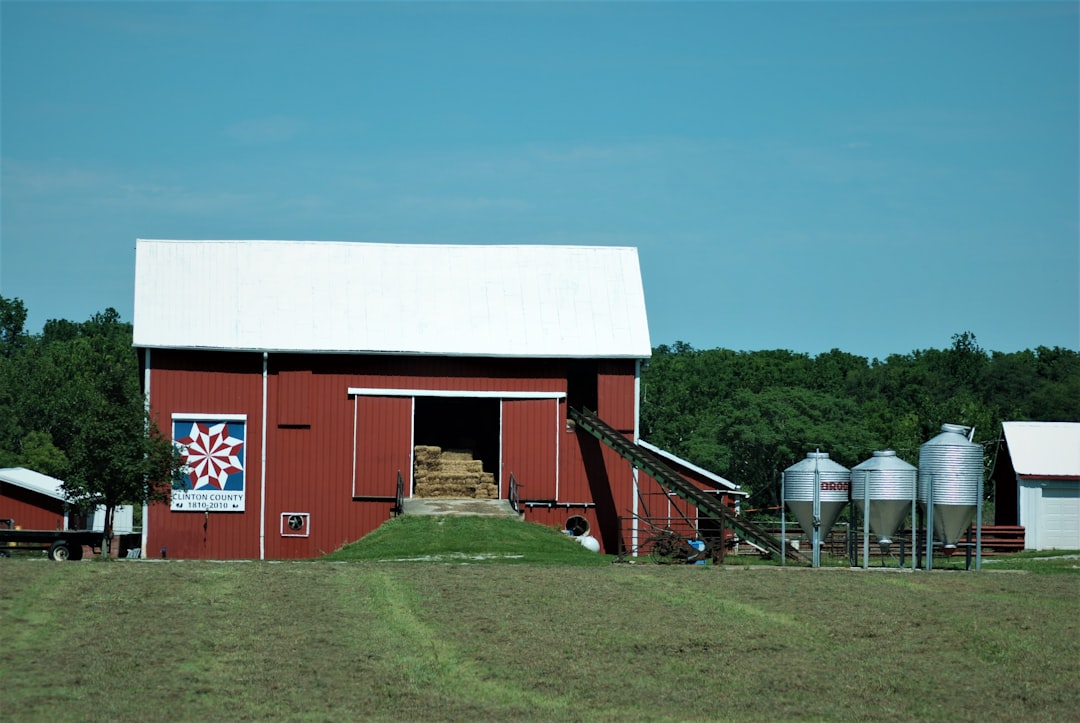
You stand at a crossroads, gazing across the vast, undulating tapestry of American agriculture. To understand this complex system is to unravel a living, breathing organism, constantly adapting and evolving. It is a monumental enterprise, a cornerstone of the nation’s economy, and a pivotal player in global food security. This article will guide you through its intricate workings, from the sprawling fields to the bustling markets, offering you a comprehensive overview of its structure, challenges, and future trajectories.
Before you delve into the intricacies, you must first grasp the foundational pillars upon which American farming rests. This is not a monolithic entity but a diverse collection of enterprises, each with its own history and operational methods. Learn more about corporate control by watching this insightful video corporate control.
Historical Context: From Subsistence to Industrialization
Your journey begins in the past, where early American agriculture was characterized by subsistence farming. You would have witnessed self-sufficient households, producing primarily for their own consumption, with small surpluses bartered or sold locally. The invention of cotton gin in the late 18th century and the subsequent expansion of commercial crops like tobacco and sugar cane marked a significant shift. The 19th century brought mechanical innovations – the steel plow, the reaper – which increased efficiency and fostered larger-scale operations.
The 20th century witnessed an agricultural revolution. You would have seen the rise of industrial farming, driven by mechanization, chemical fertilizers, and pesticides. The “Green Revolution” of the mid-20th century, though primarily focused on developing nations, significantly influenced American agricultural practices, emphasizing high-yield crop varieties and intensive cultivation. This era reshaped the landscape, moving from a system dominated by millions of small, diversified farms to one characterized by fewer, larger, and more specialized operations. This is a journey from the horse-drawn plow to autonomous tractors, a testament to relentless innovation and societal demands.
Geographic and Climatic Diversity
Consider the immense geographical breadth of the United States. From the fertile plains of the Midwest to the arid landscapes of the Southwest, and the temperate zones of the Northeast, you encounter a remarkable diversity of climates and topographies. This geographical tapestry dictates what can be grown where.
- The Corn Belt: Stretching across the Midwest, this region is a powerhouse for corn and soybean production, benefiting from rich soils and ample rainfall. You’ll find vast fields here, resembling an emerald ocean in summer, a testament to specialized crop cultivation.
- The Wheat Belt: Further west, encompassing states like Kansas and North Dakota, you enter the Wheat Belt, where hard red winter and spring wheat dominate. This region experiences drier conditions, favoring drought-tolerant grains.
- The Cotton Belt: Historically concentrated in the South, this region, while still producing cotton, has diversified into other crops like peanuts and rice, adapting to changing market demands and environmental considerations.
- Specialty Crop Regions: California, with its Mediterranean climate, is a cornucopia of fruits, vegetables, and nuts. The Pacific Northwest is renowned for its apples and berries. You see how specific climatic niches enable specialized agricultural industries to flourish.
This mosaic of geographic and climatic zones is a fundamental determinant of agricultural output, driving regional specialization and contributing to the nation’s diverse food basket.
To gain a deeper understanding of the American farming system, you might find the article on wealth accumulation in agriculture particularly insightful. It explores the economic factors that influence farming practices and the financial strategies that farmers employ to sustain their livelihoods. For more information, you can read the article here: Understanding Wealth in Agriculture.
The Pillars of Productivity: Technology and Innovation
You cannot fully grasp American agriculture without acknowledging the profound impact of technology and continuous innovation. These are the engines driving efficiency, increasing yields, and adapting to new challenges.
Mechanization and Automation
Imagine stepping onto a modern farm. You wouldn’t see legions of laborers hand-sowing seeds or harvesting crops. Instead, you’d witness a symphony of sophisticated machinery. From high-horsepower tractors equipped with GPS guidance that can plant seeds with millimeter precision, to robotic harvesters that meticulously pick fruit, automation is a defining characteristic.
- Precision Agriculture: This is where technology truly shines. You as a farmer can use satellite imagery, drones, and sensors to collect data on soil conditions, crop health, and moisture levels in real-time. This data allows for precise application of water, fertilizers, and pesticides, optimizing inputs and minimizing waste. This contrasts sharply with broadcast applications, akin to a surgeon using a scalpel instead of a blunt instrument.
- AI and Machine Learning: The integration of artificial intelligence and machine learning is still nascent but rapidly expanding. You’ll see AI-powered systems analyzing vast datasets to predict crop yields, optimize irrigation schedules, and even detect early signs of disease. Imagine a farm where autonomous robots monitor individual plants, identifying issues before they become widespread problems.
This relentless pursuit of efficiency through mechanization and automation has dramatically reduced labor requirements in agriculture, allowing fewer farmers to produce more food than ever before.
Biotechnology and Genetic Engineering
Biotechnology stands as another formidable pillar, fundamentally altering the genetic makeup of crops and livestock to enhance desirable traits. You might hear debates surrounding it, but its impact on productivity and resilience is undeniable.
- Genetically Modified Organisms (GMOs): You’re likely familiar with this term. GMO crops, engineered for traits like herbicide tolerance, insect resistance, and increased nutritional value, are widely adopted in American agriculture. For example, Bt corn produces its own insecticide, reducing the need for external chemical applications. Soybeans engineered to tolerate glyphosate (Roundup Ready) allow farmers to control weeds more effectively.
- Gene Editing (CRISPR): A more recent and precise technological advancement, CRISPR allows scientists to edit genes with unprecedented accuracy. This holds immense promise for developing crops with enhanced disease resistance, improved drought tolerance, and even novel nutritional profiles, without introducing foreign DNA. You are seeing the potential to fine-tune the genetic code of plants and animals, making them more resilient and productive.
These biotechnological advancements are not without their ethical and environmental considerations, which you will encounter in discussions surrounding food systems. However, their role in maintaining and increasing agricultural output is significant.
Economic Dynamics and Market Structures
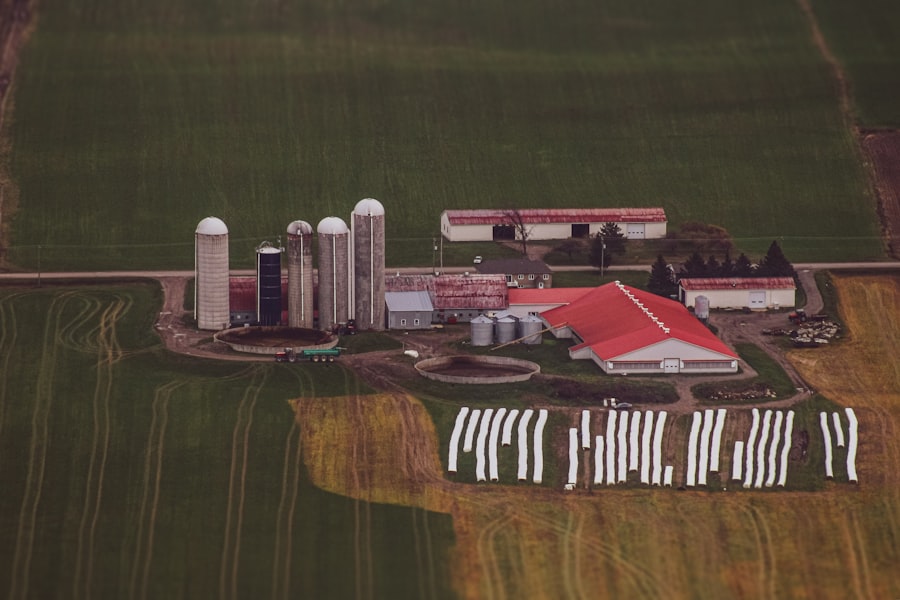
The American farming system is deeply intertwined with complex economic dynamics and market structures. You are not just observing fields; you are observing a massive economic engine with intricate supply chains and global connections.
Specialization and Scale
A defining characteristic of modern American agriculture is its intense specialization and increasing scale. You observe fewer but significantly larger farms compared to historical models.
- Monoculture: Many US farms practice monoculture, cultivating vast acreages of a single crop, such as corn or soybeans. While efficient for large-scale production and mechanization, this approach can increase susceptibility to pests and diseases and deplete soil nutrients if not managed carefully. You might compare it to a specialized factory, highly efficient at producing one item, but vulnerable to disruptions in that single production line.
- Concentration: The sheer size of many operations allows for economies of scale. You will see large farms able to negotiate better prices for inputs (seeds, fertilizers) and outputs (commodities), further consolidating their position in the market. This often means smaller, diversified farms struggle to compete on price.
This trend towards specialization and larger-scale operations has profoundly impacted rural communities, sometimes leading to the decline of small family farms and the consolidation of agricultural wealth.
Global Market Integration and Commodity Pricing
American agriculture is not confined by national borders. You are witnessing a system deeply integrated into global markets. The prices of major commodities like corn, wheat, and soybeans are determined not just by domestic supply and demand, but by international factors.
- Exports: The United States is a major exporter of agricultural products. You’ll find American grains, meats, and processed foods reaching markets across the globe. This export orientation makes American farmers vulnerable to global price fluctuations, trade policies, and geopolitical events. A drought in Brazil can impact soybean prices in Iowa, illustrating the interconnectedness.
- Futures Markets: Farmers and buyers often use futures markets to hedge against price volatility. You can observe how these financial instruments allow participants to lock in prices for future deliveries, providing a degree of stability in inherently volatile commodity markets. This is a complex financial landscape that underlies the physical movement of food.
- Subsidies and Government Programs: You will also find that government subsidies and support programs play a significant role in influencing agricultural decisions and providing a safety net for farmers. These programs can impact planting decisions, land use, and overall commodity prices. This is a deliberate policy intervention, not just a free market at play.
Understanding these global economic forces is crucial to comprehending the profitability and challenges faced by American farmers.
Environmental Footprint and Sustainability Challenges
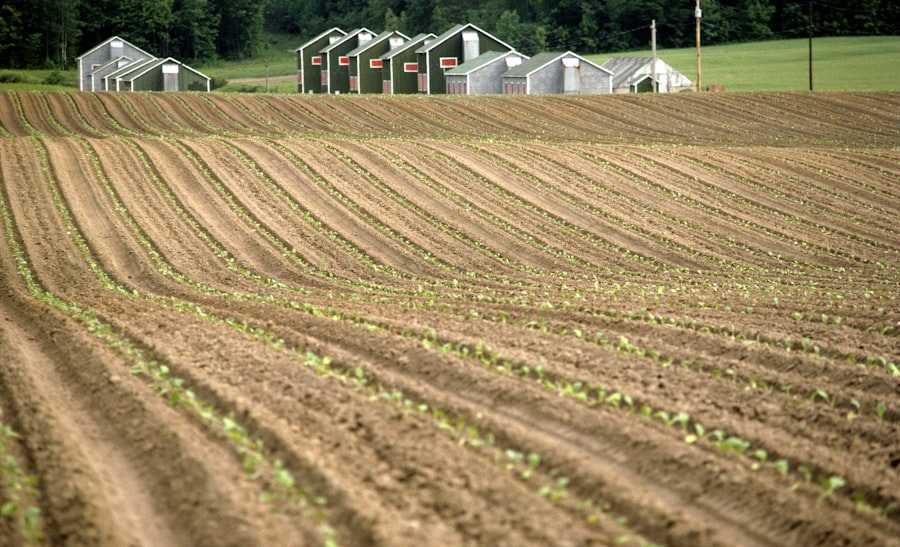
As you examine the American farming system, you must also confront its environmental footprint and the pressing challenges of sustainability. The pursuit of high yields has often come with ecological costs, which you are now tasked with mitigating.
Water Usage and Quality
Water is the lifeblood of agriculture, and its management is a critical environmental issue. You will observe how vast quantities of water are used for irrigation, particularly in arid and semi-arid regions.
- Aquifer Depletion: In areas like the Ogallala Aquifer region, you will see concerns about the depletion of underground water reserves due to excessive pumping for irrigation. This is a finite resource, and its unsustainable extraction poses a long-term threat to agricultural viability in these regions.
- Runoff and Pollution: The intensive use of fertilizers and pesticides can lead to runoff into waterways, contributing to nutrient pollution (eutrophication) and contaminating drinking water sources. You might trace the flow of excess nitrogen from a cornfield in the Midwest all the way to the Gulf of Mexico, contributing to hypoxic “dead zones.” This interconnectedness highlights the systemic nature of environmental impacts.
- Drought and Climate Change: You will recognize that climate change exacerbates water challenges, leading to increased frequency and intensity of droughts in some regions, while altering precipitation patterns in others. Farmers are increasingly compelled to adopt water-saving technologies and practices.
Addressing water scarcity and pollution is paramount for the long-term sustainability of American agriculture.
Soil Degradation and Biodiversity Loss
Soil is the foundation of terrestrial life, and you will observe how agricultural practices can both nurture and degrade this vital resource.
- Erosion: Conventional tillage practices, where soil is repeatedly plowed, can leave it vulnerable to wind and water erosion, leading to the loss of fertile topsoil. You might see dust storms in dry regions or muddy rivers after heavy rains, visual manifestations of soil loss.
- Nutrient Depletion: Monoculture and intensive farming can deplete specific soil nutrients over time, necessitating increased reliance on synthetic fertilizers. This is a cycle that can reduce the soil’s natural fertility and microbial health.
- Pesticide Impact: The widespread use of pesticides, while effective in controlling pests, can have unintended consequences. You will learn about their potential to harm beneficial insects (like pollinators), soil microorganisms, and local wildlife, contributing to a decline in biodiversity within agricultural landscapes.
- Habitat Loss: The conversion of natural habitats (grasslands, forests) into agricultural land has been a major driver of biodiversity loss. You see vast tracts of land dedicated to a single crop, displacing diverse ecosystems that once thrived there.
Sustainable soil management practices, including no-till farming, cover cropping, and diversified rotations, are gaining traction as solutions to mitigate these issues and restore soil health.
To gain a deeper understanding of the American farming system, you might find it helpful to explore the article on agricultural practices and their economic implications. This resource provides valuable insights into the complexities of farming in the United States and how various factors influence productivity and sustainability. For more information, you can read the article here.
The Future of American Farming: Challenges and Opportunities
| Metric | Description | Value | Unit |
|---|---|---|---|
| Number of Farms | Total number of farms in the United States | 2.02 million | farms |
| Average Farm Size | Average size of farms in the U.S. | 444 | acres |
| Farm Types | Percentage distribution of farm types | Crop: 60%, Livestock: 40% | percent |
| Top Crops | Leading crops by acreage | Corn, Soybeans, Wheat | n/a |
| Farm Income Sources | Breakdown of income sources for farms | Crop sales: 70%, Livestock sales: 25%, Other: 5% | percent |
| Farm Labor | Number of hired farm workers | 900,000 | workers |
| Organic Farms | Number of certified organic farms | 16,500 | farms |
| Farm Debt | Average debt per farm | 300,000 | units |
| Farm Subsidies | Percentage of farms receiving government subsidies | 40% | percent |
As you look ahead, the American farming system faces a confluence of significant challenges and promising opportunities. Its ability to adapt will determine its continued success and its capacity to feed a growing global population.
Climate Change Adaptation and Mitigation
Climate change is not a distant threat; it is a present reality for many farmers. You will see its effects manifested in altered growing seasons, extreme weather events, and new pest pressures.
- Adaptation Strategies: Farmers are adapting by cultivating more drought-resistant crop varieties, investing in efficient irrigation systems, and adjusting planting and harvesting schedules. You might even find farms exploring controlled environment agriculture, such as vertical farms, to minimize climate-related risks.
- Mitigation Practices: Agriculture also has a role in mitigating climate change. You will learn about practices like carbon sequestration in soils through no-till farming and cover cropping, reducing methane emissions from livestock, and utilizing renewable energy sources on farms. These are efforts to turn agriculture into a climate solution, not just a contributor to the problem.
The future of American agriculture will heavily depend on its resilience in the face of a changing climate.
Food Security and Global Demands
You stand contemplating a world population projected to reach nearly 10 billion by 2050, requiring a significant increase in food production. American agriculture, as a major global food supplier, plays a crucial role in addressing this challenge.
- Efficiency Gains: Continued advancements in technology and agricultural practices will be essential to boost yields and minimize waste. You will see a greater emphasis on resource efficiency, squeezing more output from fewer inputs.
- Diversification: While specialization has driven efficiency, there is a growing recognition of the benefits of diversification, both in terms of crop varieties and farming models, to enhance resilience and nutritional output. You might observe a shift towards more integrated farming systems that combine crops and livestock.
- Reduced Food Waste: A staggering amount of food is wasted at various stages of the supply chain, from farm to fork. You will learn about initiatives aimed at reducing this waste, effectively increasing the available food supply without needing to grow more. This is a critical leverage point in the food security equation.
Meeting future food demands sustainably will require a multifaceted approach, blending technological innovation with ecological stewardship.
Consumer Preferences and Health Concerns
The modern consumer is increasingly discerning, influencing agricultural practices through their purchasing decisions. You will witness a growing demand for transparency, ethical production, and healthier food options.
- Organic and Local Movements: The rise of organic farming and local food movements reflects a consumer desire for products grown with fewer synthetic inputs and a shorter supply chain. You might frequent farmers’ markets, connecting directly with producers, a stark contrast to the anonymous commodity markets.
- Animal Welfare: Concerns about animal welfare in conventional livestock production are leading to demand for pasture-raised, cage-free, and antibiotic-free animal products. You see how consumer ethics are shaping agricultural standards and practices.
- Nutritional Value and Transparency: Consumers are increasingly interested in the nutritional content of their food and seek clear labeling regarding origin, ingredients, and production methods. This pushes the industry towards greater accountability and innovation in product development.
These evolving consumer preferences act as a powerful force, driving changes in agricultural production toward more sustainable, humane, and health-conscious methods. You are not only a beneficiary of this system but also an active participant in shaping its future direction through your choices.
FAQs
What is the American farming system?
The American farming system refers to the methods, practices, and infrastructure used in the United States to cultivate crops and raise livestock. It includes a wide range of agricultural activities, from small family farms to large industrial operations.
What types of farming are common in the United States?
Common types of farming in the U.S. include crop farming (such as corn, soybeans, wheat, and cotton), livestock farming (cattle, poultry, and hogs), dairy farming, and specialty farming (fruits, vegetables, and organic farming).
How has technology impacted American farming?
Technology has significantly increased productivity and efficiency in American farming. Innovations such as GPS-guided equipment, genetically modified crops, precision agriculture, and automated machinery have transformed traditional farming practices.
What role do government policies play in American farming?
Government policies, including subsidies, crop insurance, and conservation programs, play a crucial role in supporting farmers, stabilizing markets, and promoting sustainable practices within the American farming system.
What are the main challenges facing American farmers today?
Challenges include climate change, soil degradation, water scarcity, fluctuating market prices, trade uncertainties, labor shortages, and the need to balance productivity with environmental sustainability.
How does American farming contribute to the economy?
American farming is a vital part of the economy, providing food and raw materials, supporting rural communities, creating jobs, and contributing billions of dollars annually through agricultural exports and related industries.
What is the difference between conventional and organic farming in the U.S.?
Conventional farming often uses synthetic fertilizers, pesticides, and genetically modified organisms (GMOs), while organic farming avoids synthetic chemicals and GMOs, focusing on natural inputs and sustainable practices.
How is sustainability addressed in the American farming system?
Sustainability efforts include soil conservation, water management, crop rotation, reduced chemical use, and adoption of renewable energy sources to minimize environmental impact and ensure long-term productivity.
What is the average size of farms in the United States?
The average farm size in the U.S. is approximately 444 acres, but this varies widely depending on the type of farming and geographic region.
How does the American farming system affect food security?
The American farming system plays a critical role in ensuring food security by producing a large portion of the nation’s food supply and exporting agricultural products worldwide.