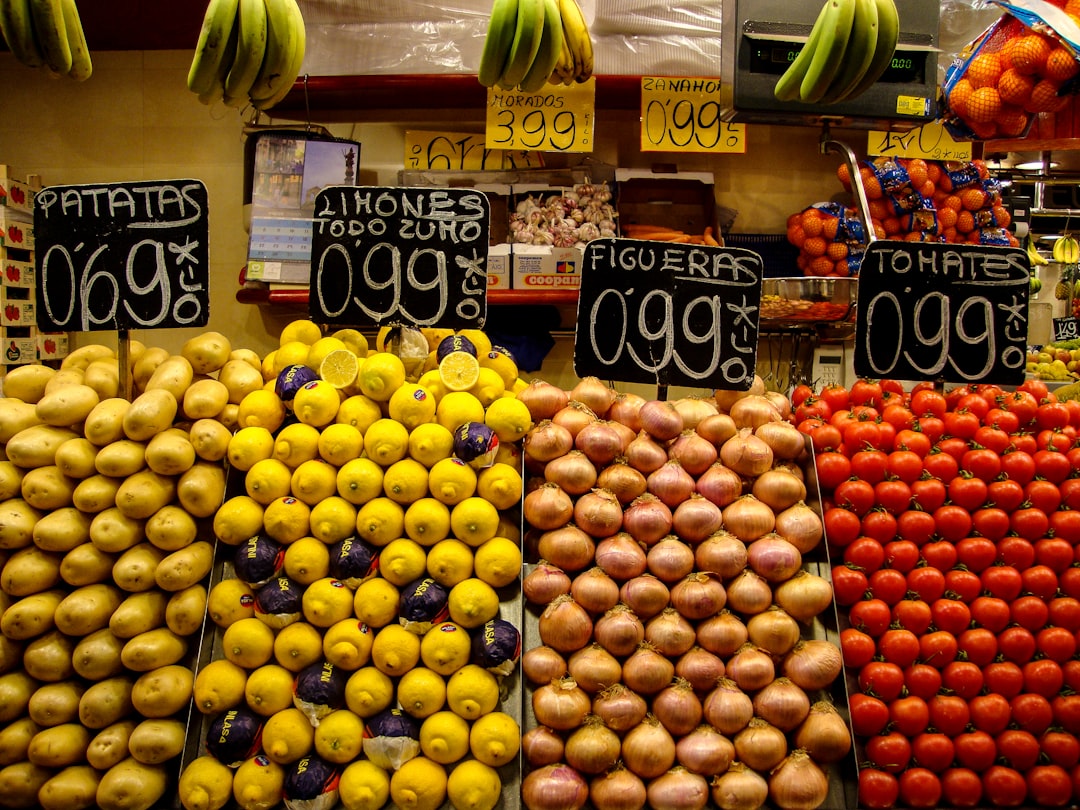
You’re at the grocery store, staring at the price of your favorite cereal. It’s gone up again. You might grumble, wondering why it seems like everything is getting more expensive. You’re not alone. Many factors contribute to fluctuating food prices, but one often overlooked and insidious culprit is corporate greed. This article will dissect how the relentless pursuit of profit, often at the expense of ethical considerations, significantly impacts the cost of your groceries. You’ll discover how corporations, like a silent, invisible hand, are shaping your weekly food bill.
You might envision a diverse marketplace with numerous competitors vying for your business. However, in the food industry, this is increasingly a bygone era. A stark reality is that a handful of colossal corporations now dominate vast swathes of the food supply chain, giving them unprecedented control over pricing. Learn more about corporate control and its impact on global markets.
Consolidation at Every Stage
Imagine a mighty river, once flowing freely with many tributaries, now funneled into a few massive channels. That’s the food supply chain today. From seed production to processing and retail, you’ll find an alarming concentration of power.
- Seed Duopoly: You might not even realize that a few companies control a significant portion of the global seed market. This dominance allows them to dictate terms to farmers, often leaving them with limited choices and higher input costs. When farmers pay more for seeds, you eventually pay more for the food grown from them. It’s a direct pass-through, a burden you ultimately bear.
- Processor Powerhouses: Once harvested, your food often journeys to a processing plant. Here again, a handful of large corporations control the majority of processing capacity. This centralization gives them immense leverage to set prices for both agricultural producers and retailers. They can, for example, squeeze farmers on one end and push up prices for supermarkets on the other, creating a dual impact on your wallet.
- Retail Giants: Finally, when you push your shopping cart around the aisles, you’re likely in a supermarket owned by one of the few dominant chains. These retail giants wield immense buying power and can pressure suppliers for lower prices, but this doesn’t always translate into savings for you. Instead, they can choose to widen their profit margins, turning your savings into their gain.
The Erosion of Competition
When fewer players control the market, the natural forces of competition, which typically keep prices in check, weaken considerably. You lose the benefit of companies competing to offer you the best value.
- Price Coordination: In industries with limited competition, companies don’t necessarily need to collude explicitly (though antitrust investigations sometimes reveal this). They can simply observe each other’s pricing strategies and adjust their own to maintain healthy profit margins, knowing that customers have few genuine alternatives. It’s like a silent agreement, an unspoken understanding that benefits them at your expense.
- Barriers to Entry: The sheer scale and capital required to compete with existing food giants are astronomical. This creates significant barriers for new, smaller companies, perpetuating the dominance of the incumbents. You’re stuck navigating a landscape shaped by these titans.
Corporate greed has a significant impact on food prices, as companies often prioritize profit margins over fair pricing and ethical sourcing. This phenomenon is explored in detail in the article “How Corporate Greed Drives Up Food Prices,” which examines the various ways in which large corporations manipulate supply chains and market dynamics to maximize their profits at the expense of consumers. For further insights into this pressing issue, you can read the article here: How Corporate Greed Drives Up Food Prices.
Price Gouging and Speculation
You might assume that food prices primarily reflect the costs of production and distribution. While these are certainly factors, you’ll find that “corporate greed” often manifests in practices that artificially inflate prices beyond what genuine market forces would dictate.
Exploiting Supply Chain Disruptions
When unforeseen events disrupt the supply chain – a bad harvest, a pandemic, or geopolitical instability – you might expect prices to rise organically due to scarcity. However, corporations often seize these moments not just to reflect increased costs, but to significantly enhance their profits.
- Crisis Profiteering: During times of crisis, when demand remains consistent or even increases, and supply is constrained, companies have an opportunity to push prices higher under the guise of “market conditions.” You see this as the price of a core commodity like wheat or oil jumping, and then the prices of nearly everything else following suit, often disproportionately. It’s like a ripple effect, but at each stage, a hand subtly nudges the ripple to become a wave.
- Inflated Input Costs: Corporations frequently attribute price increases to rising input costs (e.g., fuel, labor, raw materials). While these costs can genuinely increase, you’ll often find that the price increases passed on to you are far greater than the actual rise in their expenses, widening their profit margins. They’re effectively charging you a premium for their “troubles.”
Financialization of Food
You might think of food as a basic necessity, but for many financial institutions, it’s another commodity to speculate on. This “financialization” of food markets can create volatile price swings, independent of actual supply and demand.
- Commodity Futures Markets: Food staples like wheat, corn, and soybeans are traded on commodity exchanges. Investors can buy and sell contracts for future delivery of these goods. While these markets can provide price stability, they also become arenas for speculative trading, where profits are made from price fluctuations. You might not realize it, but the price of your bread could be influenced by a hedge fund manager’s bet in Chicago.
- Algorithmic Trading: Sophisticated algorithms can execute trades at lightning speed, often exacerbating market volatility. These algorithms don’t care about hunger or nutritional needs; they only seek profit, sometimes causing significant price spikes that ultimately filter down to your grocery bill. It’s a high-stakes game where your daily sustenance is a chip on the table.
The Illusion of Choice and Shrinkflation
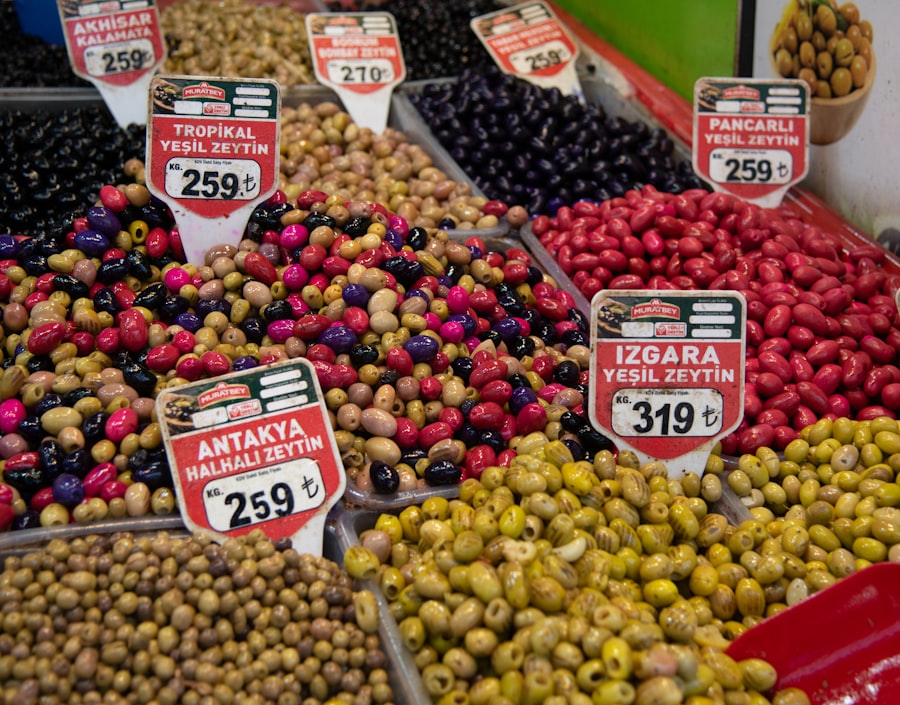
You stand in front of a supermarket shelf, seemingly confronted with a vast array of brands. However, you might be surprised to learn that this apparent diversity often masks a deeper consolidation, leading to less genuine choice and more subtle forms of price increases.
Brand Portfolio Domination
You pick up a yogurt, then a bag of chips, then a soft drink. Each has a different brand name. But often, you’re still buying from the same parent company. Corporations acquire smaller brands not necessarily to foster competition but to consolidate market share and eliminate rivals.
- Stealth Monopoly: A single food conglomerate might own multiple seemingly competing brands within the same product category. This gives them immense pricing power. You might think you’re choosing between Brand A and Brand B, but in reality, you’re merely choosing between two products from the same corporate umbrella. It’s like choosing between two doors, only to find they both lead to the same room.
- Limited Innovation: When there’s little genuine competition, the incentive for true innovation – leading to better quality or lower prices – diminishes. Instead, companies focus on incremental changes or marketing ploys to maintain their market position. You’re often paying more for essentially the same thing, just repackaged.
Shrinkflation: Paying More for Less
You might celebrate if the price of your favorite snack hasn’t gone up. But have you noticed the package feels a little lighter? This subtle tactic is known as shrinkflation, and it’s a direct consequence of corporations seeking to maintain or increase profits without overtly raising prices.
- Reduced Product Size: Companies reduce the amount of product in a package while keeping the price the same, or even slightly increasing it. Your container of ice cream might now hold 1.5 liters instead of 2, or your chocolate bar is slightly thinner. You’re getting less for your money without a visible price hike per unit. It’s a stealth tax on your consumption.
- Ingredient Downgrading: Sometimes, instead of reducing quantity, companies substitute cheaper, often lower-quality, ingredients. You’re paying the same or more for a product that is objectively inferior. This allows them to cut costs and boost margins, again, at your expense.
Marketing and Advertising Spending
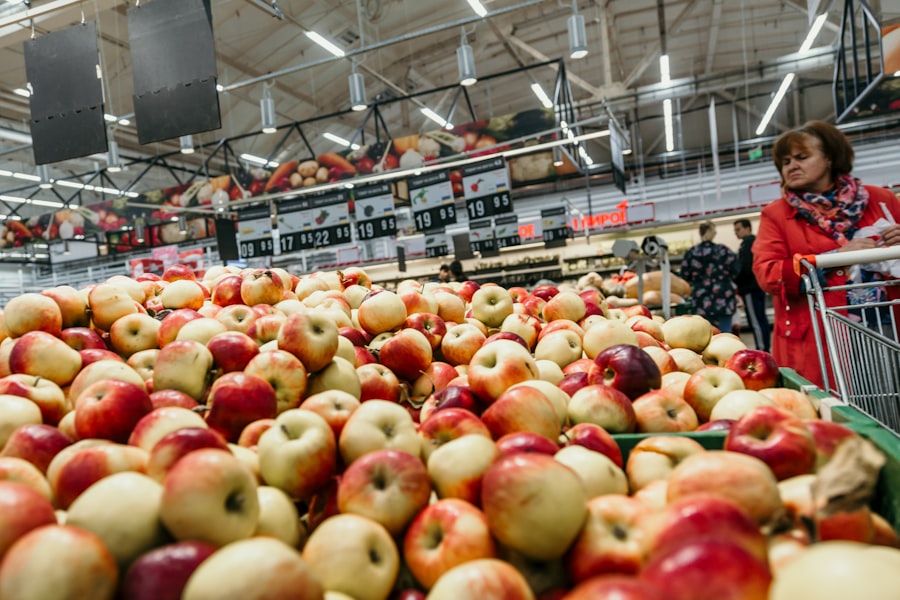
You’re bombarded by advertisements for food products daily. From catchy jingles to celebrity endorsements, corporations spend billions trying to convince you to buy their products. This massive investment in marketing is not free; it’s a cost that is ultimately passed on to you in the form of higher prices.
Creating Perceived Value
Marketing isn’t just about informing you; it’s about shaping your perception and creating demand. Corporations skillfully craft narratives to make you believe their product is superior, even if the underlying ingredients are similar to a cheaper alternative.
- Brand Loyalty Premiums: Through consistent and pervasive advertising, companies cultivate brand loyalty. Once you’re loyal to a particular brand, you’re often willing to pay a premium for it, even when store-brand or generic alternatives offer comparable quality at a lower cost. You’ve been conditioned to associate quality with a specific name.
- Emotional Connections: Food advertising often taps into your emotions – comfort, nostalgia, health, family. This emotional appeal bypasses rational price comparisons. You’re buying into an experience or an ideal, not just a product, and that experience comes with a price tag.
The Cost of Exposure
The sheer volume of advertising you see and hear represents an enormous financial outlay for corporations. This expense doesn’t magically disappear; it’s factored into the cost of goods sold.
- Media Buying Spree: Corporations spend vast sums buying advertising slots on television, radio, online platforms, and in print. This directly inflates the base cost of their products. You’re effectively subsidizing their advertising budgets with every purchase.
- Packaging and Design: Beyond media, the sophisticated, eye-catching packaging designed to stand out on crowded shelves also adds to the product’s cost. You’re paying for the aesthetics, not just the sustenance.
Corporate greed has a significant impact on food prices, often leading to inflated costs that burden consumers. This phenomenon is explored in depth in a related article that discusses how profit-driven motives can distort supply chains and create artificial scarcity. For those interested in understanding the broader implications of this issue, the article can be found here. By examining the interplay between corporate practices and market dynamics, readers can gain valuable insights into the factors that contribute to rising food expenses.
Lobbying and Political Influence
| Metric | Description | Impact of Corporate Greed | Example Data |
|---|---|---|---|
| Food Price Inflation Rate | Annual percentage increase in food prices | Higher profit margins lead to increased prices beyond production costs | 5-10% increase annually in processed food prices |
| Market Concentration Ratio | Percentage of market controlled by top 4 food corporations | High concentration allows price manipulation and reduced competition | Top 4 firms control 70-80% of processed food market |
| Retail Markup Percentage | Difference between wholesale and retail price as a percentage | Corporate greed inflates markups to maximize profits | Retail markups can reach 30-50% on staple foods |
| Food Waste Percentage | Proportion of food discarded due to overproduction or marketing strategies | Excess production driven by profit motives increases waste and costs | Approximately 30-40% of food produced is wasted |
| Farmer Income Share | Percentage of final food price received by farmers | Corporate greed reduces farmer share, increasing prices for consumers | Farmers receive only 15-20% of retail price |
You might assume that economic forces are the sole drivers of food prices, but you’d be overlooking a powerful, often hidden, influence: corporate lobbying. Food corporations invest heavily in shaping agricultural policies and regulations to their advantage, often at your detriment as a consumer.
Shaping Agricultural Policy
Like a gardener carefully tending their plot, corporate lobbyists meticulously cultivate policies that benefit their bottom line, even if it means higher prices for you.
- Subsidies for Commodity Crops: Large food corporations often advocate for government subsidies that favor the production of a few large-scale commodity crops like corn, soy, and wheat. While seemingly designed to support farmers, these subsidies primarily benefit large agricultural businesses and the corporations that process these crops, leading to an oversupply of ingredients for highly processed foods, often at lower prices for the corporations, but not necessarily for you in the final product. Conversely, healthier, specialty crops often receive less support, making them more expensive.
- Environmental Regulations: You might think environmental regulations are essential for the planet and public health. However, corporations often lobby against stricter environmental controls, claiming they increase production costs. While some costs might genuinely arise, the primary motivation is to avoid expenses that would undoubtedly impact their profit margins. The environmental degradation, in turn, can have long-term impacts on food systems, potentially leading to future price increases or scarcity.
Weakening Antitrust Enforcement
You rely on government regulations to prevent monopolies and ensure fair competition. However, powerful corporations actively work to weaken these very mechanisms.
- Lax Merger Reviews: Lobbying efforts often result in a more lenient approach from regulatory bodies when reviewing proposed mergers and acquisitions in the food sector. This allows corporations to consolidate further, strengthening their market dominance and ability to dictate prices. You lose another avenue for competition.
- Revolving Door Politics: It’s common to see individuals move between high-ranking positions in food corporations and government regulatory bodies. This “revolving door” can lead to policies that favor industry interests over public welfare, making it harder for you to find affordable, quality food. It’s like having the fox guard the hen house.
You are not merely a passive recipient of these economic forces. Understanding how corporate greed impacts food prices empowers you to make informed choices, advocate for greater transparency, and support policies that promote a more equitable and affordable food system. Your grocery bill is more than just a transaction; it’s a reflection of complex dynamics shaped by powerful interests.
FAQs
What is corporate greed in the context of food prices?
Corporate greed refers to the pursuit of excessive profits by large food corporations, often at the expense of fair pricing, ethical practices, and consumer welfare. This can lead to inflated food prices as companies prioritize maximizing earnings over affordability.
How does corporate greed contribute to higher food prices?
Corporate greed can lead to higher food prices through practices such as price-fixing, monopolistic control of supply chains, reducing competition, and increasing markups. Large corporations may also cut costs in ways that reduce supply or quality, indirectly driving prices up.
Are food prices solely influenced by corporate greed?
No, food prices are influenced by multiple factors including supply and demand, weather conditions, transportation costs, government policies, and global market trends. Corporate greed is one factor among many that can impact pricing.
What role do monopolies play in food pricing?
Monopolies or oligopolies in the food industry can limit competition, allowing a few corporations to control prices and supply. This market dominance can lead to higher prices and fewer choices for consumers.
Can corporate greed affect food quality as well as price?
Yes, in some cases, corporate greed can lead to cost-cutting measures that compromise food quality, safety, and nutritional value, as companies focus on maximizing profits rather than maintaining standards.
How can consumers protect themselves from the effects of corporate greed on food prices?
Consumers can support local farmers, buy from cooperatives, choose smaller or ethical brands, and advocate for stronger regulations and transparency in the food industry to help counteract the effects of corporate greed.
What measures can governments take to reduce the impact of corporate greed on food prices?
Governments can enforce antitrust laws, regulate pricing practices, promote competition, support small-scale producers, and implement policies that increase transparency and fairness in the food supply chain.
Is corporate greed a recent phenomenon in the food industry?
No, concerns about corporate greed in the food industry have existed for decades, but globalization, consolidation of companies, and complex supply chains have intensified its impact on food prices in recent years.