
You’ve likely noticed it yourself: the cost of your weekly grocery haul seems to be steadily climbing, a relentless ascent that makes your budget feel like a stretched rubber band. This isn’t an illusion; it’s a stark reality, intricately linked to the complex web of global commerce that delivers food from farm to fork. The culprit? Supply chain disruptions, a catch-all term for the multitude of obstacles that impede the smooth flow of goods. Imagine a finely tuned orchestra, each instrument playing its part in perfect harmony. Now envision a sudden, cacophonous interruption – a broken string, a lost score, a missing musician. The entire performance suffers. This is what you’re witnessing in the grocery aisle.
Before delving into the disruptions, it’s crucial for you to grasp the fundamental nature of a supply chain. It’s far more than just trucks and warehouses; it’s a multi-layered ecosystem connecting countless entities. Learn more about the impact of corporate control on global markets.
From Farm to Table: A Complex Journey
Your breakfast cereal, for instance, embarks on a journey that begins with a farmer planting grains. These grains are then harvested, transported to a mill for processing, packaged, and distributed to a grocery store, eventually landing in your shopping cart. Each of these stages involves a myriad of stakeholders:
- Producers: Farmers, ranchers, fishermen – the initial sources of raw materials.
- Processors: Facilities that transform raw materials into edible products (e.g., flour mills, dairies, meatpacking plants).
- Manufacturers: Companies that assemble ingredients into finished goods (e.g., bakeries, cereal companies).
- Logistics Providers: Shipping companies, trucking firms, railways, and air cargo – the arteries of the supply chain.
- Distributors: Wholesalers and warehouses that store and manage inventory before it reaches retailers.
- Retailers: Supermarkets, convenience stores, and online grocers where you make your purchases.
Interdependencies and Vulnerabilities
This intricate network operates on a principle of interdependency. A tremor in one part of the system can send ripple effects throughout. For example, a shortage of packaging materials impacts manufacturers, who then struggle to supply retailers. This inherent interconnectedness also creates vulnerabilities, making the entire system susceptible to shocks. Imagine a row of dominoes; knock over the first one, and the rest inevitably follow.
The rising grocery prices have become a significant concern for many households, and understanding the underlying factors is crucial. A related article that delves into the reasons behind these price increases can be found at this link. It explores various elements such as supply chain disruptions, inflation, and increased demand, providing valuable insights into why consumers are feeling the pinch at the checkout counter.
Major Drivers of Supply Chain Disruptions
The grocery price hikes you’re experiencing are not due to a single cause but rather a confluence of factors, each acting as a wrench in the gears of the global food delivery system.
Global Events and Geopolitical Tensions
The world is a volatile place, and political instability or large-scale events can have profound and immediate impacts.
The COVID-19 Pandemic’s Lingering Shadow
The pandemic was a seismic event that exposed the fragility of global supply chains. Lockdowns, travel restrictions, and a sudden shift in consumer demand created unprecedented challenges:
- Labor Shortages: Illness and fear led to a reduction in workforce across all stages of the supply chain, from farmworkers to truck drivers and grocery store staff.
- Port Congestion: Massive increases in online shopping led to a surge in cargo at ports, resulting in significant delays and backlogs. Container ships, like ships waiting to enter a crowded harbor, sat idle for weeks.
- Factory Closures: Manufacturing facilities, particularly in key processing hubs, faced temporary or permanent shutdowns.
Geopolitical Conflicts and Trade Wars
Conflicts, such as the war in Ukraine, directly affect the global supply of essential commodities. Ukraine and Russia are major exporters of wheat, sunflower oil, and fertilizers. When their ability to export is hampered, global prices for these commodities inevitably rise. Trade disputes, characterized by tariffs and sanctions, also act as artificial barriers, increasing the cost of imports and exports.
Climate Change and Extreme Weather Events
Nature itself is becoming an increasingly unpredictable and disruptive force.
Impact on Agricultural Production
Farmers are on the frontline of climate change. Droughts, floods, heatwaves, and unseasonable frosts devastate harvests:
- Crop Yield Reductions: Extreme weather directly reduces the quantity of food produced, leading to scarcity.
- Increased Input Costs: Farmers face higher costs for irrigation, pest control, and replanting after weather-related damage.
- Regional Specialization Risks: Many regions specialize in specific crops (e.g., California for almonds, Florida for citrus). A disaster in one such region can have outsized impacts on global supply.
Disruption to Transportation Infrastructure
Severe weather events can also cripple transportation networks. Hurricanes can damage roads and ports, blizzards can close highways, and heavy rains can make rural roads impassable, preventing harvested goods from reaching markets. Imagine a river that suddenly dries up or overflows its banks; the boats carrying goods can no longer navigate effectively.
Regulatory Changes and Policy Shifts
Governmental decisions, both domestic and international, can significantly alter the operational landscape of supply chains.
Environmental Regulations
New environmental rules, while beneficial for the planet, can sometimes increase operational costs for businesses:
- Emission Standards: Stricter standards for trucking fleets or manufacturing plants might necessitate investment in new equipment, the cost of which is often passed onto the consumer.
- Packaging Restrictions: Regulations on plastic packaging, for instance, might force companies to adopt more expensive alternative materials.
Labor Laws and Immigration Policies
Changes in labor laws, including minimum wage increases or regulations on working hours, can affect labor costs, particularly in labor-intensive sectors like agriculture and food processing. Immigration policies can influence the availability of migrant workers who often fill crucial roles in these industries.
Mechanisms of Price Transmission
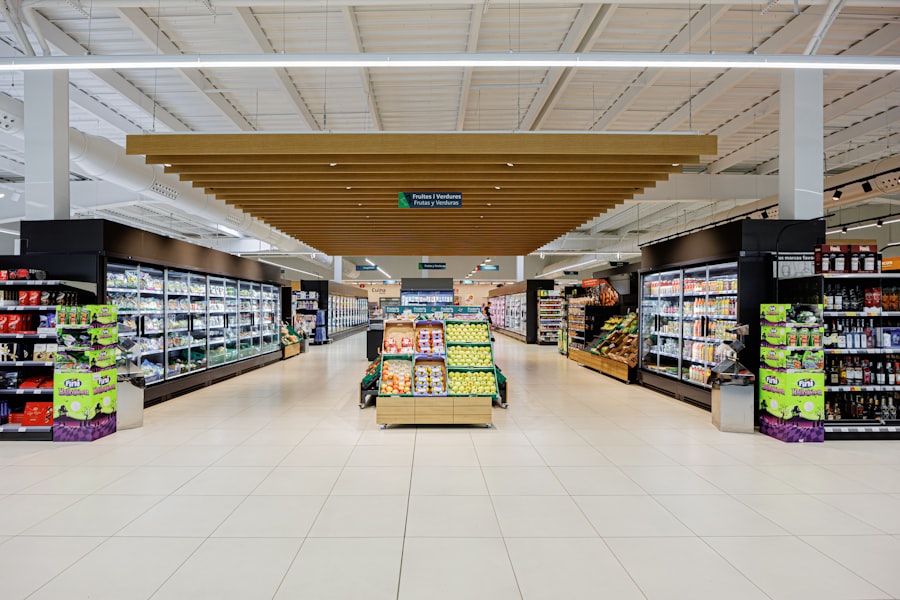
When disruptions occur, their effects don’t immediately translate to higher prices in your local supermarket. There’s a complex chain of events that transmits these shocks.
Increased Production Costs
The most direct impact of disruptions is an increase in the cost of producing food.
Raw Material and Input Price Volatility
When harvests fail due or geopolitical conflicts limit supply, the cost of raw agricultural commodities like wheat, corn, and soybeans rises. Furthermore, disruptions can impact the availability and price of essential inputs for farming, such as:
- Fertilizers: Russia and Belarus are major fertilizer exporters; sanctions and conflict have driven prices sky-high.
- Animal Feed: Higher grain prices translate directly into higher feed costs for livestock, impacting meat, dairy, and egg prices.
- Energy Costs: The production and transportation of food are energy-intensive. Fluctuations in oil and gas prices directly increase operational costs for farms, processing plants, and transporters.
Labor and Energy Expenses
Beyond raw materials, the cost of labor and energy forms a significant portion of food production expenses. Labor shortages, as seen during the pandemic, can drive up wages as companies compete for workers. Similarly, rising fuel prices for trucks, ships, and agricultural machinery directly contribute to higher costs that must eventually be absorbed or passed on.
Supply-Demand Imbalances
The fundamental principle of economics dictates that when supply decreases and demand remains constant (or increases), prices will rise.
Shortages and Scarcity
Disruptions can lead to outright shortages of certain products. If a major growing region for a particular fruit experiences a catastrophic frost, the total available supply plummets. When there isn’t enough of a product to meet demand, its market value increases. This is the classic supply-demand squeeze.
Hoarding and Panic Buying
During times of uncertainty, both consumers and businesses can engage in panic buying or hoarding. Consumers may clear shelves, anticipating future shortages, while businesses might increase their inventory to insulate themselves from potential supply chain failures. While understandable, this behavior exacerbates existing shortages and further drives up prices.
The Long-Term Outlook and Your Role

So, what does this all mean for you, the consumer? The current landscape suggests that these disruptions aren’t fleeting anomalies but rather a persistent challenge shaping global food systems.
Resilience and Adaptation
Businesses are actively seeking ways to build more resilient supply chains. This includes:
- Diversification: Sourcing ingredients and products from multiple regions rather than relying on a single source.
- Nearshoring/Reshoring: Moving production closer to consumer markets to reduce transportation distances and geopolitical risks.
- Technology Integration: Utilizing data analytics, AI, and automation to optimize inventory management, predict demand, and identify potential disruptions early.
- Building Buffer Stock: Maintaining larger inventories of critical components or finished goods to weather short-term shocks.
Implications for Consumers
For you, this translates to both challenges and potential opportunities.
Continued Price Volatility
Expect continued price fluctuations as supply chains remain susceptible to global events. Being adaptable in your shopping habits – choosing seasonal and locally available produce, being open to alternative ingredients – can help mitigate the impact.
Importance of Local Food Systems
The vulnerabilities of global supply chains highlight the importance of strengthening local and regional food systems. Supporting local farmers and producers can offer a degree of insulation from international shocks, create shorter supply chains, and potentially offer fresher products. Imagine a robust local garden versus relying solely on distant fields; the former offers a degree of self-sufficiency.
Informed Choices
Understanding the underlying causes of price increases empowers you to make more informed purchasing decisions and to advocate for policies that promote food security and supply chain resilience. Your awareness as a consumer plays a subtle but vital role in guiding the market towards more sustainable practices.
In conclusion, the rising grocery prices you encounter are not random acts of capitalism but rather a direct consequence of a global supply chain ecosystem under immense pressure. From geopolitical storms and climate change to the aftermath of a global pandemic, each disruption acts as a stone thrown into a pond, creating ripples that eventually reach your dinner table. Recognizing these complex interconnections is the first step towards navigating a future where food security and affordability will increasingly depend on the adaptability and resilience of our global food supply.
FAQs
Why are grocery prices higher than usual right now?
Grocery prices are higher due to a combination of factors including supply chain disruptions, increased transportation costs, labor shortages, and higher prices for raw materials and commodities.
How do supply chain issues affect grocery prices?
Supply chain disruptions can lead to delays and shortages of products, which reduce supply and increase costs for retailers. These increased costs are often passed on to consumers in the form of higher prices.
What role does inflation play in rising grocery prices?
Inflation causes the general price level of goods and services to rise, including food items. When inflation is high, the cost of producing and distributing groceries increases, leading to higher prices at the store.
Are labor shortages contributing to higher grocery prices?
Yes, labor shortages in farming, processing, transportation, and retail sectors can increase operational costs. Employers may raise wages to attract workers, and these higher labor costs can contribute to increased grocery prices.
How do fuel and transportation costs impact grocery prices?
Fuel price increases raise the cost of transporting goods from farms and factories to stores. Higher transportation costs add to the overall expense of getting products to market, which can result in higher prices for consumers.
Is food waste affecting grocery prices?
Food waste can contribute indirectly by reducing the effective supply of food products. When more food is wasted, producers may need to produce more to meet demand, increasing costs that can be reflected in retail prices.
Are certain types of groceries more affected by price increases?
Yes, perishable items like fresh produce, meat, and dairy often experience more significant price fluctuations due to their sensitivity to supply chain issues and labor availability. Processed and packaged goods may also be affected but sometimes to a lesser extent.
Can weather and climate events influence grocery prices?
Extreme weather events such as droughts, floods, and storms can damage crops and disrupt production, leading to reduced supply and higher prices for affected food items.
What can consumers do to manage high grocery prices?
Consumers can compare prices, buy in bulk when possible, choose seasonal and local products, use coupons and discounts, and plan meals to reduce waste and save money during periods of high grocery prices.