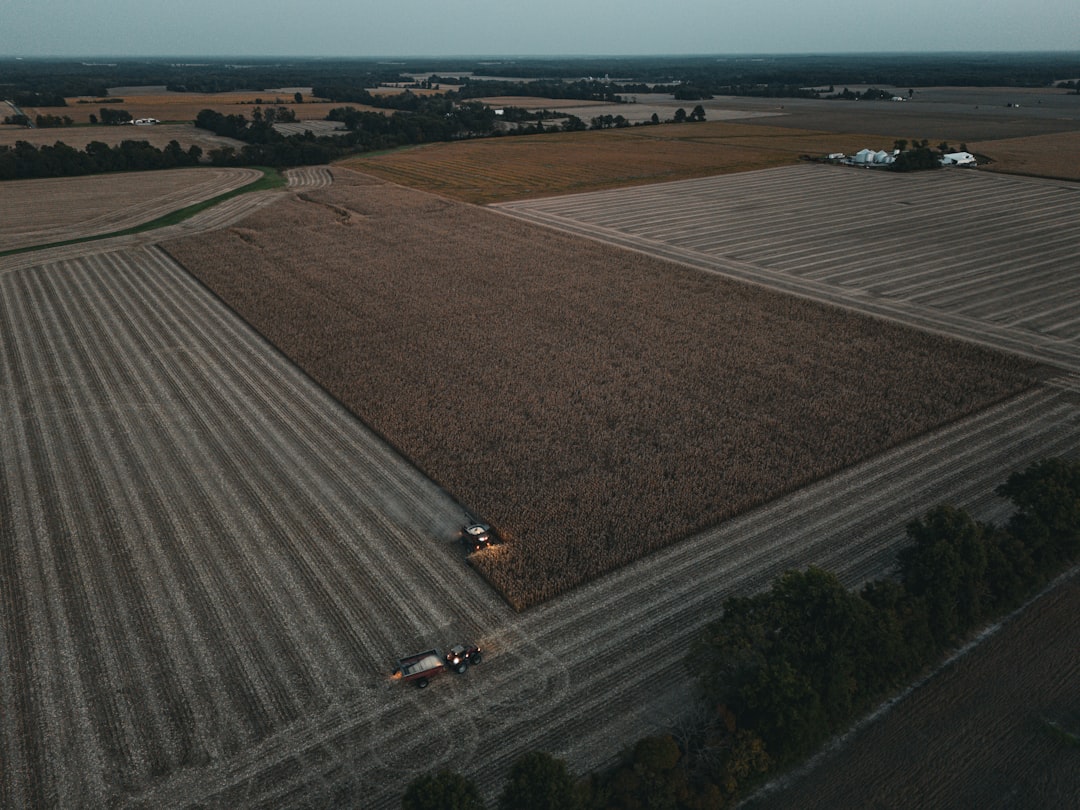
You stand at the precipice of a significant transformation in American agriculture. The independent farmer, once the bedrock of the nation’s food supply and a symbol of self-reliance, is increasingly a relic of the past. In their place, a new agricultural landscape has emerged, one dominated by a handful of immense corporations that dictate everything from seed to sale. This isn’t a slow creep; it’s a seismic shift, fundamentally reshaping rural communities, consumer choices, and the very health of the planet.
You might first observe the most visible sign of this shift: fewer farms, larger operations. This isn’t a natural evolution; it’s a deliberate consequence of policies and economic pressures that favor economies of scale. Learn more about corporate control by watching this insightful video corporate control.
The Retreat of the Independent Farmer
For generations, the American family farm was a vibrant, diverse ecosystem of small- to medium-sized operations. You’d find a mix of crops, livestock, and a deep connection to the land and community. Today, this image is fading.
- Economic Squeeze: Independent farmers face immense pressure from rising input costs (seeds, fertilizers, machinery) and volatile commodity prices. You understand that they often lack the leverage to negotiate favorable terms with powerful buyers, putting them at a distinct disadvantage.
- Debt Burden: Operating a farm is capital-intensive. You’ll find that many smaller farmers are trapped in cycles of debt, often borrowing against their land, and a single bad harvest or price drop can lead to foreclosure.
- Lack of Successors: The arduous nature of farming, coupled with uncertain economic prospects, discourages younger generations from taking over the family business. You see this as a societal loss, as valuable intergenerational knowledge is not passed down.
The Rise of Agribusiness Giants
As thousands of independent farms vanish, a smaller number of colossal agricultural corporations expand their dominion. These “agribusiness giants” are not merely large farms; they are vertically and horizontally integrated entities that control vast swathes of the food system.
- Input Control: You see that a handful of companies dominate the seed, fertilizer, and pesticide markets. This means farmers, even large ones, have limited choices and are often locked into proprietary systems. You recognize the power dynamic here: the corporations control the very building blocks of agriculture.
- Processing Power: These corporations also control a significant portion of food processing – from meatpacking to grain milling. This gives them immense power over commodity prices, as they are often the primary buyers from farmers. You are keenly aware that they set the terms.
- Retail Influence: While not always direct ownership, these corporations often have deep relationships with major retailers, influencing shelf space and consumer choices. You might not always see their name on the product, but their fingerprints are all over it.
The transformation of American farming has been significantly influenced by the rise of big corporations, which have increasingly taken control over agricultural practices and land ownership. This shift has led to concerns about the sustainability of small farms and the impact on local communities. For a deeper understanding of how these corporate dynamics have reshaped the agricultural landscape, you can read a related article at How Wealth Grows, which explores the implications of corporate farming on the economy and society.
The Monopolization of Inputs
You’ll quickly discern that the most alarming aspect of this corporate takeover lies in the monopolization of crucial agricultural inputs. Imagine a world where only a few companies control the air you breathe; that’s the analogy for what’s happening in agriculture.
Seed and Chemical Dominance
A mere handful of companies now control the lion’s share of the global seed and agrochemical markets. You might find this fact startling.
- Genetic Engineering and Patents: You understand that these corporations invest heavily in genetically modified (GM) crops, which are then patented. This means farmers cannot save seeds from one season to the next, a practice that was once fundamental to farming. You observe a shift from a public good to a private commodity.
- Bundling Strategies: Companies often sell “bundled” packages of GM seeds with specific herbicides or pesticides designed to work with those seeds. You recognize this as a closed system, limiting farmer choice and increasing reliance on corporate products.
- Mergers and Acquisitions: You’ve likely seen news of massive mergers in this sector,
such as Bayer’s acquisition of Monsanto or Dow Chemical’s merger with DuPont (now Corteva Agriscience). These mega-mergers further reduce competition and empower a handful of players.
Fertilizer and Equipment Concentration
The consolidation extends beyond seeds and chemicals to other critical inputs. You understand that every link in the agricultural supply chain is becoming concentrated.
- Fertilizer Oligopoly: You’ll find that the production and distribution of synthetic fertilizers are also controlled by a small number of global players. This lack of competition can lead to higher prices for farmers.
- Farm Machinery Giants: Companies like John Deere, AGCO, and CNH Industrial dominate the market for large-scale farm machinery. You’ve likely seen their ubiquitous green or red tractors across rural landscapes. This gives them significant control over pricing, parts, and even repairability of equipment, impacting farmers’ operational independence.
The Contract Farming Model
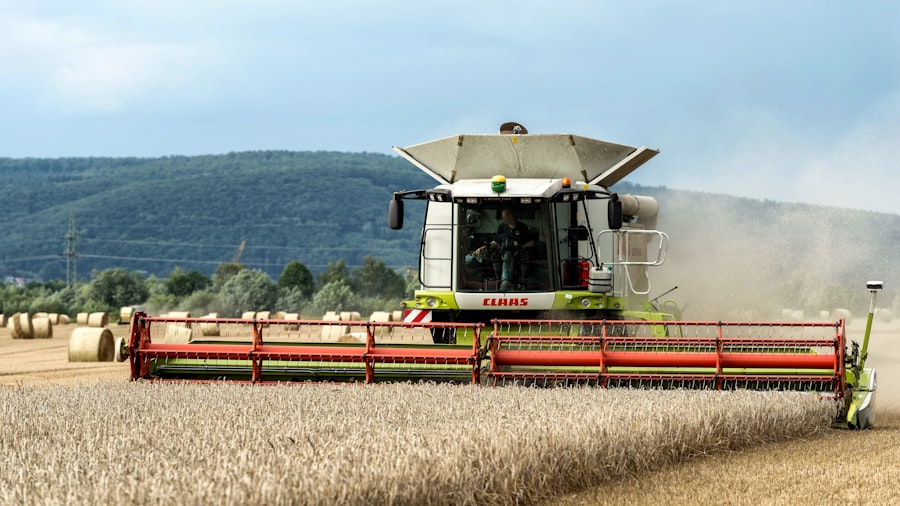
You need to understand a pervasive and often insidious mechanism of corporate control: the contract farming model. This isn’t merely a business agreement; it’s a modern form of agricultural serfdom, where farmers technically own their land and facilities but effectively lose control over their operations.
How it Works
Under contract farming, a processing company (e.g., a chicken processor, a hog producer) provides the farmer with inputs (chicks, feed, medication) and dictates production methods, in return for a guaranteed purchase of the final product. You see the apparent security, but also the inherent trap.
- Loss of Autonomy: You’ll observe that farmers on contracts often lose the ability to make independent decisions about what to grow, how to grow it, or where to sell it. The terms of the contract, rather than the farmer’s judgment, become the guiding principle.
- Debt and Indebtedness: To enter into these contracts, farmers often must make substantial investments in specialized facilities mandated by the corporation. You’ll find that these investments are financed through loans, often from corporate-preferred lenders, creating a cycle of debt that binds the farmer to the contract.
- One-Sided Risks: You might notice that the risks often fall disproportionately on the farmer. Companies can change contract terms, reduce payments, or demand costly upgrades, leaving farmers with substantial debt and limited recourse.
The Poultry Industry as a Case Study
The poultry industry offers a stark example of contract farming’s extensive reach and impact. You’ll find that nearly all chicken meat consumed in the U.S. comes from birds raised under these contracts.
- “Tournament System”: Many poultry contracts operate under a “tournament system,” where farmers are paid based on how well their birds perform compared to other contract growers. You can imagine the intense competition and pressure this creates, often leading to minimal profit margins for the growers.
- Environmental Burden: The intensive nature of contract farming, particularly in animal agriculture, can lead to significant environmental impacts on the farmer’s land and surrounding communities, such as manure management issues and water pollution. You see that the corporation reaps the profits, while the farmer bears the burden.
Environmental and Social Ripple Effects
You cannot separate the corporate takeover from its profound environmental and social consequences. The pursuit of efficiency and profit, at scale, often comes at a steep cost to the planet and human communities.
Industrial Agriculture’s Ecological Footprint
The practices favored by corporate agriculture often prioritize monocultures, chemical inputs, and large-scale confined animal feeding operations (CAFOs). You recognize these as hallmarks of industrial agriculture.
- Biodiversity Loss: The cultivation of vast monocultures (e.g., corn, soy) reduces agricultural biodiversity, making the food system more vulnerable to pests and diseases. You understand that this diminishes the resilience of our food supply.
- Chemical Dependency: The heavy reliance on synthetic fertilizers and pesticides contaminates soil, water, and air, harming pollinators, wildlife, and human health. You confront the reality of externalized costs not borne by the corporations.
- Greenhouse Gas Emissions: Industrial agriculture, particularly the production of synthetic fertilizers and the methane emissions from large animal operations, is a significant contributor to greenhouse gas emissions and climate change. You see another layer of environmental responsibility.
Impact on Rural Communities and Labor
The corporate takeover hollows out rural communities and often exploits agricultural labor. You’ll find that the social fabric of the American countryside is fraying.
- Erosion of Rural Economies: As independent farms vanish, so do the locally owned businesses that served them – farm equipment dealers, veterinarians, feed stores. You witness the cascading economic decline in these areas.
- Worker Exploitation: Agricultural labor, particularly in processing plants, is often characterized by low wages, dangerous working conditions, and limited rights. You understand that vulnerable populations, including migrant workers, are frequently subjected to these conditions.
- Food System Inequity: While corporate agriculture produces cheap calories, it often fails to deliver nutritious and accessible food to all communities, particularly those in food deserts. You recognize that efficiency doesn’t always equate to equity.
The transformation of American farming has been significantly influenced by the strategies employed by large corporations, which have increasingly taken control of agricultural practices and resources. This shift has raised concerns about the sustainability of small farms and the quality of food produced. For a deeper understanding of this issue, you can explore a related article that discusses the impact of corporate influence on agriculture and the implications for farmers and consumers alike. To read more about this topic, visit this insightful article.
The Path Forward: Reclaiming Agricultural Sovereignty
| Metric | Data/Value | Description |
|---|---|---|
| Percentage of Farms Owned by Corporations | 40% | Estimated share of American farms owned or controlled by large corporations as of recent years |
| Consolidation of Seed Market | Over 60% | Market share controlled by top 4 seed companies, limiting farmer choices |
| Farm Debt Increase (Last 20 Years) | 150% | Increase in average farm debt, pressuring small farmers financially |
| Percentage of Farms Using Corporate Contracts | 70% | Share of farms operating under contracts with large agribusiness corporations |
| Decline in Number of Small Farms (Under 180 Acres) | 30% decrease | Reduction in small farm numbers over the past two decades |
| Share of Agricultural Revenue by Top 10 Corporations | 80% | Portion of total agricultural revenue generated by the largest agribusiness firms |
| Average Farmer Income Compared to Corporate Farm Income | Farmer: 35k, Corporate: 250k+ | Disparity in average annual income between independent farmers and corporate farms |
You might now be overwhelmed by the scale of the challenge, but recognizing the problem is the first step toward finding solutions. Reclaiming agricultural sovereignty requires concerted effort from consumers, policymakers, and farmers themselves.
Policy Interventions
Governments play a crucial role in reining in corporate power and fostering a more equitable food system. You understand that market forces alone will not solve this problem.
- Strengthening Antitrust Laws: You advocate for a robust enforcement of antitrust regulations to prevent further consolidation and potentially break up existing monopolies in the agribusiness sector. This would foster greater competition.
- Supporting Independent Farmers: You call for policies that provide financial assistance, technical support, and fair market access for small and medium-sized farms. This includes crop insurance reforms, direct marketing support, and easier access to credit.
- Promoting Sustainable Practices: Policies that incentivize diversified farming, organic agriculture, and regenerative practices can reduce reliance on chemical inputs and enhance environmental stewardship. You support a shift towards ecological resilience.
Consumer Power and Awareness
Your choices as a consumer hold significant sway in shaping the food system. You are not a passive observer; you are an active participant.
- Buy Local and Direct: You actively seek out farmers’ markets, Community Supported Agriculture (CSA) programs, and local food retailers to support independent producers and shorten supply chains. This directly counters corporate control.
- Demand Transparency: You inquire about the origin of your food, how it was grown, and who produced it. You hold retailers and corporations accountable for their practices.
- Educate Yourself and Others: You share your understanding of the corporate takeover with friends, family, and community members, fostering broader awareness and engagement. You are a catalyst for change.
Farmer-Led Initiatives
Farmers, despite the immense challenges, are at the forefront of building alternative food systems. You recognize their resilience and innovation.
- Forming Cooperatives: You observe that farmers are forming cooperatives to collectively buy inputs, process products, and market their goods, gaining greater leverage and reducing reliance on corporate middlemen.
- Adopting Regenerative Agriculture: You see a growing movement among farmers to adopt practices that restore soil health, enhance biodiversity, and sequester carbon, moving away from the industrial model.
- Advocacy and Organizing: Farmers are increasingly organizing to advocate for policy changes, share knowledge, and build solidarity in the face of corporate power. You understand their collective voice is vital.
The narrative of American farming is at a crossroads. You can allow the current trajectory of corporate consolidation to continue, leading to a homogenous, less resilient, and less equitable food system. Or, you can actively participate in charting a new course, one that prioritizes independent farmers, environmental health, and community well-being. The choice, ultimately, rests with you.
FAQs
What is meant by “big corporations hijacking American farming”?
This phrase refers to the increasing control and influence that large agribusiness corporations have over various aspects of American agriculture, including seed production, farming practices, distribution, and pricing, often at the expense of small and family-owned farms.
How have big corporations gained control over American farming?
Big corporations have gained control through consolidation and mergers, acquiring seed companies, controlling supply chains, influencing agricultural policies, and promoting industrial farming methods that favor large-scale operations.
What impact has corporate control had on small and family farms?
Many small and family farms have struggled to compete with large agribusinesses due to higher costs, limited access to markets, and dependence on patented seeds and chemicals, leading to farm closures and loss of rural livelihoods.
How does corporate control affect food prices and consumer choice?
Corporate consolidation can lead to reduced competition, which may increase food prices and limit consumer choices by controlling what products are available in the market.
What role do patents and seed ownership play in this issue?
Large corporations often hold patents on genetically modified seeds, restricting farmers from saving and reusing seeds, which increases farmers’ dependence on purchasing seeds annually from these companies.
Are there environmental concerns related to corporate farming practices?
Yes, industrial farming practices promoted by big corporations can lead to environmental issues such as soil degradation, loss of biodiversity, increased pesticide use, and water pollution.
What policies have contributed to the rise of corporate control in farming?
Policies that favor deregulation, subsidies for large-scale agriculture, and trade agreements have often facilitated the growth and dominance of big agribusiness corporations.
Are there movements or solutions to counteract corporate dominance in farming?
Yes, movements promoting sustainable agriculture, local food systems, organic farming, and policies supporting small farmers aim to reduce corporate control and promote agricultural diversity and resilience.