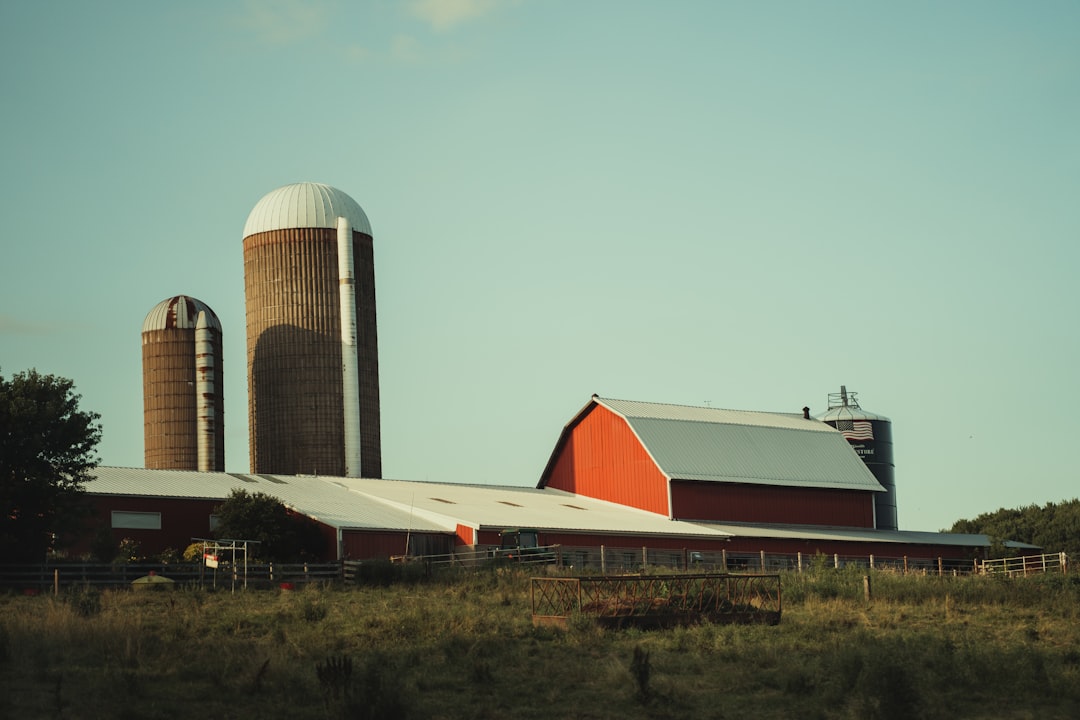
You might think of a farm as a pastoral idyll, a patchwork of fields tended by a farmer in a straw hat, perhaps a few cows grazing serenely. This image, deeply ingrained in the collective consciousness, often masks a far more complex and troubling reality: the pervasive and often invisible impact of corporate farming. You are likely consuming its products daily, perhaps unknowingly, as these industrial behemoths now dominate global food production, presenting a facade of efficiency and affordability. However, beneath this polished exterior lies a web of hidden costs, externalities largely borne by society and the environment, rather than by the corporations themselves.
When you consider the vast scale of corporate agricultural operations, it becomes clear that their environmental footprint is proportionally immense. These operations are not merely taking from the land; they are fundamentally altering delicate ecological balances, often with irreversible consequences. Learn more about the financialization of American agriculture and its impact on the economy.
Soil Depletion and Erosion
You might assume that modern farming techniques are inherently sustainable, but in many corporate farming models, this is a dangerous misconception. The relentless pursuit of maximum yield often leads to practices that deplete the soil, the very foundation of agriculture.
- Monoculture Reliance: When you cultivate the same crop year after year over vast acreage, as is common in corporate farming, you exhaust specific nutrients in the soil. This practice, known as monoculture, breaks down the soil and leaves it increasingly vulnerable. You are essentially asking the soil to perform the same task endlessly without proper rest or replenishment.
- Intensive Tillage Practices: The use of heavy machinery for deep plowing, while seemingly efficient, pulverizes the soil structure. This destroys the intricate network of microbial life crucial for healthy soil and compacts the earth, making it less permeable. Imagine a sponge being repeatedly crushed; it loses its ability to absorb and retain water.
- Reduced Biodiversity: The focus on single, high-yielding crop varieties leads to a dramatic decrease in the diversity of plant life both above and below ground. This simplifies the ecosystem, leaving it more susceptible to disease and pests, and further inhibits the natural processes that enrich soil. You are, in effect, stripping the land of its natural defenses.
Water Pollution and Scarcity
The lifeblood of agriculture, water, is also disproportionately affected by corporate farming practices. The demands placed on water resources are immense, and the runoff from these operations often contaminates what remains.
- Excessive Water Usage for Irrigation: Vast irrigation systems, often drawing from finite aquifers or diverting significant amounts from rivers, are a hallmark of corporate farms. You might not realize the immense volume of water required to grow massive fields of corn or soybeans, often in areas already experiencing water stress. This can lead to aquifer depletion and impacts on downstream ecosystems.
- Pesticide and Herbicide Runoff: The widespread application of synthetic pesticides, herbicides, and fungicides across enormous tracts of land means that much of these chemicals do not stay where they are applied. Rain and irrigation water wash these compounds into rivers, lakes, and groundwater. You are effectively funneling a cocktail of synthetic chemicals into natural water systems, with devastating effects on aquatic life and potentially on human health.
- Nutrient Pollution (Eutrophication): The heavy use of synthetic fertilizers, particularly nitrogen and phosphorus, can lead to nutrient runoff. When these nutrients enter bodies of water, they trigger algal blooms, which deplete oxygen levels, creating “dead zones” where marine life cannot survive. It’s like pouring an entire bottle of fertilizer into a fishbowl; the initial burst of growth is followed by a catastrophic collapse.
Greenhouse Gas Emissions
You are likely aware that agriculture contributes to climate change, but the specific mechanisms stemming from corporate farming are particularly salient. The scale of these operations amplifies their impact on atmospheric carbon.
- Methane Emissions from Livestock: The concentrated feeding operations (CAFOs) common in corporate livestock farming house thousands, sometimes millions, of animals in close quarters. Ruminant animals, particularly cattle, produce significant amounts of methane, a potent greenhouse gas, through their digestive processes. When you mass-produce livestock on this scale, the collective emissions are staggering.
- Nitrous Oxide from Fertilizers: The synthetic nitrogen fertilizers used extensively in corporate agriculture release nitrous oxide, another powerful greenhouse gas, into the atmosphere. The sheer volume applied globally contributes significantly to anthropogenic climate change.
- Deforestation for Agricultural Expansion: The continuous drive for greater agricultural land often leads to deforestation, particularly in biodiverse regions. When forests, which act as carbon sinks, are cleared for large-scale crop production or livestock grazing, not only is stored carbon released, but a vital mechanism for absorbing atmospheric carbon is lost. You are, in essence, cutting down the lungs of the planet to grow more food.
The hidden costs of corporate-owned farms extend beyond just the economic implications; they also encompass environmental and social factors that can significantly impact local communities. For a deeper understanding of how wealth is concentrated and the broader effects of corporate agriculture, you can explore a related article that discusses these themes in detail. To read more, visit this article.
Social and Economic Disparities: A Widening Chasm
Beyond the environmental toll, corporate farming profoundly reshapes the social and economic fabric of rural communities, often to their detriment. You might perceive corporate efficiency as an unqualified good, but it often comes at the cost of local vitality.
Marginalization of Small Farmers
The rise of industrial agriculture has created an uneven playing field, making it increasingly difficult for independent, small-scale farmers to compete. You are witnessing a consolidation of power that systematically disadvantages smaller operations.
- Price Pressure and Market Control: Corporate farms, with their economies of scale and direct contracts with large buyers, can often produce goods at lower prices per unit. This drives down market prices, making it challenging for smaller farms to cover their costs and achieve profitability. Imagine a small independent bookstore trying to compete with a multinational online retailer; the scale of difference is insurmountable.
- Dependence on Corporate Inputs: Many small farmers find themselves locked into a system where they must purchase seeds, fertilizers, and pesticides from the same large corporations that also buy their produce. This creates a cycle of dependency, reducing their autonomy and bargaining power. You are effectively becoming a cog in a larger corporate machine.
- Land Consolidation: Corporate entities often have the capital to purchase vast tracts of land, driving up land values and making it unaffordable for new or expanding small farmers. This contributes to the industrialization of the landscape and the loss of traditional family farms.
Labor Exploitation and Poor Working Conditions
The immense demand for labor on corporate farms, coupled with a focus on cost reduction, often leads to exploitative practices, particularly for vulnerable worker populations. You might assume that all labor is protected by fair regulations, but the reality on many corporate farms suggests otherwise.
- Low Wages and Limited Benefits: Agricultural labor, particularly in large-scale operations, is often characterized by low wages, few benefits, and unstable employment. Workers, many of whom are migrant or undocumented, have limited recourse due to their precarious status.
- Exposure to Hazardous Chemicals: Farmworkers are frequently exposed to pesticides and other chemicals without adequate protection or training, leading to preventable health issues. You are, in essence, asking individuals to work in environments that can significantly compromise their long-term health.
- Lack of Unionization and Worker Protections: The transient nature of much farm labor and aggressive anti-union tactics by some corporations make it difficult for workers to organize and advocate for better conditions, leaving them vulnerable to abuse.
Public Health Implications: A Silent Erosion
The industrialization of food production, while ensuring plentiful supply, introduces a different set of risks to public health that you might not immediately consider. Your plate, while full, may carry hidden burdens.
Antibiotic Resistance
The use of antibiotics in animal agriculture is a critical public health concern, particularly in the concentrated settings of corporate farms. You are witnessing a widespread practice that has profound consequences for human medicine.
- Routine Use in Livestock: Antibiotics are often administered to healthy animals in corporate farms to prevent disease in crowded conditions and to promote growth. This widespread, non-therapeutic use, particularly of medically important antibiotics, contributes to the development of antibiotic-resistant bacteria.
- Transfer to Human Population: These resistant bacteria can then transfer from animals to humans through the food chain, contaminated water, or direct contact with farm animals. When you fall ill with an infection caused by a resistant strain, your treatment options become severely limited. You are, metaphorically, borrowing from your future health for the sake of current agricultural efficiency.
- Impact on Human Medicine: The emergence of “superbugs” threatens the efficacy of antibiotics used to treat human infections, potentially rendering common illnesses untreatable and making routine surgeries and cancer treatments much riskier.
Pesticide Residues in Food
The heavy reliance on synthetic pesticides to protect crops on corporate farms means that you are likely consuming trace amounts of these chemicals in your daily diet. While regulatory bodies set “safe” limits, the cumulative and long-term effects are still under investigation.
- Direct Ingestion: Residual pesticides can remain on fruits, vegetables, and even in processed foods. While washing can remove some, systemic pesticides absorbed by the plant cannot be washed off.
- Bioaccumulation: Certain pesticides can accumulate in the fatty tissues of animals, meaning that consuming meat and dairy products can also expose you to these compounds.
- Potential Health Effects: While immediate acute poisoning is rare, chronic exposure to even low levels of certain pesticides has been linked to neurological disorders, developmental problems, and various cancers in some studies. You are, in essence, engaging in a long-term, low-dose experiment with your own health.
Food Systems and Security: A Precarious Foundation
The structure of corporate farming has implications for the resilience and stability of the global food system itself, something you might take for granted until disruption occurs.
Lack of Diversification
The focus on a narrow range of high-yielding staple crops by corporate entities, driven by market demands and economic efficiency, creates a monoculture not just in fields but in the global food supply.
- Vulnerability to Pests and Diseases: A lack of genetic diversity makes entire crop varieties highly susceptible to outbreaks of disease or pest infestations, risking widespread crop failure. Imagine if all our digital devices ran on the exact same operating system; a single critical vulnerability could bring everything down.
- Reduced Food Choices: Globally, a disproportionate percentage of calories come from a small number of crops—like corn, wheat, rice, and soy—due to industrial production. This limits dietary diversity and nutritional breadth.
- Impact on Food Security: If one of these major crops suffers a significant global setback due to climate change, disease, or other factors, the ripple effect on food prices and availability could be catastrophic for billions.
Vulnerability to Global Market Fluctuations
When food production is concentrated in the hands of a few corporations and spread across a few primary products, the system becomes highly sensitive to global economic shifts and speculative markets.
- Price Volatility: Geopolitical events, financial speculation, and changes in demand for biofuels can all cause drastic fluctuations in the price of staple commodities. These fluctuations disproportionately impact low-income populations and food-importing nations. You are at the mercy of a global economic tide.
- Supply Chain Fragility: Long, complex supply chains dependent on global transportation can be easily disrupted by pandemics, political instability, or natural disasters, leading to shortages and price spikes.
- Limited Local Resilience: The corporate farming model often centralizes processing and distribution, leaving local communities with little control over their food supply and reduced capacity for self-sufficiency in times of crisis.
The hidden costs of corporate-owned farms extend beyond just the immediate economic impact on local communities; they also affect the environment and food quality. For a deeper understanding of these issues, you might find it insightful to read a related article that explores the broader implications of corporate farming practices. This article highlights not only the financial burdens placed on small farmers but also the long-term consequences for sustainable agriculture. To learn more, you can visit this informative resource that delves into how wealth grows in the context of agricultural practices.
Ethical Concerns: The Moral Compass of Food
| Metric | Description | Estimated Impact | Source/Notes |
|---|---|---|---|
| Soil Degradation Rate | Annual loss of topsoil due to intensive farming practices | 5-10 tons per hectare per year | Corporate farms often use monoculture and heavy machinery |
| Water Usage | Average water consumption per hectare | 10,000-15,000 liters per hectare per day | High irrigation demands for large-scale crop production |
| Biodiversity Loss | Reduction in native species in farmed areas | Up to 70% decline in local species diversity | Monoculture and pesticide use reduce habitat variety |
| Greenhouse Gas Emissions | CO2 equivalent emissions per hectare | 2-4 tons CO2e per hectare annually | Fossil fuel use, fertilizer production, and soil disturbance |
| Local Employment Impact | Change in local farm labor jobs after corporate takeover | Reduction by 30-50% | Mechanization and consolidation reduce labor needs |
| Health Costs | Incidence of pesticide-related illnesses in nearby communities | Increase by 15-25% | Exposure to chemicals used in large-scale farming |
| Food Price Volatility | Fluctuations in local food prices due to corporate control | Price swings of 10-20% annually | Market consolidation affects supply and pricing |
Beyond the tangible environmental, social, and health impacts, corporate farming raises profound ethical questions about our relationship with living beings and the planet. You are asked to consider the moral implications of how your food arrives on your table.
Animal Welfare Issues
The drive for efficiency and profit in corporate livestock operations often comes at the expense of animal welfare. You are confronted with practices that many find morally reprehensible.
- Intensive Confinement: Animals in CAFOs are often kept in extremely cramped conditions, unable to engage in natural behaviors. This can lead to chronic stress, injury, and disease.
- Mutilations without Anesthesia: Practices such as debeaking, tail docking, and castration are often performed without pain relief, causing significant suffering.
- Antibiotic Overuse and Stress-Induced Illness: The crowded and unsanitary conditions often necessitate the routine use of antibiotics as a preventative measure, not just a treatment, as stress also makes animals more susceptible to illness.
Corporate Influence on Policy
The vast economic power and lobbying efforts of large agricultural corporations can significantly influence government policies and regulations, often prioritizing corporate interests over public welfare. You should be aware that the rules guiding your food system are not always shaped by public good alone.
- Subsidies and Incentives: Governments often provide substantial subsidies to large agricultural corporations, which can further entrench their dominance and disadvantage smaller, more sustainable operations. Your tax dollars may be contributing to a system you disagree with.
- Regulatory Capture: Powerful industry groups can exert influence over regulatory bodies, leading to weaker environmental standards, less stringent food safety protocols, and limited oversight of their practices.
- Suppression of Alternative Practices: Corporate influence can stifle the development and adoption of alternative, more sustainable farming practices by skewing research funding, media narratives, and policy priorities. You are witnessing a powerful voice often drowning out others.
In conclusion, when you buy food from a supermarket, you are not just paying for the product itself; you are indirectly contributing to, and often paying for, a cascade of hidden costs associated with corporate farming. These are not merely economic externalities; they are fundamental challenges to our environmental health, social equity, public well-being, and ethical sensibilities. You stand at a critical juncture where your choices as a consumer, your engagement as a citizen, and your understanding of these hidden costs can collectively shape a more sustainable and equitable food future. The idealized pastoral farm is largely a relic of the past; the pressing reality demands that you acknowledge and address the true price of industrial agriculture.
WATCH THIS! ⚠️💰🌾 Why Wall Street Is Buying Up America’s Farmland (And Why It Should Terrify You)
FAQs
What are corporate-owned farms?
Corporate-owned farms are agricultural operations owned and managed by large companies or corporations rather than individual farmers or family-owned businesses. These farms often operate on a large scale and focus on maximizing production and profits.
What is meant by the “hidden cost” of corporate-owned farms?
The “hidden cost” refers to the indirect or less obvious negative impacts of corporate-owned farms, such as environmental degradation, loss of biodiversity, social and economic effects on local communities, and the decline of small family farms.
How do corporate-owned farms impact the environment?
Corporate-owned farms often use intensive farming practices, including heavy use of chemical fertilizers, pesticides, and monoculture planting, which can lead to soil depletion, water pollution, loss of wildlife habitats, and increased greenhouse gas emissions.
What social effects do corporate-owned farms have on rural communities?
These farms can contribute to the decline of small family farms, reduce local employment opportunities, and concentrate land ownership, which may lead to decreased community resilience and economic diversity in rural areas.
Do corporate-owned farms affect food prices?
While corporate farms can produce food at lower costs due to economies of scale, the consolidation of the agricultural industry can reduce competition, potentially leading to price manipulation and less choice for consumers in the long term.
How do corporate-owned farms influence food quality and safety?
Large-scale corporate farms may prioritize quantity and uniformity over nutritional quality. Additionally, the use of antibiotics and chemicals in some corporate farming operations raises concerns about food safety and antibiotic resistance.
Are there any regulations governing corporate-owned farms?
Yes, corporate-owned farms are subject to various local, national, and international regulations related to environmental protection, labor laws, food safety, and land use. However, enforcement and effectiveness of these regulations can vary widely.
What alternatives exist to corporate-owned farming?
Alternatives include family-owned farms, cooperatives, organic farming, community-supported agriculture (CSA), and sustainable farming practices that emphasize environmental stewardship, local economies, and food sovereignty.