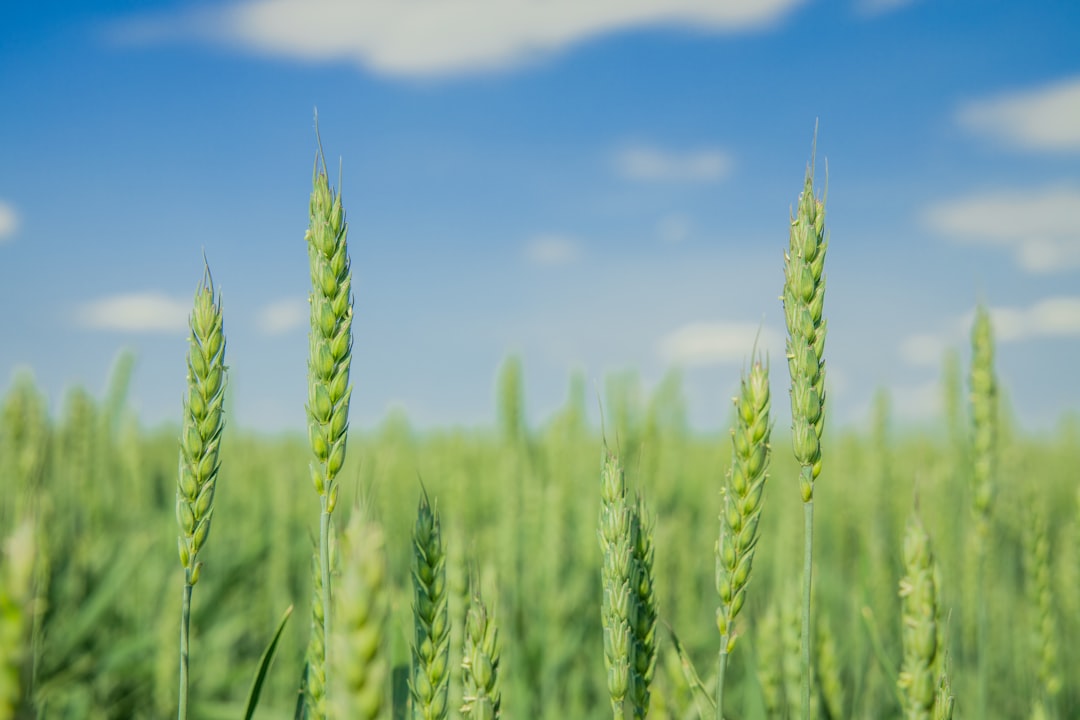
You find yourself in an economic landscape often characterized by volatility and uncertainty. Inflation, that insidious erosion of purchasing power, is a specter that haunts many investors. While traditional assets like stocks and bonds can offer some protection, their performance during inflationary periods is often unpredictable. You seek stability, a tangible asset that can weather the storm. Consider farmland.
You might initially dismiss farmland as an esoteric investment, the domain of agricultural specialists rather than the astute investor. However, you would be overlooking its fundamental strengths. Farmland is not merely dirt and crops; it is a productive asset, a factory floor that converts sunlight and water into essential goods. This inherent productivity forms the bedrock of its appeal, distinguishing it from purely speculative assets. Learn more about the financialization of American agriculture and its impact on the economy.
A Tangible Asset
Unlike digital currencies or abstract financial instruments, farmland is a physical asset. You can touch it, walk its boundaries, see its produce. This tangibility offers a profound sense of security. In a world increasingly saturated with virtual representations of value, the raw, undeniable presence of land provides a comforting anchor. When paper money fluctuates, and market sentiments shift like desert sands, the earth remains.
Limited Supply and Growing Demand
The fundamental economics of farmland ownership are compelling. Land suitable for cultivation is a finite resource. You cannot simply conjure more arable land into existence. Meanwhile, the global population continues to grow, demanding ever-increasing quantities of food. This imbalance, a steadily constricting supply confronting persistently expanding demand, creates a powerful upward pressure on land values. You are investing in a resource that will always be needed, a non-negotiable requirement for human survival.
Investing in farmland has gained attention as a potential hedge against inflation, as it often appreciates in value and generates consistent income through agricultural production. A related article that delves deeper into this topic can be found at How Wealth Grows, where the benefits of farmland investment are explored in the context of rising inflation and economic uncertainty. This resource provides valuable insights for investors looking to diversify their portfolios and protect their wealth.
Farmland as an Inflation Hedge
You are interested in inflation hedging, and here, farmland truly shines. Its characteristics naturally align with strategies designed to preserve wealth during periods of rising prices. Think of it as a sturdy ship designed to navigate turbulent economic waters.
Direct Relationship with Commodity Prices
When you invest in farmland, you are directly investing in the production of commodities – grains, fruits, vegetables, and livestock feed. As inflation takes hold, the prices of these commodities typically rise. This is not a coincidence; it’s a fundamental economic linkage. The cost of labor, fertilizer, fuel, and equipment, all inputs for farming, increases with inflation. Farmers, in turn, must raise the prices of their products to maintain profitability. You, as the landowner, benefit from this upward spiral in commodity prices, either directly through crop sales or indirectly through higher rental income from your tenant farmers.
Real Asset Appreciation
Farmland, like other real assets, tends to appreciate in value during inflationary periods. While the nominal value of your currency may decline, the real value of your land often holds strong or even increases. This is because people instinctively seek refuge in assets that maintain their intrinsic worth. When you observe the historical data, you will often find that farmland values have outpaced inflation over extended periods, acting as a reliable store of value. You are essentially holding a share in the underlying productive capacity of the economy, a capacity that becomes more valuable as the cost of production rises.
Income Generation and Capital Appreciation
Farmland offers a unique combination of income generation and capital appreciation, a dual benefit that strengthens its hedging capabilities.
Rental Income
You can lease your farmland to farmers, generating a consistent stream of rental income. These leases are often structured to include provisions for adjustments based on commodity prices or inflation indices, ensuring your income keeps pace with rising costs. This steady cash flow provides liquidity and helps offset the erosion of purchasing power. Imagine this income as a constant flow from a spring, even when the river of currency is receding.
Capital Growth
Beyond rental income, the land itself appreciates in value over time. As previously discussed, the finite nature of arable land and increasing global food demand contribute to this long-term growth. You are not only receiving regular payments but also witnessing the underlying value of your asset expand, often independently of stock market fluctuations.
Diversification and Portfolio Resilience

You are undoubtedly aware of the importance of diversification in a well-structured investment portfolio. Farmland offers a powerful, uncorrelated asset that can significantly enhance your portfolio’s resilience.
Low Correlation with Traditional Assets
One of the most attractive features of an asset like farmland is its low correlation with traditional investments such as stocks and bonds. When equity markets experience downturns or bond yields are suppressed by inflation, farmland often maintains its value or even increases, acting as a stabilizing force. Imagine your portfolio as a diverse ecosystem; farmland represents a species that thrives under conditions that may challenge others.
A Hedge Against Systemic Risk
In times of economic uncertainty and systemic risk, tangible assets like farmland often become even more attractive. If you consider scenarios where financial markets become highly unstable or faith in traditional currencies wanes, the inherent value of productive land, capable of sustaining life, becomes profoundly evident. You are investing in a fundamental asset that will always possess utility, regardless of the vagaries of financial systems.
Practical Considerations for Investing in Farmland
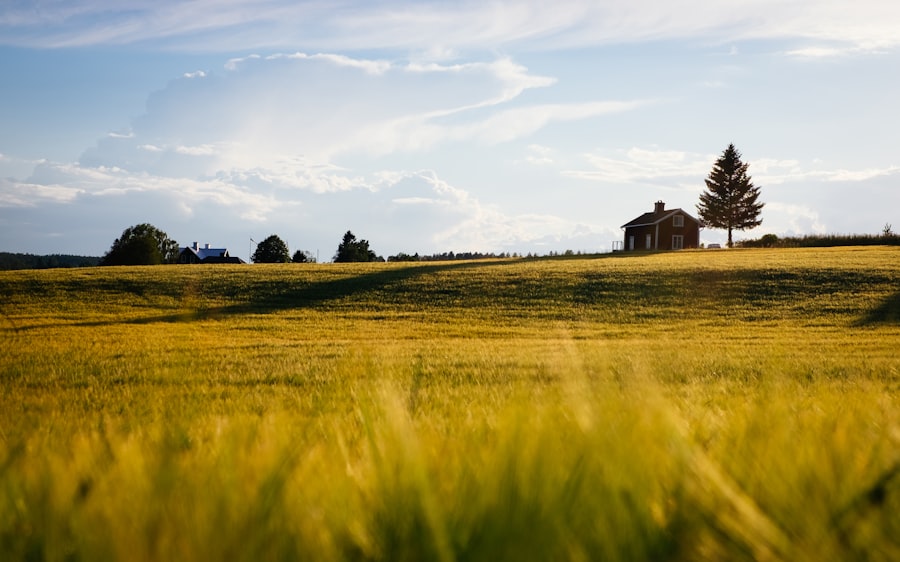
You are now convinced of the merits of farmland as an inflation hedge. However, practical considerations are paramount before you dive in. Investing in farmland is not without its nuances, and a thoughtful approach is essential.
Accessibility and Entry Barriers
Historically, direct ownership of farmland has involved significant capital outlay, making it less accessible to individual investors. However, the landscape is evolving.
Direct Ownership
This involves purchasing a physical parcel of land. It requires substantial capital, an understanding of agricultural practices, and the willingness to manage the property or find a suitable tenant. You would need to consider aspects like soil quality, water rights, local regulations, and market demand for specific crops. This is akin to becoming a steward of the land yourself.
Farmland Investment Funds
These funds pool capital from multiple investors to acquire and manage a portfolio of farmland. They offer diversification across different regions and crop types and are managed by professionals with agricultural expertise. This is a more hands-off approach, allowing you to participate in the asset class without the operational burden.
Real Estate Investment Trusts (REITs)
Farmland REITs are companies that own and operate income-producing farmland. You can invest in these through publicly traded shares, offering liquidity and professional management. This is the most accessible avenue for many investors, much like owning a small slice of a vast agricultural enterprise.
Due Diligence and Expert Advice
Before making any investment, especially in a specialized asset class like farmland, thorough due diligence is crucial. You would not purchase an intricate piece of machinery without understanding its specifications; similarly, you should approach farmland investment with careful consideration.
Market Research
Understand the specific agricultural markets you are considering. Research local demand, crop cycles, climate patterns, and potential risks such as drought or disease. You are becoming a student of the local ecosystem.
Legal and Environmental Considerations
Be aware of all legal aspects, including property rights, water rights, environmental regulations, and local zoning laws. Engage with legal professionals specializing in agricultural real estate.
Agricultural Expertise
If you are pursuing direct ownership, consider consulting with agricultural experts, farmers, and appraisers. Their insights into soil health, crop yields, and tenant management can be invaluable. You are leveraging the wisdom of those who work directly with the land.
Investing in farmland has gained attention as a potential inflation hedge, with many experts highlighting its ability to maintain value during economic fluctuations. A related article discusses various strategies for incorporating farmland into an investment portfolio, emphasizing its resilience against inflationary pressures. For more insights on this topic, you can read the full article here. As the cost of living rises, understanding the benefits of agricultural investments can be crucial for long-term financial planning.
The Long-Term Perspective
| Metric | Description | Typical Range | Relevance to Inflation Hedge |
|---|---|---|---|
| Annual Land Value Appreciation | Percentage increase in farmland value per year | 3% – 7% | Farmland values tend to rise with inflation, preserving purchasing power |
| Crop Yield Growth | Annual increase in crop production per acre | 1% – 3% | Higher yields can increase income, offsetting inflation effects |
| Cash Rent Growth | Increase in rental income from leasing farmland | 2% – 5% | Rents often rise with inflation, providing steady income |
| Commodity Price Correlation | Correlation between farmland value and commodity prices | 0.6 – 0.8 (positive correlation) | Commodity prices often rise with inflation, supporting land values |
| Inflation Rate | General increase in prices across the economy | 2% – 4% (historical average) | Benchmark for evaluating farmland’s inflation hedge effectiveness |
| Operating Costs Growth | Increase in costs for inputs like seeds, fertilizer, and labor | 3% – 6% | Rising costs can impact net returns but often offset by land value gains |
You are not looking for a fleeting gain; you are seeking a resilient investment strategy. Farmland is inherently a long-term asset. Its value proposition is built on sustained productivity and limited supply, factors that unfold over decades, not quarters.
Patience is a Virtue
Market fluctuations can occur, and agricultural yields can vary from year to year. You need to approach this investment with patience, understanding that the true benefits of farmland as an inflation hedge and wealth preserver emerge over extended periods. Think of it as planting a tree; you nurture it, and in time, it yields fruit and shade.
A Legacy Asset
Beyond financial returns, farmland can represent a legacy asset, something you can pass down through generations. Its enduring nature and fundamental utility make it a powerful symbol of independence and sustainability. You are not just investing money; you are investing in a piece of the earth’s productive capacity, a resource that will continue to provide for future generations.
In conclusion, you are searching for a robust inflation hedge, an asset that offers stability and growth when traditional markets falter. Farmland, with its tangible nature, limited supply, direct correlation to commodity prices, and dual income/appreciation potential, presents a compelling case. While entry points and management styles vary, the fundamental logic of investing in productive land remains sound. By considering farmland, you are not merely adding another asset to your portfolio; you are investing in the very foundation of human sustenance, a timeless hedge against economic uncertainty.
WATCH THIS! ⚠️💰🌾 Why Wall Street Is Buying Up America’s Farmland (And Why It Should Terrify You)
FAQs
What does it mean to use farmland as an inflation hedge?
Using farmland as an inflation hedge means investing in agricultural land to protect the value of your assets against inflation. Since farmland often appreciates in value and can generate income through crop production or leasing, it can help preserve purchasing power when inflation rises.
Why is farmland considered a good inflation hedge?
Farmland is considered a good inflation hedge because its value tends to increase with inflation. Additionally, the income generated from farming activities, such as crop sales or leasing land to farmers, often rises with inflation, providing a steady cash flow that keeps pace with rising prices.
How does farmland compare to other inflation hedges like gold or real estate?
Unlike gold, which is a non-productive asset, farmland produces tangible goods and income. Compared to residential or commercial real estate, farmland’s value is closely tied to agricultural commodity prices and land productivity, which often rise with inflation. This makes farmland a unique and potentially more stable inflation hedge.
What factors influence the value of farmland?
The value of farmland is influenced by factors such as soil quality, location, climate, water availability, crop prices, government policies, and overall demand for agricultural products. Economic conditions and technological advancements in agriculture also play a role.
Can farmland investments generate income during inflationary periods?
Yes, farmland investments can generate income through crop production, leasing land to farmers, or other agricultural activities. During inflationary periods, the prices of agricultural commodities often increase, potentially boosting income from farmland.
Are there risks associated with using farmland as an inflation hedge?
Yes, risks include weather variability, changes in commodity prices, regulatory changes, and potential land degradation. Additionally, farmland is less liquid than other assets, which can pose challenges when trying to sell quickly.
How can individual investors invest in farmland?
Individual investors can invest in farmland directly by purchasing agricultural land or indirectly through farmland investment funds, real estate investment trusts (REITs) focused on agriculture, or agricultural commodity ETFs.
Is farmland a suitable investment for all investors seeking inflation protection?
Farmland may not be suitable for all investors due to its illiquidity, management requirements, and exposure to agricultural risks. It is generally recommended for investors with a long-term investment horizon and a tolerance for sector-specific risks.