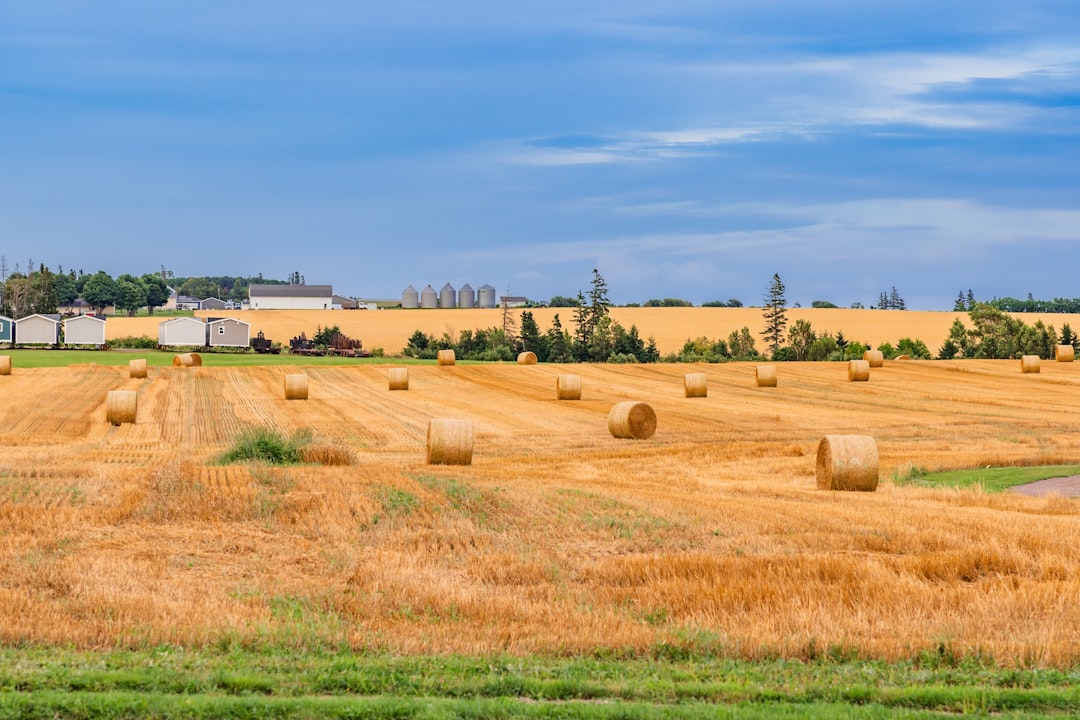
When considering your investment portfolio, you may feel an undeniable pull towards high-growth tech stocks or the allure of the volatile cryptocurrency market. However, a less glamorous, yet fundamentally robust, asset class often gets overlooked: farmland. Farmland, a cornerstone of human civilization, represents an investment that stands apart from many others. Its intrinsic value is underpinned by an unwavering truth: people will always need to eat. This foundational demand, coupled with a finite and dwindling supply of arable land, positions farmland as a consistently stable and attractive investment choice. You are not chasing fleeting trends; you are investing in the very fabric of human existence.
To understand the stability of farmland as an investment, you must first grasp its critical role in global food security. You are not just buying dirt; you are acquiring a piece of the planet’s food engine. The documentary explores the impact of the financialization of American agriculture on rural communities and farming practices.
Unwavering Demand for Sustenance
Consider your daily routine. How often does your mind turn to food? For you, and for the billions across the globe, sustenance is non-negotiable. This relentless and universal demand forms the bedrock of agricultural enterprise. Economic booms and busts may influence discretionary spending, but the need for food remains constant. During recessions, while many industries contract, the agricultural sector, though not immune, often demonstrates remarkable resilience. People might cut back on luxury goods, but they will not stop eating. This fundamental human need directly translates into sustained demand for agricultural produce, thereby underpinning the value of the land upon which it is grown.
Population Growth and Resource Constraints
Peer into the future, and you will see a world that is becoming more crowded. Global population projections consistently point towards continued growth, with estimates suggesting billions more inhabitants by mid-century. Each new individual represents another mouth to feed, another consumer of agricultural output. Simultaneously, you must contend with a stark reality: the Earth’s landmass is fixed. Furthermore, a significant portion of that land is inhospitable to agriculture, while urban sprawl, degradation, and climate change actively reduce the available arable land. You are witnessing a tightening squeeze between increasing demand and diminishing supply – a classic economic scenario that typically favors the asset in shortage. This dynamic is a powerful tailwind for farmland values.
Investing in farmland has gained attention as a more stable investment option compared to traditional stocks and bonds. A related article discusses the various factors contributing to this stability, such as the consistent demand for food and the potential for appreciation in land value over time. For more insights on how farmland can serve as a reliable investment, you can read the article at How Wealth Grows. This resource provides valuable information on the benefits and strategies associated with investing in agricultural land.
A Tangible Asset in an Intangible World
In an increasingly digital and often speculative financial landscape, farmland offers you the reassuring presence of a tangible asset. It is something you can touch, walk upon, and observe changing with the seasons.
Protection Against Inflation
Inflation, often described as a hidden tax, erodes the purchasing power of your money. Many traditional investments struggle to keep pace with rising prices. However, farmland has historically served as an excellent hedge against inflation. Why? Because the output of farmland – food – is a primary component of inflation indices. As the cost of living rises, so too do the prices of commodities produced on agricultural land. This means that the revenue generated from your farmland investment often increases in tandem with inflation, preserving, or even enhancing, your real returns. You are not just hoping your investment outpaces inflation; you are investing in something whose value is inherently linked to the very phenomenon of rising prices.
Limited Supply and Irreplaceability
Imagine trying to “create” more farmland. The process is either impossible or prohibitively expensive, involving monumental feats of engineering like draining marshes or reclaiming deserts. Even then, the fertile topsoil, the complex microbial ecosystems, and the favorable climate that characterize truly productive farmland take centuries, if not millennia, to develop. You are dealing with an asset that is genuinely finite and, for all practical purposes, irreplaceable. This scarcity principle is a powerful driver of long-term value appreciation. Unlike manufacturing a new factory or printing more shares, you cannot simply conjure up more fertile ground. This inherent limitation contributes significantly to the stability and upward trajectory of farmland values.
Diversification and Risk Mitigation
A cornerstone of sound investment strategy is diversification. Farmland offers a unique and potent means to achieve this, acting as a ballast in your portfolio.
Low Correlation with Other Asset Classes
One of the most compelling arguments for including farmland in your investment portfolio is its low correlation with traditional asset classes like stocks and bonds. When the stock market experiences a downturn, or bond yields become unattractive, farmland often behaves independently. Its value is driven more by fundamental agricultural economics (supply and demand for food, input costs) than by broader market sentiment or corporate earnings cycles. This low correlation means that adding farmland can reduce the overall volatility of your portfolio. You are not putting all your eggs in one basket; you are adding a completely different kind of a basket that often moves in a different direction. This diversification effect can smooth out your investment journey and provide a more stable return profile.
Resilience During Economic Downturns
While no investment is entirely recession-proof, farmland demonstrates remarkable resilience during economic downturns. As previously discussed, the fundamental demand for food persists regardless of the economic climate. While consumer discretionary spending might dip, impacting retail or hospitality sectors, the necessity to eat sustains agricultural production. Furthermore, in times of uncertainty, investors often flee volatile assets and seek safe havens. Tangible, productive assets like farmland, with their intrinsic value and income-generating potential, can become attractive alternatives. You are investing in something that provides essential goods, even when the broader economy is struggling, making it a robust component of your portfolio during turbulent times.
Income Generation and Capital Appreciation
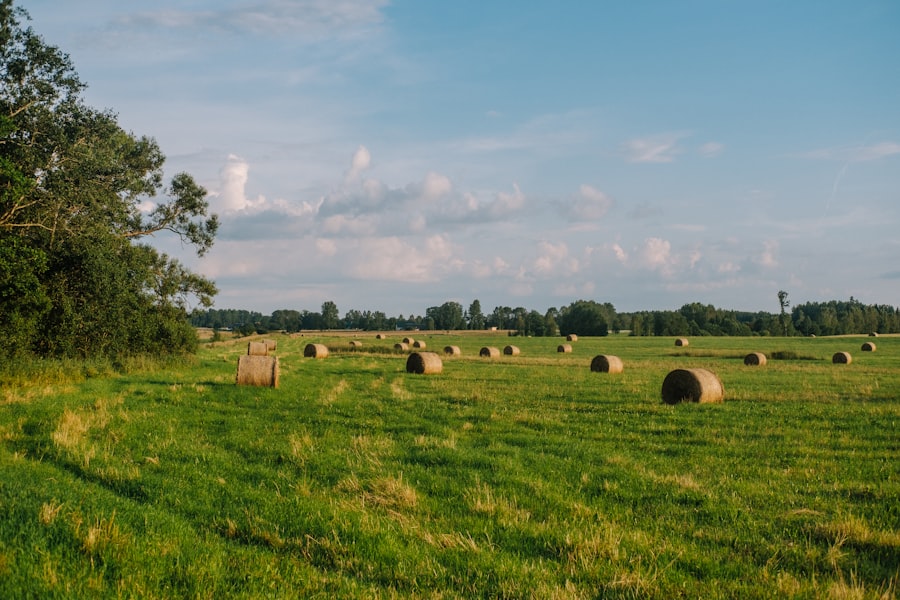
Farmland offers a double benefit: it provides both a steady stream of income and the potential for long-term capital appreciation. You are essentially getting two types of returns from one asset.
Rental Income from Leases
One of the most straightforward ways to generate income from farmland is by leasing it to farmers. You, as the owner, can enter into various types of lease agreements: cash rents (a fixed payment per acre), crop-share leases (where you receive a percentage of the harvest), or flexible leases that combine aspects of both. This rental income provides a predictable and ofteninflation-adjusted revenue stream, akin to receiving dividends from stocks or rent from a residential property. This regular cash flow can contribute significantly to your overall investment returns and help cover holding costs. You are not just waiting for capital appreciation; you are actively earning income as your asset grows in value.
Long-Term Value Appreciation
Beyond the annual income, the primary driver for many farmland investors is the long-term appreciation of the land itself. As discussed, the confluence of increasing global population, dwindling arable land, and rising demand for food creates a powerful upward pressure on farmland values. Historically, farmland has demonstrated a consistent trend of appreciation, often outpacing inflation over extended periods. This appreciation is not solely dependent on agricultural yields; factors like proximity to urban areas, potential for development (though rarely the primary investment driver), and improvements in infrastructure can also contribute. You are buying into an asset with a strong historical precedent for capital growth, driven by fundamental global trends.
Investing in farmland has gained recognition as a more stable option compared to traditional stocks and bonds, primarily due to its intrinsic value and the growing demand for food. As highlighted in a related article, the consistent appreciation of agricultural land, coupled with its ability to generate rental income, makes it an attractive choice for long-term investors. The article discusses various factors that contribute to the resilience of farmland investments, including climate stability and the increasing global population. For more insights on this topic, you can read the full article here.
Sustainable and Ethical Investment
| Metric | Description | Reason for Stability | Example Data |
|---|---|---|---|
| Land Value Appreciation | Increase in farmland value over time | Limited supply and growing demand for food | Average annual appreciation: 3-5% |
| Income Generation | Revenue from crop production or leasing | Consistent demand for agricultural products | Annual rental income yield: 2-4% |
| Inflation Hedge | Protection against currency devaluation | Farmland prices and crop prices tend to rise with inflation | Correlation with inflation: High (0.7+) |
| Low Volatility | Price fluctuations compared to stocks/bonds | Less affected by market speculation | Volatility index: 5-10% vs. stocks 15-20% |
| Intrinsic Value | Value based on productive capacity | Land produces tangible goods (food, fiber) | Productivity measured in yield per acre |
| Demand Drivers | Population growth and dietary changes | Increasing global food demand supports farmland value | Global population growth rate: ~1% annually |
In an era where environmental, social, and governance (ESG) factors are increasingly influencing investment decisions, farmland presents opportunities for you to align your financial goals with sustainable practices.
Contributing to Food Security and Local Economies
By investing in farmland, you are not just making a financial transaction; you are participating in a system that is vital for global well-being. Your investment supports food production, ensuring that communities have access to necessary sustenance. Furthermore, the agricultural sector is often a cornerstone of rural economies, providing employment and supporting numerous ancillary businesses. By investing, you are indirectly contributing to the livelihoods of farmers and the vitality of rural areas. You are not merely a distant landlord; you are a participant in a critical industry that feeds the world and sustains communities.
Potential for Sustainable Agriculture Practices
As a farmland owner, you have the opportunity, either directly or through your farm managers or tenants, to influence and promote sustainable agricultural practices. This might include adopting regenerative agriculture techniques, which improve soil health and sequester carbon, reducing reliance on synthetic inputs, or implementing water-saving irrigation methods. Investing in farmland can thus be an active step towards environmental stewardship. You can choose to support farming methods that protect ecosystems, conserve natural resources, and contribute to long-term ecological balance. This alignment with sustainable practices adds an ethical dimension to your investment, allowing you to generate financial returns while also having a positive impact on the planet.
In conclusion, when you peel back the layers of market hype and speculative fervor, you will find farmland standing as a beacon of stability. Its intrinsic connection to fundamental human needs, its finite nature, its inflation-hedging capabilities, and its low correlation with other asset classes make it a prudent addition to any diversified investment portfolio. You are not buying into a fleeting trend, but into the very ground beneath our feet – a fertile source of both sustenance and steadfast returns. Consider farmland not as a quaint relic of the past, but as a robust and essential investment for the future.
WATCH THIS! ⚠️💰🌾 Why Wall Street Is Buying Up America’s Farmland (And Why It Should Terrify You)
FAQs
What makes farmland a stable investment?
Farmland is considered a stable investment because it typically provides consistent returns through crop production, has intrinsic value as a physical asset, and tends to appreciate over time due to increasing demand for food and limited land availability.
How does farmland compare to other types of investments?
Compared to stocks or bonds, farmland is less volatile and less affected by market fluctuations. It also offers diversification benefits and can generate income through leasing or farming operations, making it a more stable long-term investment.
What factors contribute to the stability of farmland investments?
Key factors include the essential nature of agriculture, steady demand for food, limited supply of arable land, government subsidies or support programs, and the ability to generate income through crop yields or leasing.
Is farmland affected by economic downturns?
While farmland can be influenced by economic conditions, it is generally more resilient during downturns because food demand remains relatively inelastic. Additionally, farmland can provide a hedge against inflation.
Can farmland investments provide income?
Yes, farmland can generate income through leasing to farmers, crop sales, or timber harvesting, depending on the type of land and its use.
What risks are associated with investing in farmland?
Risks include weather variability, changes in commodity prices, regulatory changes, environmental issues, and potential management challenges. However, these risks are often mitigated by the land’s intrinsic value and demand for agricultural products.
How does farmland appreciate in value?
Farmland appreciates due to factors such as increased agricultural productivity, rising commodity prices, population growth driving food demand, and limited availability of new arable land.
Is farmland a good investment for diversification?
Yes, farmland often has a low correlation with traditional financial markets, making it an effective asset for diversifying an investment portfolio and reducing overall risk.
What types of farmland are typically considered stable investments?
Highly productive cropland, irrigated farmland, and land in regions with favorable climate and infrastructure are generally considered more stable and valuable investments.
How can investors access farmland investments?
Investors can purchase farmland directly, invest in farmland-focused real estate investment trusts (REITs), or participate in agricultural funds and partnerships.