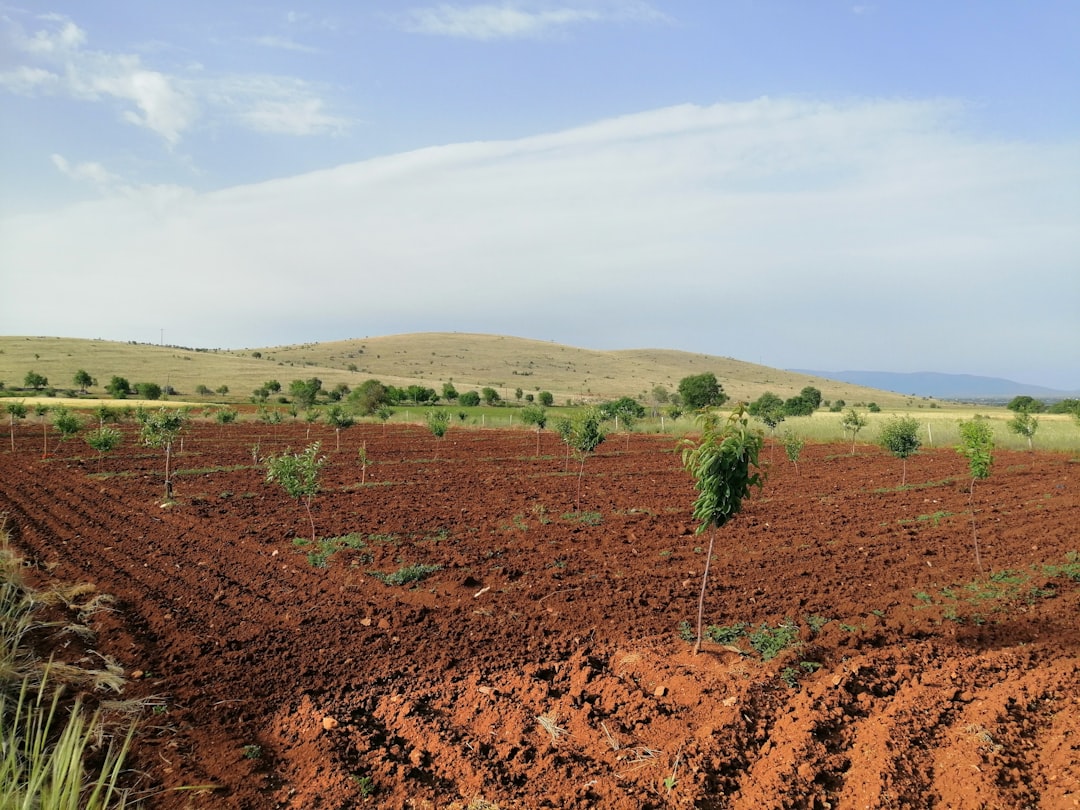
You stand at a crossroads, gazing across fertile fields, considering a monumental decision: investing in agricultural land. This isn’t a mere flick of a stock market switch; it’s a commitment to a tangible asset, a parcel of earth with its own rhythms and demands. Before you sow your financial seeds, it’s prudent to examine the ground thoroughly, understanding both the bounty it can yield and the challenges it may present. This article will guide you through the intricate landscape of agricultural land investment, dissecting its advantages and disadvantages with a dispassionate lens.
When you invest in agricultural land, you are, in essence, investing in the fundamental human need for sustenance. This intrinsic value, coupled with several other factors, paints an attractive picture for the discerning investor. Learn more about the financialization of American agriculture and its impact on the economy.
Intrinsic Value and Tangibility
Unlike ephemeral digital assets or volatile stocks, agricultural land is a physical entity you can see, touch, and even walk upon. This tangibility offers a profound sense of security for many investors.
A Hedge Against Inflation
Historically, agricultural land has served as a robust hedge against inflationary pressures. As the cost of living rises, so too does the value of food and, consequently, the land that produces it. Your investment can act as an anchor in stormy economic seas, maintaining its purchasing power when other assets might erode. You
are essentially possessing a slice of a necessity, and necessities tend to hold their value.
Limited Supply, Growing Demand
The fundamental economics of supply and demand are powerfully at play here. While the global population continues to expand, the amount of arable land is finite, and in some regions, even shrinking due to urbanization and degradation. This inherent scarcity positions agricultural land for potential long-term capital appreciation. You are buying into a resource that is not being created anew.
Income Generation Potential
Beyond capital appreciation, fertile land offers the prospect of consistent income, providing a dual-pronged benefit to your portfolio.
Rental Income
You have the option to lease your land to farmers. This can generate a steady stream of rental income, often structured as annual payments or a share of the harvest. This passive income stream can contribute significantly to your overall returns, providing a predictable financial rhythm. It’s like having a tenant who ensures your property remains productive.
Direct Farming Operations
For those with a more active disposition and agricultural expertise, direct farming offers the potential for higher returns. By managing the cultivation yourself, or hiring skilled labor, you can directly benefit from crop sales and livestock production. This approach, however, demands greater involvement and a deeper understanding of agricultural practices. You become the conductor of an orchestra, guiding each instrument to create value.
Diversification and Portfolio Stability
Adding agricultural land to your investment portfolio can act as a stabilizing force, offering valuable diversification benefits.
Low Correlation with Other Asset Classes
Agricultural land often exhibits a low correlation with traditional asset classes like stocks and bonds. This means that when the stock market experiences a downturn, your agricultural land investment may remain relatively stable or even appreciate, providing a valuable counterbalance. It’s akin to having a different type of engine in your investment vehicle, ensuring continued forward motion even if one engine falters.
Resilience in Economic Downturns
During economic recessions, while discretionary spending may dwindle, the demand for food remains constant. This fundamental resilience makes agricultural land a less volatile investment option during periods of economic uncertainty. People will always need to eat, regardless of the economic climate.
Investing in agricultural land can be a lucrative opportunity, but it also comes with its own set of challenges. For a comprehensive overview of the pros and cons associated with this type of investment, you can refer to a related article that discusses various factors to consider before making a decision. This article provides insights into potential returns, market fluctuations, and the impact of climate change on agricultural productivity. To learn more, visit this link.
The Barren Patches: Disadvantages of Agricultural Land Investment
While the soil of agricultural investment appears fertile, it is not without its rocky outcrops and challenging terrains. Acknowledging these potential drawbacks is crucial for a balanced and informed decision.
Illiquidity and High Capital Outlay
Unlike publicly traded stocks, agricultural land is not easily bought and sold. This illiquidity can present significant challenges.
Difficult to Buy and Sell Quickly
Finding the right buyer for agricultural land can take time, often months or even years. This lack of immediate market access means your capital can be tied up for extended periods. If you need quick access to your funds, this asset class may not be suitable. It’s not like trading stocks with a click; it’s a more deliberate, unhurried transaction.
Substantial Initial Investment
Acquiring agricultural land typically requires a considerable upfront capital investment. The price per acre can vary significantly based on location, soil quality, water rights, and access to infrastructure. This high barrier to entry can limit participation for many investors. You’re not buying a few shares; you’re buying a significant piece of the planet.
Operational Risks and Management Challenges
Owning agricultural land is not a purely passive endeavor; it comes with inherent operational risks and demands.
Weather Volatility and Climate Change
Agriculture is intrinsically linked to weather patterns. Droughts, floods, hailstorms, and extreme temperatures can severely impact crop yields and livestock, directly affecting your income. Furthermore, the increasing unpredictability of climate change introduces a layer of long-term risk that demands careful consideration. You are subject to the whims of nature, a force beyond your control.
Commodity Price Fluctuations
The prices of agricultural commodities (grains, dairy, meat, etc.) are subject to global supply and demand dynamics, geopolitical events, and even currency exchange rates. Abumper harvest in one region can depress prices globally, impacting your profitability. You are interacting with a global marketplace, where forces far beyond your immediate control can dictate your returns.
Pest and Disease Outbreaks
Crops are susceptible to various pests and diseases that can decimate yields if not managed effectively. Livestock, too, faces risks from diseases. These outbreaks can lead to significant financial losses and require skilled management and preventative measures. It’s an ongoing battle against microscopic aggressors.
Regulatory and Environmental Concerns
Agricultural practices are subject to various local, national, and international regulations concerning water usage, pesticide application, land sustainability, and environmental protection. Non-compliance can lead to hefty fines and operational restrictions. Additionally, societal pressures regarding sustainable farming practices are growing, which may influence your operational choices and costs. You must navigate a complex web of rules and ecological responsibilities.
Lack of Technical Expertise
Successfully managing agricultural land, directly or indirectly, often requires specialized knowledge.
Understanding Soil Science and Crop Management
To optimize yields and maintain soil health, you need an understanding of soil composition, nutrient requirements, crop rotation, and pest control. Without this expertise, you risk diminishing returns and long-term land degradation. It’s a science, not a casual hobby.
Market Knowledge and Agricultural Economics
Knowing when to plant, when to harvest, and when to sell at optimal prices requires an understanding of agricultural markets, futures contracts, and global supply chains. Misjudgments in these areas can significantly impact your profitability. You need to be aware of the pulse of the market.
Labor Management (if direct farming)
If you choose to operate the farm directly, managing a workforce of agricultural laborers can be complex, involving considerations of wages, housing, seasonality, and regulatory compliance. It’s a significant managerial undertaking.
Navigating the Terrain: Key Considerations Before Investing
Before you commit to a plot of land, you must meticulously research and assess several critical factors. Your due diligence is your compass in this journey.
Location, Location, Location
Just as in residential real estate, the geographical placement of agricultural land is paramount.
Soil Quality and Topography
Investigate the soil type, its nutrient content, and drainage capabilities. Flat, fertile land is generally more desirable than rocky or uneven terrain. Soil tests are an invaluable tool in this assessment. You want a canvas that is primed for productivity.
Water Rights and Availability
Access to reliable water sources (rivers, wells, irrigation systems) is fundamental for sustainable agriculture. Water rights can be complex and are often a significant determinant of land value. Without water, even the most fertile land is merely dust.
Proximity to Markets and Infrastructure
Consider the distance to processing facilities, transportation networks (roads, rail), and consumer markets. Closer proximity can reduce transportation costs and improve the freshness of produce. Efficiency often hinges on location.
Financial Analysis and Due Diligence
A thorough financial examination is indispensable to ensure the viability and potential returns of your investment.
Valuation and Appraisal
Engage professional appraisers specializing in agricultural land to ascertain the fair market value. Compare prices of similar properties in the area. Do not rely solely on advertised prices; always seek independent verification. You need to determine if the asking price is truly reflective of the land’s worth.
Production Costs and Potential Revenues
Develop a realistic projection of operational costs (seeds, fertilizers, labor, machinery, insurance, taxes) and potential revenues based on historical yields and commodity prices. It’s a business plan, demanding precision and foresight.
Legal and Environmental Checks
Thoroughly review all legal documents, including title deeds, easements, zoning restrictions, and environmental reports. Understand any existing leases or contractual obligations. Ignorance of these details can lead to costly surprises. You must ensure the ground beneath your feet is legally sound.
Conclusion: Sowing Wisely
Investing in agricultural land is not a venture for the faint of heart or the impatient. It demands a long-term perspective, an understanding of agricultural nuances, and a healthy respect for the forces of nature and markets. The intrinsic value, income generation potential, and diversification benefits present compelling arguments for its inclusion in a well-rounded portfolio. However, the illiquidity, operational risks, and substantial capital outlay necessitate careful consideration.
Before you spread your financial seeds across a field, perform your due diligence with diligence. Understand the soil you are planting in, both literally and figuratively. By approaching this investment with realism and thorough preparation, you increase your chances of cultivating a fruitful and enduring asset. You are not just buying land; you are buying into a civilization’s most ancient and enduring industry. Choose wisely, and you may find your investment blossoming into a robust and rewarding part of your financial landscape.
WATCH THIS! ⚠️💰🌾 Why Wall Street Is Buying Up America’s Farmland (And Why It Should Terrify You)
FAQs
What are the main advantages of investing in agricultural land?
Investing in agricultural land offers benefits such as potential for steady income through farming or leasing, long-term capital appreciation, diversification of investment portfolio, and the ability to hedge against inflation.
What are some common risks associated with investing in agricultural land?
Risks include market volatility in agricultural products, weather and climate impacts, changes in government policies or subsidies, high initial capital requirements, and potential difficulties in land management or finding reliable tenants.
How does investing in agricultural land compare to other real estate investments?
Agricultural land often has lower liquidity compared to residential or commercial real estate, may require specialized knowledge for effective management, and its value is influenced by factors like soil quality and crop prices rather than urban development trends.
Can agricultural land investments provide regular income?
Yes, investors can generate regular income by leasing the land to farmers or agricultural businesses, or by directly engaging in farming activities to produce crops or livestock for sale.
What factors should be considered before investing in agricultural land?
Important factors include soil fertility, water availability, location, local climate, legal restrictions, market demand for agricultural products, and the experience or resources available for land management.
Is agricultural land a good hedge against inflation?
Yes, agricultural land is often considered a good hedge against inflation because its value and the prices of agricultural products tend to rise with inflation, preserving the investor’s purchasing power.
How liquid is agricultural land as an investment?
Agricultural land is generally less liquid than other types of real estate or financial assets, meaning it can take longer to sell and convert into cash, depending on market conditions and location.
Are there tax benefits to investing in agricultural land?
Tax benefits vary by country and region but may include deductions for property taxes, depreciation, and expenses related to farming operations. It is advisable to consult a tax professional for specific guidance.
What impact do government policies have on agricultural land investments?
Government policies such as subsidies, land use regulations, environmental restrictions, and trade agreements can significantly affect the profitability and viability of agricultural land investments.
Can investing in agricultural land contribute to sustainable development?
Yes, responsible investment in agricultural land can promote sustainable farming practices, conservation of natural resources, and support local communities, but it requires careful management and adherence to environmental standards.