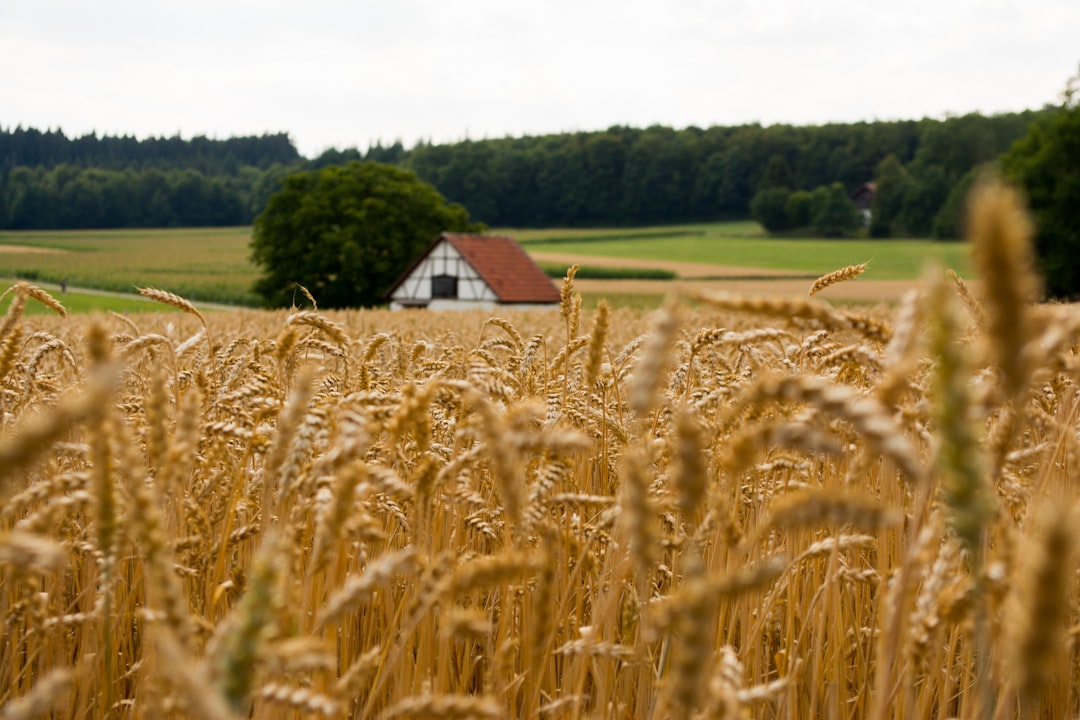
You stand at a critical juncture in the agricultural landscape, where the very earth beneath your feet, your farmland, is not merely soil but a commodity subject to the intricate dance of supply, demand, and global forces. Understanding the nuances of the farmland market is no longer a luxury; it’s a necessity for anyone invested in this foundational sector. This article aims to equip you with a factual, data-driven analysis of present trends and future predictions, allowing you to navigate the complexities with informed decision-making.
Let’s first establish a baseline, examining where the farmland market sits today. You’ll observe a landscape shaped by a confluence of factors, some cyclical, others more enduring. Learn more about the financialization of American agriculture and its impact on the economy.
Price Trends and Valuation Metrics
Your farmland, like any asset, is valued based on a multitude of metrics. While land is often considered a tangible and stable investment, its price trajectory is rarely a straight line.
- Regional Disparities: You’ll notice that farmland prices are not uniform across the globe, nor even within a single country. Proximity to urban centers, soil fertility, water availability, and local agricultural policies all act as brushstrokes on this diverse canvas. For instance, prime irrigated land in America’s Corn Belt behaves very differently in terms of valuation compared to arid pastureland in Australia.
- Cap Rates and Investment Returns: When you consider farmland as an investment, you’re often looking at capitalization rates (cap rates) – the ratio of net operating income to the property’s asset value. Historically, farmland has offered competitive, if not superior, risk-adjusted returns compared to other asset classes, often serving as a hedge against inflation. You’ll find that these returns are a significant draw for institutional investors.
- Yield Compression: In recent years, you might have observed a phenomenon known as yield compression. As land prices rise faster than rental incomes or crop profits, the cap rate shrinks. This isn’t necessarily a negative, but it does indicate a maturing market and potentially lower future entry yields for new investors.
Influencing Factors on Farmland Values
Several powerful currents are shaping the value of your agricultural land. Ignoring them would be like sailing without a compass.
- Commodity Prices: The price of corn, soybeans, wheat, and other agricultural commodities directly impacts your profitability and, consequently, the perceived value of your land. When commodity prices are strong, the ability to generate higher income from the land increases, often leading to upward pressure on land values. Conversely, a downturn in commodity prices can act as a drag.
- Interest Rates: As an economic lever, interest rates play a pivotal role. When interest rates are low, borrowing costs for land acquisition are reduced, making farmland more attractive to buyers and supporting higher prices. When rates climb, the cost of capital increases, potentially cooling the market.
- Government Policies and Subsidies: You cannot overlook the influence of agricultural policies, subsidies, and trade agreements. These governmental interventions can significantly impact profitability, risk profiles, and ultimately, land values. For instance, biofuel mandates can boost demand for certain crops, while environmental regulations might impose restrictions that affect land use and value.
- Technological Advancements: The continuous march of agricultural technology, from precision farming to biotechnology, impacts your land’s productivity and value. Innovations that increase yields, reduce input costs, or improve sustainability can enhance the long-term attractiveness of your farmland.
For those interested in a comprehensive overview of the farmland market, including analysis and future predictions, a related article can be found at this link. This article delves into the factors influencing farmland prices, trends in agricultural investments, and expert forecasts that can help investors make informed decisions in the evolving agricultural landscape.
Drivers of Future Farmland Demand: A Global Perspective
Looking forward, several macro trends are acting as powerful engines, propelling continued demand for agricultural land. You are witnessing a fundamental shift in global demographics and consumption patterns.
Population Growth and Food Security
The sheer arithmetic of population growth is a powerful, undeniable force. You are part of a world that is adding billions to its population, all of whom need to be fed.
- Increasing Caloric Demand: As populations grow and economies develop, you’ll observe a shift in dietary patterns towards higher-calorie, more protein-intensive diets. This trend necessitates a greater output of grains, oilseeds, and livestock, placing increased pressure on arable land.
- Urbanization and Arable Land Loss: Paradoxically, while more food is needed, urbanization is consuming agricultural land at an alarming rate. As cities expand, they often encroach upon prime farming areas, reducing the total available arable land. This creates a finite resource that is in ever-higher demand.
Investor Interest and Diversification
Farmland has evolved from a purely operational asset for farmers to an attractive investment vehicle for a diverse range of capital. You’ll find that financial institutions are increasingly eyeing this sector.
- Institutional Investors: Pension funds, insurance companies, and sovereign wealth funds are increasingly allocating portions of their portfolios to farmland. They are drawn by its low correlation with traditional asset classes, its inflation-hedging qualities, and its stable long-term returns. For you, this means more competition on the buyer side for available land.
- Family Offices and High-Net-Worth Individuals: Beyond institutional players, family offices and affluent individuals also view farmland as a robust store of value and a tangible asset offering diversification and a hedge against economic volatility. They often seek both financial returns and the intrinsic value of land ownership.
Renewable Energy and Carbon Sequestration
Beyond food production, your land is increasingly being viewed through additional lenses, particularly those related to environmental services.
- Solar and Wind Development: Large tracts of open land, including agricultural land, are becoming target sites for solar and wind energy projects. For you, this presents both opportunities for lease income and potential competition for prime agricultural land.
- Carbon Farming and Credits: The emergence of carbon markets offers a new revenue stream for farmers. Practices that sequester carbon in the soil, such as no-till farming or cover cropping, can generate carbon credits that can be sold. Your land is evolving from a food factory into a carbon sink.
Supply-Side Constraints: Limits to Growth
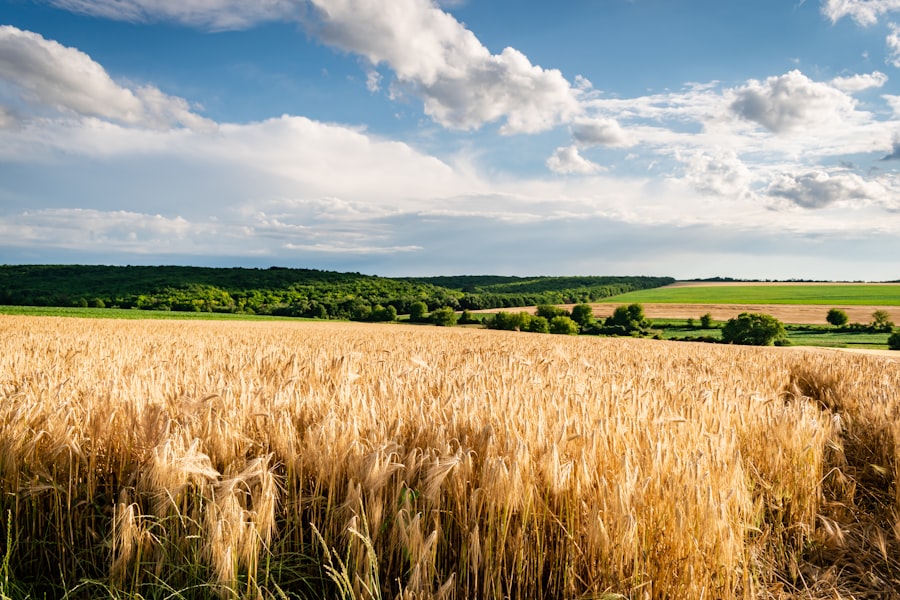
While demand for farmland appears robust, you must also consider the inherent limitations on the supply side. Land is, after all, a finite resource.
Arable Land Scarcity
The world’s total land area is fixed, and the percentage suitable for agriculture is surprisingly small. You’ll find that bringing new land into production is a challenging and often unsustainable endeavor.
- Degradation and Desertification: A significant portion of existing arable land is subject to degradation from practices such as overgrazing, soil erosion, and chemical overuse. Desertification further reduces the productive capacity of land, particularly in arid and semi-arid regions.
- Water Scarcity: Access to fresh water is as critical as fertile soil. Many agricultural regions face increasing water stress due to climate change and over-extraction, limiting irrigation potential and impacting yields, thus reducing the effective supply of productive land.
Regulatory and Environmental Restrictions
You’ll increasingly encounter a web of regulations designed to protect natural resources and mitigate environmental impact. These can directly affect your land’s usage and value.
- Land Use Zoning: Zoning laws dictate what your land can be used for, limiting conversion to other uses or even restricting certain agricultural practices.
- Environmental Protections: Regulations regarding water quality, biodiversity, and pesticide use can impose significant costs or restrictions on agricultural operations, impacting profitability and land value. Wetlands protection and conservation easements are prime examples.
Emerging Trends and Disruptors: The Road Ahead
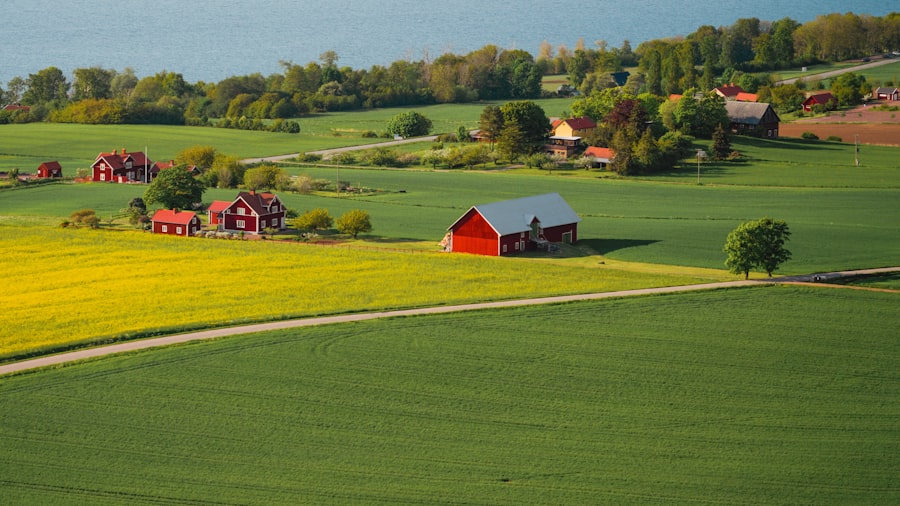
The future of farmland is not simply an extrapolation of the past. You should anticipate disruptive forces that will reshape the market in unexpected ways.
Climate Change and Adaptation
The climate crisis is not an abstract concept; it is already impacting your land and livelihoods. Adaptation will be paramount.
- Shifting Growing Zones: You may experience changes in optimal growing zones, with some areas becoming more productive for certain crops and others becoming less so. This could lead to a redistribution of agricultural value.
- Increased Volatility and Extreme Weather: Floods, droughts, and extreme temperatures are becoming more frequent and intense, posing significant risks to crop yields and ultimately, land values. Your ability to build resilience into your operations will be a key differentiator.
- Sustainable Agriculture and Regenerative Practices: There is growing pressure and opportunity to adopt sustainable and regenerative farming practices. These not only improve soil health and resilience but can also unlock new revenue streams through ecosystem services.
Automation and Precision Agriculture
Technology is not just transforming agriculture; it’s redefining the very concept of farm management. You are on the cusp of an agricultural revolution.
- Robotics and AI: Robotic planters, harvesters, and autonomous tractors are becoming more prevalent, reducing labor costs and increasing efficiency. Artificial intelligence is being deployed for everything from disease detection to yield prediction.
- Data-Driven Decision Making: You’ll increasingly rely on vast amounts of data from sensors, satellites, and drones to make informed decisions about planting, fertilizing, and irrigation. This precision approach maximizes output with minimal input, enhancing the productive value of your land.
In the ever-evolving landscape of agriculture, understanding the dynamics of the farmland market is crucial for investors and farmers alike. A recent article on farmland market analysis and predictions highlights key trends that could shape the future of agricultural investments. For those interested in exploring these insights further, you can read more about it in this comprehensive piece on how wealth grows. This resource provides valuable information that can aid in making informed decisions in the farmland sector.
Predictions and Outlook: Navigating the Future
| Year | Average Farmland Price (per acre) | Annual Price Growth (%) | Top Crop Yield (bushels/acre) | Farmland Demand Index | Predicted Price Growth Next Year (%) |
|---|---|---|---|---|---|
| 2020 | 3200 | 3.5 | 180 | 75 | 4.0 |
| 2021 | 3320 | 3.8 | 185 | 78 | 4.2 |
| 2022 | 3460 | 4.2 | 190 | 80 | 4.5 |
| 2023 | 3610 | 4.3 | 195 | 82 | 4.7 |
| 2024 (Forecast) | 3775 | 4.6 | 200 | 85 | 4.9 |
As you look to the horizon, what can you expect from the farmland market? The path ahead is complex, but some trends are becoming clearer.
Continued Price Appreciation (with regional variations)
You can anticipate continued long-term price appreciation for quality farmland, albeit with continued regional variations and potential short-term volatility. The fundamental drivers of population growth and finite supply remain strong. However, you should be prepared for market corrections linked to commodity price cycles or interest rate hikes.
Increased Volatility and Risk Management
The era of predictable, steady growth might be giving way to one of greater volatility. You will need robust risk management strategies to contend with climate impacts, geopolitical tensions affecting trade, and rapidly changing technological landscapes. Diversification across regions and crop types will be more crucial than ever.
The Rise of ESG Investing in Agriculture
Environmental, Social, and Governance (ESG) considerations are no longer niche; they are moving mainstream. You’ll find that investors are increasingly scrutinizing the sustainability practices of agricultural operations. Farmland that demonstrates strong ESG performance, perhaps through regenerative practices or sustainable water management, may command a premium and attract a wider pool of capital. Your land’s story will increasingly include its environmental footprint.
Strategic Importance of Water Rights and Infrastructure
Access to reliable water will become an ever more critical determinant of farmland value. You should view water rights not just as an operational necessity but as a strategic asset. Investment in water-efficient irrigation technologies and infrastructure will be paramount to maintaining long-term productivity and land value.
Divergence Between High-Quality and Marginal Land
You might observe an increasing divergence in value between high-quality, productive land with reliable water access and less productive, marginal land. As pressures mount, prime land will likely maintain or enhance its premium, while marginal land may struggle to compete, unless it can offer alternative revenue streams like renewable energy sites or carbon sequestration.
In conclusion, the farmland market is a living, breathing entity, constantly evolving. You are operating within a dynamic ecosystem influenced by global demographics, economic forces, technological innovation, and environmental imperatives. By staying informed, conducting thorough due diligence, and adapting to these changing landscapes, you can position yourself to not only withstand the challenges but also capitalize on the opportunities that lie ahead for your agricultural land. Your foresight today will determine your prosperity tomorrow.
WATCH THIS! ⚠️💰🌾 Why Wall Street Is Buying Up America’s Farmland (And Why It Should Terrify You)
FAQs
What is farmland market analysis?
Farmland market analysis involves examining trends, prices, demand, and supply factors affecting agricultural land. It helps investors, farmers, and policymakers understand the current state and future outlook of farmland values.
Why is farmland market analysis important?
It provides insights into land value fluctuations, investment opportunities, and risks. This analysis aids in making informed decisions regarding buying, selling, or managing farmland assets.
What factors influence farmland prices?
Key factors include crop prices, interest rates, government policies, technological advancements, climate conditions, and regional economic growth. Supply and demand dynamics also play a significant role.
How are farmland market predictions made?
Predictions are based on historical data, economic indicators, weather patterns, policy changes, and market trends. Analysts use statistical models and expert judgment to forecast future land values.
Who uses farmland market analysis and predictions?
Farmers, agricultural investors, real estate professionals, financial institutions, and government agencies utilize this information for planning, investment, and policy formulation.
Can farmland market predictions be inaccurate?
Yes, predictions are subject to uncertainties such as unexpected weather events, policy shifts, and market volatility, which can impact the accuracy of forecasts.
How often should farmland market analysis be updated?
Regular updates, typically annually or semi-annually, are recommended to reflect changing market conditions and ensure relevant decision-making.
What regions are typically included in farmland market analysis?
Analyses often focus on specific regions or countries, considering local agricultural practices, climate, and economic factors that influence land values.
Does farmland market analysis consider environmental factors?
Yes, environmental factors like soil quality, water availability, and climate change impacts are integral to assessing farmland value and sustainability.
Where can I find reliable farmland market analysis reports?
Reports are available from agricultural research institutions, government agencies, real estate firms specializing in farmland, and financial market analysts.