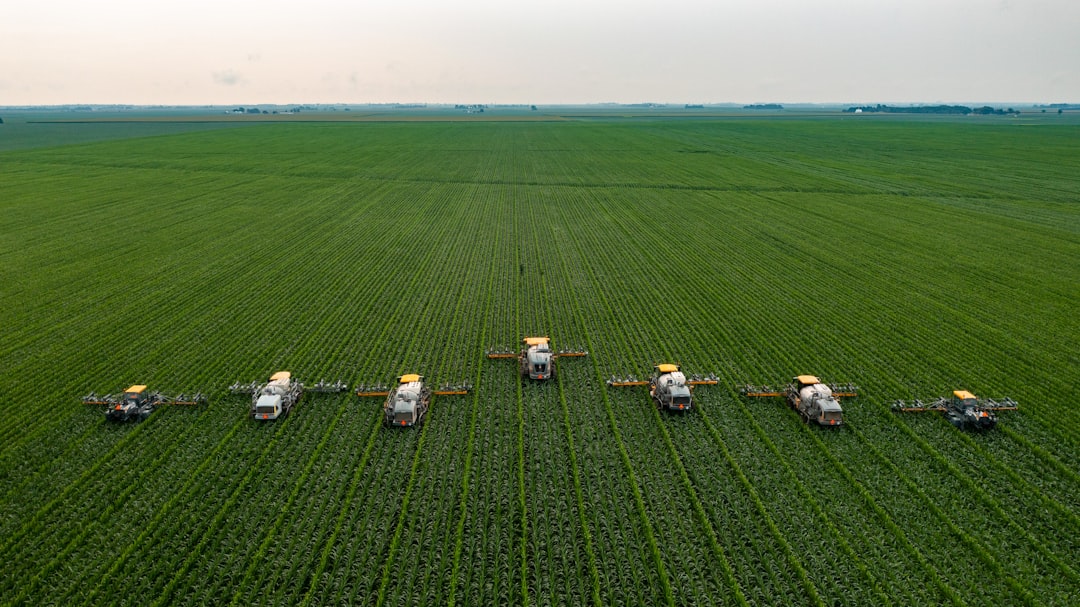
You might not realize it, but the food on your plate has a story, a complex narrative shaped by economic forces that often remain invisible. One of the most significant chapters in this story is the rise of corporate farming, a system that, while seemingly efficient, presents a litany of economic dangers that reverberate throughout society. As you delve deeper, you’ll discover that this isn’t just about how your food is produced; it’s about the very fabric of your local economy, your health, and even your national food security.
When you consider the landscape of American agriculture, you might envision quaint family farms. However, the reality is a stark contrast, dominated by a handful of colossal corporations. This shift has profound implications for your community. Learn more about the financialization of American agriculture and its impact on the economy.
Declining Rural Prosperity
Imagine your hometown’s main street. Once bustling with independent businesses, it now struggles as corporate giants absorb smaller enterprises. This is the agricultural equivalent. As corporate farms expand, they consolidate land and production, often at the expense of family-owned operations. You see fewer local businesses thriving, fewer farmers’ markets with diverse offerings, and ultimately, a less vibrant rural economy.
- Loss of Diverse Agricultural Businesses: Corporate farming prioritizes monolithic production, often specializing in a single crop or livestock type. This monoculture diminishes the need for a wide array of support industries – local seed suppliers, independent machinery repair shops, diverse feed mills – that once formed the backbone of rural economies. You find fewer opportunities for entrepreneurship beyond the corporate umbrella.
- Reduced Local Spending Multiplier: When a family farmer sells their produce, a significant portion of that income often circulates within the local community. They buy supplies from local vendors, hire local labor, and spend their profits at local businesses. Corporate farms, on the other hand, often source inputs nationally or internationally and funnel profits to distant shareholders, creating a leakage of wealth from your local economy. Think of it as a bucket with a hole in the bottom; the water you pour in quickly escapes.
Increased Economic Vulnerability
The consolidation of power in a few hands creates a precarious situation for your food supply and the economic well-being of entire regions.
- Monopoly and Oligopoly Power: A few massive players dominate key sectors of agriculture, from seed production to processing. This means you, as a consumer, have fewer choices, and farmers have fewer buyers for their produce. These corporations can dictate prices, terms, and even the varieties of crops grown, leaving farmers with little bargaining power. It’s like being in a negotiation where the other side holds all the cards.
- Supplier Dependence and Contract Farming: Many independent farmers, unable to compete with corporate scale, become contract growers for these giants. You might think this provides stability, but it often cedes significant control. The corporation dictates everything from feed specifications to animal housing, leaving the farmer with substantial risk but limited profit potential. This dependency can trap farmers in a cycle of debt and diminished autonomy.
The economic dangers of corporate farming have been a topic of increasing concern, as large agribusinesses often prioritize profit over sustainable practices, leading to detrimental effects on local economies and small farmers. For a deeper understanding of these issues, you can read a related article that explores the implications of corporate farming on wealth distribution and community resilience. Check it out here: How Wealth Grows.
Environmental Externalities and Hidden Costs
The pursuit of efficiency and profit maximization by corporate farms often comes at a hidden cost – a financial burden your community ultimately bears. These are the “externalities” that don’t appear on a corporation’s balance sheet but affect your quality of life.
Strain on Natural Resources
Your environment is an integral part of your economic health. When it’s degraded, everyone suffers.
- Intensive Water Usage and Depletion: Corporate farming often relies on large-scale irrigation for monocultures, particularly in arid regions. You’ve seen the news reports of dwindling aquifers and water disputes. This intensive use depletes vital groundwater resources, impacting future generations and increasing the cost of water for everyone, including you.
- Soil Degradation and Erosion: The drive for maximum yields often necessitates practices that harm soil health, such as heavy tillage and reliance on synthetic fertilizers, rather than organic matter. Over time, this leads to soil erosion, reduced fertility, and a greater need for costly chemical inputs, a vicious cycle that depletes a fundamental resource. You are, in essence, borrowing from the future without repayment.
Pollution and Public Health Costs
The waste products and byproducts of corporate farming don’t simply disappear. They become your problem.
- Chemical Runoff and Water Contamination: The widespread use of pesticides, herbicides, and synthetic fertilizers on corporate farms leads to runoff into rivers, lakes, and groundwater. You see the effects in contaminated drinking water supplies, algal blooms that decimate aquatic life, and increased costs for water purification. These are very real economic burdens on your community.
- Air Pollution from Industrial Animal Operations: Concentrated Animal Feeding Operations (CAFOs) – a hallmark of corporate livestock farming – generate vast amounts of methane, ammonia, and particulate matter. You breathe this air, and it contributes to respiratory illnesses and other public health issues, leading to increased healthcare costs for you and your family.
Food System Vulnerabilities and Resiliency
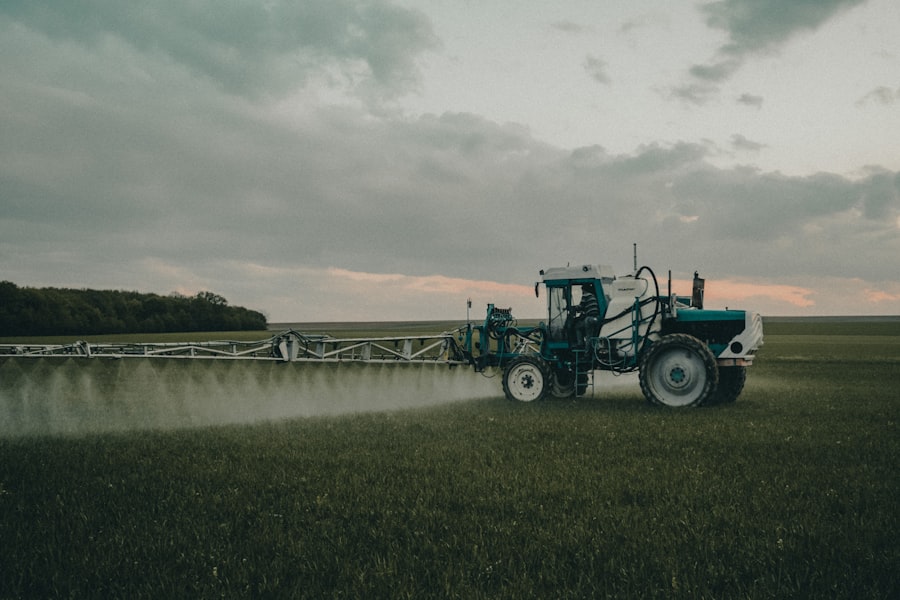
A robust food system is one that can withstand shocks and ensure a reliable supply for everyone. Corporate farming, ironically, often introduces fragility.
Reduced Biodiversity and Genetic Uniformity
Imagine a diverse ecosystem, then picture a single crop stretching to the horizon. The latter is the reality of much corporate farming, and it’s a significant risk.
- Monoculture Dependence: The economic logic of corporate farming favors growing vast quantities of a single crop, like corn or soy. While efficient in the short term, this monoculture creates a giant, tempting target for pests and diseases. If a blight strikes, you risk widespread crop failure, jeopardizing an entire region’s food supply and economic stability. It’s like putting all your eggs in one basket – if the basket drops, you lose everything.
- Erosion of Genetic Diversity: As corporations prioritize specific, high-yielding varieties, thousands of traditional or heirloom varieties are lost. This diminishment of genetic diversity leaves the entire food system less adaptable to climate change, new pests, or evolving consumer preferences. You’re losing valuable genetic insurance for the future.
Supply Chain Fragility
The long, complex supply chains of corporate farming are like a domino chain – if one piece falls, the whole system can collapse.
- Long and Complex Supply Routes: Food produced on corporate farms often travels thousands of miles from field to processing plant to distribution center before it reaches your grocery store. This extended journey is susceptible to disruptions – natural disasters, geopolitical events, or transportation breakdowns – all of which can lead to shortages and price spikes for you.
- Vulnerability to Global Market Fluctuations: Corporate farms are often tied to international commodity markets. You’ll notice that the price of your bread or meat can swing wildly based on global supply and demand, currency fluctuations, or even distant weather events. This exposes your local food prices to external forces beyond your control, making budgeting and planning more challenging.
Labor Exploitation and Social Costs
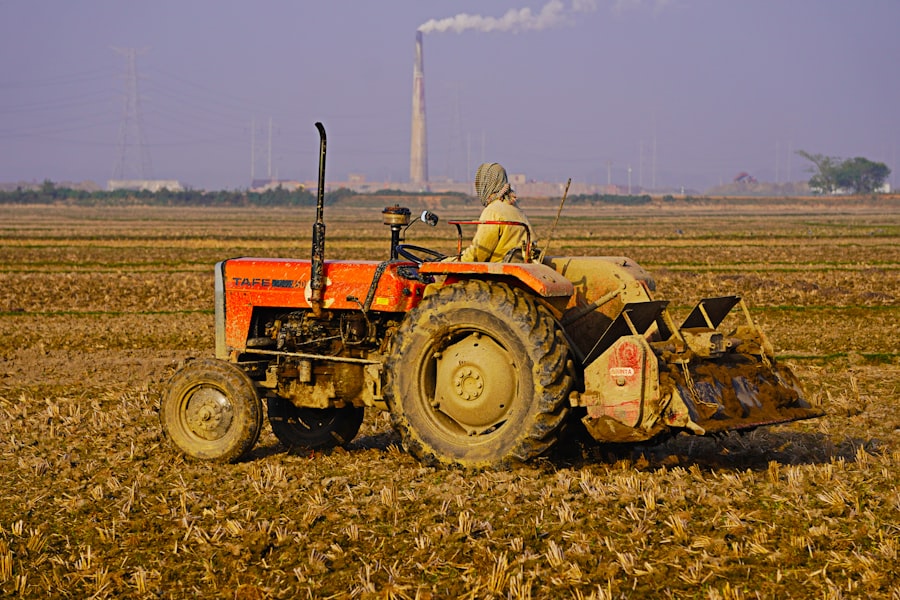
The economic advantages attributed to corporate farming often mask significant human costs, particularly for the workforce. You might not see it directly, but the exploitation of labor is a tangible economic and social injury.
Depressed Wages and Poor Working Conditions
The drive for cost-cutting often comes at the expense of those who perform the hard labor.
- Low Pay and Limited Benefits: Agricultural labor, particularly in corporate settings, is frequently characterized by low wages, few benefits, and often inadequate housing. You might see the “cheap” food in the supermarket, but you’re not seeing the true cost borne by these workers who often live below the poverty line.
- Hazardous Working Environments: Farm work is inherently dangerous, but corporate farming often exacerbates these risks through exposure to pesticides, heavy machinery, and grueling hours without adequate safety precautions. The economic burden of injuries, illnesses, and lack of healthcare often falls on individual workers or public services, meaning you, as a taxpayer, eventually pay for these overlooked costs.
Impact on Rural Communities
Beyond the direct agricultural workforce, corporate farming shapes the social fabric of your rural communities.
- Outmigration and Brain Drain: As corporate farms reduce the need for diverse local businesses and make it difficult for small family farms to thrive, young people, particularly those with aspirations beyond manual labor, often leave rural areas in search of better opportunities. This “brain drain” depletes the intellectual and entrepreneurial capital of these communities, making economic recovery and diversification more challenging for you.
- Increased Social Inequality: The consolidation of wealth and power within corporate agriculture can exacerbate existing social inequalities in rural areas. You might see a widening gap between a few wealthy corporate executives and an increasingly marginalized and exploited labor force. This can lead to social unrest and a breakdown of community cohesion, undermining the very basis of a stable society.
The economic dangers of corporate farming are becoming increasingly evident, as large agribusinesses often prioritize profit over sustainable practices, leading to detrimental effects on local economies and communities. A related article discusses how these practices can undermine small farmers and contribute to environmental degradation, highlighting the urgent need for reform in the agricultural sector. For more insights, you can read the full article here.
Public Subsidies and Unfair Competition
| Economic Metric | Description | Impact of Corporate Farming |
|---|---|---|
| Market Concentration | Percentage of market share held by top firms in agriculture | High concentration reduces competition, leading to price manipulation and barriers for small farmers |
| Small Farm Closures | Number of small farms shutting down annually | Increased closures due to inability to compete with large corporate farms |
| Rural Employment | Jobs available in rural agricultural sectors | Decline in employment as corporate farms use mechanization and fewer workers |
| Local Economic Output | Revenue generated by local farming communities | Reduction as profits are centralized and less reinvested locally |
| Price Volatility | Fluctuations in agricultural commodity prices | Increased volatility due to large-scale production decisions by corporate farms |
| Debt Levels of Small Farmers | Average debt carried by small-scale farmers | Rising debt as small farmers borrow to compete or sustain operations |
A central paradox of corporate farming is its reliance on public money, creating an uneven playing field that further disadvantages smaller, sustainable operations. You, the taxpayer, are often unknowingly funding systems that undermine your local food economy.
Direct and Indirect Government Support
The perception of a free market in agriculture is often a mirage, as government intervention heavily favors large-scale operations.
- Crop Subsidies and Insurance Programs: Many government agricultural subsidies and insurance programs are structured in a way that disproportionately benefits large corporate farms. You, through your taxes, contribute to these programs, which often guarantee income for large producers, regardless of market conditions, while smaller farms struggle to access similar protections. This creates a moral hazard, insulating inefficient or unsustainable practices from market forces.
- Infrastructure Development and Research: Public funds are frequently allocated for large-scale irrigation projects, transportation infrastructure designed for bulk commodities, and agricultural research focused on maximizing yields for corporate crops. While seemingly beneficial, these investments often further entrench the corporate model, creating an environment where small-scale, diversified farms find it harder to compete for resources and innovation.
The True Cost of “Cheap” Food
The low prices you see at the supermarket for many commodity products don’t reflect their true cost.
- Hidden Environmental and Social Costs: As discussed earlier, the environmental degradation, public health crises, and social inequalities created by corporate farming are not factored into the price of your food. Instead, these are “externalized” costs, meaning they are paid by you, the taxpayer, through healthcare expenses, environmental cleanup efforts, and social welfare programs. You might pay less at the register, but you pay more out of your pocket in other ways.
- Market Distortion and Price Suppression: Government subsidies can enable corporate farms to produce at volumes that depress market prices, making it exceedingly difficult for smaller, unsubsidized, or more sustainable farms to remain competitive. This artificial suppression of prices drives out alternative farming models, narrowing your choices and further solidifying the dominance of corporate agriculture. You are essentially paying for a system that limits your options.
In examining these economic dangers, you can see that corporate farming is not merely a matter of agricultural efficiency; it is a profound economic and social proposition with far-reaching consequences for your community, your health, and your future. The choice of how you engage with your food system, therefore, becomes a critical decision, demanding awareness and a willingness to understand the intricate web of costs and benefits.
WATCH THIS! ⚠️💰🌾 Why Wall Street Is Buying Up America’s Farmland (And Why It Should Terrify You)
FAQs
What is corporate farming?
Corporate farming refers to large-scale agricultural operations owned and managed by corporations rather than individual farmers or family-owned farms. These entities often use advanced technology and economies of scale to produce crops and livestock.
How does corporate farming impact small farmers economically?
Corporate farming can create economic challenges for small farmers by driving down prices due to large-scale production, increasing competition, and making it difficult for smaller operations to compete or survive financially.
What are some economic risks associated with corporate farming?
Economic risks include market monopolization, reduced competition, price volatility, dependency on a few large corporations for seeds and supplies, and potential job losses in rural communities due to mechanization and consolidation.
Does corporate farming affect food prices?
Corporate farming can influence food prices by increasing production efficiency, which may lower prices. However, market consolidation can also lead to price manipulation and reduced bargaining power for consumers and small producers.
How does corporate farming influence rural economies?
While corporate farms may bring investment and infrastructure, they can also reduce employment opportunities for local workers and diminish the economic diversity of rural areas by replacing small farms with large-scale operations.
Are there environmental economic costs linked to corporate farming?
Yes, environmental degradation caused by corporate farming, such as soil depletion, water pollution, and loss of biodiversity, can lead to long-term economic costs including reduced agricultural productivity and increased public health expenses.
What role do government policies play in the economic dangers of corporate farming?
Government subsidies, regulations, and trade policies can either mitigate or exacerbate the economic dangers by influencing market dynamics, supporting small farmers, or favoring large corporate entities.
Can corporate farming lead to market monopolies?
Yes, corporate farming can contribute to market monopolies or oligopolies, where a few large corporations control significant portions of the agricultural market, limiting competition and potentially harming consumers and smaller producers.
How does corporate farming affect innovation in agriculture?
Corporate farming can drive innovation through investment in technology and research. However, it may also limit innovation diversity by focusing on profit-driven technologies and restricting access to proprietary seeds and methods.
What economic measures can be taken to address the dangers of corporate farming?
Measures include enforcing antitrust laws, supporting small and family farms through subsidies and grants, promoting sustainable farming practices, and encouraging local food systems to diversify the agricultural economy.