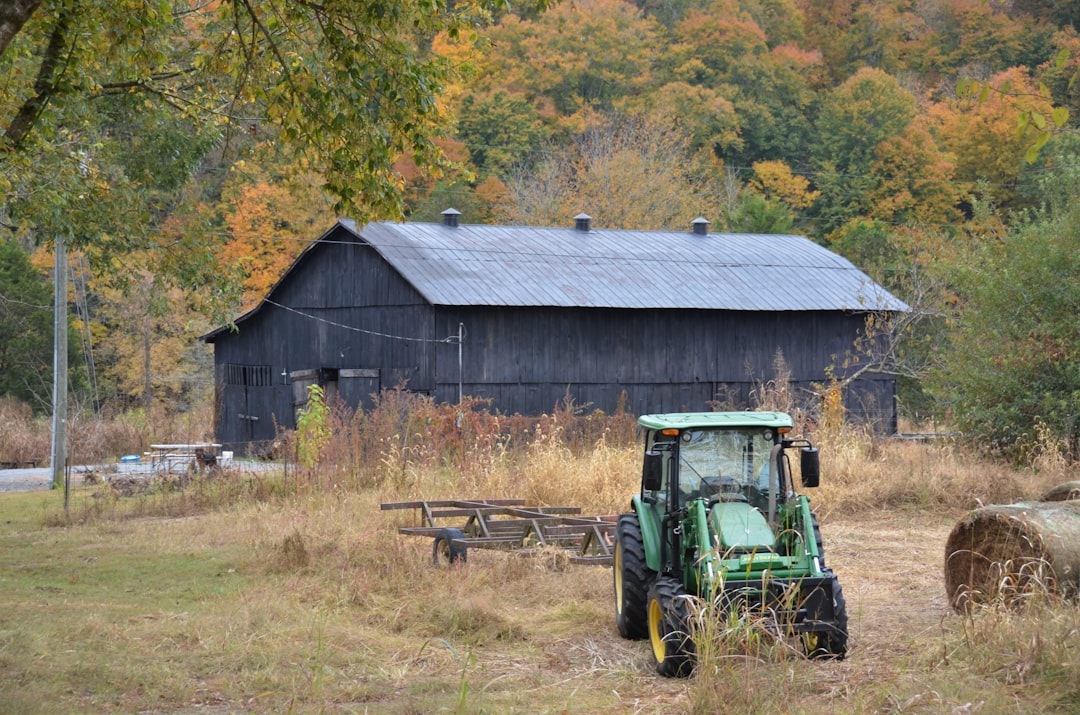
You might picture the American farmer as a weathered individual, toiling under the vast sky, their hands calloused from generations of cultivating the same soil. You envision a steadfast commitment to the land, an inheritance passed down through hardworking families. This idyllic image, however, is increasingly becoming a relic of a bygone era. A significant and growing portion of US farmland is no longer in the hands of these traditional stewards but rather controlled by a different breed of owner: wealthy investors. This shift represents a profound transformation in the agricultural landscape, with far-reaching implications for food security, rural communities, and the very fabric of American agriculture.
The narrative of who owns America’s farmland is undergoing a dramatic rewrite. You see, the land, once a symbol of yeoman independence, is now increasingly viewed as a robust financial asset, attracting capital seeking stable returns and inflation hedging. Learn more about the financialization of American agriculture and its impact on the economy.
The Rise of Non-Operating Landlords
Historically, a substantial portion of farmland was owned by the farmers themselves, those actively engaged in cultivation. While this remains true for a segment, the trend is unequivocally towards non-operating landlords. You are witnessing a scenario where individuals or entities own the land but do not directly participate in its farming. These landlords can range from retired farmers leasing their land to younger generations, to investment firms with diversified portfolios.
- Growing Share: Data from the United States Department of Agriculture (USDA) and various academic studies consistently indicate an increasing percentage of farmland being leased rather than owner-operated. This suggests a growing divorce between land ownership and agricultural production.
- Absentee Owners: A significant subset of these non-operating landlords are absentee owners, residing far from the fields they possess. Their connection to the land is primarily financial rather than operational or communal.
The Allure of Farmland as an Asset Class
For wealthy investors, farmland holds a particular appeal. You might wonder why a hedge fund manager or a high-net-worth individual would consider acres of corn and soybeans as an attractive investment. The reasons are multifaceted and compelling.
- Stable Returns: Historically, farmland has demonstrated a strong track record of generating consistent returns, often outperforming other traditional asset classes like stocks and bonds over long periods. It’s a tangible asset, providing a sense of stability in volatile markets.
- Inflation Hedge: In times of rising inflation, tangible assets tend to hold their value better than monetary assets. Farmland, with its intrinsic link to food production, is seen as a natural hedge against inflationary pressures. You’re essentially investing in the very foundation of human sustenance.
- Tangible Asset: Unlike volatile tech stocks or intricate financial derivatives, farmland is a physical asset. You can touch it, walk on it, and its inherent value is understandable even to those outside the agricultural sector. This tangibility offers a psychological comfort to investors.
- Limited Supply: The amount of arable land is finite. As the global population grows and demand for food increases, the value of productive land is expected to appreciate. This scarcity principle is a powerful driver for investment. You’re investing in a resource that cannot be manufactured or easily expanded.
The ownership of farmland in the United States has become a topic of increasing interest, especially as concerns about food security and land use intensify. A related article that delves into the complexities of who owns the majority of US farmland can be found at this link. This article explores the various stakeholders involved in farmland ownership, including large corporations, individual farmers, and investment firms, shedding light on the implications of these ownership patterns for agriculture and rural communities.
The Mechanisms of Acquisition: How Investors Enter the Agricultural Arena
The pathway for wealthy investors to acquire farmland is not a single, monolithic route. You’ll find a variety of sophisticated mechanisms employed, each designed to optimize returns and manage risk.
Direct Purchases by High-Net-Worth Individuals
Many affluent individuals choose to directly purchase farmland. This can be for personal enjoyment, as a long-term investment, or as part of a diversified family portfolio. You might see these individuals acquiring large tracts, often for speculative purposes or to lease out to active farmers.
- Estate Sales: When older farmers retire or pass away, their land often comes onto the market. These sales can be substantial and attractive to individuals with significant capital.
- Off-Market Deals: Some savvy investors seek out “off-market” deals, buying directly from landowners before properties are publicly listed, often securing better prices.
Farmland Investment Trusts (FITs) and Real Estate Investment Trusts (REITs)
A more structured approach to farmland investment involves specialized financial vehicles. You’ll encounter Farmland Investment Trusts (FITs) and Real Estate Investment Trusts (REITs) that focus on agricultural land. These entities allow a broader range of investors to participate, pooling capital to acquire and manage large portfolios of farmland.
- Diversification for Investors: FITs and REITs offer individual investors, who may not have the capital to buy an entire farm, an opportunity to gain exposure to the farmland asset class. You essentially buy shares in a company that owns multiple farms.
- Professional Management: These trusts often employ professional farm managers, economists, and agricultural experts to oversee their holdings, optimize production, and maximize returns. This removes the operational burden from the individual investor.
Private Equity and Hedge Funds
Perhaps the most significant force in this shift are private equity firms and hedge funds. These sophisticated financial institutions, managing vast sums of capital for their clients, have increasingly turned their attention to agriculture. You are witnessing a phenomenon where land is treated as another asset class, alongside stocks, bonds, and commodities.
- Large-Scale Acquisitions: Private equity funds often make large-scale acquisitions, purchasing multiple farms or entire agricultural operations. Their aim is to achieve economies of scale and optimize operational efficiencies.
- Short-Term vs. Long-Term Horizons: While some private equity firms focus on long-term capital appreciation, others might have shorter investment horizons, seeking to acquire, improve, and then divest properties within a few years to their investors.
- Institutional Investors: Pension funds, university endowments, and other large institutional investors are often clients of these private equity and hedge funds, meaning a portion of your retirement savings or your children’s college fund might indirectly be invested in farmland.
The Ramifications for Farmers and Rural Communities
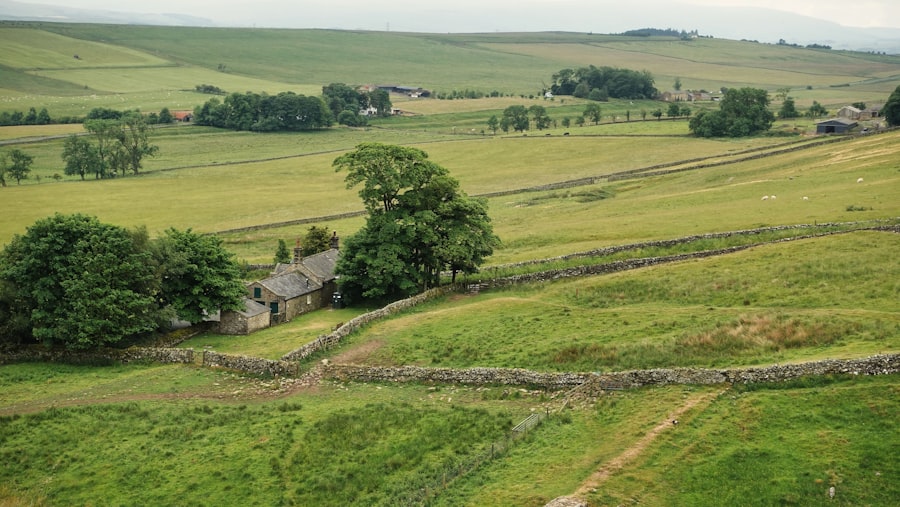
The increasing concentration of farmland ownership in investor hands has a ripple effect that extends far beyond individual balance sheets. You’ll observe significant consequences for those who actually work the land and for the communities nestled within the agricultural landscape.
Barriers to Entry for New and Beginning Farmers
One of the most pressing concerns is the increasing difficulty for new and beginning farmers to acquire land. You understand that purchasing agricultural land requires substantial capital, and when prices are driven up by wealthy investors, this hurdle becomes almost insurmountable.
- Inflated Land Prices: Investor demand can inflate land prices beyond what a farmer, relying on agricultural income, can reasonably afford. This acts as a formidable barrier, pushing out aspiring farmers who lack generational wealth or access to significant capital.
- Limited Opportunities for Ownership: The dream of owning your own farm, once a cornerstone of American agriculture, is becoming increasingly out of reach for many, forcing them into a tenant-farmer model. You might feel a sense of loss for the traditional pathway to farm ownership.
The Changing Nature of Land Stewardship
When land ownership shifts from active farmers to absentee investors, the very philosophy of land stewardship can change. You might question whether investors, primarily driven by financial returns, will prioritize the long-term health of the soil and environment in the same way a generational farmer might.
- Focus on Short-Term Gains: Investors may be more inclined to prioritize short-term profits, which could lead to practices that deplete soil health or over-extract resources if not adequately regulated or accounted for in lease agreements. You might worry about the long-term impact on the land itself.
- Reduced Community Ties: Absentee owners often lack the deep personal connection to the land and the local community that generations of farmers have. This can lead to a diminishment of community engagement and a prioritization of profit over local well-being.
- Lease Term Challenges: Farmers leasing from investors may face challenges such as shorter lease terms, which disincentivize long-term investments in soil health or infrastructure improvements. You might see farmers hesitant to plant perennial crops or implement extensive conservation practices if their tenancy is insecure.
Impact on Rural Economies and Social Fabric
The transition of farmland ownership also has profound implications for the social and economic vitality of rural areas. You’ll observe changes in who benefits from agricultural prosperity and how communities are sustained.
- Outflow of Wealth: When farmland is owned by absentee investors, a significant portion of the wealth generated by that land, whether through rent or sale, flows out of the local community rather than being reinvested locally. This can starve local businesses and services.
- Erosion of Local Control: Decisions about land use, crop choices, and agricultural practices may shift from local farmers and agricultural experts to distant corporate boards, potentially creating a disconnect between local needs and investor objectives. You might feel a sense of disempowerment in these communities.
- Loss of Entrepreneurial Spirit: The decline in independent farm ownership can stifle the entrepreneurial spirit that has historically driven innovation and resilience in rural areas. You lose the dynamism that comes from individuals directly investing their lives and livelihoods into the land.
Potential Solutions and Policy Considerations
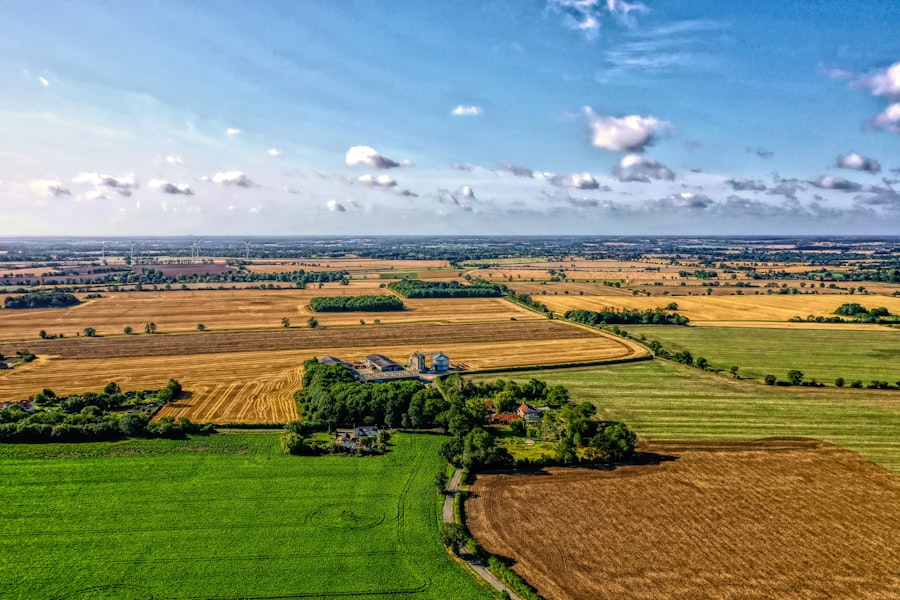
Addressing the complexities of investor-owned farmland requires a multi-pronged approach. You can envision a future where policies are crafted to balance the legitimate interests of investors with the critical need to preserve a robust, sustainable, and family-farm-centric agricultural sector.
Supporting Beginning and Underserved Farmers
Policies aimed at leveling the playing field for aspiring farmers are crucial. You might advocate for initiatives that directly address the capital requirements and financial barriers.
- Access to Capital: State and federal programs that provide low-interest loans, grants, and technical assistance specifically for beginning and socially disadvantaged farmers can help them compete in the land market.
- Land Link Programs: Programs that connect retiring farmers with new farmers seeking land, sometimes with favorable lease-to-own options, can create pathways to ownership that bypass the open market.
- Conservation Easements: You could explore the use of conservation easements that reduce land values for development, making them more affordable for agricultural use while simultaneously protecting environmental resources.
Encouraging Sustainable Land Stewardship
To mitigate the risk of environmentally damaging practices, policies encouraging sustainable stewardship are vital, regardless of who owns the land. You understand that the health of the land is paramount.
- Lease Incentives: Crafting lease agreements that incentivize sustainable practices, such as cover cropping, reduced tillage, and nutrient management, can ensure long-term soil health.
- Environmental Regulations: Robust environmental regulations and enforcement mechanisms are necessary to prevent practices that degrade natural resources, regardless of the land’s ownership structure.
- Certification Programs: Promoting and supporting third-party certification programs for sustainable agriculture can provide market advantages for environmentally responsible farming, influencing investor behavior.
Community-Based Approaches and Local Control
Empowering local communities and fostering local ownership are essential for maintaining the vibrancy of rural areas. You might consider how to put more decision-making power back into the hands of those directly affected.
- Community Land Trusts: Supporting the development of agricultural community land trusts, where land is held in trust for community benefit and leased to farmers on long-term, affordable terms, can secure land access for future generations.
- Right of First Refusal: Policies could grant local farmers or land trusts a right of first refusal when agricultural land comes up for sale, giving them a chance to purchase the land before it goes to outside investors.
- Tax Incentives for Local Ownership: You could investigate tax structures that incentivize local ownership or discourage absentee ownership, encouraging reinvestment of wealth within the community.
The question of who owns the majority of US farmland has become increasingly relevant as discussions about food security and agricultural sustainability intensify. Recent analyses indicate that a significant portion of farmland is held by a small number of wealthy individuals and investment firms, raising concerns about the implications for local farmers and communities. For a deeper understanding of the dynamics at play in farmland ownership, you can explore this insightful article on wealth accumulation and its impact on agriculture at How Wealth Grows. This resource provides valuable context on the broader trends affecting land ownership and agricultural practices in the United States.
Conclusion: A Balancing Act for the Future of American Agriculture
| Owner Type | Percentage of US Farmland Owned | Estimated Acres Owned (millions) | Notes |
|---|---|---|---|
| Family Farmers and Ranchers | 96% | 900+ | Majority of US farmland is owned by family-operated farms |
| Corporate Entities | 2% | ~20 | Includes agribusiness corporations and large-scale farming companies |
| Institutional Investors | 1% | ~10 | Includes pension funds, real estate investment trusts (REITs), and private equity |
| Government and Public Agencies | 1% | ~10 | Includes federal, state, and local government-owned farmland |
The landscape of American farmland ownership is undeniably changing, becoming less agrarian romanticism and more financial reality. You are witnessing a powerful confluence of economic forces that are reshaping who owns the soil beneath our feet. While the efficiencies and capital injected by wealthy investors can bring certain benefits, the potential downsides – including increased barriers for farmers, concerns about land stewardship, and impacts on rural communities – are significant and deserve your careful consideration.
The challenge ahead is to strike a delicate balance. How can we harness the financial potential of farmland as an asset without sacrificing the foundational values of family farming, local control, and sustainable land stewardship? This is not merely an economic question; it is a societal one, touching upon food security, rural well-being, and the very identity of American agriculture. Your awareness and engagement in discussions about these trends will be crucial in shaping a future where the land continues to nourish both bodies and communities, regardless of who holds the deed. The rich tapestry of American agriculture, as you know it, depends on it.
WATCH THIS! ⚠️💰🌾 Why Wall Street Is Buying Up America’s Farmland (And Why It Should Terrify You)
FAQs
Who owns the majority of farmland in the United States?
The majority of farmland in the United States is owned by individual farmers and family-owned farms. These family farms account for a significant portion of the total farmland acreage.
Are corporations major owners of US farmland?
While corporations do own some farmland, they do not own the majority. Most farmland remains in the hands of family farmers and individual owners rather than large corporate entities.
Do institutional investors own US farmland?
Yes, institutional investors such as pension funds, real estate investment trusts (REITs), and private equity firms have increasingly invested in US farmland, but their ownership still represents a smaller share compared to family farms.
How much farmland is owned by non-farmers?
A portion of US farmland is owned by non-farmers, including investors and absentee landowners, but the majority is still owned and operated by those actively involved in farming.
Has farmland ownership in the US changed over time?
Yes, farmland ownership patterns have evolved, with some consolidation into larger farms and increased investment by institutional investors, but family farms continue to dominate ownership.
Which states have the most farmland ownership?
States like Texas, Kansas, and Montana have some of the largest amounts of farmland, with ownership primarily by local farmers and ranchers.
Is farmland ownership in the US concentrated or dispersed?
Farmland ownership in the US is relatively dispersed, with many small and medium-sized family farms, although there is a trend toward larger farm operations owning more acreage.
What role do government policies play in farmland ownership?
Government policies, including subsidies, tax incentives, and conservation programs, can influence farmland ownership and usage but do not directly determine who owns the land.