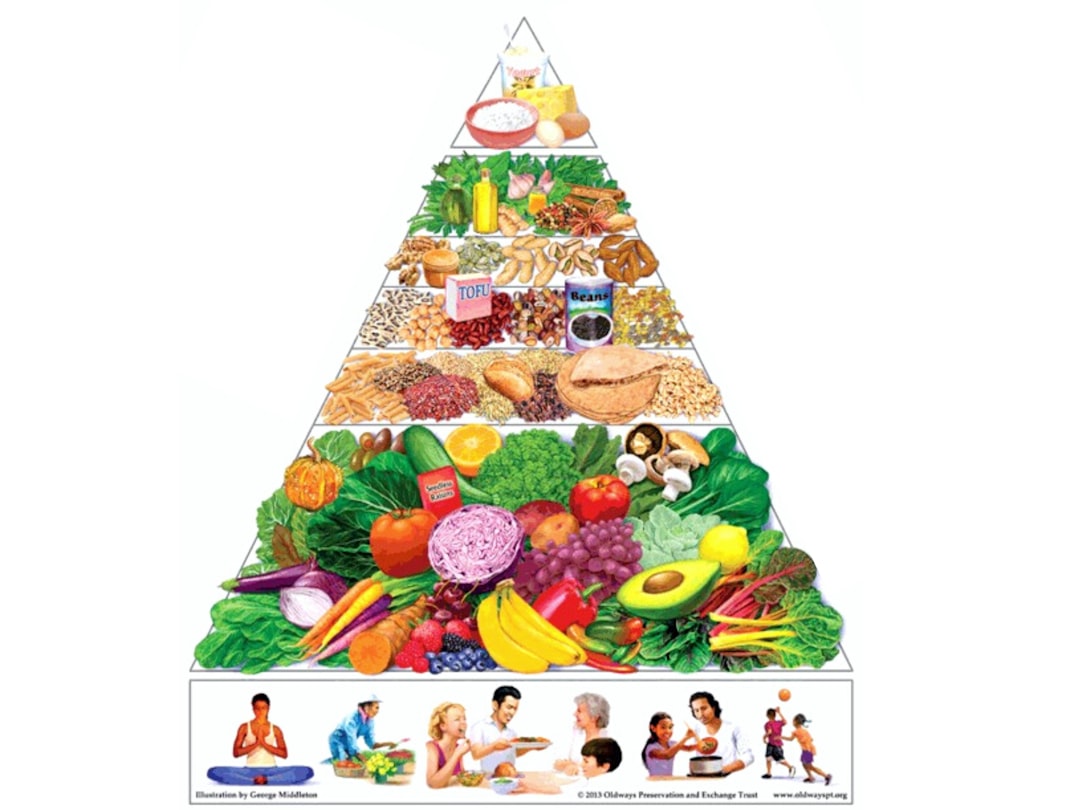
Your plate, a canvas painted with the daily sustenance that fuels your life, often conceals a complex, interwoven system. You rarely consider the journey of that succulent apple, the journey of that perfectly grilled steak, or the myriad hands that have touched it before it graces your table. But if you peer beyond the immediate satisfaction, you might begin to question the edifice from which your food originates. Is this elaborate structure, this American Food System, truly serving your best interests, or is it, like a strained bridge, on the verge of collapse?
You live in an era where food production has become a marvel of efficiency, a testament to human ingenuity. But this revolution hasn’t come without its own set of challenges, casting a long shadow over the very sustenance it provides. Learn more about corporate control by watching this insightful video corporate control.
The Rise of Monoculture: A Fragile Foundation
Imagine a sprawling field, not of diverse crops dancing in the breeze, but of a single, uniform plant stretching to the horizon. This is monoculture, the backbone of modern agricultural productivity.
- Vulnerability to Pests and Diseases: When you concentrate on a single crop, you create an open invitation for pests and diseases. A single outbreak can wipe out vast swaths of your food supply, like a wildfire consuming a parched forest. This necessitates heavy reliance on chemical interventions, a cascade of consequences you consume with your food.
- Soil Depletion and Erosion: Repeatedly planting the same crop saps the soil of vital nutrients, much like overdrawing from a bank account. You’re left with depleted soil, less fertile and more susceptible to erosion, a barren canvas struggling to support life.
- Loss of Biodiversity: The drive for maximum yield has led to the marginalization of countless crop varieties. You’re witnessing a narrowing of the genetic library of food, making the entire system less resilient to future environmental shifts.
Concentrated Animal Feeding Operations (CAFOs): A Double-Edged Sword
Consider where your meat comes from. For many, it’s not a picturesque farm with animals grazing freely. It’s a CAFO, a factory of flesh designed for maximum output.
- Environmental Impact: These operations generate prodigious amounts of waste, a toxic deluge that contaminates soil and water. You see the runoff, the pollution, a grim byproduct of efficiency.
- Animal Welfare Concerns: The conditions within CAFOs often raise ethical questions. Animals, confined in close quarters, are treated not as living beings but as units of production. This treatment, arguably reflecting a broader societal disconnect, is a hidden ingredient in your meals.
- Antibiotic Resistance: The prophylactic use of antibiotics in CAFOs
is a ticking time bomb. You are inadvertently contributing to the rise of antibiotic-resistant bacteria, jeopardizing the very medical advancements that protect you.
The question of whether the American food system is broken has been a topic of extensive debate, with many experts highlighting various systemic issues such as food deserts, unhealthy eating habits, and the influence of large agribusinesses. A related article that delves into the complexities of wealth and its impact on food accessibility can be found at How Wealth Grows. This piece explores the intersections of economic disparity and food security, providing valuable insights into how financial factors contribute to the challenges within the American food system.
The Economic Currents Shaping Your Plate
Beyond the fields and farms, powerful economic forces exert their influence, dictating the availability, affordability, and ultimately, the nutritional value of your food.
Corporate Consolidation: A Handful of Giants
Look closely at the labels in your grocery store. You’ll find that a surprising number of brands, seemingly diverse, are owned by a handful of colossal corporations.
- Limited Choice and Innovation: This consolidation stifles competition, reducing your choices and hindering innovation. New, healthier products struggle to gain traction against the marketing might of these titans.
- Influence on Policy: These powerful entities wield significant lobbying power, shaping agricultural policies in their favor. You, the consumer, are often an afterthought in these legislative battles.
- Price Control and Market Dominance: With fewer players, these corporations can exert greater control over prices, impacting your grocery bill directly. You become a captive audience in a market sculpted by their interests.
Subsidies: A Lopsided Ledger
The government plays a crucial role in shaping the food system through subsidies, financial incentives that ostensibly support farmers but often have unintended consequences.
- Encouraging Unhealthy Production: A significant portion of agricultural subsidies goes to commodity crops like corn, soy, and wheat. These are the ingredients for processed foods, often high in sugar and unhealthy fats. You are, in essence, indirectly subsidizing the very foods that contribute to public health crises.
- Disadvantage to Specialty Crops: Farmers striving to grow fruits, vegetables, and other specialty crops often receive less support, making it harder for them to compete. This creates an uneven playing field, where the healthy choice is often the more expensive one.
- Artificial Price Distortion: Subsidies can artificially lower the cost of certain ingredients, making highly processed, calorically dense foods cheaper than fresh, whole foods. You are nudged, subtly but powerfully, towards less nutritious options.
The Public Health Crisis on Your Horizon

The ramifications of a broken food system extend far beyond the farm gate and the grocery aisle. They directly impact your health, shaping the landscape of physical well-being in America.
The Epidemic of Diet-Related Diseases: A Silent Killer
You are witnessing, both personally and societally, a surge in preventable diseases directly linked to dietary choices.
- Obesity and Type 2 Diabetes: The prevalence of cheap, processed foods, coupled with a sedentary lifestyle, has fueled an alarming rise in obesity and type 2 diabetes. You see the statistics, the personal struggles, a testament to the system’s shortcomings.
- Cardiovascular Disease: Diets high in saturated fats, added sugars, and sodium contribute significantly to heart disease, the leading cause of death in America. Your arteries, like clogged pipes, are a metaphor for the damage inflicted by an unhealthy diet.
- Certain Cancers: Emerging research suggests a link between highly processed foods and an increased risk of certain cancers. You are, unknowingly perhaps, playing a game of chance with your long-term health.
Food Deserts and Food Insecurity: A Tale of Two Realities
While some areas overflow with food choices, others face a stark reality of limited access to nutritious options.
- Geographical Inequities: Many low-income communities, particularly in urban areas, lack access to fresh, affordable produce. Your ability to access healthy food shouldn’t be determined by your zip code.
- SNAP and WIC Limitations: While programs like SNAP (Supplemental Nutrition Assistance Program) and WIC (Special Supplemental Nutrition Program for Women, Infants, and Children) provide vital assistance, they often struggle against the tide of rising food prices and limited healthy options. You see the struggle of families trying to make ends meet, their choices constrained by circumstances.
- The Vicious Cycle of Malnutrition: When nutritious food is scarce, individuals often resort to cheaper, calorically dense but nutrient-poor alternatives. This leads to a vicious cycle of malnourishment, impacting cognitive development, physical health, and overall well-being.
The Environmental Footprint of Your Meals
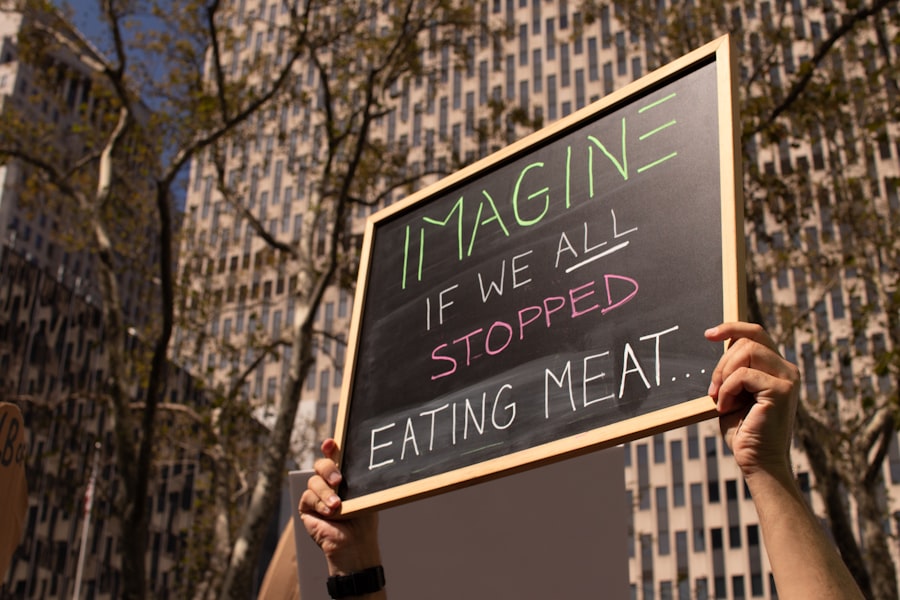
Beyond your health, the American Food System leaves an indelible mark on the environment, contributing to myriad ecological challenges that affect us all.
Climate Change: Food’s Contribution
You are acutely aware of the existential threat of climate change, but do you consider the role your food system plays in it?
- Greenhouse Gas Emissions: From methane emissions from livestock to nitrous oxide from fertilizers, agriculture is a significant contributor to greenhouse gases. Your breakfast, lunch, and dinner carry an invisible carbon footprint.
- Deforestation for Agricultural Land: The demand for more agricultural land, particularly for feed crops, drives deforestation, especially in sensitive ecosystems like the Amazon. You are, indirectly, contributing to the loss of vital carbon sinks.
- Food Loss and Waste: A staggering amount of food is wasted at every stage, from farm to fork. This waste represents not only lost sustenance but also wasted resources, from water and energy to the labor involved in its production. It’s like pouring precious resources down a drain.
Water Pollution and Scarcity: A Thirsty System
Water, the lifeblood of our planet, is intricately linked to food production, and the current system places immense strain on this precious resource.
- Runoff from Farms: Pesticides, herbicides, and excess fertilizers from agricultural runoff contaminate rivers, lakes, and oceans, harming aquatic ecosystems and impacting drinking water sources. You see the “dead zones” in coastal areas, silent testaments to agricultural pollution.
- Groundwater Depletion: Irrigation for large-scale agriculture often relies on extracting vast quantities of groundwater, leading to depletion of aquifers. This is a finite resource, and pumping it out faster than it can be replenished is unsustainable.
- Water-Intensive Crops: Certain crops demand enormous amounts of water, further exacerbating scarcity in already drought-prone regions. Your morning coffee, the rice in your dinner, each carries a significant water price tag.
The question of whether the American food system is broken has sparked considerable debate among experts and consumers alike. Many argue that the system’s reliance on industrial agriculture and processed foods contributes to health issues and environmental degradation. A related article explores the complexities of this topic, shedding light on the economic factors at play and potential solutions for a more sustainable future. For those interested in a deeper understanding, you can read more about it in this insightful piece here.
Solutions and the Path Forward: Your Role in the Transformation
| Metric | Value | Source/Year | Relevance to American Food System |
|---|---|---|---|
| Food Insecurity Rate | 10.2% | USDA, 2022 | Percentage of US households lacking consistent access to enough food |
| Obesity Rate (Adults) | 42.4% | CDC, 2017-2020 | High obesity rates indicate issues with diet quality and food access |
| Food Waste | 30-40% of food supply | EPA, 2021 | Significant food loss contributing to inefficiency in the system |
| Farmworker Poverty Rate | 25-30% | National Center for Farmworker Health, 2020 | High poverty among food producers highlights inequities |
| Average Distance Food Travels | 1,500 miles | USDA, 2019 | Long supply chains increase environmental impact and reduce freshness |
| Percentage of Ultra-Processed Foods in Diet | 58% | National Institutes of Health, 2020 | High consumption linked to poor health outcomes |
| Small Farms (<50 acres) Percentage | 88% | USDA Census, 2017 | Small farms dominate but face economic challenges |
Recognizing the challenges is the first step; actively pursuing solutions is the ultimate goal. You are not a passive observer in this struggle; you have power and agency.
Supporting Sustainable Agriculture: A Better Way to Grow
Imagine farms that work in harmony with nature, enriching the soil and fostering biodiversity. This vision is within reach if you choose to support it.
- Organic and Regenerative Practices: Seek out and support farms that prioritize organic and regenerative practices, which enhance soil health, reduce chemical inputs, and sequester carbon. Your purchasing power is a vote for a healthier future.
- Local Food Systems: Engage with local farmers’ markets, Community Supported Agriculture (CSA) programs, and farm-to-table initiatives. This reduces transportation emissions and strengthens local economies.
- Diversification of Crops: Advocate for policies that encourage crop diversification, moving away from monocultures and towards more resilient farming systems. Variety on your plate mirrors variety in the fields.
Empowering Consumers and Policy Makers: Driving Change from Within
The systemic nature of the problem demands systemic solutions, requiring your informed participation as a citizen and consumer.
- Advocacy for Policy Reform: Engage with your elected officials to advocate for policies that prioritize public health and environmental sustainability over corporate interests. Support legislation that encourages healthier food choices and fair farming practices.
- Food Education and Literacy: Demand better food education in schools and communities. Understanding where your food comes from and its impact empowers you to make informed decisions. Knowledge is your most potent weapon.
- Reducing Food Waste: Make conscious efforts to reduce food waste in your own home. Plan meals, store food properly, and repurpose leftovers. Every discarded scrap is a wasted resource.
Innovation and Technological Advancements: Tools for a Brighter Future
While the problems are complex, technology offers potential pathways to a more resilient and sustainable food system.
- Precision Agriculture: Technologies like GPS-guided tractors and sensor networks can optimize resource use, reducing waste and improving efficiency on farms. This is about smart farming, not just bigger farming.
- Alternative Protein Sources: Explore and support the development of plant-based proteins, lab-grown meats, and insect-based foods. These alternatives can reduce the environmental footprint associated with traditional animal agriculture.
- Vertical Farming and Urban Agriculture: Innovative approaches like vertical farming and rooftop gardens can increase local food production, reduce transportation costs, and provide fresh food in urban environments. Imagine a farm within walking distance of your home.
The American Food System, in its current guise, resembles a complex machine with several sputtering engines, its gears grinding, and its overall trajectory less than ideal. While it provides an abundance of food, the hidden costs – to your health, to the environment, and to the very fabric of fair economic practices – are mounting. You are not merely a consumer in this system; you are a vital participant. Your choices, your voice, and your advocacy hold the potential to mend the broken pieces, to reshape this intricate web into one that truly nourishes and sustains, for yourself, for your community, and for generations to come. The time for passive consumption is over; the era of conscious choice has dawned.
FAQs
What is meant by the American food system?
The American food system encompasses all processes involved in feeding the population, including farming, processing, distribution, retail, consumption, and waste management.
What are some common criticisms of the American food system?
Criticisms often include issues such as food insecurity, environmental degradation, reliance on processed foods, health impacts like obesity and diabetes, and inequities in food access.
Is food insecurity a problem in the United States?
Yes, according to the USDA, millions of Americans experience food insecurity, meaning they lack consistent access to enough nutritious food for an active, healthy life.
How does the American food system impact the environment?
The system contributes to greenhouse gas emissions, water pollution, soil degradation, and loss of biodiversity, largely due to industrial farming practices and food waste.
Are there health concerns related to the American food system?
Yes, the prevalence of highly processed foods high in sugar, salt, and unhealthy fats is linked to chronic diseases such as obesity, heart disease, and diabetes.
What role do large corporations play in the American food system?
Large agribusinesses and food companies dominate production, processing, and retail, influencing food prices, availability, and the types of foods commonly consumed.
Is the American food system equitable?
There are disparities in access to healthy, affordable food, often along socioeconomic and geographic lines, leading to food deserts and unequal health outcomes.
Are there efforts to improve the American food system?
Yes, initiatives include promoting sustainable agriculture, reducing food waste, increasing access to fresh foods, supporting local food systems, and implementing policy reforms.
How has the COVID-19 pandemic affected the American food system?
The pandemic exposed vulnerabilities such as supply chain disruptions, increased food insecurity, and challenges for farmers and food workers.
Can the American food system be fixed?
While complex, many experts believe reforms and innovations can address current problems, making the system more sustainable, equitable, and resilient.