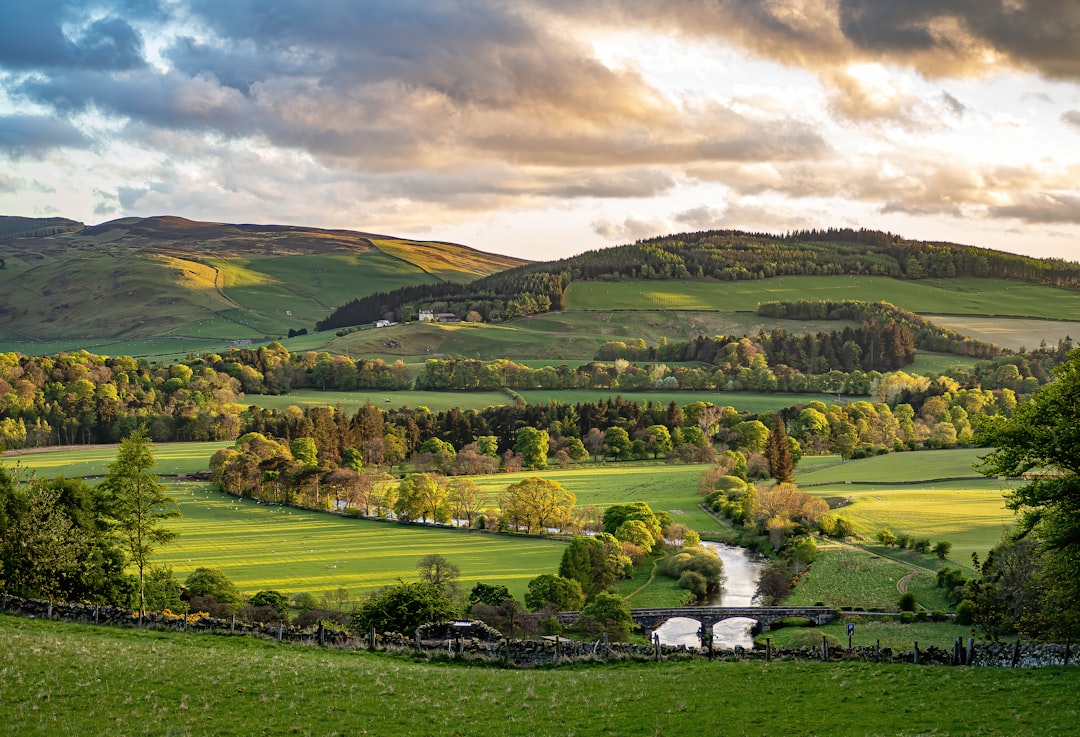
You are witnessing a profound transformation in American agriculture, one driven not by farmers’ hands, but by the financial powerhouses of Wall Street. This phenomenon, often dubbed the “farmland grab,” signifies a corporate takeover of a sector historically rooted in independent ownership and familial stewardship. You might not immediately perceive the connection between your investment portfolio and the fields producing your food, but a complex web of financial maneuvers is reshaping the very landscape of rural America. This article will delve into the mechanisms, motivations, and implications of this burgeoning trend, offering you a comprehensive understanding of how abstract capital is influencing concrete cultivations.
You might be familiar with real estate as an investment, but now, a significant portion of the financial world views farmland in much the same light – or perhaps, even more favorably. Historically, farmland has been seen as a stable, tangible asset, offering intrinsic value and a hedge against inflation. This perception has only intensified in recent years, drawing in institutional investors who traditionally focused on stocks, bonds, and urban properties. Learn more about the financialization of American agriculture and its impact on the economy.
Why Farmland? Unpacking the Investment Appeal
You might wonder what makes a plot of land, once simply a place to grow crops, so attractive to sophisticated financial entities. The answer lies in a confluence of factors, each contributing to farmland’s newfound status as a premier alternative asset.
- Scarcity and Population Growth: You understand that arable land is finite. As the global population continues to expand, so too does the demand for food, making the underlying resource increasingly valuable. This fundamental supply-and-demand dynamic provides a compelling long-term investment narrative.
- Inflation Hedge: You’ve likely observed periods of economic uncertainty and rising inflation. Farmland has historically demonstrated resilience during such times, often appreciating in value as the cost of living climbs. This acts as a protective buffer for your investments.
- Tangible Asset with Income Potential: Unlike a stock certificate, you can walk on farmland. This tangibility offers a sense of security. Furthermore, beyond capital appreciation, farmland generates income through leases or direct agricultural production, providing a dual return stream that many other asset classes lack.
- Low Correlation to Traditional Assets: You’re always looking for diversification in your portfolio. Farmland’s returns often move independently of the stock market or bond market, offering a valuable way to reduce overall portfolio risk. When your tech stocks falter, your cornfields might still be yielding.
- Sustainability and ESG Focus: Increasingly, you, as an investor, are looking at Environmental, Social, and Governance (ESG) factors. Farmland can be framed as a “green” investment, particularly when managed with sustainable practices, aligning with a growing demand for socially responsible investing.
The increasing trend of Wall Street firms purchasing vast tracts of America’s farmland has raised concerns about the implications for local farmers and food security. This phenomenon is explored in greater detail in a related article that discusses the motivations behind these investments and their potential impact on rural communities. For more insights, you can read the article here: Wall Street’s Influence on Farmland.
The Mechanisms of Acquisition: How Wall Street Buys the Farm
You might envision a solitary farmer selling his land directly to a large corporation. While this certainly happens, the reality is far more intricate, involving various financial instruments and corporate structures designed to aggregate vast swathes of land. Understanding these mechanisms is crucial to grasping the scale of Wall Street’s influence.
Real Estate Investment Trusts (REITs) and Private Equity Firms
You’ve probably heard of REITs in the context of commercial real estate. Now, specialized Farmland REITs are emerging as significant players. These publicly traded companies acquire and manage agricultural land, distributing a large percentage of their income to shareholders. When you invest in a Farmland REIT, you’re indirectly investing in thousands of acres across multiple states.
- Private Equity’s Role: Beyond publicly traded entities, you’ll also find a substantial presence of private equity firms. These firms raise capital from wealthy individuals, pension funds, and endowments, then deploy it to purchase farmland. They typically aim for higher returns over a shorter period, often through operational efficiencies or land conversions. Their opaque nature means their true footprint is harder for you to definitively measure.
Large-Scale Institutional Investors and Pension Funds
Think about your retirement savings. It’s increasingly likely that a portion of it is being channeled into agricultural land. Large institutional investors, such as pension funds, university endowments, and sovereign wealth funds, view farmland as a reliable, long-term asset. They often partner with specialized land management companies or invest directly in farmland investment vehicles. These entities represent colossal pools of capital, capable of making significant acquisitions that might be out of reach for individual investors or even large corporate farms.
The Impact on Rural Communities and Food Systems
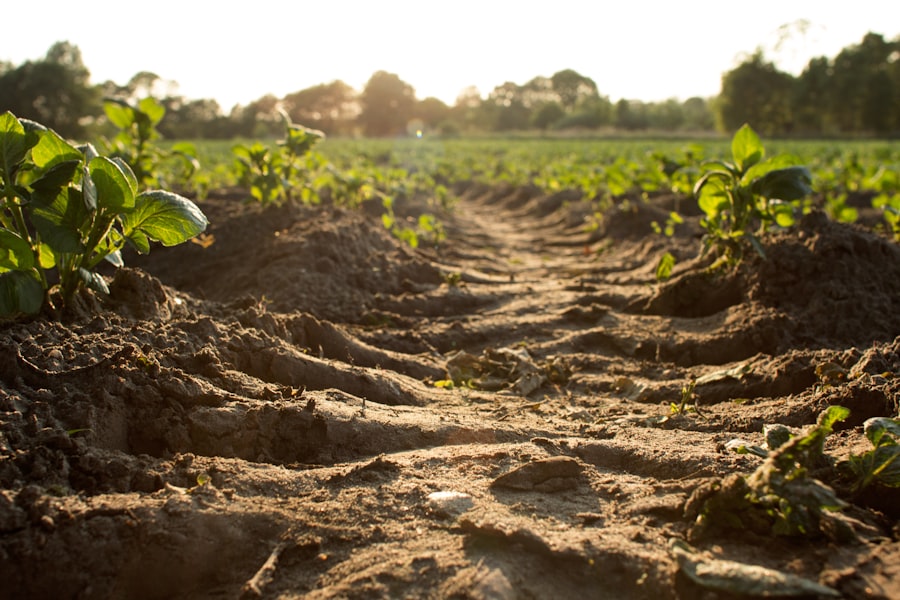
You, as a consumer, might primarily focus on the price and availability of food. However, the corporate takeover of farmland reaches far beyond your grocery bill, sending ripples through the fabric of rural America and altering the very structure of our food systems.
Reshaping Land Ownership and Local Economies
Consider the traditional model: a family farm, often passed down through generations, supporting local businesses from feed stores to equipment dealers. When Wall Street buys the farm, this paradigm shifts dramatically.
- Absentee Landlords: You’ll increasingly find yourself with financial institutions, rather than neighboring farmers, as the owners of vast tracts of land. This often leads to absentee ownership, where decisions are made by distant boards and spreadsheets, potentially dislodging local engagement and understanding of the land.
- Concentration of Power: As land ownership consolidates, so too does economic power. Small- and medium-sized farms find it harder to compete for land, driving up prices and sometimes forcing them out of business. This can lead to a less diverse agricultural landscape, dominated by a few large players.
- Reduced Local Investment: When profits are repatriated to corporate headquarters rather than recirculated within the local economy, you might see a decline in local investment. Instead of farmers spending their earnings at the local hardware store or diner, dividends are distributed to distant shareholders.
Implications for Environmental Stewardship
You might expect large, well-capitalized entities to invest in sustainable farming practices. While some certainly do, the profit-driven imperative of many financial investors can also lead to different outcomes.
- Intensification and Monoculture: The pursuit of maximum yield to satisfy quarterly returns can incentivize intensive farming practices, including monoculture (growing a single crop over vast areas). While efficient for production, this can deplete soil nutrients, reduce biodiversity, and increase reliance on chemical inputs. You might ask, is the soil a living ecosystem or just a production line?
- Water Rights and Resource Exploitation: Farmland comes with valuable resources, particularly water rights. Corporate owners, with greater financial leverage, can exert significant pressure on local water resources, potentially impacting communities and ecosystems downstream.
- Short-Term vs. Long-Term Thinking: You understand that sustainable agriculture requires a long-term vision, often spanning decades. Financial investors, however, often operate on shorter time horizons, seeking to monetize their investments within a few years. This can create tension between maximizing immediate returns and ensuring the long-term health of the land.
The Role of Government and Policy Response
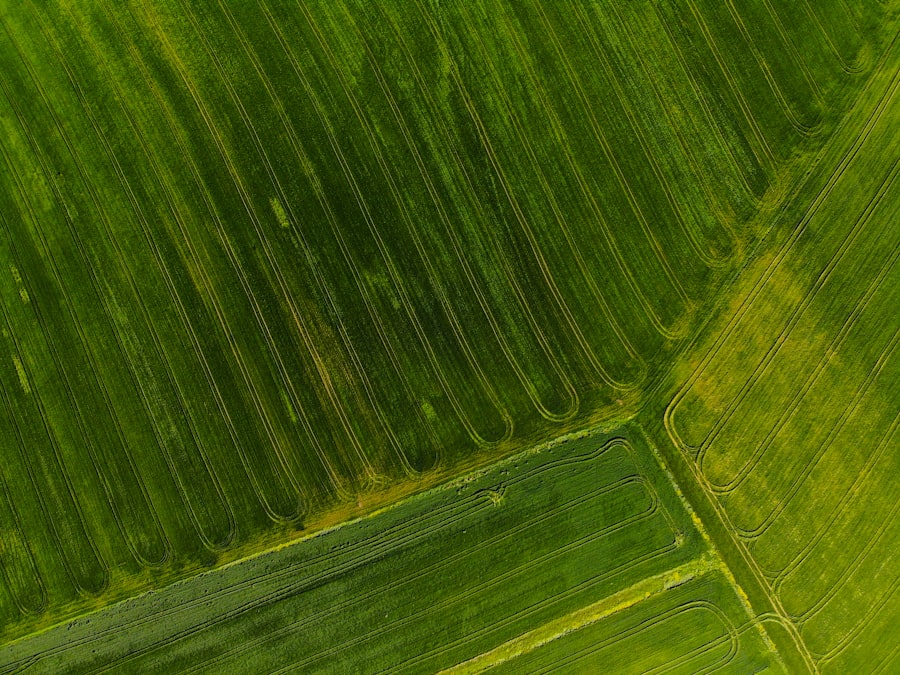
You might wonder if anything is being done to address this shift. The increasing concentration of farmland ownership by corporate entities has not gone unnoticed by lawmakers and regulators, though effective policy solutions remain a complex and evolving challenge.
Current Regulatory Landscape
At present, you’ll find a patchwork of regulations concerning foreign ownership of agricultural land, though these often don’t specifically target domestic institutional investors. Many states have laws restricting foreign entities from owning farmland, stemming from historical concerns about national security and food sovereignty. However, the majority of corporate farmland acquisitions are made by domestic entities, falling outside the scope of such restrictions.
- Antitrust Concerns: You might think of antitrust laws in the context of tech giants, but they are increasingly relevant to agriculture. Concerns are growing about market concentration not only in land ownership but also in seed, fertilizer, and processing sectors, creating a less competitive landscape for you as a farmer or consumer.
Proposed Policy Interventions
As awareness of the issue grows, various policy interventions are being proposed, aiming to balance the benefits of investment with the preservation of family farming and local economies.
- Restrictions on Corporate Ownership: You might see proposals at the state or federal level to limit the amount of agricultural land that corporations or non-farming entities can own. These could take various forms, from outright bans to caps on ownership percentages.
- Incentives for Family Farms: Policies designed to support and strengthen family farms, such as preferential tax treatment, access to affordable credit, and conservation easements, could help them compete in a market increasingly dominated by capital.
- Transparency and Reporting: You would benefit from greater transparency regarding who owns America’s farmland. Requiring more robust public reporting on land ownership by institutional investors could shed light on the true scope of the financialization trend.
- Funding for Young Farmers and Land Access Programs: Programs designed to help new and young farmers access land and capital are crucial. This could involve government-backed loans, land-matching services, and educational initiatives to foster a new generation of independent farmers.
The recent trend of Wall Street firms acquiring vast amounts of America’s farmland has raised concerns about the implications for food security and local economies. For a deeper understanding of how this phenomenon is reshaping agricultural landscapes, you can explore an insightful article that discusses the broader impacts of such investments on rural communities and the environment. This article provides a comprehensive analysis of the situation, highlighting the potential consequences for small farmers and the future of sustainable agriculture. To read more about this pressing issue, visit How Wealth Grows.
The Future of American Agriculture: A Crossroads
| Metric | Value | Details |
|---|---|---|
| Percentage of US farmland owned by Wall Street investors | 2% | Estimated share of total US farmland owned by institutional investors |
| Total acres owned by Wall Street firms | 5 million acres | Approximate acreage purchased by investment firms and private equity |
| Annual growth rate of farmland acquisitions by Wall Street | 10% | Year-over-year increase in farmland purchases by financial investors |
| Top Wall Street firms involved | BlackRock, TIAA, Carlyle Group | Leading investment firms buying US farmland |
| Average price per acre paid by Wall Street investors | 4,000 | Average cost per acre in US dollars (approximate) |
| Impact on local farmers | Increased land prices | Rising land costs making it harder for family farmers to compete |
You stand at a pivotal moment in the history of American agriculture. The forces of financialization are powerful, driven by global capital flows and the fundamental human need for food. The land, once inextricably linked to the toil and aspirations of individual farmers, is increasingly viewed as a robust asset class, a spreadsheet entry offering reliable returns.
What You Can Do
As someone who benefits from a stable, healthy food supply, you have a role to play.
- Be Informed: Understand where your food comes from and the forces shaping its production.
- Support Local and Independent Farms: Choosing to buy directly from farmers or through community-supported agriculture (CSA) programs can help bolster local food systems against corporate dominance.
- Advocate for Policy Changes: Engage with your elected officials to express your concerns about land concentration and advocate for policies that support family farms and sustainable agriculture.
The “farmland grab” is more than just a financial transaction; it’s a recalibration of power, values, and vision for the future of our food. Will the American agricultural landscape become a series of investor-owned portfolios, or will it remain a vibrant ecosystem of diverse farms stewarded by those who live and work the land? The answer, in part, depends on your awareness and engagement. You are not a passive observer; you are a participant in this ongoing transformation.
WATCH THIS! ⚠️💰🌾 Why Wall Street Is Buying Up America’s Farmland (And Why It Should Terrify You)
FAQs
What does it mean that Wall Street is buying up America’s farmland?
Wall Street buying up America’s farmland refers to investment firms, hedge funds, and private equity groups purchasing large amounts of agricultural land across the United States as part of their investment portfolios.
Why are financial investors interested in farmland?
Farmland is seen as a stable, long-term investment that can provide steady returns through crop production, land appreciation, and potential leasing income. It also serves as a hedge against inflation and market volatility.
How much farmland has been acquired by Wall Street investors?
Exact figures vary, but reports indicate that institutional investors have acquired millions of acres of farmland in recent years, making them significant players in the U.S. agricultural land market.
What impact does Wall Street ownership have on farmers?
Wall Street ownership can lead to changes in land leasing arrangements, potentially higher rents, and shifts in land management practices. Some farmers may benefit from capital access, while others may face challenges due to corporate ownership priorities.
Are there any regulations governing farmland ownership by financial investors?
Farmland ownership is subject to state and federal laws, but there are generally few restrictions on who can buy agricultural land. Some states have enacted laws to limit foreign ownership, but institutional investors based in the U.S. typically face minimal regulatory barriers.
How does Wall Street’s involvement affect food production and prices?
The impact on food production and prices is complex. While investment can lead to improved land management and productivity, concerns exist that profit-driven ownership may prioritize financial returns over sustainable farming, potentially affecting supply and costs.
Is farmland ownership by Wall Street a recent trend?
While institutional investment in farmland has existed for decades, the scale and visibility of Wall Street’s involvement have increased significantly in the past 10 to 15 years, driven by growing interest in alternative assets.
What types of farmland are Wall Street investors buying?
Investors typically target high-quality cropland, especially land suitable for commodity crops like corn, soybeans, and wheat, as well as land with potential for development or other uses.
How do farmers typically lease land from Wall Street owners?
Farmers often enter into cash rent or crop-share lease agreements with institutional landowners. Terms can vary widely depending on market conditions and negotiations.
What are the potential benefits of Wall Street investment in farmland?
Potential benefits include increased capital for land improvements, professional land management, and the introduction of advanced technologies, which can enhance productivity and sustainability.