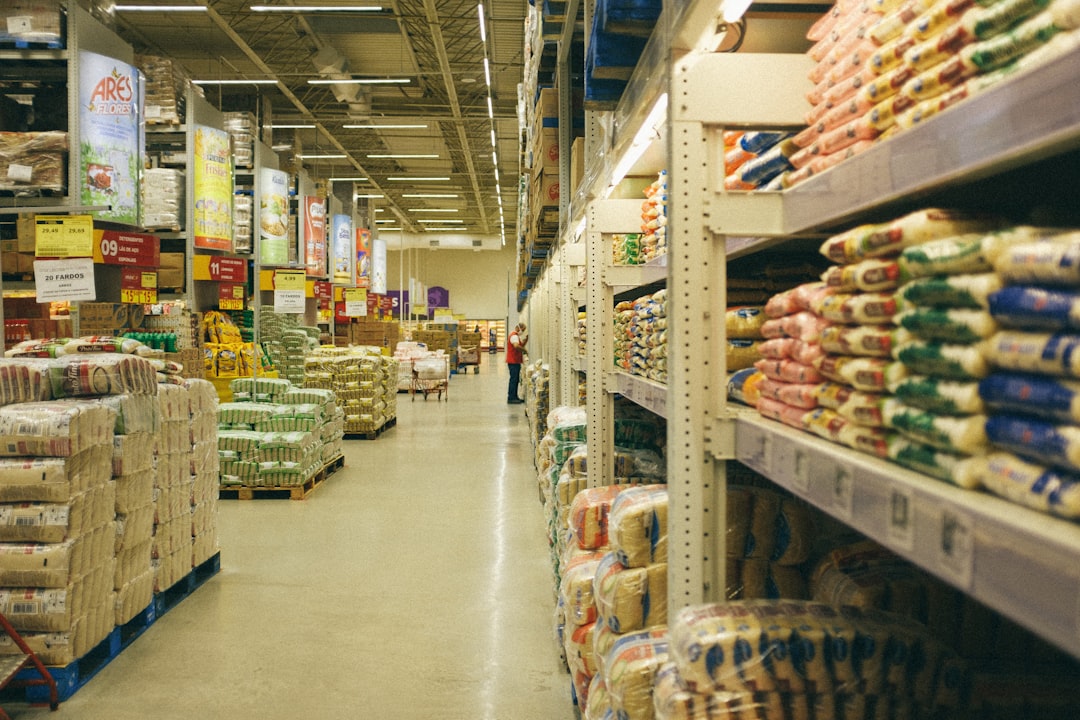
You stand at the confluence of global consumption and agricultural production, a strategic juncture where sustenance meets commerce. The food supply chain, an intricate web stretching from seed to plate, represents more than just a series of transactions; it is a fundamental pillar of human existence. Understanding its financial underpinnings is not merely a matter of economic curiosity but a critical skill for anyone engaged in, or impacted by, this vast ecosystem. You are about to embark on an exploration of the fundamental principles guiding the flow of capital and resources within this vital sector.
Before delving into the specifics, you must first grasp the sheer scale and complexity of the food supply chain. Imagine a river, with countless tributaries feeding into it, and then branching out into deltas, each segment carrying its own financial currents. This river is the food supply chain, and its finance is the sophisticated hydrology controlling its flow. You will encounter various stakeholders, each with distinct financial needs and risk profiles, operating within a highly dynamic environment. Learn more about the financialization of American agriculture and its impact on the economy.
Stages of the Food Supply Chain and Their Financial Implications
Consider the journey of a single commodity, say, wheat.
- Farming and Production: This initial stage involves significant capital investment in land, machinery, seeds, fertilizers, and labor. You, as a farmer, face inherent risks like weather variability, pest infestations, and fluctuating commodity prices. Financing here often takes the form of farm loans, microfinance, and agricultural subsidies. Your ability to secure these funds dictates your very capacity to produce food.
- Processing and Manufacturing: Once harvested, raw materials transform. Wheat becomes flour, then bread. This stage demands investment in processing facilities, equipment, quality control, and packaging. You, as a processor, grapple with economies of scale, inventory management, and the need for working capital to cover operational costs. Supply chain finance solutions, such as invoice factoring and reverse factoring, become critical here to bridge payment gaps.
- Distribution and Logistics: The movement of processed food from factory to retailer is a logistical marvel. Warehouses, transportation networks (trucks, ships, trains), and cold storage facilities all require substantial investment. You, as a distributor, must manage fuel costs, fleet maintenance, and intricate scheduling, often relying on asset-based lending or short-term credit lines to maintain liquidity.
- Retail and Consumption: The final link in the chain, where food reaches consumers. Supermarkets, restaurants, and food service providers incur costs related to inventory, marketing, staff, and real estate. You, as a retailer, face challenges like perishable goods management, consumer demand fluctuations, and competitive pricing, often utilizing revolving credit facilities and trade credit from suppliers.
To gain a deeper understanding of food supply chain finance, you may find it beneficial to explore the article available at this link: Understanding Food Supply Chain Finance. This resource provides valuable insights into the complexities of financing within the food supply chain, highlighting key factors that influence financial decisions and strategies for optimizing cash flow in this critical sector.
Financial Instruments and Mechanisms: Tools of the Trade
Just as a carpenter selects the right tool for each task, you, within the food supply chain, must understand the diverse financial instruments available to manage cash flow, mitigate risk, and facilitate growth. These mechanisms are not static; they evolve with technological advancements and market demands.
Traditional Lending and Credit Facilities
These represent the bedrock of food supply chain finance.
- Bank Loans: Whether short-term or long-term, these are fundamental for capital expenditure, expansion, or covering operational deficits. You, as a business owner, will likely interact with traditional banks for equipment financing, real estate loans, and working capital lines of credit. Your creditworthiness and collateral are paramount in securing such funding.
- Lines of Credit: Offering flexibility, these allow you to borrow up to a pre-set limit as needed, repaying and re-borrowing. They are particularly useful for managing seasonal fluctuations in cash flow, a common challenge in agricultural and food processing sectors.
- Trade Credit: This is essentially borrowing from your suppliers. You receive goods or services now and pay later, according to agreed-upon terms. This is a critical, often informal, source of short-term financing throughout the supply chain, allowing you to manage inventory without immediate cash outlay.
Modern Supply Chain Finance (SCF) Solutions
These innovative solutions address specific pain points, particularly around working capital optimization and risk mitigation, throughout your supply chain partnerships.
- Invoice Factoring: You sell your outstanding invoices (receivables) to a third party (the factor) at a discount, receiving immediate cash. This accelerates cash flow, particularly beneficial for smaller suppliers who cannot afford long payment terms. It effectively shifts collection risk to the factor.
- Reverse Factoring (Supplier Finance): This is initiated by the buyer, typically a larger, creditworthy entity. The buyer arranges for a financial institution to pay their suppliers’ invoices immediately at a discount, while the buyer retains their original, longer payment terms with the financier. This benefits both parties: the supplier gets paid quickly, and the buyer strengthens supplier relationships and optimizes their own working capital. You, as a supplier, gain access to cheaper financing due to the buyer’s strong credit rating.
- Dynamic Discounting: Here, buyers offer early payment discounts to suppliers in exchange for accelerated payment. The discount rate often varies (dynamically) based on how early the payment is made. This creates a win-win: you, as a supplier, get faster access to cash, and the buyer reduces their cost of goods sold.
- Inventory Finance: For businesses holding significant stock, especially perishable goods, inventory can be used as collateral for loans. This allows you to convert dormant assets into working capital, crucial for managing the seasonality of agricultural products.
Risk Management: Navigating the Tides of Uncertainty
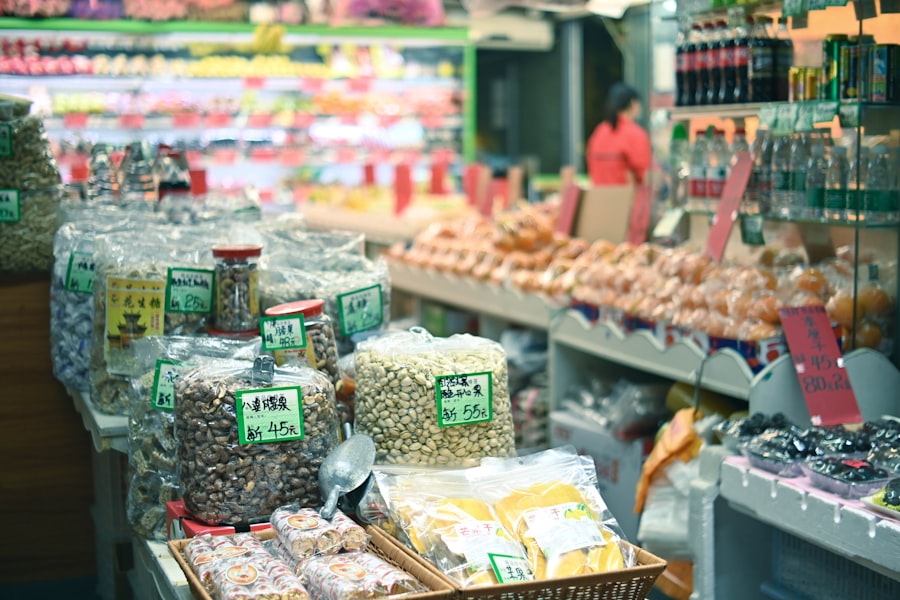
The food supply chain is inherently exposed to a multitude of risks, financial and otherwise. You, operating within this environment, must be acutely aware of these vulnerabilities and deploy strategies to mitigate their impact. Think of it as piloting a ship through unpredictable waters; you need accurate charts and contingency plans.
Agricultural and Commodity Price Volatility
Fluctuations in the price of raw agricultural commodities can decimate profit margins or create unexpected windfalls. You, as a farmer, face this directly, but so do processors and retailers who rely on stable input costs.
- Futures and Options Contracts: These financial derivatives allow you to lock in prices for future delivery or consumption, hedging against adverse price movements. For example, a bakery might buy wheat futures to secure their cost of flour for an upcoming baking season.
- Crop Insurance: A critical safety net for farmers, protecting against losses due to adverse weather, diseases, or pests. This is a cornerstone of financial stability at the production end of the chain.
Currency and Geopolitical Risks
For a globalized food supply chain, currency exchange rate fluctuations can significantly impact import and export costs. Geopolitical events, such as trade wars, sanctions, or regional conflicts, can disrupt supply lines and alter market dynamics.
- Hedging Strategies: Using forward contracts or currency options, you can protect yourself against unfavorable currency movements when dealing with international suppliers or customers.
- Diversification of Sourcing: Relying on multiple suppliers from different geographical regions can mitigate the impact of localized disruptions or political instability. This provides a buffer against single-point-of-failure scenarios.
Food Safety and Regulatory Compliance
Maintaining stringent food safety standards is not only an ethical imperative but also a legal and financial one. Recalls, health crises, or failure to comply with regulations can lead to substantial financial penalties, reputational damage, and loss of consumer trust.
- Traceability Systems: Investing in robust systems that track products from origin to consumption allows for rapid identification and isolation of contaminated batches, minimizing the extent of potential recalls.
- Compliance Audits and Certifications: Regular audits and adherence to international standards (e.g., HACCP, ISO 22000) demonstrate due diligence and can reduce insurance premiums while enhancing market access.
Technology and Innovation: The Digital Current
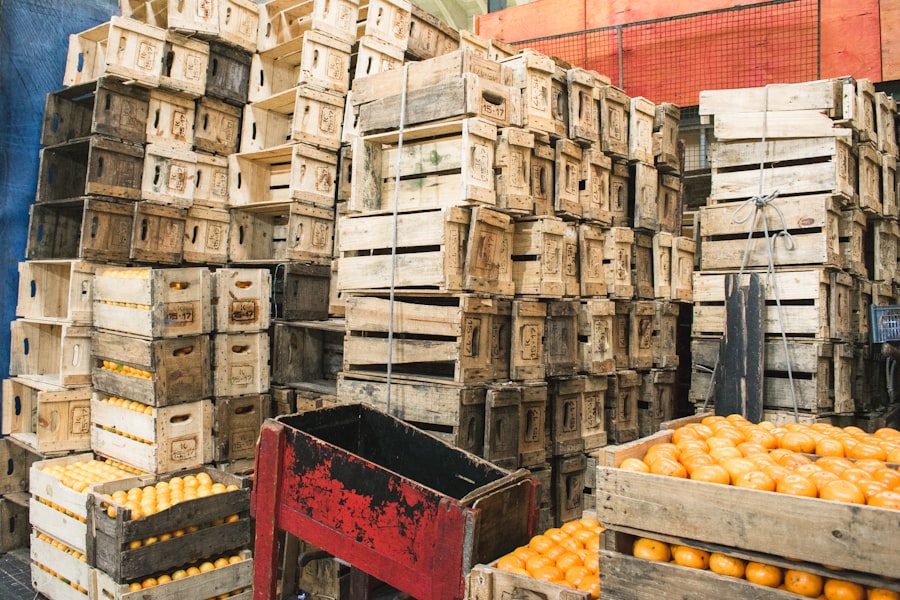
Just as a river carves new paths, technology is reshaping the financial landscape of the food supply chain. You are witnessing a digital transformation that promises greater transparency, efficiency, and accessibility to capital.
Blockchain and Distributed Ledger Technology (DLT)
Imagine a shared, incorruptible ledger accessible to all authorized participants in the supply chain. This is the promise of blockchain.
- Enhanced Traceability: By recording every transaction and movement of a product, blockchain can provide an immutable audit trail, improving food safety and consumer confidence. This allows you, as a consumer, to scan a QR code and see the journey of your food, from farm to fork.
- Streamlined Payments and Finance: Smart contracts, self-executing agreements stored on the blockchain, can automate payments upon fulfillment of predefined conditions (e.g., delivery of goods). This reduces manual processing, minimizes disputes, and accelerates cash flow.
- Increased Access to Finance: For smallholder farmers who lack traditional credit histories, blockchain-based data on their production cycles and adherence to standards could serve as a verifiable form of collateral, unlocking new financing opportunities.
Data Analytics and Artificial Intelligence (AI)
The vast amounts of data generated within the food supply chain are a goldmine waiting to be exploited.
- Predictive Analytics for Demand and Supply: AI algorithms can analyze historical sales data, weather patterns, and even social media trends to forecast consumer demand and optimize inventory levels. This allows you, as a retailer or processor, to reduce waste and ensure product availability.
- Risk Assessment and Fraud Detection: AI can identify unusual patterns in transactions or supplier behavior, flagging potential risks or fraudulent activities much faster than human analysis.
- Optimized Pricing Strategies: Machine learning can help businesses determine optimal pricing points by considering production costs, competitor pricing, and consumer elasticity, maximizing profitability.
Digital Platforms and Marketplaces
Online platforms are connecting participants in the food supply chain more directly, bypassing traditional intermediaries.
- E-commerce for Agricultural Products: Farmers can sell directly to consumers or businesses, reducing their reliance on wholesalers and potentially securing better prices. You, as a farmer, find new avenues for market access.
- Fintech Integrations: Many digital platforms are integrating financial services directly into their offerings, allowing for seamless payment processing, invoice financing, and even embedded insurance products at the point of transaction.
Understanding the intricacies of food supply chain finance is crucial for anyone looking to navigate the complexities of this vital industry. A related article that delves deeper into this topic can be found at How Wealth Grows, where you can explore various aspects of financial management within the food supply chain. This resource provides valuable insights that can help stakeholders make informed decisions and optimize their operations.
Sustainability and ESG Factors: A New Financial Imperative
| Metric | Description | Typical Value/Range | Importance in Food Supply Chain Finance |
|---|---|---|---|
| Days Payable Outstanding (DPO) | Average number of days a company takes to pay its suppliers | 30-90 days | Indicates payment terms and cash flow management between buyers and suppliers |
| Days Sales Outstanding (DSO) | Average number of days to collect payment from customers | 20-60 days | Reflects the efficiency of receivables collection impacting working capital |
| Inventory Turnover | Number of times inventory is sold and replaced over a period | 4-12 times per year | Measures inventory management efficiency and impacts financing needs |
| Working Capital Cycle | Time between outlay of cash for raw materials and receiving cash from sales | 30-120 days | Determines liquidity requirements and financing duration |
| Financing Cost Rate | Interest or fees paid for financing supply chain activities | 3%-15% annually | Impacts overall profitability and cost of capital in the supply chain |
| Supplier Payment Terms | Agreed period for payment to suppliers | Net 30 to Net 90 days | Influences cash flow timing and financing needs |
| Receivables Financing Percentage | Portion of receivables financed through supply chain finance programs | 10%-50% | Indicates reliance on financing to maintain liquidity |
The financial viability of the food supply chain is increasingly intertwined with its environmental, social, and governance (ESG) performance. You are operating in an era where sustainability is not just a moral consideration but a financial one. Ignoring ESG risks can lead to investor divestment, regulatory penalties, and reputational damage.
Sustainable Sourcing and Production
Consumers, investors, and regulators are demanding more environmentally and socially responsible practices.
- Green Bonds and Loans: Financial instruments specifically designed to fund projects with environmental benefits (e.g., organic farming, renewable energy in food processing). You, as a business, can access capital at potentially more favorable rates by demonstrating strong sustainability credentials.
- Carbon Credits and Ecosystem Services Payments: Farmers engaging in practices that sequester carbon or enhance biodiversity may be able to access new revenue streams by selling carbon credits or receiving payments for ecosystem services.
Ethical Supply Chains and Labor Practices
The social dimension of ESG focuses on fair labor practices, human rights, and community engagement.
- Social Impact Investing: Investors are increasingly directing capital towards food businesses that demonstrate positive social impact, such as supporting smallholder farmers or ensuring fair wages throughout their supply chain.
- Supply Chain Audits and Certifications (e.g., Fair Trade): These independent verifications assure consumers and investors that products are sourced ethically and produced under fair labor conditions, enhancing your brand reputation and market access.
Waste Reduction and Circular Economy Principles
Food waste is a significant global problem, representing both an environmental burden and an economic loss.
- Investment in Waste-to-Value Technologies: Funding for innovations that convert food waste into energy, animal feed, or other valuable products. This transforms a liability into an asset.
- Refinancing for Efficiency Improvements: Loans or grants can be secured to implement technologies that reduce water usage, energy consumption, or packaging waste in your operations, leading to long-term cost savings and improved ESG performance.
In conclusion, you have traversed the multifaceted landscape of food supply chain finance. You’ve seen it as a dynamic river, constantly flowing and adapting, propelled by diverse financial currents. From the foundational mechanisms of traditional lending to the cutting-edge innovations of blockchain and AI, and the increasingly vital considerations of sustainability, each element plays a critical role in ensuring the efficient and resilient flow of food from producer to consumer. Your understanding of these basics empowers you to not only navigate this complex system but also to identify opportunities for efficiency, growth, and positive impact. The effective management of capital, risk, and innovation within this essential sector is not just about profit; it is about sustaining livelihoods and feeding the world.
WATCH THIS! ⚠️💰🌾 Why Wall Street Is Buying Up America’s Farmland (And Why It Should Terrify You)
FAQs
What is food supply chain finance?
Food supply chain finance refers to the financial solutions and services designed to optimize cash flow and working capital for all parties involved in the food supply chain, including producers, processors, distributors, and retailers.
Why is supply chain finance important in the food industry?
Supply chain finance is crucial in the food industry because it helps manage the unique challenges of perishable goods, reduces payment delays, improves liquidity for suppliers, and ensures a steady flow of products from farm to table.
Who are the key participants in food supply chain finance?
The key participants include farmers and producers, food processors, distributors, retailers, financial institutions, and sometimes third-party logistics providers.
How does supply chain finance benefit small food producers?
Small food producers benefit by gaining access to affordable financing options, improving their cash flow, reducing payment risks, and enabling them to invest in production and quality improvements.
What types of financial instruments are used in food supply chain finance?
Common financial instruments include invoice financing, factoring, reverse factoring (supplier finance), trade credit, and inventory financing.
How does technology impact food supply chain finance?
Technology enhances transparency, traceability, and efficiency in food supply chain finance by enabling real-time data sharing, automated payment processing, and risk assessment through blockchain, IoT, and digital platforms.
What risks are associated with food supply chain finance?
Risks include payment defaults, supply disruptions due to perishability, price volatility, regulatory changes, and fraud. Effective risk management and due diligence are essential.
Can supply chain finance improve sustainability in the food industry?
Yes, by providing financial incentives for sustainable practices, improving resource efficiency, and supporting suppliers who adhere to environmental and social standards, supply chain finance can promote sustainability.
How do retailers benefit from food supply chain finance?
Retailers benefit by securing a reliable supply of quality products, optimizing inventory management, and strengthening relationships with suppliers through improved payment terms and financial stability.
What role do financial institutions play in food supply chain finance?
Financial institutions provide the necessary capital, credit facilities, and risk management services that enable smooth financial transactions and liquidity throughout the food supply chain.