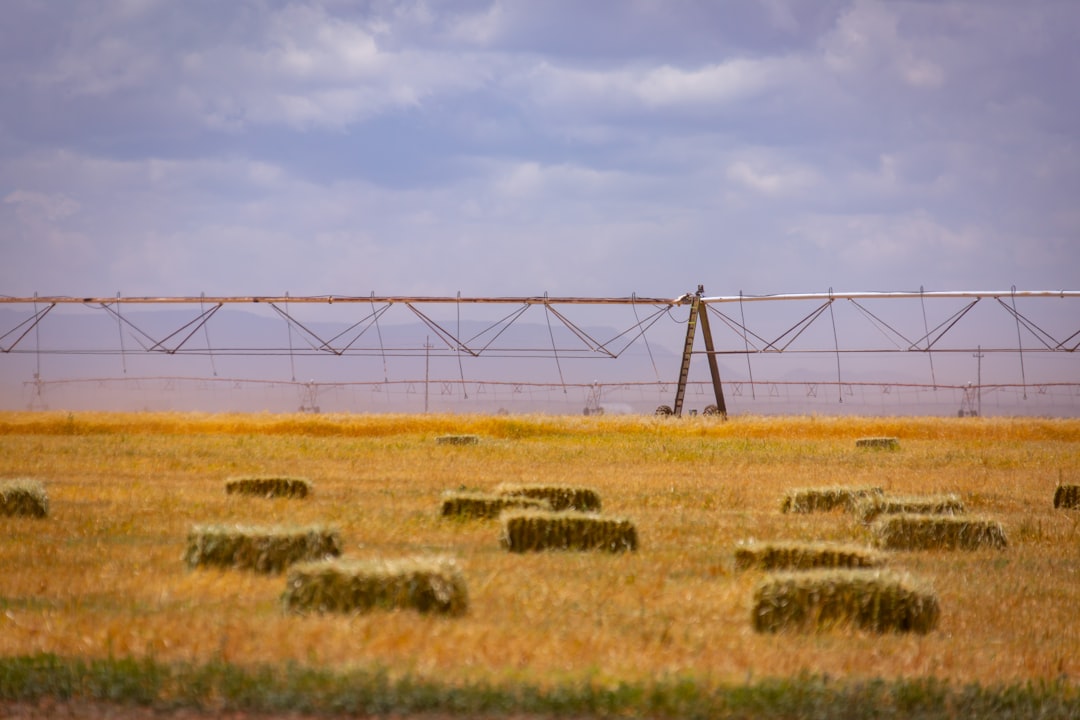
You’re considering a foray into farmland investment. This guide will walk you through the fundamentals, providing a grounded overview of what many perceive as a steadfast asset class. Farmland, unlike stocks or bonds, is a tangible asset with inherent utility, a characteristic that often appeals to investors seeking diversification and inflation hedging. Understanding its nuances is critical before you commit capital.
Farmland investment, at its core, is a bet on the continued necessity of food production and the finite nature of arable land. It’s not a get-rich-quick scheme; rather, it’s often viewed as a long-term play, akin to planting an oak tree and expecting shade and acorns for generations, not immediate gratification. Learn more about the financialization of American agriculture and its impact on the economy.
Inflation Hedge
Historically, farmland has demonstrated a strong correlation with inflation. As the cost of goods and services rises, so too do the prices of agricultural commodities. This often translates into higher rental rates for land and, consequently, increased land values. For you, this means your investment can retain or even enhance its purchasing power during inflationary periods, acting as a financial anchor in turbulent economic seas.
Diversification
A diversified portfolio is a resilient portfolio. Farmland often behaves differently from traditional asset classes like equities and bonds. Its drivers – weather patterns, commodity prices, and agricultural policies – are distinct from the corporate earnings reports or central bank interest rate decisions that sway other markets. By adding farmland, you can potentially reduce your portfolio’s overall volatility, much like spreading your seeds across different fields reduces the risk of a single crop failure.
Tangible Asset Value
Unlike digital assets or abstract financial instruments, farmland is a physical, productive asset. You can walk its perimeter, feel its soil, and observe its output. This tangibility offers a psychological comfort to many investors, a sense of ownership over something real and intrinsically valuable. Its value is tied to its productive capacity, offering a fundamental floor, unlike assets whose value can sometimes be purely speculative.
Returns and Stability
Farmland investments typically generate returns through two primary channels: rental income (or profits from direct farming operations) and capital appreciation of the land itself. While annual rental yields might not always be spectacular, they often provide a consistent income stream. Coupled with the long-term trend of land value appreciation, farmland has historically delivered competitive returns with relatively lower volatility compared to other asset classes. Imagine a river, steadily flowing, rather than a geyser erupting sporadically.
Growing Global Demand
The world’s population continues to grow, and with it, the demand for food, fiber, and fuel. Arable land, however, is finite and, in many regions, shrinking due to urbanization, desertification, and other environmental pressures. This fundamental supply-and-demand imbalance creates a compelling long-term outlook for farmland values. You’re investing in a resource that will only become more precious.
For those interested in exploring farmland investment as a viable option for diversifying their portfolios, a great resource is the article available at How Wealth Grows. This article provides beginners with essential insights into the benefits and risks associated with investing in agricultural land, as well as practical tips on how to get started. By understanding the fundamentals of farmland investment, newcomers can make informed decisions that align with their financial goals.
Understanding Farmland Investment Vehicles
Just as there are different ways to travel, there are various avenues for investing in farmland. The path you choose will depend on your capital, risk tolerance, and desired level of involvement.
Direct Ownership
This is the most straightforward approach: you buy the land yourself. Direct ownership gives you maximum control, allowing you to choose tenants, negotiate lease terms, and make improvements. However, it also demands significant capital, an understanding of agricultural practices, and responsibility for property management, taxes, and maintenance. It’s like building your own house – you get exactly what you want, but you’re also the project manager.
Owner-Operator Model
Should you choose to directly operate the farm, you’ll be actively involved in planting, tending, and harvesting, bearing both the risks and rewards of farming operations. This requires substantial expertise, time commitment, and often, significant capital investment in equipment and labor.
Landlord-Tenant Model
Alternatively, you can lease the land to an experienced farmer. This provides a comparatively passive income stream, as the tenant handles the day-to-day operations. You typically negotiate a cash rent or a crop share agreement, where you receive a percentage of the harvest. This model offers less operational burden but still requires due diligence in selecting reliable tenants and understanding lease contracts.
Farmland Investment Trusts (FITs) and Real Estate Investment Trusts (REITs)
For those seeking a more passive and diversified approach, FITs and REITs offer an accessible entry point. These publicly traded companies own and manage portfolios of farmland. You buy shares in these trusts, much like buying shares in any other company, and benefit from their collective land holdings and rental income. It’s akin to investing in a mutual fund, where professionals manage a diverse portfolio for you. Remember that these are subject to stock market volatility.
Publicly Traded FITs/REITs
These trusts are listed on stock exchanges and offer high liquidity. They provide instant diversification across various geographies and crop types. You can buy and sell shares easily, making them suitable for investors who value flexibility. However, their stock prices can fluctuate with broader market sentiment, even if the underlying land value remains stable.
Private FITs/REITs and Funds
These are typically pooled investment vehicles for accredited investors. They may offer lower correlation to public markets but often come with higher investment minimums and less liquidity. They are managed by professionals who acquire, manage, and often improve farmland, aiming for long-term capital appreciation and income distribution. Think of these as exclusive clubs with tailored benefits, but also higher entry fees and longer commitment periods.
Crowdfunding Platforms
Emerging crowdfunding platforms allow you to invest smaller sums in fractional ownership of farmland properties. These platforms democratize access to farmland investment, making it accessible to a wider range of investors. You can typically choose from specific properties or portfolios, often with varying risk profiles and expected returns. This is like buying a piece of a puzzle; you own a part, but the overall picture is managed by the platform. However, liquidity can be limited, and the regulatory landscape for these platforms is still evolving.
Key Factors to Evaluate Before Investing
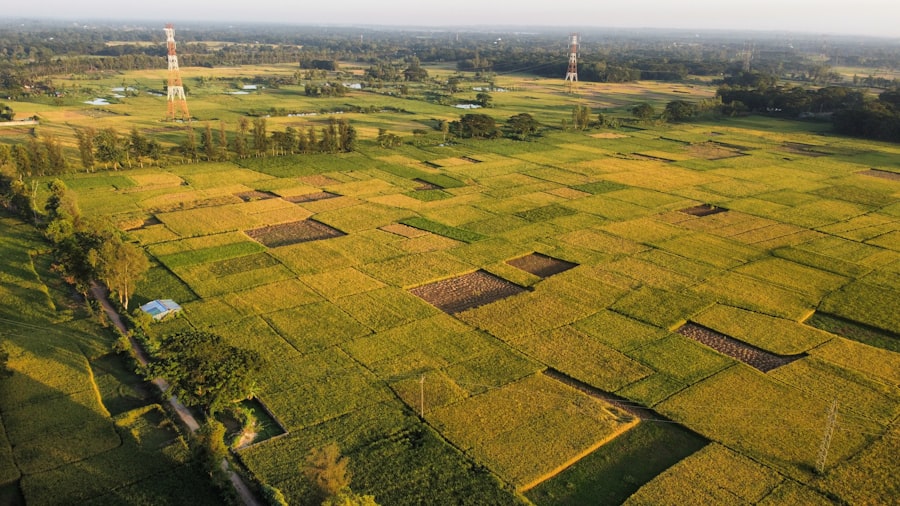
Before you commit your capital, a thorough due diligence process is indispensable. Just as a sailor checks the weather, tides, and chart before embarking, you must assess several critical factors.
Location and Soil Quality
The mantra “location, location, location” holds true for farmland. Proximity to markets, infrastructure (roads, rail, ports), and processing facilities can significantly impact land value and profitability. Equally important is soil quality. Rich, fertile soil with good drainage and appropriate pH levels is the foundation of productive agriculture. Research historical yields for specific regions and consult soil maps and agricultural experts. Poor soil is poor potential, regardless of price.
Water Access and Rights
Water is the lifeblood of agriculture. Assess the availability of reliable water sources – rainfall, irrigation infrastructure (canals, wells), and surface water. Crucially, understand the water rights associated with the property. These can be complex and vary by jurisdiction, impacting the farm’s long-term sustainability and value. A farm without sufficient water is like a car without fuel – it won’t go anywhere.
Climate and Weather Patterns
Investigate historical climate data and future projections for the region. Consider average rainfall, temperature ranges, and frequency of extreme weather events (droughts, floods, freezes). Climate change is a factor that increasingly needs to be
integrated into your long-term assessment. A favorable climate can be a strong asset, while a volatile one can pose significant risks.
Crop Selection and Market Dynamics
The type of crops suitable for a given region directly influences profitability. Research local agricultural economies, prevailing commodity prices, and market demand for specific crops. Understand the input costs (seeds, fertilizer, pesticides, labor) and potential yields. Diversifying crop types can mitigate risk, turning a single point of failure into a network of resilience.
Local and Global Market Trends
Stay informed about broader agricultural trends, including consumer preferences (e.g., organic, non-GMO), trade policies, and global supply-and-demand dynamics for key commodities. These factors can significantly impact the long-term viability of your investment.
Regulatory Environment and Government Policies
Agricultural land is often subject to specific zoning regulations, environmental protection laws, and government subsidies or programs. Understand these policies, as they can both support and restrict farming operations. Changes in land use regulations, taxes, or agricultural subsidies can directly affect your investment’s profitability. Be aware of any restrictions on foreign ownership of farmland, as this varies by country and even by state within countries.
Property Taxes and Environmental Regulations
Investigate local property tax rates and any specific agricultural tax exemptions or assessments. Environmental regulations, such as those governing water usage, pesticide application, and wetlands protection, can impose significant operational costs and responsibilities.
Financial Performance and Valuation
As with any investment, a thorough financial analysis is crucial. Evaluate historical income statements and balance sheets for the property (if available). Understand the cash flow generated from rent or farming operations, and assess the potential for capital appreciation based on comparable sales in the area.
Cap Rate and Internal Rate of Return (IRR)
Familiarize yourself with valuation metrics commonly used in real estate and farmland investment, such as the Capitalization Rate (Cap Rate) and Internal Rate of Return (IRR). The Cap Rate helps you compare the income-generating potential of different properties, while IRR provides a comprehensive measure of an investment’s profitability over time.
Risks Associated with Farmland Investment
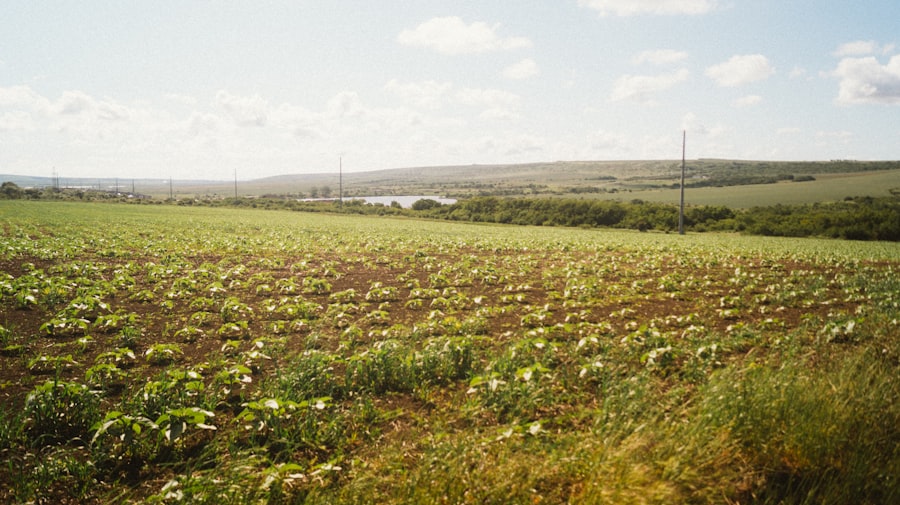
While generally considered a stable asset, farmland investment is not without its perils. Acknowledging these risks helps you prepare and mitigate them. You wouldn’t sail into a storm without considering the waves.
Climate and Weather Risk
Agriculture is inherently exposed to the whims of weather. Droughts, floods, hail, and extreme temperatures can devastate crops, leading to significant income loss and potential damage to the land itself. While insurance can mitigate some of these risks, it rarely covers all eventualities. This is the most unpredictable variable in the agricultural equation.
Commodity Price Volatility
The prices of agricultural commodities (corn, soybeans, wheat, etc.) can fluctuate dramatically due to global supply and demand imbalances, geopolitical events, and economic cycles. This volatility directly impacts the income generated from direct farming operations and can influence rental rates. A bumper harvest in one part of the world can depress prices for your produce.
Pest and Disease Outbreaks
Agricultural operations are vulnerable to pest infestations and plant diseases, which can decimate yields and require costly control measures. While modern farming techniques and research can help, new threats can emerge, requiring constant vigilance and adaptation.
Regulatory Changes and Environmental Concerns
Changes in government policies, such as new environmental regulations, land-use restrictions, or shifts in agricultural subsidies, can significantly impact the profitability and operational flexibility of a farm. Growing public awareness of environmental issues can lead to stricter regulations on farming practices.
Succession Planning and Management
If you plan to directly operate the farm, consider your long-term succession plan. Farming is a generational business, and finding skilled, reliable workers and eventual successors can be a challenge. Similarly, if you’re a landlord, finding and retaining good tenants is critical for consistent income.
Liquidity Risk
Farmland is not a highly liquid asset. Selling a large farm property can take time, sometimes months or even years, depending on market conditions and the specific property. This means your capital can be tied up for extended periods. Direct ownership provides less liquidity than investing in publicly traded farmland REITs.
For those looking to explore the world of farmland investment, a great starting point can be found in a related article that offers valuable insights for beginners. This resource provides essential tips and strategies to help you navigate the complexities of investing in agricultural land. To learn more about how to make informed decisions in this promising sector, check out the article here: related article.
Due Diligence: Your Essential Checklist
| Metric | Description | Typical Range | Notes for Beginners |
|---|---|---|---|
| Average Land Price per Acre | Cost to purchase one acre of farmland | 1,000 – 10,000 | Varies widely by location and soil quality |
| Annual Rental Income per Acre | Income generated by leasing farmland | 50 – 300 | Depends on crop type and lease terms |
| Annual Appreciation Rate | Yearly increase in land value | 3% – 7% | Long-term growth potential |
| Operating Costs per Acre | Expenses for maintenance, taxes, and management | 100 – 400 | Important to factor into ROI calculations |
| Typical Investment Horizon | Recommended holding period for farmland | 5 – 15 years | Farmland is a long-term investment |
| Average Annual Return | Combined income and appreciation returns | 6% – 12% | Includes rental income and land value growth |
| Liquidity | Ease of selling farmland quickly | Low | Farmland can take months to sell |
| Risk Level | Investment risk compared to other assets | Moderate | Subject to weather, market, and regulatory risks |
Before you sign any papers, a rigorous due diligence process is paramount. This isn’t just a suggestion; it’s your navigational chart.
Legal and Title Review
Engage a qualified attorney specializing in real estate and agricultural law to review all legal documents, including the title deed, easements, liens, and any restrictions on the property. Ensure clear title and understand any encumbrances that might affect your ownership or use.
Environmental Assessment
Conduct an environmental site assessment (ESA) to identify any potential contamination, hazardous waste, or environmental liabilities associated with the property. This is crucial for protecting you from future clean-up costs or legal issues.
Financial Projections and Sensitivity Analysis
Develop detailed financial projections, including expected income from rent or operations, operating expenses, taxes, and potential for capital appreciation. Conduct sensitivity analyses to understand how various scenarios (e.g., lower commodity prices, higher interest rates, reduced yields) could impact your investment’s profitability.
Site Visit and Expert Consultation
Never purchase farmland without a thorough on-site inspection. Walk the property, observe the soil, assess the infrastructure, and verify boundaries. Consult with local agricultural experts, agronomists, and experienced farmers. Their insights can be invaluable in understanding the nuances of the land and its productive capacity.
Insurance Review
Ensure adequate insurance coverage is available and affordable. This includes property insurance, crop insurance (if applicable), liability insurance, and any other relevant policies to protect your investment from unforeseen events.
By meticulously navigating these steps, you’ll be better equipped to make an informed decision about integrating farmland into your investment portfolio. Remember, farmland investment is a long-term commitment, and patience, paired with thorough preparation, is your greatest ally.
WATCH THIS! ⚠️💰🌾 Why Wall Street Is Buying Up America’s Farmland (And Why It Should Terrify You)
FAQs
What is farmland investment?
Farmland investment involves purchasing agricultural land with the goal of generating returns through farming activities, leasing the land, or capital appreciation over time.
Why should beginners consider investing in farmland?
Farmland can provide steady income through crop production or leasing, potential for long-term capital growth, and diversification benefits as it often has low correlation with traditional financial markets.
How do beginners start investing in farmland?
Beginners can start by researching farmland markets, understanding local agricultural practices, consulting with experts, and considering options such as direct land purchase, farmland investment funds, or Real Estate Investment Trusts (REITs) focused on agriculture.
What are the risks associated with farmland investment?
Risks include weather variability, commodity price fluctuations, changes in agricultural policies, land management challenges, and potential liquidity issues due to the relatively illiquid nature of farmland.
Is farmland investment suitable for short-term gains?
Farmland investment is generally considered a long-term investment due to the time needed for land value appreciation and stable income generation from agricultural activities.
How does farmland generate income for investors?
Income can be generated through leasing the land to farmers, selling agricultural products if actively farmed, or benefiting from government subsidies and incentives related to agriculture.
What factors should be considered when choosing farmland to invest in?
Important factors include soil quality, water availability, climate conditions, proximity to markets, local farming infrastructure, land price trends, and legal considerations such as zoning and land use regulations.
Can farmland investment be done through funds or partnerships?
Yes, many investors participate in farmland investment through specialized funds, partnerships, or REITs, which provide access to farmland assets without the need to manage the land directly.
Are there tax benefits associated with farmland investment?
Tax benefits vary by jurisdiction but may include deductions for property taxes, depreciation, and potential incentives for agricultural land conservation or sustainable farming practices.
How liquid is farmland as an investment?
Farmland is generally less liquid than stocks or bonds, as selling agricultural land can take time due to fewer buyers and higher transaction costs. Investors should be prepared for a longer holding period.