
You stand at the precipice of a significant economic and social shift in California’s fast-food industry. The Golden State, often a bellwether for national trends, is currently a living laboratory for the increasing integration of automation into quick-service restaurants. This isn’t a phenomenon confined to futuristic sci-fi; it’s unfolding on a street corner near you, directly impacting the way you order, the food you receive, and the very fabric of the workforce. As you navigate this evolving landscape, a deeper understanding of the underlying data becomes paramount. Consider this your compass, guiding you through the intricate pathways of California’s fast food automation, with statistics as your primary landmarks.
California’s unique blend of high labor costs, progressive legislation, and a robust technological sector has positioned it as an early adopter, if not a reluctant pioneer, in the fast-food automation space. You might be witnessing this transformation firsthand, even without realizing it. The unassuming touchscreen kiosk, the efficient robotic arm preparing your coffee, or the back-of-house automated fryer are no longer anomalies but increasingly woven into the operational fabric. The recent changes in the California fast food minimum wage law have sparked widespread discussions across the industry.
Rising Labor Costs: The Catalyst for Change
You’ve likely felt the pinch of rising prices, and businesses across California are experiencing the same pressures, particularly when it comes to labor. The recent increases in minimum wage, while aiming to improve living standards for workers, have undeniably accelerated the drive toward automation.
- Minimum Wage Impact: You’ve seen the headlines. As of April 1, 2024, the minimum wage for fast-food workers in California with 60 or more establishments nationwide rose to $20 per hour. This significant jump, from the statewide minimum of $16, represents a substantial increase in operational expenditure for many quick-service restaurants. For a full-time employee, this translates to an annual salary of over $41,000, excluding benefits and payroll taxes.
- Operating Margin Compression: Consider the typical fast-food restaurant operates on thin margins. When labor, often the largest controllable expense, experiences such a rapid escalation, you can appreciate the immense pressure on businesses to find efficiencies. Automation, in this context, isn’t always about replacing humans entirely, but rather about optimizing existing workflows to absorb these increased costs. Studies by the University of California, Berkeley, and the California Restaurant Association have indicated that for every $1 increase in minimum wage, restaurants often explore technology solutions that can reduce labor hours by 1-3%.
Technological Maturity: Automation’s Coming of Age
You are living in an era where automation is no longer a nascent technology but a sophisticated and increasingly affordable solution. The algorithms are smarter, the hardware is more robust, and the integration processes are becoming streamlined.
- Hardware and Software Advancements: You’re seeing the tangible results of years of research and development. Robotic arms, once prohibitively expensive and clunky, are now more agile, precise, and capable of performing a wider range of tasks, from flipping burgers to assembling intricate salads. Software, powered by artificial intelligence and machine learning, is optimizing inventory, predicting demand, and personalizing customer experiences through intuitive ordering kiosks. The cost of such technology has decreased by an average of 10-15% annually over the past five years, making it an increasingly attractive investment for restaurant owners.
- Case Studies in Early Adoption: You’ll find examples throughout California. Take McDonald’s, for instance, which has been steadily implementing self-ordering kiosks across its California locations for years. Chipotle has experimented with “Chippy,” an autonomous kitchen assistant that makes tortilla chips. Burger King has piloted automated fry stations. These aren’t isolated incidents but rather part of a broader, industry-wide exploration of automation’s potential. According to QSR magazine, an estimated 30% of California’s fast-food establishments have already integrated some form of customer-facing automation, such as kiosks, as of late 2023.
Recent discussions around the automation of fast food services in California have highlighted significant statistics regarding its impact on employment and efficiency. For a deeper understanding of these trends and their implications, you can read a related article that explores the economic effects of automation in the fast food industry. This article provides valuable insights into how technology is reshaping the workforce and consumer experience. To learn more, visit this link.
The Scale of Automation: From Kiosks to Kitchen Robotics
As you delve deeper, you’ll discover that automation in California’s fast-food sector isn’t a monolithic entity. It’s a spectrum, ranging from subtle modifications to fundamental overhauls of the operational model. Understanding this spectrum is crucial for grasping the true impact.
Front-of-House Automation: The Customer Interface
You’ve undoubtedly interacted with this aspect of automation. This is where the digital meets the human, often redesigning your ordering experience.
- Self-Ordering Kiosks: These ubiquitous touchscreens are perhaps the most visible manifestation of fast-food automation. They empower you to customize your order, browse menus at your leisure, and often pay without direct human interaction. Data from industry surveys suggests that in California, approximately 60-70% of major fast-food chains now deploy self-ordering kiosks in at least a portion of their locations. This adoption rate is notably higher than the national average of around 45-50%.
- Mobile Ordering and Delivery Integration: Your smartphone has become a powerful tool for convenience. Fast-food apps allow you to order ahead, customize meals, and bypass lines. This digital ecosystem seamlessly integrates with third-party delivery services, creating another layer of automation in the customer journey. You’re no longer just ordering from a person; you’re interacting with a complex digital infrastructure. In major metropolitan areas of California, mobile ordering accounts for an estimated 35-45% of total fast-food transactions during peak hours.
Back-of-House Automation: The Unseen Revolution
While you may not always see it, the most profound changes might be occurring behind the counter. This is where automation addresses efficiency, consistency, and often, safety.
- Automated Fryers and Drink Dispensers: These robotic assistants can manage repetitive and often hazardous tasks, ensuring consistent product quality and reducing the risk of employee injury. You might not see the robotic arm dipping the fries, but you taste the difference in their consistent crispness. Companies like Miso Robotics, a prominent developer of kitchen automation, have deployed their “Flippy” and “CookRight” systems in several California fast-food test locations, automating hundreds of hours of repetitive tasks annually.
- Inventory Management and Food Preparation Systems: These systems can track stock levels, predict demand based on historical data, and even initiate reorders automatically. Some advanced systems can also pre-portion ingredients or even assemble basic components of meals, streamlining the cooking process and minimizing waste. The adoption of such systems is more nascent, but industry analysts project a 15-20% growth rate in California over the next three years, driven by the need for increased efficiency.
Economic Implications: Weighing Costs and Benefits

For you, the consumer, and for business owners, the economic calculus of automation is complex. It’s a delicate balance of upfront investment versus long-term savings, potential job displacement versus new job creation, and overall market dynamics.
Cost Savings and Efficiency Gains for Businesses
You understand that businesses are motivated by profit, and automation offers compelling financial incentives. The initial investment, while significant, can yield substantial returns over time.
- Reduced Labor Expenses: This is often the primary driver. By automating repetitive tasks, businesses can reduce the number of employees needed for certain shifts or reallocate human staff to higher-value customer service roles. Studies by the California Restaurant Association suggest that, for some establishments, labor costs can be reduced by 10-25% through strategic automation, particularly in kitchens.
- Increased Throughput and Consistency: Robots don’t get tired, they don’t make mistakes in measurements (once properly programmed), and they can operate at a consistent pace. This translates to faster service, increased order accuracy, and a more standardized product – factors that directly impact customer satisfaction and repeat business. You receive your order faster, and it’s less likely to be incorrect.
- Waste Reduction and Energy Efficiency: Automated systems can precisely measure ingredients, minimizing waste. Many modern automated cooking appliances are also designed for greater energy efficiency, contributing to lower utility bills. Initial reports from California restaurants piloting automated inventory systems show a 5-10% reduction in food waste.
Potential Price Adjustments for Consumers
You might wonder how these cost savings translate to your wallet. The relationship is not always straightforward.
- The Price Elasticity Conundrum: While businesses gain efficiencies, these savings are not always directly passed on to consumers as lower prices. Factors like competitive pressures, ingredient costs, and overall market demand also play a significant role. However, analysts suggest that automation may help stabilize or slightly reduce the rate of price increases in the long run, preventing menu items from becoming prohibitively expensive due to escalating labor costs. You may not see a sudden 20% drop in your burger price, but you might avoid a 20% increase that would have otherwise occurred.
- Value Proposition Shift: You might experience a shift in the value proposition. Even if prices don’t drop, faster service, higher accuracy, and a generally smoother experience can be perceived as added value by you, the consumer. The trade-off becomes convenience and speed for potentially stable or incrementally higher prices.
Workforce Transformation: A Shifting Employment Paradigm
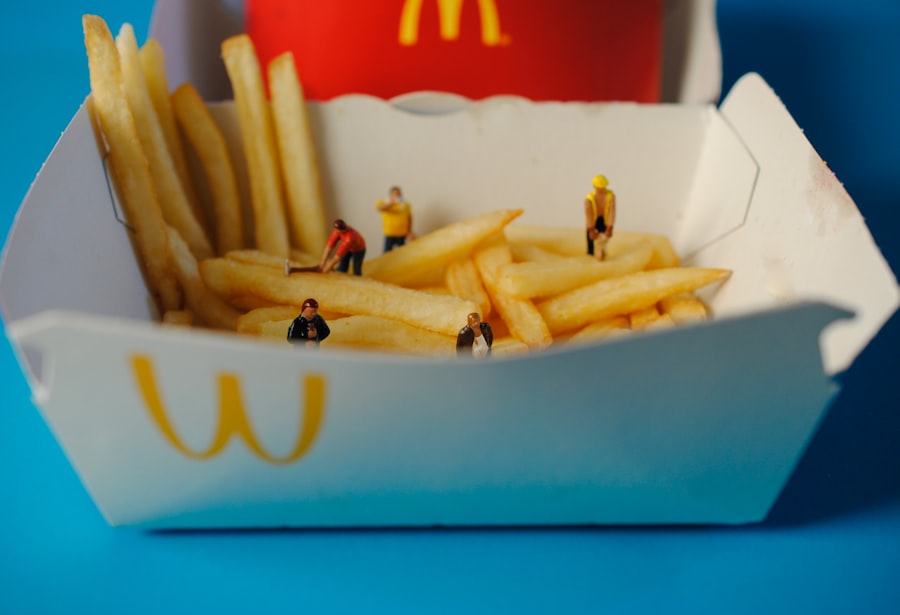
This is perhaps the most contentious and widely discussed aspect of fast-food automation. You, as a member of society, are naturally concerned about the impact on jobs and the future of work. The narrative is complex, moving beyond simple job displacement to encompass skill transformation and new employment opportunities.
Job Displacement in Traditional Roles
You cannot deny that certain roles are particularly vulnerable to automation. Tasks that are repetitive, predictable, and physically demanding are prime candidates for robotic replacement.
- Entry-Level and Repetitive Tasks: Roles such as fry cooks, order takers, and even some assembly positions are increasingly being performed by machines. While exact figures are still emerging, preliminary studies from the University of California, San Francisco estimate that between 5-10% of existing fast-food jobs in California could be directly substituted by automation within the next five to ten years,
- The “Hollowing Out” Effect: This phenomenon suggests that automation tends to impact middle-skill jobs, leading to a polarization of the workforce, with fewer traditional entry-level jobs and a greater demand for highly skilled or very low-skilled workers. You might see fewer people flipping burgers, but more people maintaining complex machinery.
Emergence of New Roles and Skill Demands
However, the narrative isn’t solely about loss. You’ll find that automation also creates new demands and new types of employment.
- Automation Technicians and Maintenance Specialists: Someone needs to install, calibrate, and repair these sophisticated machines. This creates a demand for workers with technical skills, often involving robotics, electronics, and software diagnostics. These are higher-skilled, often higher-paying jobs. Data indicates a projected 15-20% increase in demand for industrial automation technicians in California by 2030, directly influenced by the adoption of such technologies.
- Data Analysts and Algorithm Optimizers: The data generated by automated systems is invaluable. Someone needs to analyze this data to optimize operations, improve customer experience, and predict future trends. These roles require analytical skills and an understanding of artificial intelligence and machine learning. You won’t find these job titles on a classic fast-food organizational chart, but they are becoming increasingly integral to the industry’s success.
- Enhanced Customer Service Roles: As routine tasks are automated, human employees can be reallocated to roles requiring empathy, problem-solving, and personalized interaction. You might encounter fewer order takers, but more “guest experience specialists” who can handle complex requests or resolve issues. The focus shifts from transactional to relational.
Recent discussions around California’s fast food automation statistics have highlighted the growing trend of technological integration in the food service industry. As restaurants increasingly adopt automated systems to enhance efficiency and reduce labor costs, the implications for employment and customer experience are significant. For a deeper understanding of how these changes are impacting the economy, you can explore a related article that delves into the broader effects of automation on various sectors. This insightful piece can be found at How Wealth Grows, where it examines the intersection of technology and economic growth.
Regulatory Responses and Future Outlook
| Metric | Value | Year | Source |
|---|---|---|---|
| Percentage of Fast Food Chains Using Automation | 35% | 2023 | California Restaurant Association |
| Average Reduction in Labor Costs Due to Automation | 20% | 2023 | California Labor Market Report |
| Increase in Order Accuracy with Automation | 15% | 2022 | Fast Food Technology Journal |
| Number of Fast Food Outlets Implementing Self-Service Kiosks | 1,200 | 2023 | California Food Industry Survey |
| Customer Satisfaction Improvement Post-Automation | 12% | 2023 | Consumer Feedback Report |
| Percentage of Fast Food Jobs Replaced by Automation | 8% | 2023 | California Employment Statistics |
You’re a resident of California, a state known for its proactive regulatory environment. How is the state responding to this technological tidal wave, and what does the future hold for fast-food automation?
Legislative and Policy Interventions
The state is consciously grappling with the implications of automation, particularly concerning labor. You’ve seen, and will continue to see, legislative attempts to navigate this evolving landscape.
- FAST Act and Council: The recent establishment of the Fast Food Council (FAST Act) itself, while primarily focused on wage and working conditions, indirectly influences automation. The council’s ability to set future wage increases further incentivizes businesses to explore automation as a means of cost control. You’ll observe that any further significant wage mandates will likely accelerate automation adoption, as businesses seek to balance profitability with compliance.
- Potential for “Robot Taxes” or Retraining Initiatives: While not yet implemented in California, discussions around policies like a “robot tax” (a tax on automated systems to fund worker retraining or unemployment benefits) have surfaced in various jurisdictions. Such policies aim to mitigate the negative social impacts of automation. You might see future legislative proposals attempting to address the social safety net for displaced workers. The state has already invested in various workforce development programs aimed at upskilling and reskilling workers for the jobs of the future, though their direct impact on fast-food workers displaced by automation is yet to be fully measured.
The Horizon: What You Can Expect Next
You’re standing at the edge of a rapidly changing horizon. The current trends suggest an even more automated future for California’s fast food.
- Increased Sophistication of Robotics: You can anticipate even more advanced robotics capable of performing a wider array of culinary tasks, from intricate food preparation to complex meal assembly. The cost of these technologies will continue to decrease, making them accessible to a broader range of fast-food establishments, not just the mega-chains. Expect to see smaller, independent restaurants adopting scaled-down automation solutions.
- AI-Driven Personalization and Predictive Analytics: Imagine a fast-food experience where AI knows your preferences, suggests new items based on your past orders, and even anticipates peak demand to ensure your food is ready precisely when you arrive. You’ll witness more seamless, personalized experiences driven by sophisticated algorithms.
- The “Dark Kitchen” Phenomenon and Fully Automated Restaurants: The concept of “dark kitchens” – facilities focused solely on preparing food for delivery, often with extensive automation – is already taking root. You might also eventually see fully automated restaurants with minimal human staff, particularly in specific niches or at off-peak hours. These models optimize efficiency and minimize overheads to an unprecedented degree.
In conclusion, you are not merely an observer of California’s fast-food automation; you are an active participant, experiencing its effects as a consumer, and potentially, as a worker. The statistics paint a clear picture of a sector undergoing profound transformation, driven by economic pressures and technological advancement. This isn’t a dystopian vision, but a complex evolution, where the challenge lies in leveraging technology for efficiency while simultaneously nurturing a robust and adaptable workforce. As California continues to innovate, you will continue to witness the unfolding story of how technology reshapes one of the most fundamental aspects of modern life: the food you eat.
WATCH THIS! 🍔💰 California’s $20 Fast Food Wage: Big Paychecks or Big Layoffs?
FAQs
What is fast food automation?
Fast food automation refers to the use of technology and machines to perform tasks traditionally done by human workers in fast food restaurants. This includes automated cooking, order taking, payment processing, and food delivery systems.
How prevalent is fast food automation in California?
California has seen a significant increase in the adoption of fast food automation technologies, with many chains implementing self-service kiosks, robotic cooking equipment, and AI-driven order management systems to improve efficiency and reduce labor costs.
What types of automation are commonly used in California fast food restaurants?
Common automation technologies in California fast food establishments include self-order kiosks, automated fryers and grills, robotic food assembly, mobile ordering apps, and AI-powered drive-thru systems.
What are the benefits of fast food automation in California?
Automation in California fast food restaurants helps reduce wait times, improve order accuracy, lower labor costs, enhance customer experience, and maintain consistent food quality.
Are there any statistics on job impact due to fast food automation in California?
While automation can reduce the need for certain entry-level positions, it also creates new jobs in technology maintenance, programming, and customer service. Specific statistics vary, but studies indicate a gradual shift rather than immediate large-scale job losses.
How has customer behavior changed with the introduction of automation in California fast food?
Customers in California have increasingly embraced self-service kiosks and mobile ordering, leading to faster service and higher satisfaction rates. Many prefer the convenience and customization options provided by automated systems.
What challenges do fast food restaurants face when implementing automation in California?
Challenges include high initial investment costs, employee training, integration with existing systems, and addressing customer preferences for human interaction.
Is fast food automation expected to grow in California?
Yes, the trend toward automation in California’s fast food industry is expected to continue growing as technology advances and restaurants seek to improve efficiency and meet changing consumer demands.