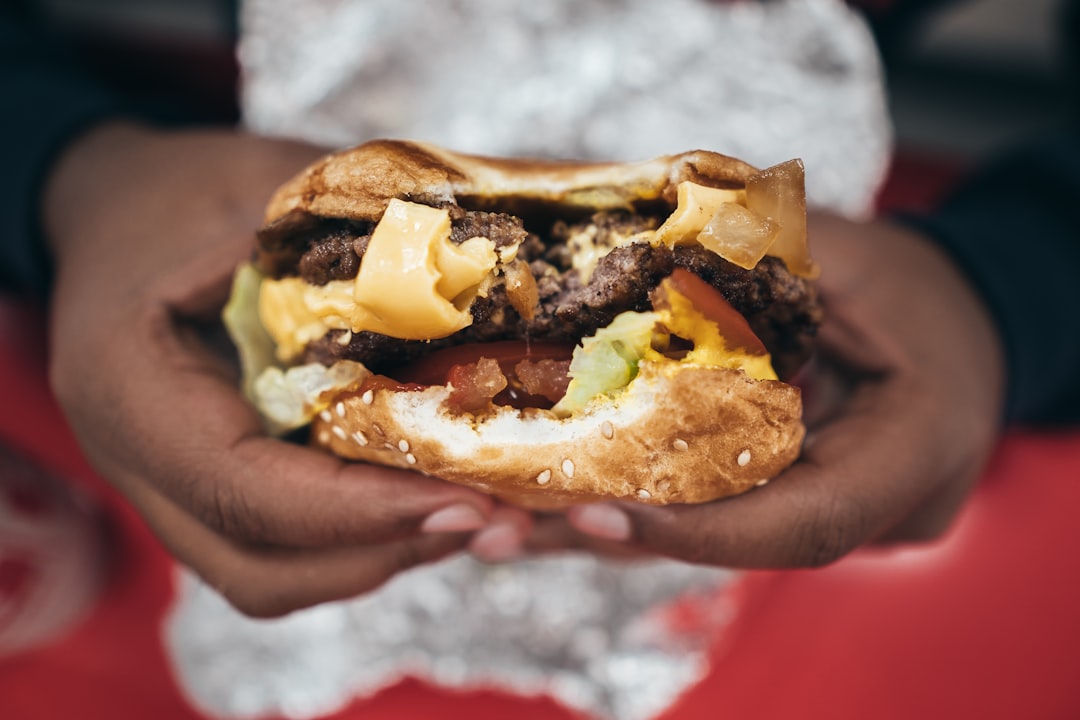
The fast-food industry, a sprawling behemoth built on efficiency and affordability, stands at a precipice. A new wage floor, poised to elevate hourly pay to $20 for many of its employees, is no mere ripple; it is a seismic event. This isn’t just a bump in the road; it’s a fundamental recalibration that will test the very foundations of your business model, from the front-line worker to the corporate boardroom. You, as an operator or a stakeholder in this industry, are facing a pivotal moment, a crossroad where traditional strategies will be scrutinized and innovation will be paramount.
This isn’t an isolated incident. The movement for higher minimum wages has been gaining momentum for years, fueled by concerns over living wages and income inequality. Now, it has arrived at your doorstep, demanding a direct and immediate response. The $20 wage isn’t just a number; it’s a direct increase in your largest controllable operating cost: labor. Learn more about the California fast food minimum wage law and its impact on workers and businesses.
Direct Labor Cost Surge
For many fast-food establishments, labor costs represent a significant portion of their operational expenses, often ranging from 25% to 35% of revenue. A move from, for example, a $15 minimum wage to $20 represents a 33% increase in base hourly pay. This is not simply absorbing an extra dollar; it’s a substantial jump that will reverberate through every P&L statement. You must consider not only the direct wage increase but also the associated costs, such as payroll taxes, workers’ compensation insurance, and potentially increased benefits contributions, all of which are typically tied to payroll.
The Ripple Effect: Beyond Hourly Employees
The impact extends beyond your lowest-paid employees. Consider your shift supervisors, assistant managers, and even some salaried positions. If a frontline worker now earns $20 an hour, what incentive do they have to take on the added responsibilities and stress of a supervisory role for marginally more pay? This phenomenon, often referred to as “wage compression,” will necessitate upward adjustments across the pay scale to maintain internal equity and incentivize career progression within your organization. Failing to address this will lead to morale problems and high turnover among your most experienced staff.
Consumer Spending and Price Sensitivity
The ultimate question is, who bears the burden of this increased cost? While some of it might be absorbed through increased efficiency, a significant portion is likely to be passed on to the consumer through price increases. You operate in a highly price-sensitive market. Fast food’s allure lies in its convenience and affordability. How much elasticity does your pricing have before you start to see a noticeable drop in demand? This is a delicate balancing act; too high, and you risk alienating your customer base; too low, and your margins evaporate.
The fast food industry has been under significant pressure to adapt to rising wage demands, particularly in light of recent discussions surrounding a $20 minimum wage. Many companies are exploring various strategies to manage labor costs while maintaining profitability. For a deeper understanding of how these changes are impacting the industry, you can read a related article that delves into the economic implications and responses from major fast food chains at How Wealth Grows.
Reimagining Operations: The Quest for Efficiency
The immediate instinct might be to resist, to lobby against the change. However, a more pragmatic and ultimately more successful approach will involve a comprehensive re-evaluation of your operational model. This is an opportunity, albeit a challenging one, to innovate and streamline processes that may have become complacent over time.
Automation and Robotics: The Unwavering Workforce
The allure of automation is not new to the fast-food industry, but the $20 wage provides an unprecedented impetus for accelerated adoption. Think beyond just automated order kiosks. Consider robotic fryers, burger flippers, and even beverage dispensers. These technologies, while requiring significant upfront investment, offer the promise of consistent quality, reduced waste, and a workforce that doesn’t demand benefits or wage increases. You are no longer just hiring for speed; you are now evaluating the cost-effectiveness of a human touch versus a mechanized solution.
Optimized Workflow and Lean Management
Even without advanced robotics, there are substantial gains to be made in optimizing your existing human workforce. This involves a rigorous application of lean management principles. Are your kitchen layouts truly efficient? Are unnecessary steps being taken in food preparation? Can tasks be consolidated or re-sequenced to reduce labor hours? This is about removing “waste” in every form – motion, waiting, over-processing, and defects. Every second saved translates directly into reduced labor cost at the new wage rate.
Menu Engineering and Ingredient Cost Control
Your menu is not just a list of offerings; it’s a strategic document. With increased labor costs, the profitability of each menu item becomes even more critical. You must analyze ingredient costs, preparation times, and selling prices for every product. Can certain items be simplified to reduce labor input? Can you negotiate better deals with your suppliers for key ingredients? This might involve a deeper dive into supply chain management, exploring new vendors, or even adjusting your menu to favor items with higher profit margins and lower labor intensity.
The Human Element: Navigating Employee Relations

While the economic implications are stark, the human aspect of this wage increase cannot be overlooked. For your employees, this represents a significant improvement in their quality of life. For you, it presents both challenges and opportunities in managing your workforce.
Employee Morale and Retention: A Double-Edged Sword
On one hand, a higher wage should theoretically lead to increased employee satisfaction, reduced turnover, and a more motivated workforce. Employees earning a living wage are less likely to seek additional employment, allowing for greater focus and reducing stress. This can translate into better customer service and higher productivity. However, the expectations of employees who now earn $20 an hour will also likely rise. They will expect improved working conditions, better training, and a greater sense of respect and value. You must deliver on these unspoken promises to fully capitalize on the positive aspects of increased pay.
Training and Upskilling: Investing in Your People
With higher wages comes a greater imperative to ensure your employees are highly productive and skilled. The days of simply hiring someone for basic order-taking and food assembly might be fading. You will need to invest in more comprehensive training programs, equipping your staff with a wider range of skills, from advanced food preparation techniques to technological proficiency in operating new automated systems. This isn’t just about making them more efficient; it’s about making them more valuable to your organization, justifying the higher labor cost.
Reshaping Staffing Models: Fewer, Better-Paid Employees
One unavoidable consequence for many will be a shift towards employing fewer, but more highly skilled and productive, individuals. This is a delicate balance. While it can lead to improved service quality and operational efficiency, it also means a smaller team to manage, potentially increasing the burden on individual employees. You will need to carefully consider optimal staffing levels, ensuring that your remaining workforce is not overstretched and can effectively handle peak demand. This might also necessitate a re-evaluation of full-time versus part-time roles, seeking greater flexibility in staffing.
The Competitive Landscape: Differentiating in a New Era

When everyone faces similar cost pressures, differentiation becomes even more crucial. You are no longer just competing on price as aggressively as before; you are competing on value, experience, and sometimes, even the perception of ethical employment practices.
Innovation in Service Delivery: Speed, Convenience, and Experience
The fast-food industry has always been about speed and convenience. With higher labor costs, those attributes become non-negotiable. You must find new ways to deliver even faster, even more conveniently. This could mean increased reliance on mobile ordering, drive-thru optimization, or even exploring new delivery models. The “experience” aspect also becomes more important. For the customer paying a higher price, a clean environment, friendly service, and accurate orders are no longer extras; they are fundamental expectations.
Brand Value Proposition: Beyond Just Food
Your brand’s story will become increasingly important. In a world where all fast-food chains are grappling with similar wage pressures, how do you stand out? This could involve emphasizing the quality of your ingredients, your commitment to sustainability, or even highlighting how you treat your employees. Some customers may be willing to pay a premium if they perceive a brand aligns with their values. This is an opportunity to move beyond purely transactional interactions and build deeper connections with your customer base.
Strategic Location and Foot Traffic Analysis
Real estate decisions, always critical, will take on renewed importance. Locations with high foot traffic and strong demographic suitability become even more valuable, as they offer the potential for higher sales volumes to offset increased labor costs. Conversely, marginal locations might become unsustainable. You will need to meticulously analyze sales data, demographic trends, and competitor presence to ensure your physical footprint is optimized for profitability in this new economic climate.
The fast food industry has been closely monitoring the recent discussions surrounding the proposed $20 minimum wage, which has sparked a significant reaction among restaurant owners and operators. Many are concerned about the potential increase in labor costs and how it might affect their pricing strategies and overall profitability. For a deeper understanding of the implications this wage increase could have on the industry, you can read a related article that explores various perspectives on this issue. The article provides insights into how businesses are preparing for these changes and the potential impact on consumers. To learn more, check out this informative piece.
The Road Ahead: Adaptation or Obsolescence
| Metric | Before Wage Increase | After Wage Increase | Change |
|---|---|---|---|
| Average Hourly Wage | 12 | 20 | +8 |
| Employee Turnover Rate (%) | 70 | 45 | -25 |
| Average Weekly Hours Worked | 35 | 30 | -5 |
| Menu Price Increase (%) | 0 | 10 | +10 |
| Number of Employees | 1000 | 850 | -150 |
| Customer Wait Time (minutes) | 5 | 7 | +2 |
| Profit Margin (%) | 8 | 5 | -3 |
The $20 wage is not an isolated event; it is emblematic of broader societal shifts and economic pressures. For the fast-food industry, it represents a definitive turning point. You can choose to view this as an insurmountable obstacle, or as a powerful catalyst for necessary transformation.
Agility and Strategic Planning: Your Survival Kit
The businesses that succeed in this new environment will be those that are agile, adaptable, and possess a robust strategic plan. This means constant monitoring of market conditions, a willingness to experiment with new technologies and operational models, and a commitment to continuous improvement. Complacency is no longer an option; it is a direct path to obsolescence. Think of this as a forced evolutionary jump. Those unwilling or unable to evolve will simply not survive.
Collaboration and Industry Engagement: Shared Challenges, Shared Solutions
While competitive pressures are inherent, there is also value in industry collaboration. Sharing best practices, jointly lobbying for supportive regulatory frameworks, and collectively investing in research and development for industry-wide solutions can mitigate some of the individual burdens. The challenges are significant enough that a degree of collective action can benefit all stakeholders. You are all navigating the same stormy seas, and understanding the collective impact can help you steer your own ship more effectively.
The New Fast Food Equation: Value, Efficiency, and People
Ultimately, the fast-food industry will emerge from this transformation, albeit in a potentially altered form. The new equation will demand a more sophisticated understanding of value – not just in terms of price, but in terms of the entire customer experience. It will require unprecedented levels of operational efficiency and a renewed focus on attracting, retaining, and developing a highly productive workforce. The $20 wage is not the end of fast food; it is simply the beginning of its next chapter. How you write your part of that chapter will determine your future. You are standing at a crossroads; your choices now will determine whether you lead the change or are swept away by it.
WATCH THIS! 🍔💰 California’s $20 Fast Food Wage: Big Paychecks or Big Layoffs?
FAQs
What is the $20 wage in the fast food industry?
The $20 wage refers to a proposed or implemented hourly pay rate of $20 for workers in the fast food industry, aimed at improving employee earnings and living standards.
How has the fast food industry reacted to the $20 wage proposal?
Reactions vary; some companies express concern about increased labor costs potentially leading to higher menu prices or reduced staffing, while others support the wage increase as a way to attract and retain workers.
Are there any fast food chains that have already implemented a $20 hourly wage?
As of now, a few fast food chains and franchises have announced plans or pilot programs to raise wages toward or above $20 per hour in select locations, but it is not yet widespread across the industry.
What impact could a $20 wage have on fast food prices?
Higher wages may lead to increased operational costs, which some businesses might offset by raising menu prices. However, the extent of price changes depends on various factors including company strategy and market competition.
How might a $20 wage affect employment in the fast food sector?
There is debate; some argue higher wages could reduce employment opportunities due to increased costs, while others believe it could improve worker retention and productivity, potentially benefiting the industry overall.
What are the arguments in favor of a $20 wage in fast food?
Supporters argue that a $20 wage helps reduce poverty, improves quality of life for workers, decreases employee turnover, and can stimulate economic growth through increased consumer spending.
What challenges do fast food businesses face with a $20 wage?
Challenges include managing higher labor expenses, adjusting pricing strategies, maintaining profitability, and potentially investing in automation to reduce reliance on labor.
Is the $20 wage a nationwide standard in the fast food industry?
No, the $20 wage is not a nationwide standard; wage levels vary by region, company, and local labor laws, with some areas having higher minimum wages than others.
How do labor unions view the $20 wage in fast food?
Labor unions generally support higher wages like the $20 rate as a means to improve worker rights, compensation, and working conditions in the fast food industry.
What role do government policies play in the $20 wage discussion?
Government policies, such as minimum wage laws and labor regulations, influence wage standards and can either mandate or encourage higher pay rates in the fast food sector.