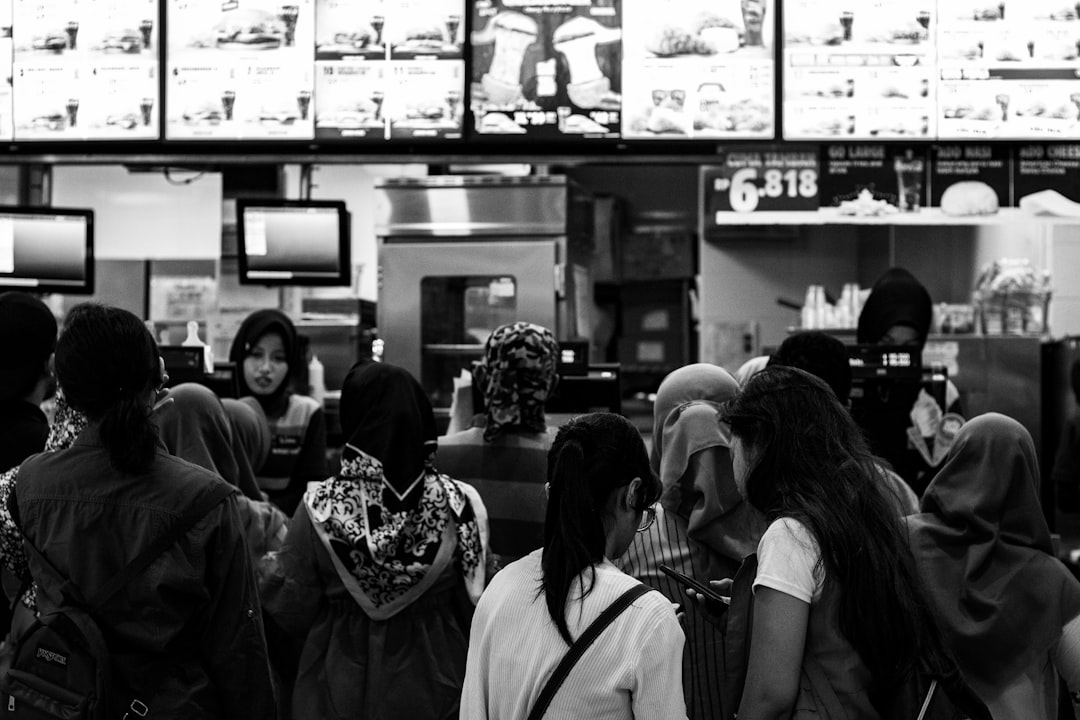
You’ve likely noticed it: the once reliably inexpensive comfort of your favorite fast-food meal now carries a steeper price tag. This isn’t an isolated incident, but a widespread phenomenon reflective of significant economic currents. As a consumer, you’re at the forefront of this shift, and your responses are shaping the industry’s future. This article delves into the multifaceted ways you, the consumer, are reacting to these price hikes, exploring the underlying causes, the observable behaviors, and the potential long-term implications for the fast-food landscape.
Before examining your responses, it’s crucial to understand the forces propelling these price increases. You might feel like you’re caught in a financial vise, and these macroeconomic pressures are indeed the tightening screws. Learn more about the California fast food minimum wage law and its impact on workers and businesses.
Inflationary Pressures
You’re well aware of inflation; it’s the invisible hand reaching into your wallet, snatching away purchasing power. For fast-food establishments, this manifests in several critical areas.
Rising Ingredient Costs
Imagine the vast logistical network required to supply a single fast-food chain. From beef and chicken to potatoes, flour, and even the oil for frying, the cost of these foundational ingredients has surged. Global supply chain disruptions, adverse weather events impacting agricultural yields, and increased demand in other sectors all conspire to inflate these prices. You’re effectively paying for the ripple effect of complex global market dynamics.
Labor Shortages and Wage Increases
The labor market is a battlefield, and fast-food companies are fighting for every employee. You’ve seen the “hiring now” signs, often accompanied by surprisingly competitive wage offers. Minimum wage increases, coupled with a tight labor market where workers have more leverage, compel companies to offer higher salaries and better benefits. These increased labor costs are then passed on to you, the consumer, as an unavoidable operational expense.
Supply Chain Disruptions and Transportation Costs
The pandemic laid bare the fragility of global supply chains. You’ve likely experienced delays and shortages in various retail sectors. For fast food, this translates to increased costs for everything from food packaging to cleaning supplies. Furthermore, the spiraling price of fuel directly impacts transportation costs, from the farm to the processing plant, and finally to your local restaurant. Every gallon of gasoline or diesel pushes up the price of your burger.
Operational Overhead Increases
Beyond raw materials and labor, other significant expenses contribute to the rising cost of your meal. You’re not just paying for the food; you’re paying for the entire infrastructure that delivers it to you.
Rent and Utilities
Commercial real estate isn’t getting any cheaper, especially in desirable locations. Fast-food restaurants operate on razor-thin margins, and rising rents can significantly eat into profits. Similarly, the cost of electricity, gas, and water – essential utilities for maintaining a functioning restaurant – has also seen substantial increments, adding another layer of financial burden that ultimately trickles down to your bill.
Technology Upgrades and Maintenance
You’ve probably noticed the increased prevalence of self-service kiosks, mobile ordering apps, and sophisticated point-of-sale systems. While these technologies aim to improve efficiency and customer experience, they represent substantial investments for fast-food chains. Development, implementation, and ongoing maintenance costs are considerable, and a portion of these expenditures is inevitably reflected in higher menu prices.
Recent studies have shown that consumer behavior tends to shift significantly following price increases in fast food, as many individuals reassess their spending habits and seek alternative dining options. For a deeper understanding of these dynamics and how they impact consumer choices, you can read a related article on this topic at How Wealth Grows. This article explores the psychological and economic factors that drive changes in consumer preferences in response to rising fast food prices.
Your Shifting Consumption Patterns
As prices climb, your purchasing behavior fundamentally changes. You’re not simply passive recipients of these economic shifts; you actively adapt, seeking ways to reconcile your desire for convenience and taste with your household budget.
Reduced Frequency of Visits
One of the most immediate and observable reactions is a decrease in how often you visit fast-food establishments. Your discretionary spending budget has its limits, and fast food, while convenient, often falls into this category.
Trading Down to Cheaper Alternatives
When faced with higher prices, you might opt for less expensive items on the menu, forsaking your usual premium burger for a more basic option, or skipping the combo meal in favor of just the main item. This “trading down” demonstrates a conscious effort to maintain some semblance of your fast-food habit without breaking the bank. You might also pivot to grocery store alternatives, choosing to prepare meals at home, which, while requiring more time and effort, offers significant cost savings.
Exploring Value Menus and Promotions
The allure of a good deal is powerful. You’re likely to meticulously scour menus for value deals, promotions, and limited-time offers. Fast-food companies, keenly aware of your price sensitivity, often introduce or re-emphasize “value menus” to try and retain your business. These can act as a crucial lifeline for both you and the restaurant during economically challenging times.
Brand Loyalty Under Pressure
Your loyalty, once a steadfast anchor for fast-food brands, is now being tested. When prices increase, your willingness to overlook perceived flaws or to pay a premium for a specific brand diminishes considerably.
Increased Price Sensitivity
You’re becoming a more discerning and price-conscious consumer. The convenience factor, while still important, now competes more fiercely with the cost. You might find yourself comparing prices across different chains, a behavior less common when prices were uniformly low. This heightened price sensitivity puts immense pressure on brands to justify their pricing or risk losing your business.
Switching to Competitors
If your preferred fast-food chain raises its prices beyond your comfort level, you’re more likely to explore alternatives. This could mean switching to a competitor offering similar fare at a lower price, or even foregoing fast food altogether in favor of more economical meal options. Your brand loyalty becomes elastic, stretching only so far before snapping.
The Search for Value

Value, to you, isn’t just about the lowest price; it’s about the perceived benefits relative to the cost. As prices rise, your definition of “value” becomes more stringent and multi-faceted.
Prioritizing Quality and Experience
If you’re going to pay more, you expect more. This isn’t an unreasonable request. You’re less tolerant of subpar food quality, slow service, or an unpleasant dining environment when the price point is higher.
Higher Expectations for Food Quality
When the cost of a burger approaches that of a sit-down restaurant meal, your expectations for that burger elevate dramatically. You expect fresher ingredients, better preparation, and a more satisfying culinary experience. Fast-food chains that fail to deliver on this promise risk alienating their previously loyal customer base.
Demand for Improved Customer Service and Ambiance
Similarly, you’re less forgiving of indifferent service or a cluttered dining area. If you’re paying a premium, you expect a smoother, more pleasant transaction. This might involve faster order fulfillment, more attentive staff, or a cleaner, more appealing dining environment. The overall “experience” becomes a more significant component of the perceived value proposition.
Embracing Alternative Meal Solutions
The rising cost of fast food can act as a catalyst, pushing you toward entirely different ways of acquiring and consuming meals.
Increased Home Cooking
For many, the most direct response to expensive takeout is to return to the kitchen. You’re exploring more recipes, investing in meal planning strategies, and finding new ways to make home-cooked meals both appealing and cost-effective. This shift represents a significant threat to the fast-food industry’s market share.
Growth of Meal Prep Services and Grocery Store Ready-Meals
You’re also looking for convenience in other forms. Meal kit delivery services, which offer pre-portioned ingredients and recipes, have seen a surge in popularity. Similarly, grocery stores have expanded their offerings of ready-to-eat and heat-and-eat meals, providing a convenient and often more affordable alternative to traditional fast food. These options cater to your desire for ease without the elevated price tag of a fast-food restaurant.
Industry Adjustments and Innovations

Your responses aren’t going unnoticed. Fast-food companies are acutely aware of your changing behaviors and are scrambling to adapt. They’re not just raising prices; they’re strategizing to retain you.
Menu Engineering and Optimization
The humble menu is a battleground, and companies are meticulously analyzing and redesigning it to appeal to your evolving preferences and budget constraints.
Shrinkflation and Downsizing Portions
You might have noticed this subtle, yet pervasive, tactic: the price remains the same (or even increases slightly), but the portion size decreases. This “shrinkflation” allows companies to maintain a perception of value while secretly passing on additional costs. It’s a sleight of hand, where you’re getting less product for your money, often without explicitly realizing it until you compare.
Introduction of Smaller, Cheaper Items
To combat the perception of high prices, some chains are introducing new, smaller, and more affordably priced items. These might be snack-sized versions of popular offerings or entirely new, budget-friendly additions designed to entice you back in for a quick bite without committing to a full, expensive meal.
Technological Integration for Efficiency
To offset rising labor and operational costs, companies are heavily investing in technology, hoping to streamline operations and ultimately stabilize prices for you.
Automation in Order Taking and Food Preparation
You’re seeing more self-service kiosks, mobile ordering, and even automated drink dispensers. Some restaurants are experimenting with robotic kitchen assistants for tasks like frying or flipping burgers. These technologies aim to reduce reliance on human labor, thereby cutting down on wage-related expenses. While improving efficiency, they sometimes come at the cost of human interaction.
Delivery Service Optimization
The rise of third-party delivery apps has brought both convenience and additional costs. Fast-food chains are now working to optimize their delivery operations, either by investing in their own delivery fleets or negotiating better terms with delivery platforms, all in an effort to provide you with a more affordable and efficient delivery experience.
Recent studies have shown that consumer behavior can significantly shift in response to fast food price increases, leading to a decline in sales for major chains. This phenomenon is often explored in various articles, including one that discusses the broader implications of price sensitivity among consumers. For a deeper understanding of these dynamics, you can read more about it in this insightful article on consumer trends and economic factors affecting fast food choices. If you’re interested, check out the article here.
Long-Term Implications and the Future Landscape
| Metric | Before Price Increase | After Price Increase | Change (%) |
|---|---|---|---|
| Average Weekly Visits to Fast Food Restaurants | 3.5 | 2.8 | -20 |
| Average Spend per Visit | 8.50 | 9.75 | 14.7 |
| Frequency of Home Cooking | 2 times/week | 3.1 times/week | 55 |
| Percentage of Consumers Switching to Healthier Options | 15% | 25% | 66.7 |
| Use of Discount Coupons or Promotions | 30% | 45% | 50 |
| Consumer Satisfaction Rating (out of 10) | 7.2 | 6.5 | -9.7 |
Your current responses are not just fleeting reactions; they are shaping the very foundation of the fast-food industry for years to come. The landscape is undergoing a profound transformation.
Redefinition of “Fast Food”
The traditional image of fast food – cheap, quick, and universally accessible – is being challenged. As prices climb, the distinction between fast food, fast casual, and even casual dining blurs.
Blurred Lines Between Fast Food and Fast Casual
You might find yourself questioning the cost-benefit analysis between a premium fast-food meal and a meal at a fast-casual restaurant that offers higher quality ingredients and a more curated experience for a similar price. This blurring of categories forces fast-food chains to either elevate their offerings or risk being outmaneuvered.
Emphasis on Quality, Health, and Sustainability
As you pay more, you also expect more in terms of ethical sourcing, healthier options, and sustainable practices. Fast-food companies are responding by adding more plant-based options, emphasizing ingredient transparency, and promoting their sustainability initiatives. This shift moves fast food away from its purely utilitarian roots towards a more conscious consumption model.
Evolution of Business Models
The fundamental way fast-food companies operate is undergoing a metamorphosis to survive and thrive in this new economic reality.
Franchisee Adaptations and Challenges
For individual franchisees, escalating costs and price-sensitive consumers present significant challenges. You might see some struggling to maintain profitability, leading to store closures or changes in ownership. Others might adapt by aggressively pursuing cost-saving measures or by differentiating their offerings locally.
Diversification and New Revenue Streams
To counteract reliance on traditional menu sales, fast-food companies are exploring new revenue streams. This could include licensing their products for grocery store sales, expanding into merchandise, or even offering catering services. They’re looking for every avenue to supplement their income and maintain profitability in a volatile market.
In conclusion, you, the fast-food consumer, are at the epicenter of a dynamic and challenging economic environment. Your reactions to price hikes – from reducing visits and seeking value to redefining your expectations – are forcing a profound evolution within the fast-food industry. As ingredient costs, labor expenses, and operational overheads continue their relentless climb, fast-food chains face a stark choice: maintain their traditional low-cost model at the risk of profitability, or adapt by elevating their value proposition, innovating their menus, and embracing new technologies. The future of your quick, convenient meal hinges on this delicate balance, and your choices will ultimately determine which brands flourish and which fade into obscurity.
WATCH THIS! 🍔💰 California’s $20 Fast Food Wage: Big Paychecks or Big Layoffs?
FAQs
What is consumer behavior in the context of fast food price increases?
Consumer behavior refers to the patterns and decision-making processes of individuals when purchasing fast food, especially how they respond to changes in prices such as increases.
How do price increases typically affect fast food consumption?
Price increases often lead to a decrease in fast food consumption as some consumers may seek cheaper alternatives, reduce the frequency of their purchases, or switch to home-cooked meals.
Are all consumers equally affected by fast food price increases?
No, the impact varies based on factors such as income level, price sensitivity, brand loyalty, and availability of substitutes. Lower-income consumers tend to be more sensitive to price changes.
Do consumers switch to other food options when fast food prices rise?
Yes, many consumers may switch to other food options such as grocery store meals, cooking at home, or choosing less expensive fast food outlets.
Can fast food companies maintain sales despite price increases?
Fast food companies can sometimes maintain sales by offering promotions, value meals, or improving perceived value, but significant price hikes may still reduce overall demand.
What role does brand loyalty play in consumer behavior after price increases?
Brand loyalty can mitigate the impact of price increases, as loyal customers may continue purchasing despite higher prices, valuing the brand experience or product quality.
How do fast food price increases impact consumer spending habits?
Consumers may adjust their spending by reducing the frequency of fast food purchases, opting for smaller portion sizes, or reallocating their food budget to other categories.
Are there any long-term effects of fast food price increases on consumer behavior?
Long-term effects can include lasting changes in eating habits, such as increased home cooking or preference for healthier or more affordable food options, depending on the duration and magnitude of price changes.
Do fast food price increases influence consumer perceptions of value?
Yes, price increases can alter perceptions of value, leading consumers to reassess whether the cost aligns with the quality and convenience offered by fast food.
How do economic conditions affect consumer responses to fast food price increases?
During economic downturns or periods of inflation, consumers are generally more price-sensitive and likely to reduce fast food consumption when prices rise, whereas in stronger economies, the impact may be less pronounced.