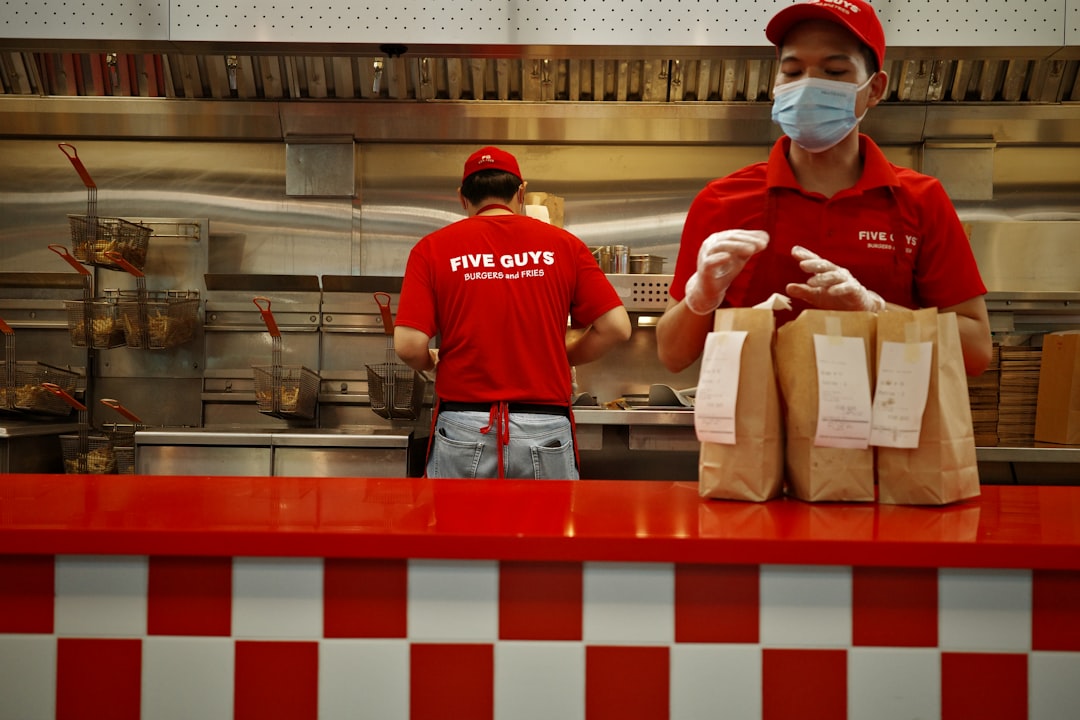
You’ve likely experienced the relentless pressure of labor costs in the fast-food industry. Margins are often razor-thin, and a misstep in managing your workforce can quickly erode profitability. This article will equip you with a comprehensive understanding of effective labor cost control strategies, treating your operation like a precisely tuned machine where every gear and lever impacts overall efficiency.
Before diving into solutions, it’s crucial to grasp the multifaceted nature of fast food labor costs. It’s more than just hourly wages; it encompasses a variety of direct and indirect expenses that collectively impact your bottom line. Think of it as a complex ecosystem where each element contributes to the overall ‘climate’ of your financial health. Learn more about the California fast food minimum wage law and its impact on workers and businesses.
Direct Labor Costs: The Visible Expenditure
Your direct labor costs are the most apparent expenditures. These are the wages paid directly to your employees for their time spent working. However, even within this seemingly straightforward category, nuances exist that demand careful consideration.
- Hourly Wages: The foundational component, varying by position, skill level, and local minimum wage laws. You must constantly monitor these rates against industry benchmarks and competitor offerings to attract and retain talent without overspending.
- Overtime Pay: A common pitfall in busy fast-food environments. Overtime, while sometimes necessary, significantly inflates labor costs due to premium pay rates. It’s like a financial penalty for inefficient scheduling.
- Commissions and Bonuses: Though less prevalent in traditional fast food, some roles might include performance-based incentives. These, while potentially motivating, must be carefully structured to ensure a positive return on investment.
- Shift Differentials: Payments for undesirable shifts (e.g., overnight, weekends) can add unexpected layers to your labor budget if not accounted for during scheduling.
Indirect Labor Costs: The Hidden Drain
Often overlooked, indirect labor costs can silently siphon away your profits. These are the expenses associated with employing staff that don’t directly correlate with hours worked but are nonetheless critical. Consider these as the subterranean rivers that, while unseen, significantly contribute to the overall water table.
- Payroll Taxes: These are mandatory contributions to governmental programs such as Social Security, Medicare, and unemployment insurance. They are a non-negotiable expense tied directly to your overall wage bill.
- Employee Benefits: Health insurance, paid time off, retirement plans, and other perks represent substantial indirect costs. While vital for employee satisfaction and retention, they must be budgeted and managed diligently.
- Workers’ Compensation Insurance: A legal requirement in most places, protecting both your employees and your business in case of work-related injuries. Premiums are often tied to your industry and claims history.
- Training and Development: The expense of onboarding new employees, providing ongoing training, and investing in skill development. While a long-term investment, it’s a short-term cost.
- Uniforms and Supplies: The cost of providing uniforms, safety equipment, and other necessary gear for your staff.
- Recruitment Costs: Expenses associated with advertising job openings, conducting interviews, and performing background checks. High turnover rates can significantly escalate these costs.
In the ever-evolving landscape of the fast food industry, effective labor cost control strategies are crucial for maintaining profitability and operational efficiency. A related article that delves into various approaches to managing labor costs in the fast food sector can be found at How Wealth Grows. This resource provides insights into innovative practices and technologies that can help fast food businesses streamline their workforce management while ensuring high levels of service and customer satisfaction.
Strategic Workforce Planning and Scheduling
Effective labor cost control begins long before an employee punches in. It necessitates a proactive and data-driven approach to workforce planning and scheduling. Think of this as sculpting your clay before it enters the kiln; the initial form dictates the final product’s integrity.
Forecasting Demand Accurately
The cornerstone of efficient scheduling is accurate demand forecasting. You wouldn’t navigate a ship without a map; similarly, you shouldn’t schedule staff without understanding future customer flow.
- Historical Sales Data Analysis: Examine past sales trends by hour, day, week, and season. Identify recurring patterns, peak periods, and slow times. This data is your compass.
- Event and Holiday Impact: Anticipate the influence of local events, holidays, and school schedules on customer volume. A major sporting event or a bank holiday can significantly alter your staffing needs.
- Promotional Activities: Plan for increased demand following marketing campaigns, discounts, or new menu item launches. These are artificial stimuli that require careful consideration.
- Weather Conditions: Understand how weather affects your customer traffic. A sudden downpour might deter walk-in customers, while a heatwave could boost beverage sales.
Optimizing Staffing Levels
Once you have a clear picture of demand, you can optimize your staffing levels, ensuring you have neither too many nor too few hands on deck. This is about finding the Goldilocks zone for your workforce.
- Labor Budgeting: Establish a clear labor budget as a percentage of projected sales. This acts as your financial guardian, setting boundaries for spending.
- Staff-to-Customer Ratios: Determine ideal staff-to-customer ratios for various peak and off-peak periods. This helps you quantify your staffing needs.
- Skill-Based Scheduling: Assign employees to shifts based on their competencies. Ensure you have the right mix of experienced staff and new hires in place at all times.
- Cross-Training: Train employees in multiple roles (e.g., cashier, sandwich prep, drive-thru). This provides invaluable flexibility, allowing you to reallocate resources quickly during unexpected rushes or staff absences. It makes your workforce more adaptable, like a multi-tool.
- Minimum Staffing Requirements: Understand the absolute minimum number of employees required to operate your establishment safely and efficiently, even during very slow periods.
Leveraging Technology for Efficiency
Modern technology offers powerful tools to refine your labor cost control strategies. Ignoring these advancements is akin to still using an abacus when calculators are readily available – you’re simply working harder, not smarter.
Workforce Management Systems (WFM)
WFM systems are comprehensive software solutions designed to streamline various aspects of labor management.
- Automated Scheduling: WFM systems can generate schedules based on forecasted demand, employee availability, and labor budget constraints, minimizing human error and saving significant managerial time.
- Time and Attendance Tracking: Digital clock-in/clock-out systems eliminate manual timesheets, reduce “time theft,” and provide real-time data on employee hours.
- Labor Cost Reporting: Generate detailed reports on labor costs by department, shift, or employee, offering granular insights into spending patterns.
- Compliance Management: Ensure adherence to labor laws, such as break requirements and overtime regulations, reducing the risk of costly penalties.
Point-of-Sale (POS) Integration
Your POS system is a treasure trove of data that, when integrated with your WFM, can paint a vivid picture of your operational efficiency.
- Real-time Demand Data: Directly feed sales data from your POS into your WFM for immediate adjustments to staffing or forecasting models.
- Employee Performance Metrics: Track sales per labor hour, average transaction times, and other key performance indicators (KPIs) to identify areas for improvement and recognize high performers.
- Reduced Administrative Burden: Automate data transfer between systems, freeing up management time for more strategic tasks.
Optimizing Productivity and Performance

Even with perfect scheduling and cutting-edge technology, your labor costs can balloon if your employees aren’t productive. Enhancing productivity is about getting more output from the same input, effectively stretching your labor dollar further. Imagine it as fine-tuning your engine for maximum horsepower.
Employee Training and Development
A well-trained employee is a productive employee. Investment in training is not an expense but an asset.
- Standardized Training Programs: Implement clear, concise, and consistent training programs for all positions. This ensures all employees operate at a similar, high standard.
- Continuous Skill Enhancement: Offer ongoing training to refresh skills, introduce new menu items, or teach new technologies. Stagnation is the enemy of productivity.
- Performance Feedback: Provide regular, constructive feedback to employees, highlighting areas of strength and opportunities for improvement. This helps drive individual performance.
- Productivity Metrics: Track Key Performance Indicators (KPIs) like orders per hour, average service time, and waste reduction to measure the impact of training and identify individual or team performance gaps.
Efficient Workflow Design
The physical layout and operational procedures of your fast-food establishment significantly impact employee productivity. A poorly designed workflow is like trying to navigate a maze blindfolded.
- Ergonomics and Layout: Optimize your kitchen and counter layouts to minimize unnecessary movement and maximize efficiency. Tools and ingredients should be readily accessible.
- Standard Operating Procedures (SOPs): Document clear, step-by-step SOPs for every task, from food preparation to cleaning. This ensures consistent quality and efficiency across shifts and employees.
- Streamlined Processes: Regularly review and refine your operational processes. Identify bottlenecks, eliminate redundant steps, and seek out opportunities for simplification.
- Equipment Maintenance: Ensure all equipment is regularly serviced and in good working order. Breakdown time is productivity loss.
In the ever-evolving landscape of the fast food industry, effective labor cost control strategies are essential for maintaining profitability and competitiveness. A recent article discusses various approaches that businesses can adopt to optimize their workforce while minimizing expenses. For those interested in exploring this topic further, you can read more about these innovative strategies in this insightful piece on labor cost management. Understanding these tactics can provide valuable insights for fast food operators looking to enhance their operational efficiency.
Cultivating a Positive Work Environment and Retention
| Strategy | Description | Key Metrics | Target Range | Impact on Labor Cost |
|---|---|---|---|---|
| Optimized Scheduling | Align staff shifts with peak and off-peak hours to reduce idle time | Labor hours per sales hour | 0.15 – 0.25 | Reduces unnecessary labor expenses |
| Cross-Training Employees | Train employees to perform multiple roles to increase flexibility | Employee utilization rate | 80% – 95% | Improves productivity and reduces overtime |
| Use of Labor Management Software | Implement software to forecast labor needs and track hours | Forecast accuracy (%) | 90%+ | Minimizes overstaffing and understaffing |
| Incentive Programs | Offer bonuses or rewards for meeting labor efficiency goals | Labor cost as % of sales | 20% – 25% | Encourages employee productivity |
| Automating Repetitive Tasks | Use technology to reduce manual labor (e.g., self-order kiosks) | Labor hours saved per week | Varies by location | Decreases labor requirements |
High employee turnover is a hidden labor cost monster. Every time an employee leaves, you incur recruitment costs, training costs, and a temporary dip in productivity. Retention is not just about being “nice”; it’s a cold, hard financial imperative. Think of it as plugging leaks in your financial bucket.
Employee Engagement and Satisfaction
Happy employees are generally more productive, customer-focused, and loyal.
- Fair Compensation and Benefits: While cost control is crucial, offering competitive wages and a reasonable benefits package is essential for attracting and retaining talent. You get what you pay for.
- Recognition and Rewards: Acknowledge and reward strong performance. This can be through verbal praise, employee-of-the-month programs, or small bonuses. Recognition is a powerful motivator.
- Opportunities for Advancement: Provide clear pathways for career growth. Employees are more likely to stay if they see a future with your company.
- Work-Life Balance: Where possible, offer flexible scheduling, predictable hours, and respect for personal time. This is increasingly important for employee well-being.
- Managerial Effectiveness: Your managers are the frontline leaders. Ensure they are well-trained in leadership, communication, and conflict resolution. A bad manager is a prime driver of turnover.
Reducing Turnover Rates
Directly addressing the factors that lead to employees leaving can significantly slash your labor costs.
- Exit Interviews: Conduct thorough exit interviews to understand the true reasons behind employee departures. This data is invaluable for identifying systemic issues.
- Onboarding Programs: Implement robust onboarding programs that integrate new hires smoothly into the team and culture. A strong start can lead to long-term commitment.
- Feedback Mechanisms: Create channels for employees to provide feedback, voice concerns, and suggest improvements. Address these issues proactively.
- Culture of Respect and Teamwork: Foster an environment where employees feel valued, respected, and part of a cohesive team. A positive culture is a powerful retention tool.
By implementing these strategies, you are not simply cutting corners; you are building a resilient, efficient, and profitable fast-food operation. The journey of labor cost control is continuous, requiring vigilance, adaptability, and a commitment to both your financial health and the well-being of your most valuable asset: your people.
WATCH THIS! 🍔💰 California’s $20 Fast Food Wage: Big Paychecks or Big Layoffs?
FAQs
What are common labor cost control strategies in the fast food industry?
Common strategies include optimizing employee scheduling, cross-training staff to perform multiple roles, using labor management software, monitoring labor productivity, and reducing overtime hours.
How does employee scheduling impact labor costs in fast food restaurants?
Effective scheduling ensures that the right number of employees are working during peak and off-peak hours, minimizing overstaffing and understaffing, which helps control labor expenses.
What role does cross-training play in controlling labor costs?
Cross-training allows employees to handle various tasks, increasing workforce flexibility and reducing the need to hire additional staff, thereby lowering labor costs.
Can technology help reduce labor costs in fast food operations?
Yes, labor management software and scheduling tools can automate shift planning, track employee hours, and analyze labor data to improve efficiency and reduce unnecessary labor expenses.
Why is monitoring labor productivity important for cost control?
Tracking productivity helps identify inefficiencies, allowing managers to make informed decisions about staffing levels and employee performance, which can lead to cost savings.
How does controlling overtime affect labor costs?
Limiting overtime reduces higher wage expenses and helps maintain labor budgets, as overtime pay is typically more costly than regular hours.
Are there any legal considerations when implementing labor cost control strategies?
Yes, fast food businesses must comply with labor laws regarding minimum wage, overtime, breaks, and working hours to avoid legal penalties while managing labor costs.
What impact does employee turnover have on labor costs?
High turnover increases recruitment, training, and onboarding expenses, so strategies that improve employee retention can help control overall labor costs.
How can fast food restaurants balance labor cost control with maintaining service quality?
By carefully analyzing customer demand, investing in employee training, and using efficient scheduling, restaurants can control labor costs without compromising service standards.