
You’re standing at a crossroads, aren’t you? One path promises a higher minimum wage for fast-food workers – a gleaming $20 an hour. The other, shrouded in economic models and projections, whispers of unintended consequences. This isn’t just about a number; it’s about the very fabric of your local economy, the price of your morning coffee, and the jobs of people you see every day. Let’s unravel the threads of this economic reality, presenting you with the facts so you can form your own well-informed perspective.
You might be wondering where this notion of a $20 fast food wage even began. It’s not an arbitrary figure plucked from the ether; rather, it’s often the result of sustained advocacy and legislative efforts, primarily at the state or local level. Think of it as a response to a perceived societal imbalance, a policy lever pulled to address concerns about a living wage and income inequality. You can learn more about the California fast food minimum wage law in this informative video.
Historical Context of Wage Debates
You should understand that debates over minimum wage are as old as industrialization itself. From the early 20th century movements for fair labor practices to the current discussions about a $15 or $20 minimum, the pendulum of economic thought has swung between prioritizing workers’ welfare and safeguarding business solvency. Each era has grappled with the question: what constitutes a fair day’s pay for a fair day’s work? The rise of the service economy, particularly the prominence of fast food as a major employer, has brought this debate into sharper focus for you and your community.
Key Legislation and Advocacy Efforts
Consider the landscape: various states, like California, have enacted legislation specifically targeting fast-food worker wages. These aren’t isolated incidents. They are often the culmination of persistent lobbying by labor unions, worker advocacy groups, and social justice organizations. Their arguments are compelling: that current wages are insufficient to cover basic living expenses, forcing many full-time employees into poverty despite their efforts. For you, this means understanding that these policy shifts are not spontaneous but are the product of deliberate and often arduous campaigns.
The discussion surrounding the economic reality of a $20 fast food wage has gained significant traction, especially in light of recent studies examining its potential impacts on the industry and the broader economy. For a deeper understanding of this topic, you can explore a related article that delves into the implications of wage increases in the fast food sector and how they affect both workers and businesses. To read more, visit this article.
The Economic Impact on Businesses: A Tightening Squeeze
Now, let’s turn our attention to the businesses themselves – the fast-food restaurants that dot your landscape. For them, a $20 hourly wage isn’t just a payroll adjustment; it’s a seismic shift, a direct and immediate impact on their operational costs. Imagine your own household budget suddenly needing to accommodate a significant, unforeseen expense; that’s the kind of pressure these businesses are facing.
Increased Labor Costs and Operating Margins
You know that labor is often the largest variable cost for any service-oriented business. For fast-food restaurants, where the profit margins are typically razor-thin – often in the low single digits – a sudden 30-50% increase in wages (from a previous $12-$15 range) can be catastrophic. It’s like trying to fit a square peg into a round hole; the existing financial model simply isn’t designed for such an abrupt change. You, as a consumer, might not immediately perceive this internal budgetary struggle, but it’s happening behind the scenes.
Potential Business Responses: Automation, Price Hikes, and Workforce Reduction
So, what are businesses doing in response? You’re likely to see a multi-pronged approach.
Automation Adoption
This is perhaps the most visible and often discussed response. When the cost of human labor rises significantly, the economic calculus for investing in automation shifts. Self-service kiosks, robotic fryers, and automated beverage dispensers become more financially attractive. Think of it as a logical, albeit sometimes unsettling, business decision. For you, this might mean fewer human interactions at the counter, replaced by touchscreens and digital prompts.
Menu Price Adjustments
Another inevitable consequence you’ll observe is an increase in menu prices. Businesses ultimately need to cover their costs to remain viable. If labor expenses rise, and they cannot completely offset this with automation or efficiency gains, a portion of that cost will be passed on to you, the consumer. Your favorite burger or milkshake might cost a dollar or two more. This isn’t gouging; it’s a necessary recalibration to maintain solvency.
Workforce Restructuring and Job Losses
This is perhaps the most somber potential outcome. When faced with significantly higher labor costs, businesses may be forced to reduce staff hours, freeze hiring, or, in some cases, lay off employees. They might consolidate roles or operate with leaner teams. For you, this means recognizing that while existing employees might see a wage increase, others might find it harder to secure employment in the sector, or even lose their current positions. It’s a bittersweet pill for the labor market.
Franchisee Vulnerability
You should also consider the particular vulnerability of franchisees. Many fast-food establishments are not corporate-owned but are operated by independent franchisees. These individuals often have limited capital and are already operating on very tight margins. A mandated wage increase can place immense financial pressure on them, raising the specter of business closures or selling their franchises. This directly impacts local entrepreneurship and small business ownership in your community.
The Impact on Workers: A Double-Edged Sword
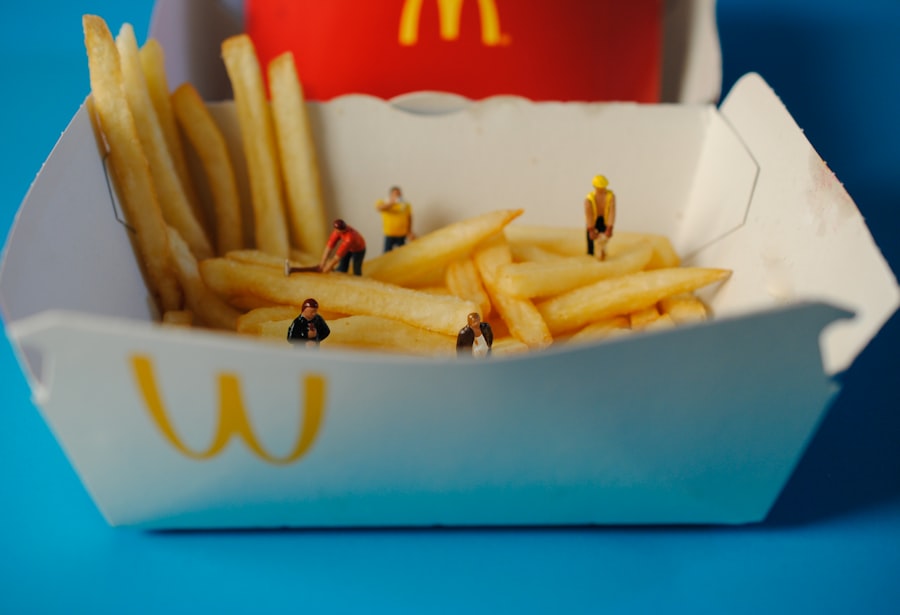
For the very individuals the $20 fast food wage is intended to help, the reality can be complex, a tapestry woven with both brighter threads and darker hues. It’s not a uniformly positive or negative outcome; rather, it’s a spectrum of experiences.
Increased Earnings and Improved Living Standards for Current Employees
For those who retain their jobs and see their wages jump to $20 an hour, the benefits are undeniable. Imagine the relief: the ability to pay rent without constant anxiety, to afford groceries without sacrificing other necessities, or to save for a down payment or college. This represents a tangible improvement in living standards, a step closer to economic stability. You can easily empathize with the profound positive impact this has on an individual and their family.
Challenges of Reduced Hours and Job Opportunities
However, this boon for some can come at a cost for others. As businesses seek to offset increased labor expenses, they might reduce the total number of hours available to employees. A worker earning $20 an hour for 20 hours a week might end up with a lower total weekly income than they previously earned at $15 an hour for 30 hours. This is a critical nuance you must consider. Furthermore, for new entrants to the job market or those seeking to re-enter, job opportunities in the fast-food sector might become scarcer. Employers, facing higher per-employee costs, become more selective in their hiring, effectively raising the bar for entry-level positions. This creates a barrier for those who traditionally rely on such jobs as a stepping stone.
Skill Requirements and Performance Expectations
You should also anticipate a shift in employer expectations. When paying $20 an hour, businesses will naturally demand a higher level of productivity, efficiency, and skill from their employees. Entry-level positions may no longer be quite so “entry-level” in practice. Training requirements could increase, and performance reviews might become more rigorous. For existing employees, this could mean pressure to constantly improve; for potential new hires, it means facing a more competitive and demanding job market.
The Broader Economic Ripple Effect: A Stone in a Pond

A $20 fast food wage isn’t confined to the walls of a single restaurant; it sends ripples across your entire local economy, affecting consumers, other businesses, and even the very fabric of local commerce. It’s like dropping a stone into a still pond – the concentric circles spread far beyond the initial splash.
Impact on Consumer Spending and Inflation
When fast-food prices rise, as discussed earlier, you, the consumer, feel the pinch. This isn’t just about your occasional burger; it contributes to broader inflationary pressures for staple goods and services. If you’re spending more on fast food, you might have less discretionary income for other purchases, potentially impacting other retail sectors. The “cost of living” effectively increases, even for those not directly employed in the fast-food industry.
Spillover Effects on Other Industries and Businesses
Consider the adjacent industries. If fast-food workers are now earning $20 an hour, what about the barista at your local coffee shop, the cashier at the grocery store, or the cleaner in your office building? You might see pressure for wages to rise in these sectors as well, as other employers compete for labor or face demands for comparable pay. This “wage compression” can lead to broader wage inflation across the service sector. While potentially beneficial for some workers, it can also lead to more widespread price increases as businesses in these sectors pass on their elevated costs.
Local Economic Dynamics: Winners and Losers
No economic policy creates only winners. In your local economy, some businesses might thrive, while others struggle. Businesses that can easily absorb increased labor costs or automate might fare better. Those heavily reliant on manual labor and operating with tight margins might face significant challenges, potentially leading to closures or reduced investment in the community. You should consider whether the net effect fosters economic growth or stifles it in your specific locality.
Government Revenue and Social Safety Nets
You should also contemplate the impact on government revenue. Higher wages, even if associated with fewer jobs, generally lead to increased tax revenues (income tax, payroll tax) for local and state governments. This additional revenue could theoretically be channeled into public services or infrastructure. Conversely, if job losses are significant, the demand on social safety nets (unemployment benefits, food assistance) might increase, offsetting some of the revenue gains. It’s a complex balancing act.
The ongoing debate about the economic reality of a $20 fast food wage has sparked discussions on various platforms, highlighting the potential impacts on both workers and businesses. For a deeper understanding of how wage increases can influence economic growth and wealth distribution, you can explore a related article that provides insights into these dynamics. This article examines the broader implications of wage adjustments in the fast food industry and beyond, shedding light on the complexities of labor economics. To read more, visit this insightful piece.
Navigating the Future: Adaptations and Policy Considerations
| Metric | Value | Notes |
|---|---|---|
| Hourly Wage | 20 | Proposed fast food wage per hour |
| Weekly Hours Worked | 40 | Standard full-time hours |
| Weekly Income | 800 | Hourly wage multiplied by hours worked |
| Monthly Income | 3,467 | Weekly income multiplied by 52 weeks divided by 12 months |
| Annual Income | 41,600 | Hourly wage multiplied by 2080 hours (40 hours x 52 weeks) |
| Average Rent (1-bedroom apartment) | 1,200 | National average monthly rent |
| Monthly Food Expenses | 300 | Estimated average for a single adult |
| Transportation Costs | 150 | Monthly average for public transit or fuel |
| Healthcare Costs | 200 | Estimated monthly insurance and out-of-pocket expenses |
| Disposable Income | 1,617 | Monthly income minus rent, food, transportation, and healthcare |
| Minimum Wage Comparison | 7.25 | Federal minimum wage for comparison |
| Employment Impact | -5% | Estimated potential job reduction due to wage increase |
You’re now equipped with a deeper understanding of the multifaceted economic reality of a $20 fast food wage. The ultimate success or failure of such a policy often hinges on the ability of businesses, workers, and policymakers to adapt. This isn’t a static environment; it’s a dynamic interplay of forces.
The Role of Technological Advancement
Technology will continue to play a pivotal role. The pace of automation, the development of artificial intelligence for customer service, and innovations in food preparation will all influence how fast-food businesses operate and how many employees they need. Your perspective should include the continuous evolution of technological capabilities.
Policy Refinements and Support Systems
Policymakers aren’t static either. As the effects of a $20 wage become clearer, you might see adjustments in policy. This could include targeted tax credits for small businesses, training programs to upskill workers for more advanced roles (potentially in automated environments), or flexible scheduling regulations. The goal, ideally, is to mitigate negative consequences while preserving the intended benefits.
The Long-Term Economic Outlook
Ultimately, predicting the long-term economic outlook is akin to forecasting the weather – it involves variables that are constantly shifting. You must weigh the immediate benefits for some against the potential for job displacement, price inflation, and altered economic structures. The trajectory will depend on a myriad of factors, including consumer resilience, the agility of businesses, and the wisdom of ongoing policy adjustments.
You’ve journeyed through the intricacies of the $20 fast food wage. You’ve examined its origins, its impact on businesses, its mixed blessings for workers, and its broader economic ripples. The picture that emerges is not a simple one of pure good or pure ill, but a complex interplay of forces. Your informed understanding is crucial, as these economic decisions shape the world you live in, the jobs available, and the price of your next meal. You are now better positioned to engage in informed discourse and make your own judgments on this critical issue.
WATCH THIS! 🍔💰 California’s $20 Fast Food Wage: Big Paychecks or Big Layoffs?
FAQs
What does a $20 fast food wage mean?
A $20 fast food wage refers to paying fast food workers $20 per hour, which is significantly higher than the current federal minimum wage in the United States. This wage level aims to provide workers with a living wage that can cover basic living expenses.
Why is there a push for a $20 wage in fast food jobs?
Advocates argue that fast food workers often earn low wages that do not meet the cost of living, leading to financial instability. A $20 wage is proposed to reduce poverty, improve quality of life, and decrease reliance on public assistance programs.
How would a $20 wage impact fast food businesses?
Raising wages to $20 per hour could increase labor costs for fast food businesses. This might lead to higher menu prices, reduced staffing, increased automation, or changes in business models to maintain profitability.
What are the potential benefits of a $20 fast food wage?
Benefits may include improved worker morale, reduced employee turnover, increased consumer spending due to higher incomes, and a reduction in poverty levels among fast food workers.
Are there any economic concerns related to a $20 fast food wage?
Critics worry that higher wages could lead to job losses if businesses reduce staff or automate roles. There is also concern about inflationary effects and increased costs passed on to consumers.
How does the $20 wage compare to the current minimum wage?
The federal minimum wage in the U.S. is $7.25 per hour, while many states have higher minimum wages. A $20 wage is nearly three times the federal minimum and significantly above most state minimum wages.
Have any fast food companies implemented wages close to $20 per hour?
Some fast food chains and franchises have increased wages in certain locations, with some paying $15 to $17 per hour, but $20 per hour is still uncommon in the industry.
What is the economic reality for fast food workers earning $20 per hour?
Earning $20 per hour can provide fast food workers with a more stable financial situation, enabling them to afford housing, healthcare, and other necessities, potentially reducing economic hardship.
Could a $20 wage affect fast food prices for consumers?
Yes, increased labor costs may lead to higher menu prices as businesses seek to offset wage increases, which could affect consumer spending patterns.
What role does automation play in the context of higher fast food wages?
Higher wages may incentivize fast food businesses to invest in automation technologies, such as self-service kiosks and robotic food preparation, to reduce labor costs over time.