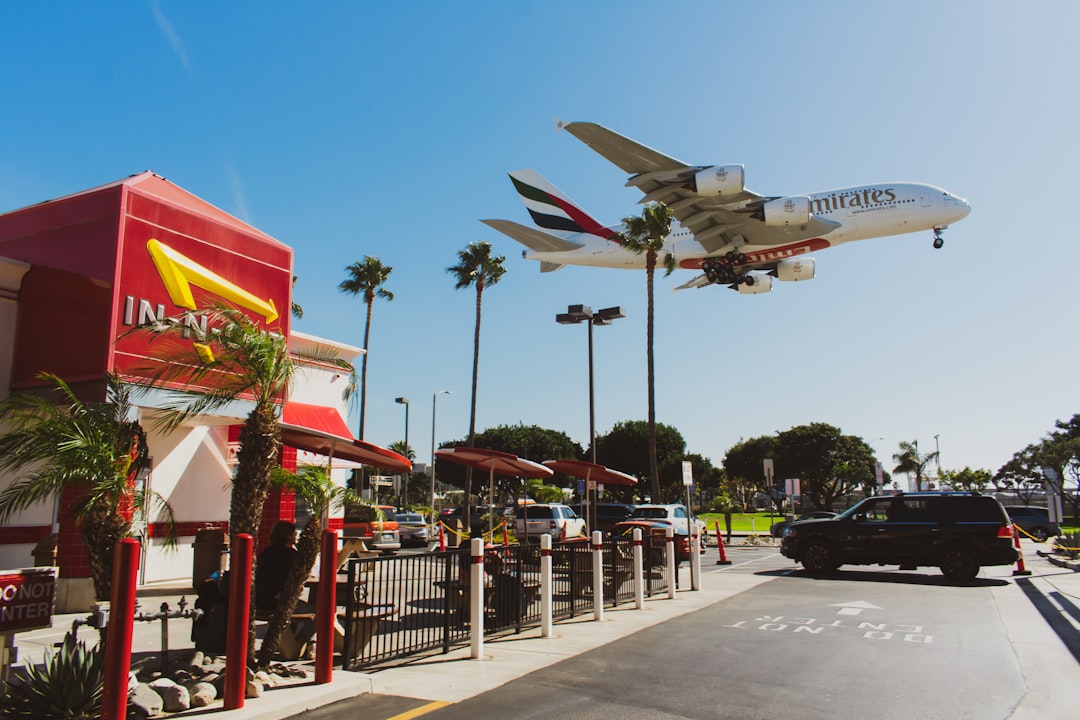
You stand on the precipice of a culinary revolution, one where the sizzle of a burger is increasingly accompanied by the hum of machinery. The fast-food industry, a colossal entity built on speed and volume, is undergoing a profound transformation. As you walk into your favorite quick-service restaurant, the smiling face behind the counter might soon be replaced by a gleaming, articulating arm. This isn’t a dystopian fantasy; it’s the inevitable march of efficiency, driven by the adoption of robotics.
You might imagine a scenario where human chefs are entirely supplanted, but the reality is more nuanced. Robotics in the fast-food kitchen are currently designed to augment, not outright replace, human labor. Think of them as tireless, precise, and uncomplaining colleagues, handling repetitive and often dangerous tasks. You can learn more about the California fast food minimum wage law in this informative video.
Precision and Consistency: The Robotic Advantage
You’ve undoubtedly experienced the frustration of an inconsistent order – a burger cooked differently each time, or fries that are sometimes perfect, sometimes undercooked. This variability is a human trait, a consequence of individual skill, attention span, and even mood. Robotics, however, eliminates this.
- Uniform Product Quality: Imagine a robotic fryer. Its sensors precisely monitor oil temperature and cooking time, ensuring every batch of fries emerges uniformly golden and crisp. This consistency is a cornerstone of brand loyalty; you know exactly what you’re getting, every single time.
- Reduced Waste: Human error can lead to overcooked or burnt food, which is then discarded. Robots, with their unerring precision, significantly reduce this waste, translating directly into cost savings for the restaurant and, indirectly, better value for you.
- Optimal Ingredients: Some robotic systems can even analyze the precise weight and cut of ingredients, adjusting cooking parameters accordingly. This level of optimization was once the domain of Michelin-starred kitchens, now it’s making its way into your local drive-thru.
Hazardous and Repetitive Tasks: A Safer Workplace
Consider the most arduous jobs in a fast-food kitchen: frying, grilling, and repetitive assembly. These tasks are not only monotonous but also expose employees to high temperatures, scalding oil, and repetitive strain injuries.
- Frying and Grilling Automation: Robots can operate fryers and grills with incredible dexterity, flipping burgers, transferring baskets of chicken, and ensuring even cooking without any human intervention in the hazardous zone. This frees up human staff to focus on customer-facing roles or more complex food preparation.
- Drink Dispensing and Ice Cream Machines: You might already interact with robotic elements without realizing it. Automated soda dispensers, often managed by programming, ensure precise measurements and reduce spills. The notoriously temperamental ice cream machine, too, is increasingly being operated and even serviced by automated systems, minimizing downtime.
- Repetitive Assembly Lines: For high-volume items like assembly-line sandwiches or salads, robotic arms can quickly and accurately add ingredients, ensuring consistency and speed. This is particularly valuable during peak hours, where human staff might struggle to keep up with demand.
Fast food companies are increasingly investing in robotics to enhance efficiency and reduce labor costs, a trend that reflects the broader automation movement in the food industry. For a deeper understanding of how these investments are shaping the future of fast food, you can read a related article at How Wealth Grows, which explores the implications of automation on both the workforce and consumer experience.
The Drive-Thru of Tomorrow: Robotics in Customer Interaction
While the kitchen might be the initial battleground, robotics are also making inroads into the customer-facing aspects of fast food. This isn’t about replacing the human smile, but rather enhancing efficiency and personalization.
Order Taking and Personalization: The Digital Conversationalist
You’ve likely encountered self-order kiosks, a relatively low-tech precursor to much more sophisticated robotic interactions. The next generation aims to offer a more seamless and intuitive experience.
- AI-Powered Voice Assistants: Imagine pulling up to the drive-thru and being greeted by an AI assistant that not only understands your order in various accents and intonations but also remembers your past preferences. “Welcome back, [Your Name]! Would you like your usual extra pickles?” This level of personalization can significantly enhance the customer experience.
- Menu Customization and Up-selling: These AI systems can deftly navigate complex menu options, suggest complementary items, and even inquire about dietary restrictions, ensuring you get exactly what you want, even if you’re unsure how to articulate it. This intelligent up-selling can boost average order value without feeling pushy.
- Reduced Wait Times: By streamlining the order-taking process, particularly during peak hours, AI assistants can significantly reduce drive-thru wait times, a critical metric for customer satisfaction in the fast-food industry. Think of it as a super-efficient, indefatigable order taker.
Food Delivery and Collection: The Last Mile
The journey of your food doesn’t end when it leaves the kitchen. Robotics are also playing a role in getting your meal into your hands, whether you’re at the restaurant or at your doorstep.
- Automated Food Lockers: For in-store pickup, you might soon retrieve your order from temperature-controlled lockers, opened with a code from your phone. This eliminates queues at the counter and provides a secure, efficient handover.
- Delivery Robots and Drones: While still in their nascent stages, autonomous delivery robots and drones are being piloted in various locations. Imagine a small, wheeled robot navigating sidewalks to bring your burger directly to your front door. This technology promises faster delivery times and reduced delivery costs, particularly for urban environments.
- Optimized Routing and Dispatch: Beyond the physical delivery, AI algorithms are already optimizing delivery routes for human drivers, ensuring the most efficient path. As robotic delivery systems become more pervasive, these algorithms will become even more critical, managing fleets of autonomous vehicles.
The Economic Equation: Why Robots Make Cents
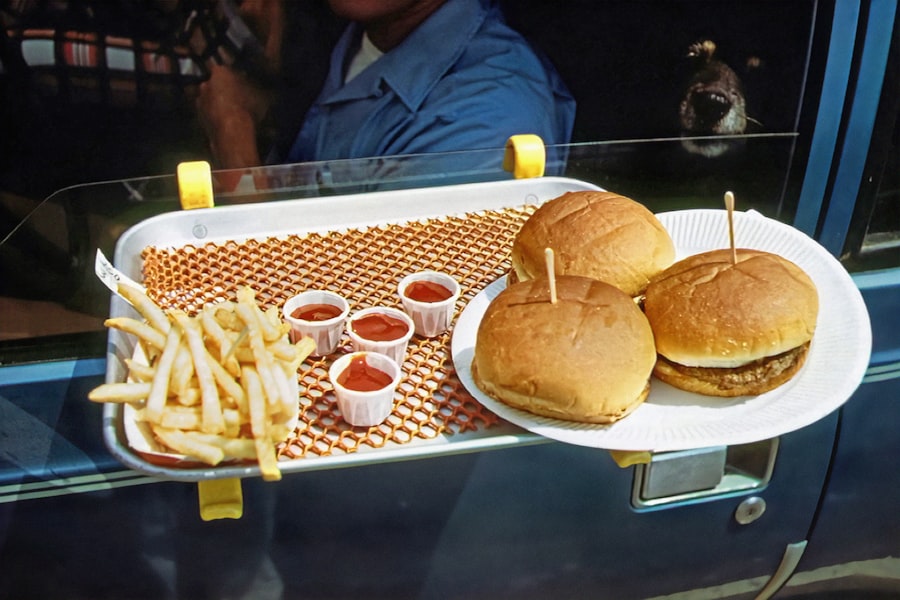
From your perspective as a consumer, you might wonder why fast-food giants are investing so heavily in this technology. The answer, at its core, is purely economic. The fast-food profit margin is often razor-thin, and any avenue for cost reduction is aggressively pursued.
Labor Cost Reduction: The Unblinking Employee
Labor costs represent a significant portion of a fast-food restaurant’s operating expenses. Robots, once their initial capital investment is recouped, offer a perpetual workforce without the associated overheads of human employees.
- Reduced Wages and Benefits: Robots don’t demand minimum wage, health insurance, or paid time off. This fundamental difference in cost structure is a powerful motivator for adoption.
- Fewer Training Costs: While robots require programming and maintenance, the recurring costs of training new human employees, particularly in an industry with high turnover, are eliminated.
- 24/7 Operation: Robots don’t get sick, don’t take breaks, and can work tirelessly 24 hours a day, 7 days a week, maximizing throughput and operational efficiency, especially in locations that operate around the clock.
Mitigating Labor Shortages: The Unfailing Workforce
The fast-food industry frequently grapples with labor shortages, particularly in a tight labor market. Finding, hiring, and retaining staff can be a constant battle.
- Reliable Workforce: Robots offer a consistent and reliable workforce, immune to the challenges of human absenteeism, holiday demands, or general labor market fluctuations. They are a predictable constant in an otherwise unpredictable environment.
- Competitive Edge: Restaurants that successfully integrate robotics can maintain consistent staffing levels and service quality even when competitors are struggling to fill positions, giving them a significant market advantage.
- Focus on Retention: By automating repetitive tasks, human employees can be reallocated to more fulfilling or customer-facing roles, potentially increasing job satisfaction and reducing turnover for the remaining human workforce.
Scalability and Expansion: The Blueprint for Growth
Robotics provides an unprecedented level of scalability for fast-food operations. Imagine duplicating a highly efficient kitchen layout and staffing model across hundreds or thousands of locations.
- Standardized Operations: Once a robotic system is proven efficient in one location, it can be replicated precisely across an entire chain, ensuring consistent quality and speed regardless of geographical location. This is like having a perfect clone of your best employee in every store.
- Faster Rollouts: New menu items or operational changes can be programmed and deployed universally to robotic systems, rather than requiring extensive retraining of a human workforce. This allows for quicker adaptation to market trends.
- Reduced Managerial Overhead: With highly automated kitchens, the need for extensive managerial oversight of day-to-day operational tasks can be reduced, allowing managers to focus on higher-level strategic decisions and customer engagement.
The Challenges on the Path to Automation: Not a Silver Bullet
While the benefits of robotics are compelling, the integration of these sophisticated systems is not without its hurdles. You might envision a seamless transition, but the reality is often more complex and fraught with unseen difficulties.
Initial Investment and Maintenance: The High Cost of Entry
The capital expenditure required to implement advanced robotic systems is substantial, and it’s not just a one-time fee. This is often the biggest barrier for smaller fast-food chains or franchisees.
- High Upfront Costs: Robotic arms, sophisticated sensors, AI processing units, and custom-built kitchen infrastructure represent a significant initial investment that can take years to recoup.
- Specialized Maintenance: Robots are complex machines. They require specialized technicians for routine maintenance, troubleshooting, and repairs, which can be expensive and may not be readily available in all areas. This is a new layer of operational cost that traditional fast-food models don’t typically have.
- Rapid Obsolescence: Technology evolves rapidly. A robotic system purchased today might be outdated in a few years, requiring further investment for upgrades or replacements. This continuous cycle of innovation can be a financial treadmill.
System Integration and Downtime: The Glitch in the Machine
Integrating new robotic systems into existing kitchen layouts and operational workflows is a monumental task. The risk of system failures and subsequent downtime can be a nightmare for a business built on speed.
- Compatibility Issues: Older kitchen equipment may not be compatible with new robotic systems, requiring complete overhauls. This is like trying to connect a cutting-edge smart device to a vintage telephone system.
- Software Glitches and Bugs: Like any complex software, robotic systems are susceptible to glitches, bugs, and cybersecurity threats. A system malfunction could bring an entire kitchen to a standstill, leading to significant financial losses and customer dissatisfaction.
- Power Outages and Connectivity: Robots are utterly dependent on a stable power supply and robust network connectivity. Any disruption in these essential services can render them inoperable, highlighting their inherent fragility compared to human adaptability.
Public Perception and Job Displacement: The Human Element
Perhaps the most sensitive aspect of robotic integration is its impact on human employment and public perception. You might be concerned about the future of jobs in this sector.
- Job Displacement Concerns: The most direct consequence is the potential displacement of human workers from repetitive, low-skill jobs. While proponents argue that new roles in maintenance and programming will emerge, the net effect on employment can be a significant concern for society.
- Customer Acceptance: While some customers may embrace the novelty or efficiency of robotic service, others may prefer human interaction. There’s a delicate balance to strike between automation and maintaining a welcoming, human-centric environment.
- Ethical Considerations: Discussions around fair wages, the future of work, and the responsibility of corporations to their workforce become more prominent as automation progresses. It’s not just an economic decision; it’s a societal one. You, as a consumer, hold significant power in shaping these perceptions through your patronage and feedback.
Fast food companies are increasingly turning to automation as a way to enhance efficiency and reduce labor costs, with many investing in robots to streamline their operations. This shift towards robotic technology is not only transforming the way food is prepared and served but also raising questions about the future of employment in the industry. For a deeper understanding of how these innovations are shaping the fast food landscape, you can read more in this insightful article here. As these companies embrace automation, it will be interesting to see how they balance technological advancements with customer service and job creation.
The Future Landscape: A Blended Reality
| Company | Robot Type | Investment Year | Purpose | Impact on Operations |
|---|---|---|---|---|
| McDonald’s | Automated Fryers and Grills | 2022 | Speed up food preparation and reduce labor costs | Reduced cooking time by 20%, improved consistency |
| Domino’s Pizza | Delivery Robots and Automated Pizza Makers | 2021 | Enhance delivery efficiency and automate pizza assembly | Increased delivery speed by 15%, reduced errors |
| Starbucks | Robotic Baristas | 2023 | Automate coffee preparation and improve customer experience | Reduced wait times by 25%, consistent beverage quality |
| Chipotle | Robotic Food Assembly | 2022 | Automate burrito and bowl assembly | Increased throughput by 30%, reduced labor dependency |
| KFC | Fryer Robots | 2021 | Automate frying process for chicken | Improved cooking consistency, reduced oil usage by 10% |
As you look ahead, the fast-food industry is unlikely to become a fully automated landscape devoid of human presence. Instead, you’re more likely to see a sophisticated blend of human ingenuity and robotic efficiency.
Human-Robot Collaboration: The Centaur of the Kitchen
The most probable future involves a synergistic relationship where humans and robots work side-by-side, each leveraging their unique strengths. Think of it as a culinary centaur: human above, machine below, combining the best of both worlds.
- Human Oversight and Creativity: Humans will likely remain responsible for quality control, menu innovation, and complex food preparation that requires subjective judgment or artistic flair. A robot might assemble a sandwich, but a human chef conceptualizes its ingredients.
- Enhanced Customer Service: With robots handling the grunt work, human employees can focus on providing exceptional customer service, resolving issues, and engaging with patrons in ways that robots cannot replicate. This elevates the human role from mere task-doer to experience-creator.
- Problem Solving and Adaptability: When unforeseen issues arise – a power outage, a supply chain disruption, or a customer with an unusual request – human employees possess the adaptability and critical thinking skills that current robotic systems lack.
The Rise of the “Ghost Kitchen” and Dark Stores: An Invisible Shift
The increase in robotics also aligns with the growth of “ghost kitchens” or “dark stores” – facilities optimized for delivery-only orders, with little to no customer-facing presence.
- Automated Delivery Hubs: Imagine these kitchens as highly automated fulfillment centers for food, where robots prepare orders efficiently for delivery drivers or autonomous vehicles. This model maximizes throughput and reduces the need for expensive retail space.
- Reduced Brick-and-Mortar Costs: By eliminating dine-in areas and extensive customer service fronts, these kitchens significantly reduce overhead costs, allowing for greater investment in automation and potentially more competitive pricing for you.
- Focus on Efficiency Over Experience: For customers solely interested in convenience and speed, these automated dark kitchens offer a compelling proposition, prioritizing the efficient delivery of a consistent product.
You are witnessing a pivotal moment in the evolution of fast food. The embrace of robotics is not merely a technological upgrade but a fundamental rethinking of how food is prepared, delivered, and consumed. As you continue to patronize these establishments, you are, in effect, providing valuable feedback that will shape the trajectory of this fascinating, robot-driven culinary future.
WATCH THIS! 🍔💰 California’s $20 Fast Food Wage: Big Paychecks or Big Layoffs?
FAQs
Why are fast food companies investing in robots?
Fast food companies are investing in robots to improve efficiency, reduce labor costs, enhance food consistency, and address labor shortages. Automation helps streamline operations and speed up service.
What types of robots are used in fast food restaurants?
Robots used in fast food include automated fryers, burger-flipping machines, robotic arms for assembling food, and self-service kiosks. Some restaurants also use robots for cleaning and delivery tasks.
How do robots benefit fast food customers?
Robots can provide faster service, more consistent food quality, and reduce wait times. They also enable contactless ordering and payment, which can enhance customer safety and convenience.
Are robots replacing human workers in fast food?
Robots are automating repetitive and labor-intensive tasks, but they are generally used to assist human workers rather than fully replace them. Human employees are still needed for customer service, quality control, and complex tasks.
What challenges do fast food companies face when implementing robots?
Challenges include high initial investment costs, technical maintenance, integration with existing systems, and ensuring robots can handle the variability of food preparation. There are also concerns about job displacement and customer acceptance.
Which fast food companies are known for using robots?
Companies like McDonald’s, KFC, Domino’s, and White Castle have experimented with or implemented robotic technology in their operations to varying degrees.
How does robot investment impact the fast food industry overall?
Investment in robotics is driving innovation, increasing operational efficiency, and potentially transforming labor dynamics in the fast food industry. It may lead to new service models and improved customer experiences.