
Pharmacy Benefit Managers (PBMs) are intermediaries in the healthcare system that operate between insurers, pharmacies, and pharmaceutical manufacturers. They manage prescription drug benefits for health insurance plans, negotiate medication prices with drug companies, and establish formularies—lists of covered medications under specific insurance plans. Their stated objective is to reduce prescription drug costs for both insurers and consumers.
However, PBM operations involve complex mechanisms that can obscure medication pricing. PBMs negotiate discounts and rebates with pharmaceutical manufacturers, but the details of these agreements are often not transparent to consumers or healthcare providers. This opacity can make it difficult to understand why certain medications cost more than others, particularly when therapeutically similar alternatives exist.
The lack of pricing transparency contributes to confusion about actual drug costs and how they are determined. Understanding PBM functions is important for comprehending current drug pricing structures and medication accessibility within the American healthcare system. Their role in negotiating prices, managing formularies, and determining coverage directly affects which medications patients can access and what they pay out-of-pocket.
Understanding the factors that influence health insurance cost can help you make better financial decisions.
Key Takeaways
- Pharmacy Benefit Managers (PBMs) play a key role in drug pricing through managing pharmacy rebates, but their rebate practices often lack transparency.
- PBM rebate manipulation can lead to higher drug costs for consumers by obscuring true pricing and limiting competition.
- Healthcare providers and payers are negatively impacted by PBM rebate practices, which can complicate reimbursement and increase overall healthcare expenses.
- Regulatory efforts and investigative strategies are underway to uncover and address PBM rebate manipulation, aiming to improve market fairness.
- Increasing transparency and accountability in PBM rebate practices could lower drug prices and benefit both consumers and healthcare providers.
Understanding Pharmacy Rebates and their Role in Drug Pricing
Pharmacy rebates are financial incentives that drug manufacturers provide to PBMs in exchange for favorable placement of their products on formularies—the lists of covered medications. When you fill a prescription, the price you pay may not reflect the actual cost of the drug; instead, it often includes a rebate that the PBM negotiates with the manufacturer. This arrangement is designed to lower out-of-pocket costs for insurers and, theoretically, for consumers like you.
However, the reality is more complicated, as these rebates can significantly impact drug pricing dynamics. The role of rebates in drug pricing is multifaceted. On one hand, they can lead to lower premiums and out-of-pocket costs for some patients.
On the other hand, they can create a system where the list price of medications remains artificially high, as manufacturers set prices with the expectation of offering substantial rebates. This can result in a situation where you may be paying more for a medication than necessary, simply because the rebate structure incentivizes higher list prices. Understanding this complex relationship between PBMs, manufacturers, and drug pricing is essential for making informed decisions about your healthcare.
The Lack of Transparency in PBM Rebate Practices

One of the most significant issues surrounding PBMs is the lack of transparency in their rebate practices. As you seek to understand your healthcare costs better, you may find it challenging to obtain clear information about how much your medications actually cost versus how much your insurer pays after rebates are applied. This opacity can lead to confusion and mistrust among consumers who feel they are not getting a fair deal on their prescriptions.
The lack of transparency also extends to how PBMs negotiate and distribute rebates. You might wonder why certain drugs are preferred over others on your insurance plan’s formulary or why some medications are more expensive than their counterparts. Without clear information about how rebates influence these decisions, it becomes difficult for you to advocate for yourself or make informed choices about your healthcare.
This situation underscores the urgent need for greater transparency in PBM practices to ensure that consumers are not left in the dark regarding their medication costs.
How PBM Rebate Manipulation Impacts Drug Pricing for Consumers
PBM rebate manipulation can have profound implications for drug pricing, ultimately affecting you as a consumer. When PBMs prioritize certain drugs based on rebate agreements rather than clinical efficacy or patient need, it can lead to higher out-of-pocket costs for medications that may not be the best option for your health. This manipulation can create a scenario where you are steered toward more expensive drugs simply because they come with higher rebates for the PBM.
Moreover, this practice can exacerbate health disparities among consumers. If you require a specific medication that is not favored by your PBM due to lack of rebate incentives, you may face higher costs or limited access to that treatment. This situation can lead to difficult choices about your health and well-being, as financial barriers prevent you from obtaining necessary medications.
Understanding how PBM rebate manipulation affects drug pricing is crucial for advocating for fairer practices that prioritize patient needs over profit margins.
The Role of PBM Rebate Manipulation in Contributing to Rising Drug Costs
| Metric | Description | Example Value | Impact |
|---|---|---|---|
| Rebate Percentage | Percentage of drug cost returned as rebate by manufacturers to PBMs | 20-40% | Higher rebates can incentivize PBMs to favor certain drugs |
| Spread Pricing Margin | Difference between what PBMs charge health plans and what they pay pharmacies | 5-15% | Can lead to increased costs for payers and patients |
| Formulary Placement Fees | Payments from drug manufacturers to PBMs for preferred drug placement | Varies widely | May influence drug selection beyond clinical effectiveness |
| Rebate Retention Rate | Percentage of rebates PBMs keep versus pass on to health plans | 30-70% | Higher retention reduces savings passed to consumers |
| Average Drug Price Inflation | Year-over-year increase in drug prices influenced by rebate structures | 6-10% | Contributes to overall healthcare cost growth |
The manipulation of pharmacy rebates by PBMs is a significant contributor to the rising costs of prescription drugs. As you observe increasing prices at the pharmacy counter, it’s essential to recognize that these costs are not solely determined by manufacturers but are also influenced by the actions of PBMs. When PBMs negotiate higher list prices in exchange for larger rebates, it creates an environment where drug costs continue to escalate.
Higher drug costs can lead to increased insurance premiums and out-of-pocket expenses, making it more challenging for individuals and families to afford necessary medications. Additionally, as drug prices rise, so too does the burden on public health systems and government programs that aim to provide affordable healthcare options.
Addressing PBM rebate manipulation is vital for curbing these rising costs and ensuring that medications remain accessible to all.
The Impact of PBM Rebate Manipulation on Healthcare Providers and Payers
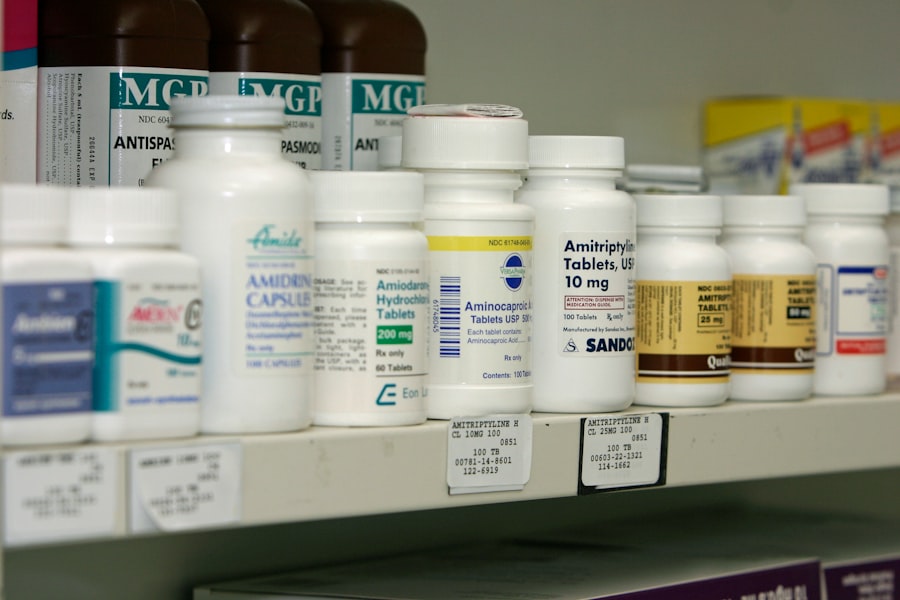
The effects of PBM rebate manipulation extend beyond consumers; healthcare providers and payers also feel the impact.
When a provider prescribes a medication that is not favored by a PBM due to rebate agreements, it can lead to delays in treatment or require additional steps for prior authorization.
For payers—such as insurance companies—PBM rebate manipulation can complicate cost management strategies. While they rely on PBMs to negotiate lower prices, the lack of transparency in rebate agreements makes it difficult for payers to assess whether they are truly receiving value for their investments. This situation can create tension between payers and PBMs as both parties navigate the complexities of drug pricing and reimbursement models.
Ultimately, these dynamics can affect your access to timely and effective treatments.
Regulatory Efforts to Address PBM Rebate Manipulation
In response to growing concerns about PBM rebate manipulation and its impact on drug pricing, regulatory efforts have emerged at both state and federal levels. Policymakers recognize that increased oversight is necessary to ensure that consumers like you are not unfairly burdened by rising medication costs due to opaque practices within the PBM industry. Legislative initiatives aim to enhance transparency requirements for PBMs, mandating that they disclose information about rebate agreements and pricing structures.
These regulatory efforts seek to empower consumers by providing clearer insights into how drug pricing works and how rebates influence costs. By holding PBMs accountable for their practices, lawmakers hope to create a more equitable system that prioritizes patient access to affordable medications. As these initiatives progress, it’s essential for you to stay informed about potential changes that could impact your healthcare experience.
Strategies for Uncovering PBM Pharmacy Rebate Manipulation
As a consumer navigating the complexities of prescription drug pricing, there are strategies you can employ to uncover potential PBM pharmacy rebate manipulation. One approach is to advocate for greater transparency from your health insurer regarding formulary decisions and pricing structures. By asking questions about how medications are chosen for coverage and what role rebates play in those decisions, you can gain valuable insights into your healthcare options.
Additionally, utilizing resources such as independent pharmacy benefit consultants or advocacy organizations can help you better understand your rights as a consumer. These entities often provide tools and information that empower you to make informed choices about your medications and advocate for fairer practices within the healthcare system. By taking an active role in understanding PBM practices, you can contribute to a broader movement advocating for transparency and accountability.
The Need for Increased Transparency and Accountability in PBM Rebate Practices
The call for increased transparency and accountability in PBM rebate practices is more urgent than ever. As you consider your own experiences with prescription drugs and healthcare costs, it becomes clear that a lack of clarity can lead to confusion and frustration among consumers. By demanding greater transparency from PBMs regarding their rebate agreements and pricing structures, you can help foster an environment where patients are prioritized over profits.
Accountability measures should also be implemented to ensure that PBMs act in the best interests of consumers rather than solely focusing on financial gain. This could involve regulatory oversight that monitors rebate practices and enforces compliance with transparency requirements. By advocating for these changes, you contribute to a movement aimed at creating a more equitable healthcare system where access to affordable medications is prioritized.
The Potential Benefits of Addressing PBM Rebate Manipulation for Consumers and Healthcare Providers
Addressing PBM rebate manipulation has the potential to yield significant benefits for both consumers like you and healthcare providers alike. By increasing transparency in rebate practices, patients could gain access to more affordable medications without being burdened by hidden costs or confusing pricing structures. This could lead to improved adherence to prescribed treatments, ultimately resulting in better health outcomes.
For healthcare providers, clearer information about medication pricing would enable them to make more informed prescribing decisions based on both clinical efficacy and cost-effectiveness. This alignment between patient needs and provider recommendations could foster stronger relationships between patients and their healthcare teams while reducing administrative burdens associated with navigating complex formulary restrictions imposed by PBMs.
Conclusion and Call to Action for Addressing PBM Pharmacy Rebate Manipulation
In conclusion, addressing pharmacy benefit manager (PBM) rebate manipulation is essential for creating a fairer healthcare system that prioritizes patient access to affordable medications. As you reflect on your experiences with prescription drugs and healthcare costs, consider how increased transparency and accountability could transform your interactions with the healthcare system. By advocating for regulatory changes that promote clarity in PBM practices, you can play an active role in shaping a future where patients are empowered rather than burdened by rising drug costs.
It’s time for consumers like you to demand change from policymakers and industry leaders alike. By raising awareness about the impact of PBM rebate manipulation on drug pricing and advocating for reforms that prioritize patient needs over profits, we can work together toward a more equitable healthcare landscape. Your voice matters—join the movement for transparency and accountability in pharmacy benefit management today!
Pharmacy Benefit Managers (PBMs) have come under scrutiny for their rebate manipulation practices, which can significantly impact drug pricing and patient access to medications. A related article that delves into the complexities of this issue can be found at