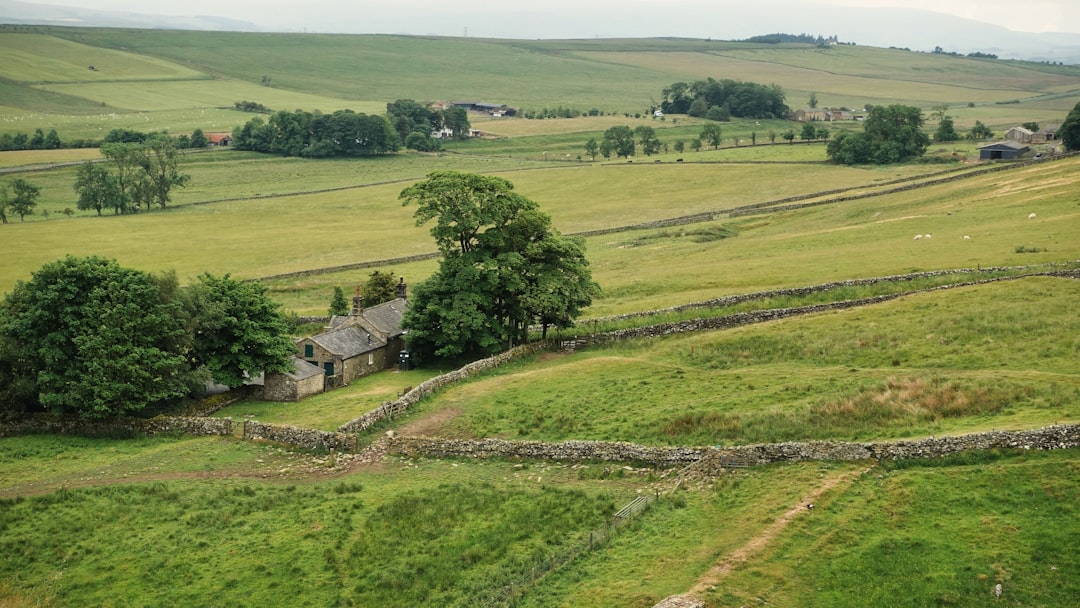
Farmland speculation has become an increasingly prominent issue as global food demand rises. Agricultural land prices have increased substantially, drawing investment from wealthy individuals and large corporations alike. This trend carries significant consequences for food security, environmental sustainability, and the economic viability of small-scale farming operations.
The investment appeal of farmland stems from several factors, including global population growth and rising food demand. Investors typically regard agricultural land as a stable asset capable of generating substantial long-term returns. However, this investment perspective often overlooks the challenges faced by farmers dependent on agriculture for their income.
The dynamics of farmland speculation reveal a tension between profit-driven investment interests and the critical need to maintain food security.
Key Takeaways
- Farmland speculation involves purchasing land primarily for profit, impacting food security by reducing land availability for actual farming.
- Investors play a significant role in driving farmland speculation, often sidelining small-scale farmers and local communities.
- Farmland speculation can lead to environmental degradation, including loss of biodiversity and soil health.
- Government policies are crucial in regulating farmland markets to balance investment interests with sustainable food production.
- Community-led initiatives and policy reforms are essential to mitigate negative effects and promote equitable, sustainable food security.
Understanding Food Security
Food security is a multifaceted concept that encompasses the availability, accessibility, and utilization of food. You might think of it as a measure of how well a population can meet its nutritional needs consistently. When food security is compromised, it can lead to dire consequences, including malnutrition and social unrest.
Understanding this concept is essential as it lays the groundwork for examining how farmland speculation can disrupt the delicate equilibrium of food systems. At its core, food security hinges on several critical factors: agricultural productivity, economic stability, and social equity. You may find it interesting that food security is not solely about having enough food; it also involves ensuring that people have the means to access it.
This means that even in regions with abundant agricultural production, disparities in wealth and infrastructure can lead to pockets of food insecurity. As you consider these dimensions, it becomes evident that any disruption in agricultural systems—such as those caused by speculation—can have far-reaching effects on food availability and access. Investing in farmland investment can provide sustainable returns and long-term growth opportunities.
Farmland Speculation and its Effects on Food Security
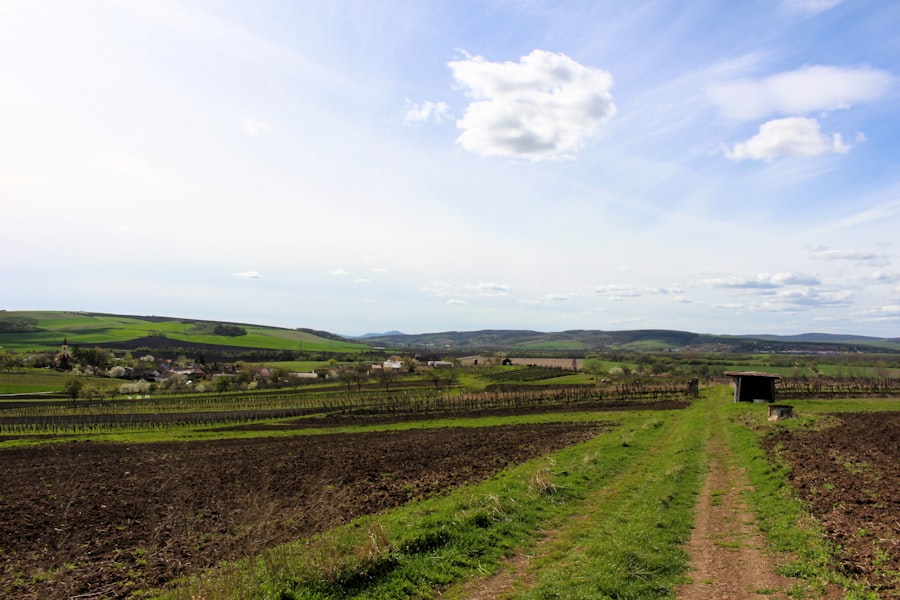
The relationship between farmland speculation and food security is complex and often contentious. As you examine this connection, you will see that speculation can drive up land prices, making it increasingly difficult for local farmers to acquire or maintain their land. This situation can lead to a concentration of land ownership in the hands of a few investors, which can exacerbate inequalities within agricultural systems.
When land becomes a commodity rather than a resource for food production, the implications for food security can be severe. Moreover, as farmland is bought and sold primarily for investment purposes, you may notice a shift in land use priorities. Investors may prioritize short-term profits over sustainable farming practices, leading to practices that degrade soil health and reduce long-term agricultural productivity.
This shift can create a cycle where food production becomes less reliable, further threatening food security. As you reflect on these dynamics, it becomes clear that addressing farmland speculation is essential for safeguarding the future of global food systems.
The Role of Investors in Farmland Speculation
Investors play a pivotal role in the landscape of farmland speculation. You might be surprised to learn that these investors come from various backgrounds, including hedge funds, pension funds, and even foreign governments. Their motivations often revolve around seeking stable returns in an increasingly volatile market.
However, this influx of capital into agriculture can have unintended consequences for local communities and food systems. As you consider the actions of these investors, it’s important to recognize that their focus is often on maximizing profits rather than supporting sustainable agricultural practices. This profit-driven mentality can lead to practices such as monocropping and heavy reliance on chemical inputs, which can degrade soil health and biodiversity.
Furthermore, when investors prioritize short-term gains over long-term sustainability, they risk undermining the very systems that ensure food security for future generations. Understanding the motivations and actions of investors is crucial for addressing the challenges posed by farmland speculation.
Impacts of Farmland Speculation on Small-scale Farmers
| Metric | Description | Impact on Food | Example Data |
|---|---|---|---|
| Farmland Price Increase (%) | Annual percentage increase in farmland prices due to speculation | Higher land costs reduce affordability for farmers, limiting food production | 15-25% per year in speculative regions |
| Farmland Availability (hectares) | Amount of farmland available for active farming | Speculation reduces available farmland as land is held idle for profit | Decrease of 10-20% over 5 years in affected areas |
| Food Price Inflation (%) | Increase in food prices linked to farmland speculation | Speculation drives up food prices, affecting food affordability | 3-7% annual increase correlated with land speculation |
| Crop Yield (tons/hectare) | Average agricultural output per hectare | Speculation can lead to underutilized land, lowering overall yield | Stable or declining by 1-3% in speculative zones |
| Number of Smallholder Farmers | Count of small-scale farmers operating farmland | Speculation often displaces smallholders, reducing local food production | Decline of 10-15% in regions with high speculation |
Small-scale farmers are often the most vulnerable to the effects of farmland speculation. As you explore their experiences, you may find that rising land prices make it increasingly difficult for them to compete with wealthy investors. Many small farmers face the prospect of losing their land or being forced into unsustainable debt cycles as they struggle to keep up with escalating costs.
This situation not only threatens their livelihoods but also jeopardizes local food systems that rely on diverse and resilient farming practices. Additionally, as farmland becomes concentrated in the hands of a few investors, small-scale farmers may find themselves marginalized within their communities. You might consider how this concentration of land ownership can lead to a loss of traditional farming knowledge and practices that have been passed down through generations.
The displacement of small farmers can also result in social upheaval and increased migration as individuals seek better opportunities elsewhere. As you reflect on these impacts, it becomes clear that supporting small-scale farmers is essential for fostering resilient food systems.
Environmental Consequences of Farmland Speculation
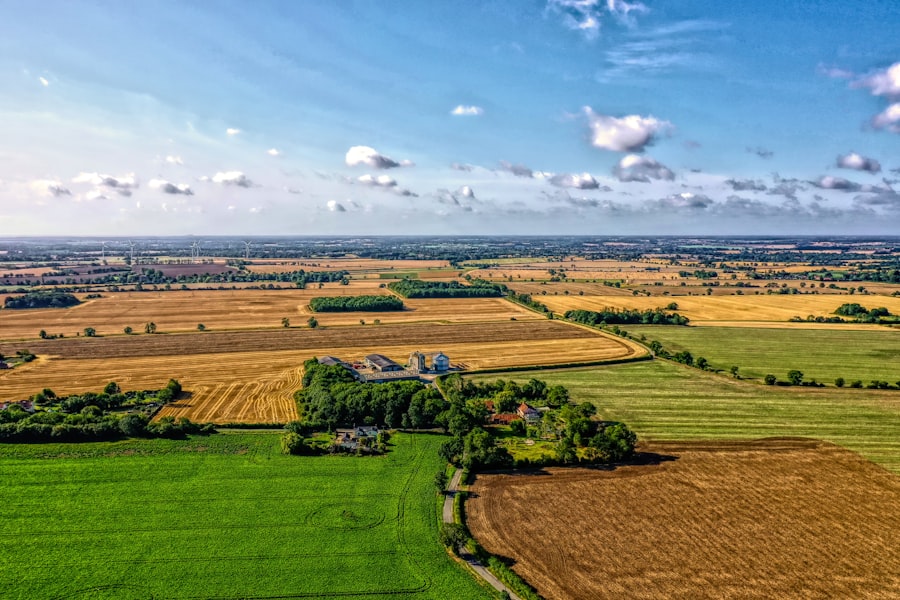
The environmental consequences of farmland speculation are profound and multifaceted. As you delve into this aspect, you may notice that speculative practices often prioritize short-term financial gains over ecological sustainability.
For instance, when investors convert diverse ecosystems into monoculture farms aimed at maximizing yields, they disrupt local ecosystems and diminish biodiversity.
Furthermore, the increased use of chemical fertilizers and pesticides associated with intensive farming can lead to pollution and health risks for nearby communities.
As you consider these environmental impacts, it becomes evident that addressing farmland speculation is crucial for promoting sustainable agricultural practices that protect both people and the planet.
Government Policies and Farmland Speculation
Government policies play a significant role in shaping the landscape of farmland speculation. As you explore this relationship, you may find that policies designed to promote agricultural investment can inadvertently encourage speculative behavior. For example, tax incentives or subsidies aimed at boosting agricultural production can attract investors seeking quick profits rather than fostering sustainable farming practices.
Moreover, regulatory frameworks often fail to address the complexities of land ownership and use in the context of speculation. You might consider how inadequate zoning laws or lack of oversight can allow investors to exploit loopholes in the system, further exacerbating issues related to land concentration and environmental degradation. As you reflect on these policy implications, it becomes clear that comprehensive reforms are necessary to create a more equitable and sustainable agricultural landscape.
Global Implications of Farmland Speculation
The implications of farmland speculation extend far beyond local communities; they resonate on a global scale. As you examine this phenomenon through an international lens, you may notice how speculative investments in agriculture can influence global food markets and trade dynamics. For instance, when large investors acquire vast tracts of land in developing countries, they often prioritize export-oriented crops over local food production, which can exacerbate food insecurity in those regions.
Additionally, you might find it concerning that such investments can lead to conflicts over land rights and access to resources. In many cases, local communities are displaced or marginalized as foreign investors seek to capitalize on agricultural opportunities. This dynamic not only threatens local livelihoods but also raises ethical questions about land ownership and sovereignty.
As you consider these global implications, it becomes evident that addressing farmland speculation requires coordinated efforts at both local and international levels.
Addressing Farmland Speculation for Sustainable Food Security
To effectively address farmland speculation and its impacts on food security, a multifaceted approach is necessary. You may find it essential to advocate for policies that promote equitable land access and support small-scale farmers in their efforts to maintain sustainable practices. This could involve implementing regulations that limit speculative investments in agriculture while providing incentives for responsible land stewardship.
Furthermore, fostering community-based initiatives can empower local farmers to resist speculative pressures and advocate for their rights. You might consider how cooperative models or community-supported agriculture programs can help strengthen local food systems while providing farmers with greater control over their resources. By prioritizing sustainable practices and equitable access to land, we can work towards a future where food security is not just an aspiration but a reality for all.
Community Responses to Farmland Speculation
Communities around the world are increasingly recognizing the challenges posed by farmland speculation and are taking action to address them. As you explore these grassroots responses, you may find inspiring examples of collective action aimed at protecting local agricultural systems. From community land trusts to advocacy groups focused on land reform, these initiatives demonstrate the power of collaboration in confronting speculative pressures.
You might also consider how education plays a vital role in empowering communities to respond effectively to farmland speculation. By raising awareness about the implications of speculative investments and promoting sustainable farming practices, communities can build resilience against external pressures. As you reflect on these community responses, it becomes clear that collective action is essential for fostering sustainable food systems that prioritize people over profit.
Conclusion and Call to Action
In conclusion, farmland speculation presents significant challenges to food security, small-scale farmers, and environmental sustainability. As you have explored throughout this article, understanding the dynamics of this issue is crucial for developing effective solutions. It is imperative that we advocate for policies that promote equitable access to land while supporting sustainable agricultural practices.
You are encouraged to engage with your community and raise awareness about the impacts of farmland speculation on local food systems. By supporting small-scale farmers and advocating for responsible investment practices, you can contribute to a more just and sustainable future for agriculture. Together, we have the power to address the challenges posed by farmland speculation and work towards a world where everyone has access to safe and nutritious food.
Farmland speculation has significant implications for food security and agricultural sustainability. As investors increasingly view farmland as a lucrative asset, the rising prices can lead to higher costs for farmers, ultimately affecting food production and availability. For a deeper understanding of how wealth accumulation through farmland speculation impacts food systems, you can read more in this article on wealth growth: How Wealth Grows.
WATCH THIS! The Gold Rush is Over. Now, the Dirt Rush is ON. 🚜💰
FAQs
What is farmland speculation?
Farmland speculation refers to the practice of purchasing agricultural land primarily for the purpose of profiting from its future increase in value, rather than for farming or agricultural production.
How does farmland speculation affect food production?
Farmland speculation can reduce the availability of land for actual farming, potentially leading to decreased food production. When land is held idle or used for non-agricultural purposes, it can limit the supply of locally grown food.
Can farmland speculation influence food prices?
Yes, farmland speculation can contribute to higher food prices. By driving up the cost of agricultural land, it increases production costs for farmers, which may be passed on to consumers in the form of higher food prices.
Does farmland speculation impact food security?
Farmland speculation can negatively impact food security by limiting access to productive farmland, reducing local food supplies, and increasing vulnerability to food price volatility.
Are there any environmental consequences of farmland speculation?
Speculative landholding can lead to underutilization or mismanagement of farmland, which may result in soil degradation or loss of biodiversity if the land is not properly maintained or is converted to non-agricultural uses.
What measures can be taken to mitigate the impact of farmland speculation?
Governments can implement policies such as land use regulations, taxes on speculative landholding, support for small-scale farmers, and incentives for sustainable agricultural practices to reduce the negative effects of farmland speculation.
Is farmland speculation a global issue?
Yes, farmland speculation occurs worldwide, affecting both developed and developing countries, though its scale and impact can vary depending on local land markets and agricultural policies.
How does farmland speculation affect smallholder farmers?
Speculation can increase land prices, making it difficult for smallholder farmers to acquire or retain land, potentially pushing them out of agriculture and reducing their livelihoods.
Can farmland speculation lead to urban sprawl?
Yes, speculative investment in farmland near urban areas can accelerate land conversion for non-agricultural development, contributing to urban sprawl and loss of productive farmland.
What role do investors play in farmland speculation?
Investors, including individuals, corporations, and investment funds, may purchase farmland as a financial asset, seeking capital gains rather than agricultural production, which can drive speculation and impact land availability for farming.