
A farmland bubble occurs when agricultural land prices rise to unsustainable levels due to economic, social, and political factors. This phenomenon has significant implications for farmers, investors, and the broader economy, as it represents a critical intersection of agriculture, finance, and environmental sustainability. In recent years, farmland prices have increased substantially, prompting attention from economists and policymakers.
Several factors drive this increase, including economic trends, government policies, and climate change. Economic trends such as inflation, interest rates, and investment demand influence land valuations. Government policies, including agricultural subsidies and tax incentives, can artificially inflate prices.
Climate change affects land productivity and perceived future value, further impacting prices. Understanding whether current price levels are sustainable requires examining these interconnected factors and their long-term effects on agricultural markets and land ownership patterns.
Key Takeaways
- Farmland prices are rising due to economic factors, government policies, and increased demand.
- Speculative investments and foreign capital significantly contribute to the farmland bubble.
- Climate change and technological advancements are influencing farmland value and usage.
- Urbanization and changes in land use are impacting farmland availability and prices.
- A potential burst of the farmland bubble could have serious economic and social consequences.
Economic Factors Contributing to Farmland Bubble
When examining the economic factors that contribute to the farmland bubble, you will find that interest rates play a pivotal role. Low-interest rates can encourage borrowing, allowing investors to purchase more land than they might otherwise afford. This influx of capital can drive up land prices as demand outstrips supply.
You may notice that this trend is particularly pronounced in regions where agricultural productivity is high, leading to a competitive market for prime farmland. Additionally, inflation can also contribute to rising farmland prices. As the cost of goods and services increases, so too does the value of tangible assets like land.
You might observe that investors often turn to farmland as a hedge against inflation, further driving up demand. This creates a cycle where rising prices attract more investors, leading to even higher valuations. Understanding these economic dynamics is essential for anyone looking to navigate the complexities of farmland investment. Investing in farmland investment can provide sustainable returns and long-term growth opportunities.
Government Policies and Subsidies
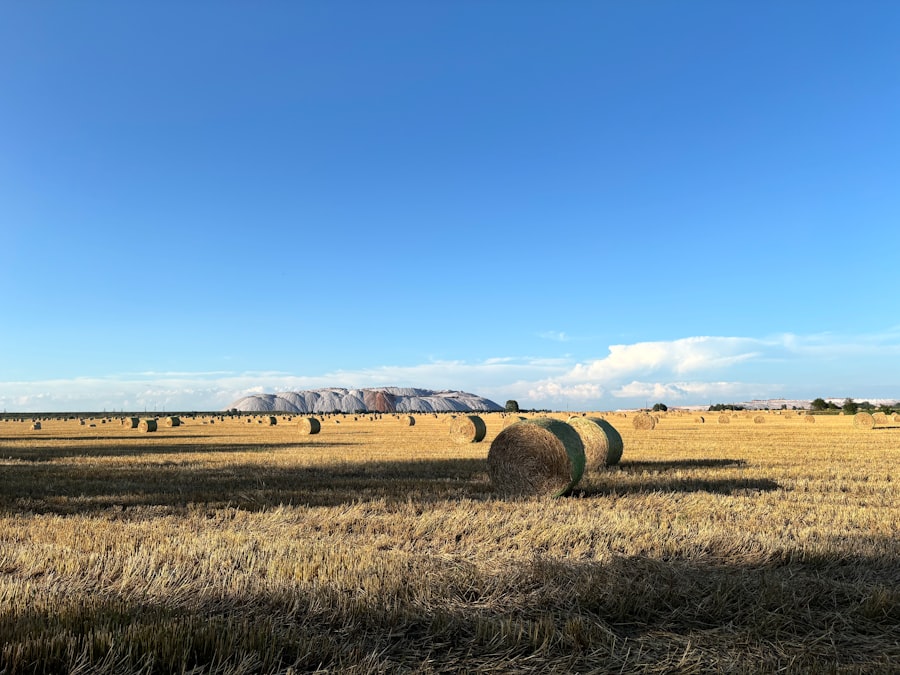
Government policies and subsidies significantly influence the farmland market, often acting as catalysts for price increases.
For instance, subsidies for crop production can lead to increased profitability for farmers, making them more willing to invest in larger parcels of land.
This increased purchasing power can create upward pressure on land prices. Moreover, zoning laws and land-use regulations can also impact farmland values. If you consider areas where development is restricted or where agricultural land is protected, you may notice that these policies can create scarcity, driving up prices even further.
The interplay between government intervention and market forces is complex, and understanding this relationship is crucial for anyone interested in the agricultural sector.
Speculative Investment in Farmland
Speculative investment has emerged as a significant driver of the farmland bubble. As you explore this aspect, you may find that investors are increasingly viewing farmland as a lucrative asset class rather than just a means of food production.
You might observe that this trend has transformed farmland into a commodity, with investors treating it similarly to stocks or bonds. The speculative nature of this investment can create volatility in land prices. When you consider how quickly investor sentiment can change, it becomes clear that speculation can lead to rapid price fluctuations.
If investors begin to perceive farmland as overvalued, they may quickly withdraw their capital, leading to a sharp decline in prices. This cycle of speculation underscores the importance of understanding market psychology when analyzing the farmland bubble.
Increase in Demand for Farmland
| Cause | Description | Impact on Farmland Prices | Example Metrics |
|---|---|---|---|
| Low Interest Rates | Reduced borrowing costs encourage more buyers to invest in farmland. | Increases demand, driving up prices rapidly. | Interest rates below 3%, increased loan approvals for farmland. |
| Speculative Investment | Investors buy farmland expecting future price appreciation rather than for farming use. | Artificially inflates prices beyond intrinsic agricultural value. | High percentage of non-farming buyers, rapid price increases over short periods. |
| Government Subsidies and Policies | Subsidies or tax incentives for agriculture can increase farmland demand. | Encourages more purchases, pushing prices higher. | Increase in subsidy amounts, favorable tax breaks for farmland owners. |
| Limited Land Supply | Scarcity of available farmland restricts supply. | Supply-demand imbalance causes price escalation. | Low percentage of land available for sale, high land use restrictions. |
| Rising Commodity Prices | Higher crop prices increase profitability of farming. | Boosts farmland value as income potential rises. | Significant increase in crop prices over 12 months, higher farm income projections. |
| Inflation | General increase in prices reduces purchasing power of money. | Investors buy farmland as a hedge, increasing demand and prices. | Inflation rates above 4%, increased farmland purchases by investors. |
The demand for farmland has been on the rise for several reasons, contributing significantly to the current bubble. As you examine this trend, you may note that population growth and urbanization are key factors driving demand. With more people requiring food and resources, the pressure on agricultural land intensifies.
You might also consider how changing dietary preferences and increased consumption of meat and dairy products have led to greater demand for arable land. Additionally, the rise of sustainable agriculture and organic farming practices has created new markets for certain types of farmland. As consumers become more health-conscious and environmentally aware, they are willing to pay a premium for products grown on sustainably managed land.
This shift in consumer behavior can further drive up demand for specific parcels of farmland, contributing to inflated prices.
Impact of Climate Change on Farmland Prices

Climate change is an increasingly important factor influencing farmland prices. As you explore this topic, you may find that changing weather patterns and extreme events can affect agricultural productivity and land values. For instance, droughts or floods can diminish crop yields, leading to decreased demand for affected farmland.
Conversely, regions that become more favorable for agriculture due to climate change may see an increase in land values as investors seek out new opportunities. Moreover, the growing awareness of climate-related risks has led some investors to prioritize sustainability when purchasing farmland. You might observe that buyers are increasingly interested in properties with resilient farming practices or those located in areas less susceptible to climate impacts.
This shift in focus can create disparities in land values based on perceived climate resilience, further complicating the dynamics of the farmland market.
Influence of Foreign Investment on Farmland Bubble
Foreign investment has become a significant player in the farmland market, adding another layer of complexity to the bubble. As you investigate this phenomenon, you may find that foreign entities are increasingly purchasing agricultural land in various countries, often seeking stable returns on their investments. This influx of capital can drive up prices as foreign buyers compete with domestic investors for limited land resources.
You might also consider the geopolitical implications of foreign investment in farmland. In some cases, foreign ownership can lead to concerns about food security and national sovereignty. As countries grapple with these issues, they may implement policies aimed at regulating or restricting foreign purchases of agricultural land.
Such measures can create uncertainty in the market, influencing both domestic and foreign investment strategies.
Technological Advancements in Agriculture
Technological advancements have revolutionized agriculture in recent years, impacting both productivity and land values. As you explore this topic, you may find that innovations such as precision farming and biotechnology have increased crop yields and efficiency. This surge in productivity can make certain parcels of land more valuable as farmers seek out high-tech solutions to maximize their output.
Furthermore, technology has also facilitated greater access to information about land values and market trends. You might observe that data analytics and online platforms have empowered investors and farmers alike to make more informed decisions regarding land purchases and sales. This increased transparency can lead to heightened competition in the market, further driving up prices as buyers vie for desirable properties.
Land Use Changes and Urbanization
Land use changes driven by urbanization are another critical factor influencing farmland prices. As cities expand and populations grow, agricultural land is often converted for residential or commercial development. You may notice that this trend creates a sense of urgency among investors seeking to acquire prime farmland before it is lost to urban sprawl.
The competition between agricultural use and urban development can lead to significant price increases for remaining parcels of farmland. As you consider this dynamic, it becomes clear that urbanization not only affects land availability but also shapes investor perceptions about future value. The potential for development can make certain areas more attractive to buyers, further inflating prices in those regions.
Financialization of Farmland
The financialization of farmland has transformed how agricultural land is viewed and valued in today’s economy. As you delve into this topic, you may find that farmland is increasingly treated as a financial asset rather than just a resource for food production. This shift has led to the creation of various financial instruments tied to agricultural land, such as real estate investment trusts (REITs) focused on farmland.
You might observe that this financialization has attracted a new wave of investors who are drawn by the potential for returns associated with farmland ownership. However, this trend also raises concerns about the long-term sustainability of agricultural practices as profit motives take precedence over environmental stewardship. Understanding the implications of financialization is essential for anyone looking to navigate the complexities of modern agriculture.
Potential Consequences of Farmland Bubble Burst
As you contemplate the potential consequences of a farmland bubble burst, it becomes evident that such an event could have widespread ramifications across various sectors. A sudden decline in farmland prices could lead to significant financial losses for investors who have heavily invested in agricultural land based on inflated valuations. You might consider how this could create ripple effects throughout the economy, impacting farmers’ ability to secure loans and invest in their operations.
Moreover, a burst could exacerbate existing issues related to food security and access to affordable housing as agricultural land becomes less accessible due to financial instability. The implications extend beyond economics; they touch on social equity and environmental sustainability as communities grapple with the fallout from a collapsing farmland market. Understanding these potential consequences underscores the importance of monitoring market trends and advocating for policies that promote stability within the agricultural sector.
In conclusion, navigating the complexities of the farmland bubble requires a multifaceted understanding of economic factors, government policies, speculative investments, and environmental influences. As you engage with these topics, you will gain valuable insights into how they shape not only the future of agriculture but also broader societal outcomes related to food security and environmental sustainability.
The phenomenon of farmland bubbles can be attributed to various factors, including rising demand for agricultural products, low interest rates, and speculative investments. For a deeper understanding of the economic principles that contribute to such bubbles, you can explore the article on wealth accumulation and investment strategies at How Wealth Grows. This resource provides valuable insights into the dynamics of asset bubbles and their implications for investors in the agricultural sector.
WATCH THIS! The Gold Rush is Over. Now, the Dirt Rush is ON. 🚜💰
FAQs
What is a farmland bubble?
A farmland bubble occurs when the prices of agricultural land rise rapidly and exceed their intrinsic value, often driven by speculation, increased demand, or external economic factors. This can lead to an unsustainable market that may eventually correct sharply.
What factors contribute to the formation of a farmland bubble?
Several factors can contribute, including low interest rates, increased demand for agricultural products, speculative investment, government policies or subsidies, limited land supply, and global economic conditions that drive up land prices.
How does speculation affect farmland prices?
Speculation involves investors buying farmland primarily to profit from price increases rather than agricultural use. This can inflate prices beyond their fundamental value, contributing to a bubble.
Can government policies cause a farmland bubble?
Yes, government policies such as subsidies, tax incentives, or relaxed land-use regulations can increase demand for farmland, potentially driving prices up and contributing to bubble conditions.
What role does demand for agricultural products play in farmland prices?
Rising demand for food, biofuels, and other agricultural products can increase the value of farmland as producers seek more land to expand production, pushing prices higher.
How do interest rates influence farmland bubbles?
Low interest rates reduce borrowing costs, making it easier for investors and farmers to finance land purchases. This increased buying power can drive up farmland prices and contribute to bubble formation.
Is limited supply of farmland a cause of farmland bubbles?
Yes, since the amount of arable land is finite, limited supply combined with rising demand can lead to sharp increases in land prices, potentially creating a bubble.
What happens when a farmland bubble bursts?
When a bubble bursts, farmland prices can decline rapidly, leading to financial losses for investors and farmers, reduced credit availability, and potential negative impacts on the agricultural sector and rural economies.
How can farmland bubbles be identified?
Indicators include rapid and sustained increases in land prices without corresponding increases in agricultural productivity or income, high levels of speculative buying, and divergence from historical price trends.
Can farmland bubbles impact food security?
Yes, if a bubble leads to market instability or reduced investment in productive farming, it can negatively affect food production and supply, potentially impacting food security.