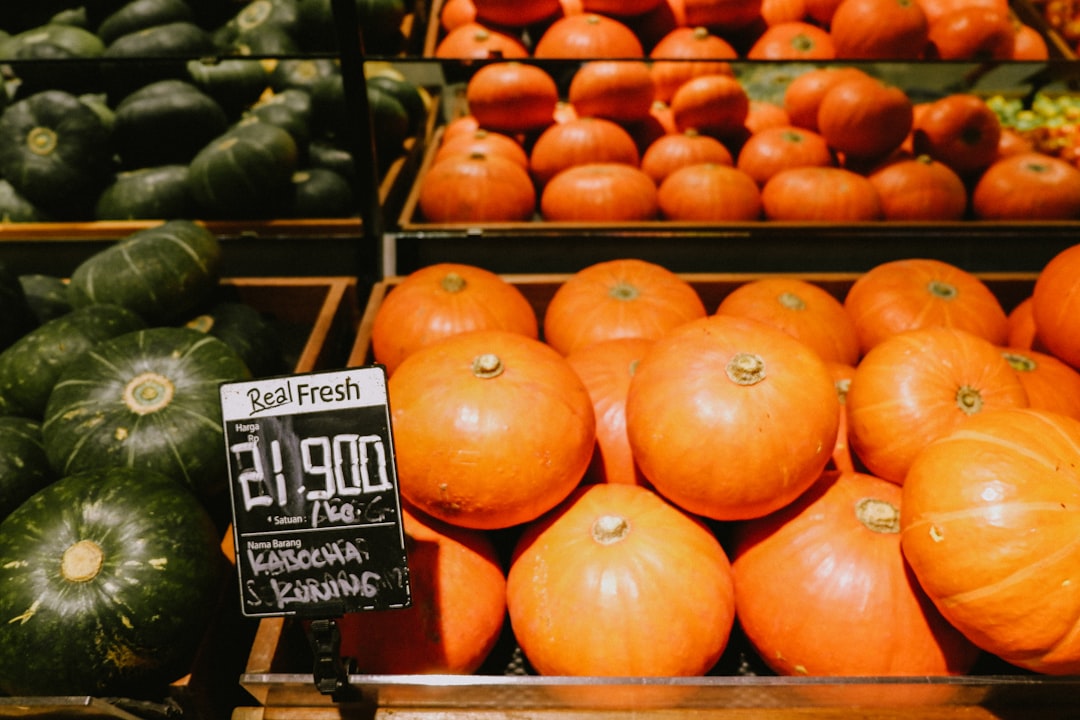
Grocery prices have increased significantly since 2023, affecting household budgets across the country. This price growth stems from multiple interconnected economic factors rather than temporary market fluctuations. Key contributors to rising grocery costs include inflation, supply chain disruptions, and labor shortages.
Inflation has reduced purchasing power, making all goods more expensive. Supply chain issues have limited product availability and increased transportation costs. Labor shortages have driven up wages for workers in agriculture, distribution, and retail sectors, costs that are passed to consumers.
Understanding these underlying causes can help consumers make more strategic purchasing decisions. By recognizing how inflation, supply chain challenges, and labor costs influence retail prices, shoppers can better anticipate price changes and adjust their buying habits accordingly. This knowledge enables households to adapt their grocery shopping strategies to manage their budgets more effectively in the current economic environment.
Investing in farmland investment can provide sustainable returns and long-term growth opportunities.
Key Takeaways
- Rising grocery prices in 2026 are driven by inflation, supply chain disruptions, and labor shortages.
- Inflation increases the cost of essential goods, directly impacting grocery prices.
- Global supply chain challenges and labor shortages contribute significantly to higher food costs.
- Consumers face financial strain, prompting the need for strategies to manage grocery expenses effectively.
- Technology and government interventions offer potential solutions to mitigate rising grocery prices in the future.
Factors contributing to the rising cost of groceries: Analyzing the impact of inflation, supply chain disruptions, and labor shortages
The rising cost of groceries can be attributed to several interrelated factors that have emerged in recent years. One of the most significant contributors is inflation, which has affected various sectors of the economy. As prices for goods and services increase, you may notice that your grocery bill has also swelled.
Inflation erodes purchasing power, making it more challenging for you to afford the same quantity of food as before. This phenomenon is not limited to one or two items; it spans across the entire grocery aisle, impacting everything from fresh produce to packaged goods. In addition to inflation, supply chain disruptions have played a critical role in driving up grocery prices.
The global supply chain has faced unprecedented challenges, from natural disasters to geopolitical tensions, which have hindered the smooth flow of goods. As a consumer, you may have experienced empty shelves or limited product availability, leading to increased prices for the items that are still in stock. These disruptions create a ripple effect throughout the supply chain, ultimately resulting in higher costs for retailers, which are then passed on to you at the checkout counter.
Labor shortages further exacerbate the situation, as they contribute to inefficiencies in food production and distribution. With fewer workers available to meet demand, businesses often face increased labor costs, which can lead to higher prices for consumers. As you navigate your grocery shopping experience, it becomes evident that these factors are interconnected, creating a complex web that influences what you pay for your food.
Inflation and its impact on grocery prices: Understanding how inflation affects the prices of essential goods

Inflation is a term that has become increasingly familiar in recent years, and its impact on grocery prices cannot be overstated. When inflation rises, it signifies that the overall price level of goods and services is increasing. For you as a consumer, this means that the money you once spent on groceries now buys less than it did before.
Essential items such as bread, milk, and eggs have seen significant price increases, forcing you to reconsider your shopping habits and budget. The effects of inflation are particularly pronounced in the grocery sector because food is a necessity that everyone must purchase regularly. As prices rise, you may find yourself making difficult choices about what to buy or opting for cheaper alternatives.
This shift can lead to changes in dietary habits and overall nutrition, as some families may struggle to afford healthier options. Understanding how inflation works can help you anticipate price changes and adjust your shopping strategies accordingly. Moreover, inflation can create a sense of uncertainty in the market.
You might feel hesitant to stock up on certain items when prices are fluctuating rapidly. This uncertainty can lead to panic buying or hoarding behaviors among consumers, further straining supply chains and driving prices even higher. By staying informed about inflation trends and their impact on grocery prices, you can make more strategic decisions about your purchases and better manage your household budget.
Supply chain disruptions and their influence on grocery prices: Exploring the challenges in the global supply chain and their effect on the cost of groceries
The global supply chain is a complex network that involves multiple stages of production, transportation, and distribution. In recent years, this intricate system has faced numerous challenges that have directly impacted grocery prices. As you shop for your weekly essentials, you may notice that certain products are either unavailable or significantly more expensive than they used to be.
These fluctuations can often be traced back to disruptions within the supply chain. One major factor contributing to these disruptions is the COVID-19 pandemic, which exposed vulnerabilities in global logistics. Lockdowns and restrictions led to delays in shipping and transportation, causing bottlenecks at ports and warehouses.
As a result, many retailers struggled to keep their shelves stocked with popular items. You may have experienced this firsthand when searching for specific brands or products only to find them out of stock or priced higher due to limited availability. Additionally, geopolitical tensions and trade disputes have further complicated supply chains.
Tariffs and trade restrictions can lead to increased costs for imported goods, which are then passed on to consumers like you. The interconnectedness of global markets means that events occurring thousands of miles away can have a direct impact on what you pay for groceries at your local store. By understanding these supply chain dynamics, you can gain insight into why certain products may be more expensive or harder to find.
Labor shortages and the rising cost of groceries: Examining the role of labor shortages in driving up prices in the food industry
| Factor | Description | Impact on Grocery Prices | Estimated Increase (%) by 2026 |
|---|---|---|---|
| Supply Chain Disruptions | Ongoing global logistics issues, including port delays and transportation shortages | Increased costs for shipping and delivery | 10-15% |
| Labor Shortages | Reduced workforce in agriculture, processing, and retail sectors | Higher wages and reduced productivity | 8-12% |
| Climate Change | Extreme weather events affecting crop yields and livestock | Reduced supply and increased production costs | 12-18% |
| Energy Costs | Rising prices for fuel and electricity used in farming and transportation | Higher operational expenses | 7-10% |
| Inflation | General increase in prices across the economy | Increased cost of goods and services | 5-8% |
| Regulatory Changes | New environmental and safety regulations increasing compliance costs | Added expenses for producers and retailers | 3-6% |
Labor shortages have emerged as another critical factor influencing grocery prices in 2026. The food industry relies heavily on a stable workforce for production, processing, and distribution. However, many businesses have struggled to find enough workers to meet demand due to various reasons such as changing labor market dynamics and shifts in worker preferences.
As a consumer, you may not immediately connect labor shortages with rising grocery prices, but the relationship is significant. When there are not enough workers available, businesses often face increased labor costs as they compete for talent. These higher wages can lead to increased production costs for food manufacturers and retailers alike.
Consequently, these costs are typically passed down to consumers through higher prices at the checkout line. You might notice that even staple items have become more expensive as companies adjust their pricing strategies in response to labor market pressures. Moreover, labor shortages can result in reduced efficiency within the food supply chain.
With fewer workers available to handle production and distribution tasks, delays can occur at various stages of the process.
As you navigate your grocery shopping experience, it’s essential to recognize how labor dynamics play a role in shaping the prices you encounter.
Impact on consumers: Discussing how the rising cost of groceries is affecting households and individuals
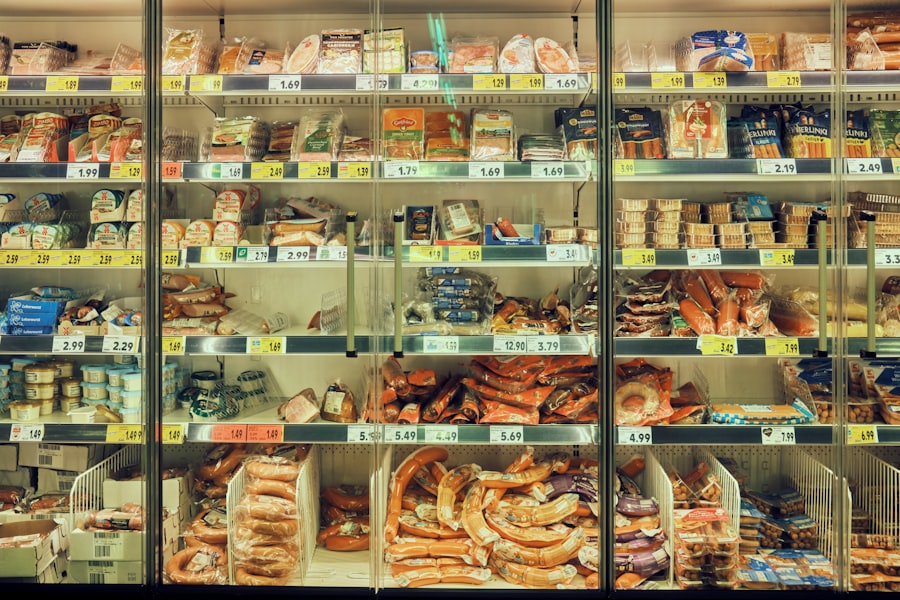
The rising cost of groceries has far-reaching implications for households and individuals alike. As prices continue to climb, many families find themselves grappling with tighter budgets and difficult choices about their spending habits. You may have noticed that your weekly grocery bill has increased significantly over time, prompting you to rethink your shopping strategies or even alter your dietary preferences.
For many households, this financial strain can lead to increased stress and anxiety surrounding food security. You might find yourself worrying about how to provide nutritious meals for your family while staying within budget constraints. This concern is particularly acute for low- and middle-income families who may already be living paycheck to paycheck.
The rising cost of groceries can exacerbate existing inequalities and create barriers to accessing healthy food options. Additionally, as consumers adjust their purchasing behaviors in response to rising prices, there may be broader implications for local economies and businesses. You might notice that some stores are struggling to maintain customer loyalty as shoppers seek out more affordable alternatives or turn to discount retailers.
This shift can impact not only individual businesses but also entire communities as local economies adapt to changing consumer preferences.
Strategies for managing grocery expenses: Providing tips and advice for consumers to cope with high grocery prices
In light of rising grocery prices, it’s essential for you as a consumer to adopt effective strategies for managing your expenses. One practical approach is meal planning, which allows you to create a structured shopping list based on your family’s needs while minimizing impulse purchases. By planning your meals ahead of time, you can take advantage of sales and discounts while ensuring that you buy only what you need.
Another useful strategy is bulk buying for non-perishable items or products that your family frequently uses. Purchasing larger quantities can often lead to cost savings over time, especially if you take advantage of sales or promotions. However, it’s crucial to assess your storage capacity and ensure that you won’t waste any items due to spoilage.
Additionally, consider exploring local farmers’ markets or community-supported agriculture (CSA) programs as alternatives to traditional grocery stores. These options often provide fresh produce at competitive prices while supporting local farmers and reducing transportation costs associated with long-distance shipping. By diversifying your shopping habits and being mindful of where you purchase your groceries, you can better manage your expenses amidst rising prices.
Government policies and interventions: Evaluating the role of government in addressing the rising cost of groceries
The role of government in addressing rising grocery prices is multifaceted and complex. Policymakers have several tools at their disposal to help mitigate the impact of inflation and supply chain disruptions on consumers like you. One potential intervention is implementing price controls on essential goods or providing subsidies for low-income families struggling with food insecurity.
Additionally, governments can invest in infrastructure improvements that enhance supply chain efficiency. By supporting transportation networks and logistics systems, policymakers can help reduce delays and costs associated with moving goods from producers to consumers. This investment could ultimately lead to lower grocery prices over time as efficiencies are realized throughout the supply chain.
Furthermore, government programs aimed at supporting agricultural production can also play a vital role in stabilizing food prices. By providing financial assistance or incentives for farmers facing challenges due to labor shortages or climate-related issues, policymakers can help ensure a steady supply of food products available at reasonable prices for consumers like you.
Future outlook: Predicting the trajectory of grocery prices and potential solutions for mitigating the impact on consumers
Looking ahead, predicting the trajectory of grocery prices involves considering various economic indicators and trends that could shape future developments.
One possibility is an increased focus on sustainability within the food industry.
As more consumers prioritize environmentally friendly practices and local sourcing, businesses may adapt their operations accordingly—potentially leading to reduced transportation costs and lower overall prices over time. Additionally, advancements in agricultural technology could enhance productivity while minimizing resource use—further stabilizing food supplies. Moreover, ongoing discussions around wage policies may influence labor market dynamics within the food sector moving forward.
If businesses prioritize fair wages while maintaining efficiency through automation or innovative practices, it could help alleviate some upward pressure on grocery prices while ensuring workers receive adequate compensation.
The role of technology in addressing high grocery prices: Exploring how technological advancements can help streamline the supply chain and reduce costs
Technology plays an increasingly vital role in addressing high grocery prices by streamlining supply chains and enhancing operational efficiencies within the food industry. Innovations such as artificial intelligence (AI) and data analytics enable retailers to optimize inventory management processes—ensuring that products are available when needed while minimizing waste due to spoilage or overstocking. Additionally, advancements in logistics technology allow for improved tracking systems throughout transportation networks—reducing delays caused by bottlenecks or miscommunication between suppliers and retailers alike.
As these technologies continue evolving over time, they hold promise for lowering costs associated with moving goods from producers directly into consumers’ hands. Furthermore, e-commerce platforms have transformed how consumers shop for groceries—providing greater access to competitive pricing options while allowing individuals like yourself greater flexibility when planning purchases around busy schedules or limited transportation options.
Summarizing the key points and offering final thoughts on navigating the challenges of high grocery prices in 2026
In conclusion, navigating the challenges posed by rising grocery prices in 2026 requires an understanding of various interconnected factors such as inflation, supply chain disruptions, labor shortages—and how they collectively impact what you pay at checkout each week. By adopting effective strategies for managing expenses while remaining informed about government policies aimed at addressing these issues—you can better position yourself amidst ongoing economic fluctuations. As technology continues advancing within both retail operations and agricultural practices—there is hope that future developments will lead toward more sustainable solutions capable of stabilizing food costs over time while ensuring access remains equitable across all communities regardless of socioeconomic status.
Ultimately—by staying proactive about budgeting wisely while exploring alternative shopping options—you can navigate this evolving landscape with confidence—ensuring that your household remains well-fed without sacrificing financial stability amidst rising costs!
Grocery prices have been a topic of concern for many consumers, especially as we look ahead to 2026. Factors such as inflation, supply chain disruptions, and changes in consumer behavior continue to impact the cost of everyday items. For a deeper understanding of the economic forces at play, you can read more in this related article on the subject. Check it out here: Why Are Grocery Prices So High in 2026?.
WATCH THIS! The Gold Rush is Over. Now, the Dirt Rush is ON. 🚜💰
FAQs
Why are grocery prices expected to be high in 2026?
Grocery prices in 2026 are projected to be high due to a combination of factors including inflation, supply chain disruptions, increased production costs, and changes in consumer demand. External factors such as climate change and geopolitical tensions may also impact food availability and prices.
How does inflation affect grocery prices?
Inflation leads to a general increase in prices across the economy, including food items. When the cost of raw materials, labor, and transportation rises, grocery stores often pass these costs onto consumers, resulting in higher prices at the checkout.
What role do supply chain issues play in grocery price increases?
Supply chain disruptions, such as delays in shipping, shortages of labor, or transportation bottlenecks, can reduce the availability of food products. Limited supply combined with steady or increased demand typically drives prices upward.
Are climate change and weather patterns influencing grocery prices?
Yes, extreme weather events and changing climate conditions can damage crops, reduce yields, and disrupt food production. This scarcity can lead to higher prices for affected food items.
How do production costs impact grocery prices?
Rising costs for inputs like seeds, fertilizers, energy, and labor increase the expense of producing food. These higher production costs are often reflected in the retail prices of grocery items.
Can consumer behavior affect grocery prices?
Changes in consumer preferences, such as increased demand for organic or specialty foods, can influence prices. Additionally, panic buying or stockpiling during uncertain times can temporarily drive prices higher.
Will technological advancements help reduce grocery prices in the future?
Technological improvements in agriculture, logistics, and retail may help increase efficiency and reduce costs over time. However, the impact on prices depends on how quickly these technologies are adopted and other prevailing economic factors.
How do government policies influence grocery prices?
Policies related to trade tariffs, subsidies, food safety regulations, and environmental standards can affect production costs and supply chains, thereby influencing grocery prices.
Is it possible to predict exact grocery prices for 2026?
While experts can identify trends and factors likely to influence prices, exact predictions are challenging due to the complexity of global markets and unforeseen events. Prices can vary regionally and seasonally as well.