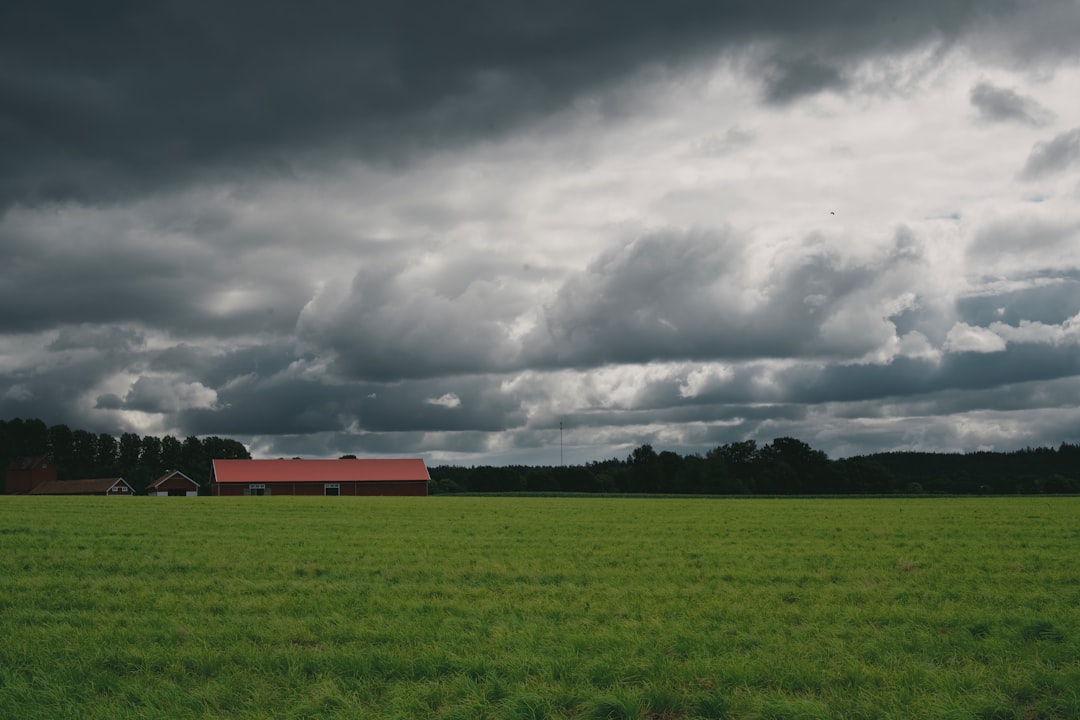
Farmland investment has become a prominent investment category in recent years, attracting both individual and institutional investors. Agricultural land appeals to investors due to its potential for long-term value appreciation and the rising global demand for food production. As urban expansion reduces the availability of arable land, farmland values have increased substantially, establishing it as a viable asset class.
This trend reflects fundamental economic changes and evolving consumer preferences that emphasize sustainability and food security. The expansion of farmland investment is also driven by increased recognition of climate change’s effects on agricultural productivity. Investors are acknowledging that sustainable farming methods can generate financial returns alongside environmental benefits.
The motivations for farmland investment vary considerably among different investor types and investment strategies.
Key Takeaways
- Farmland investment is increasing rapidly, driven by diverse buyers including institutional investors.
- Local farmers face challenges due to rising land prices and changing ownership patterns.
- Environmental impacts and sustainability concerns are central to farmland investment debates.
- Government policies and regulations play a crucial role in managing farmland ownership and use.
- Ethical considerations and community activism are influencing the future direction of farmland investment.
Who’s Buying Up Farmland?
The landscape of farmland ownership is evolving, with a diverse array of buyers entering the market. You might be surprised to learn that institutional investors, such as pension funds and insurance companies, are among the most significant players in this arena. These entities are drawn to farmland for its potential to provide stable returns and hedge against inflation.
Their substantial capital allows them to acquire large tracts of land, often outbidding local farmers and smaller investors. In addition to institutional investors, high-net-worth individuals and family offices are also increasingly purchasing farmland. These buyers often seek to diversify their investments while supporting sustainable agricultural practices.
You may find it interesting that tech entrepreneurs and venture capitalists are also getting involved, viewing farmland as a way to innovate within the agricultural sector. This influx of capital from various sources is reshaping the dynamics of farmland ownership, leading to a concentration of land in the hands of a few. Investing in farmland investment can provide sustainable returns and long-term growth opportunities.
The Impact on Local Farmers
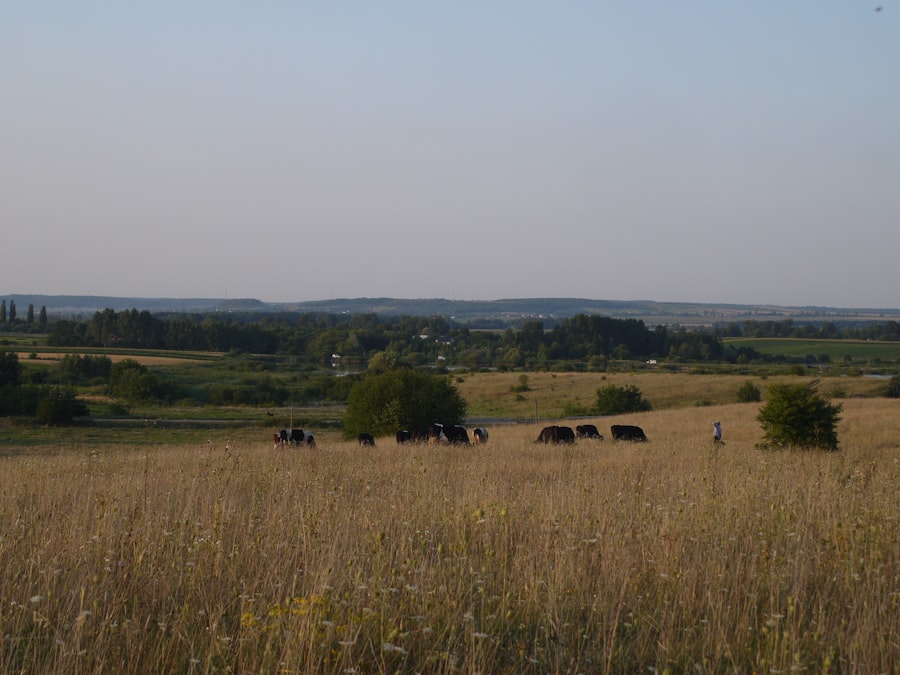
The rise of farmland investment has profound implications for local farmers, many of whom struggle to compete with deep-pocketed investors. As farmland prices soar, you may notice that it becomes increasingly difficult for small-scale farmers to acquire or maintain their land. This trend can lead to a loss of local agricultural knowledge and practices, as traditional farming families are forced to sell their land to larger entities.
Moreover, the shift in ownership often results in changes to land management practices. Investors may prioritize short-term profits over sustainable farming methods, which can have detrimental effects on soil health and biodiversity. You might observe that local farmers are increasingly concerned about the future of their livelihoods and the agricultural landscape they have nurtured for generations.
The tension between investors and local farmers highlights the need for a more equitable approach to farmland ownership that considers the interests of all stakeholders.
Environmental Concerns
As you explore the implications of farmland investment, environmental concerns come to the forefront. The industrialization of agriculture, driven by profit motives, can lead to practices that harm ecosystems and deplete natural resources. You may find that large-scale monoculture farming, often favored by investors seeking efficiency, can result in soil degradation, loss of biodiversity, and increased reliance on chemical inputs.
Additionally, the focus on maximizing yields can exacerbate climate change issues. You might be interested to learn that deforestation for agricultural expansion contributes significantly to greenhouse gas emissions. As investors prioritize short-term gains, the long-term health of the planet may be compromised.
This raises critical questions about the responsibility of investors in ensuring that their practices align with environmental sustainability.
Government Regulations and Policies
| Metric | Description | Data / Value | Source / Notes |
|---|---|---|---|
| Amount of Farmland Acquired | Total acres of farmland purchased by Wall Street investors in the last decade | Over 20 million acres | Various reports from agricultural investment analyses |
| Percentage of US Farmland Owned by Institutional Investors | Share of farmland owned by private equity firms, pension funds, and other institutional investors | Approximately 2-3% | USDA and investment research data |
| Annual Return on Farmland Investments | Average yearly financial return for investors in farmland assets | 8-12% | Investment fund performance reports |
| Impact on Local Farmers | Reported effects such as increased land prices and lease rates | Land prices increased by 15-25% in some regions | Local agricultural market studies |
| Primary Motivations for Wall Street Farmland Investment | Reasons behind institutional interest in farmland | Portfolio diversification, inflation hedge, rising food demand | Financial analyst reports |
| Geographic Focus Areas | Regions where Wall Street farmland acquisitions are concentrated | Midwest US, Brazil, Australia | Global farmland investment tracking |
| Concerns Raised | Issues related to Wall Street farmland ownership | Land access for family farmers, food sovereignty, environmental impact | Academic and NGO reports |
Government regulations play a crucial role in shaping the landscape of farmland investment. You may find that policies regarding land ownership, agricultural subsidies, and environmental protections vary significantly from one region to another. In some areas, governments have implemented measures to limit foreign ownership of agricultural land, aiming to protect local farmers and ensure food security.
However, regulatory frameworks often lag behind the rapid pace of farmland investment. You might observe that many countries struggle to balance attracting foreign investment with safeguarding local interests. This creates a complex environment where investors navigate a patchwork of regulations while local farmers advocate for policies that support their livelihoods.
As you consider these dynamics, it becomes clear that effective governance is essential for fostering a sustainable and equitable agricultural sector.
The Role of Institutional Investors
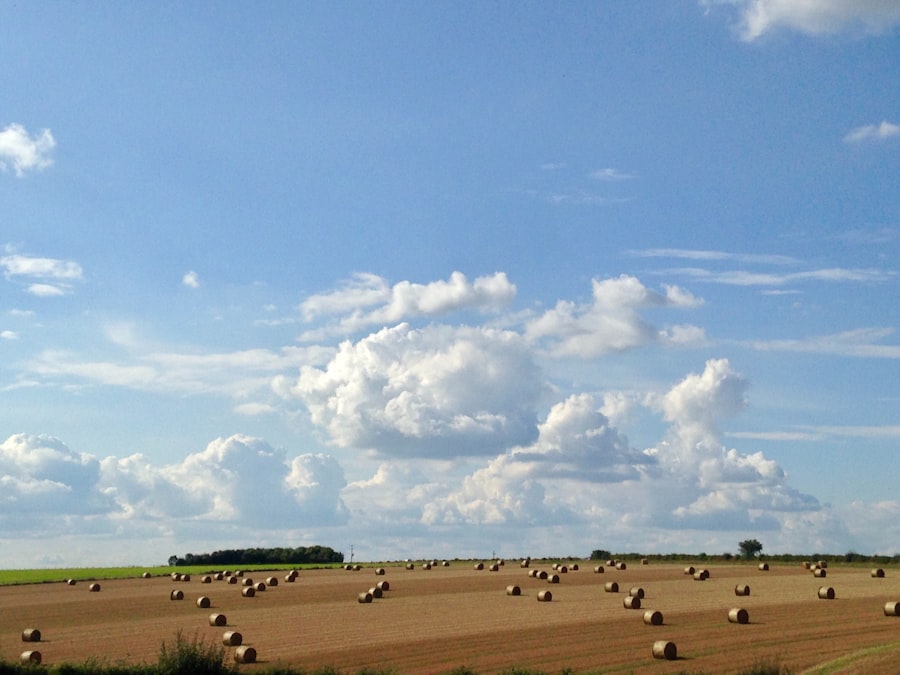
Institutional investors have become key players in the farmland investment landscape, wielding significant influence over agricultural practices and land use. You may find it intriguing that these entities often have long-term investment horizons, which can lead to more sustainable farming practices compared to short-term profit-driven approaches. However, their involvement also raises concerns about the concentration of land ownership and its implications for local communities.
As institutional investors acquire vast tracts of farmland, you might notice a shift in power dynamics within rural areas. Local farmers may feel marginalized as decisions about land use are made by distant entities focused primarily on financial returns. This can lead to tensions between investors and communities that have deep-rooted connections to the land.
Understanding the role of institutional investors is essential for grasping the complexities of modern farmland ownership and its impact on local economies.
Farmland Grab and Food Security
The phenomenon known as “land grabbing” has garnered significant attention in recent years, particularly in relation to food security issues. You may find it alarming that large-scale acquisitions of agricultural land by foreign investors can undermine local food systems and exacerbate hunger in vulnerable communities. When land is diverted from food production to cash crops or biofuels, it can lead to increased food prices and reduced access for local populations.
As you explore this issue further, you might discover that land grabs often occur in regions with weak governance structures, where local communities lack the power to resist external pressures. This raises ethical questions about the responsibilities of investors and governments in ensuring that land acquisitions do not come at the expense of food security for local populations. The intersection of farmland investment and food security is a critical area for discussion as global demand for food continues to rise.
The Globalization of Farmland Ownership
The globalization of farmland ownership is reshaping agricultural landscapes around the world. You may notice that investors from wealthier nations are increasingly acquiring land in developing countries, seeking opportunities for profit while often disregarding local needs and customs.
As you consider the implications of globalized farmland ownership, you might reflect on how this phenomenon affects traditional farming practices and cultural identities. The influx of foreign capital can lead to changes in land use that prioritize export-oriented agriculture over subsistence farming, threatening food sovereignty in many regions. Understanding these dynamics is crucial for addressing the challenges posed by globalization in agriculture.
Community Resistance and Activism
In response to the challenges posed by farmland investment and land grabbing, communities around the world are mobilizing to resist these trends. You may find it inspiring that grassroots movements are emerging to advocate for land rights and sustainable agricultural practices. Local farmers, activists, and concerned citizens are coming together to challenge unjust land acquisitions and promote policies that prioritize community needs.
As you delve into these movements, you might discover stories of resilience and solidarity among communities fighting for their rights. Activism takes many forms, from protests against land grabs to campaigns advocating for policy changes at local and national levels. This growing resistance highlights the importance of community engagement in shaping the future of agriculture and ensuring that investments align with social and environmental justice.
Ethical and Social Responsibility in Farmland Investment
As farmland investment continues to grow, ethical considerations are becoming increasingly important for investors and stakeholders alike. You may find it essential to reflect on what constitutes responsible investment in agriculture. This includes not only financial returns but also social impacts on local communities and environmental sustainability.
Investors are beginning to recognize that their actions can have far-reaching consequences beyond mere profit margins. You might be interested in exploring how socially responsible investing (SRI) principles are being applied within the context of farmland investment. By prioritizing ethical considerations alongside financial goals, investors can contribute positively to local economies while promoting sustainable agricultural practices.
The Future of Farmland Ownership and Investment
Looking ahead, the future of farmland ownership and investment is likely to be shaped by a combination of economic trends, environmental challenges, and social movements. You may find it intriguing that as awareness grows around issues like climate change and food security, there is potential for a shift toward more sustainable models of agriculture that prioritize community well-being. Innovative approaches such as agroecology and regenerative farming are gaining traction as alternatives to conventional industrial agriculture.
As you consider these developments, you might reflect on how technology can play a role in transforming farmland investment practices for the better. The integration of data-driven decision-making tools could empower farmers while providing investors with insights into sustainable practices. In conclusion, as you navigate the complexities surrounding farmland investment, it becomes clear that this issue encompasses a wide range of economic, social, and environmental factors.
Understanding these dynamics is essential for fostering a more equitable future in agriculture—one where both investors and local communities can thrive together.
The recent trend of large investment firms acquiring farmland has raised numerous questions about the implications for local communities and food security. For a deeper understanding of how wealth is being generated through these agricultural investments, you can read more in this insightful article on wealth growth strategies at How Wealth Grows. This resource provides valuable context to the ongoing farmland grab and its potential impact on the economy and society.
WATCH THIS! The Gold Rush is Over. Now, the Dirt Rush is ON. 🚜💰
FAQs
What is the Wall Street farmland grab?
The Wall Street farmland grab refers to the increasing trend of large investment firms and financial institutions purchasing vast tracts of agricultural land, often in rural areas, as a form of investment.
Why are Wall Street investors interested in farmland?
Investors are attracted to farmland because it is considered a stable, long-term asset that can provide steady returns through crop production, land appreciation, and potential tax benefits. Farmland also offers diversification in investment portfolios.
How does the Wall Street farmland grab impact local farmers?
The influx of investment firms buying farmland can lead to higher land prices, making it difficult for local farmers to purchase or expand their land. It may also shift land management priorities from traditional farming to profit-driven models.
Is the Wall Street farmland grab a recent phenomenon?
While institutional investment in farmland has existed for decades, the scale and pace of acquisitions by Wall Street firms have increased significantly in the past 10 to 15 years, especially after the 2008 financial crisis.
What regions are most affected by Wall Street farmland investments?
Regions with fertile soil and favorable climate conditions, such as the Midwest and Southern United States, as well as parts of South America and Africa, have seen significant interest from Wall Street investors.
Are there any regulations governing Wall Street investments in farmland?
Regulations vary by country and region. In the U.S., there are few restrictions on foreign or institutional ownership of farmland, though some states have specific laws. Other countries may have stricter controls to protect local agriculture.
What are the potential benefits of Wall Street investing in farmland?
Potential benefits include increased capital for agricultural development, improved infrastructure, and the introduction of advanced farming technologies. It can also provide farmers with opportunities to lease land or access new markets.
What are the criticisms of the Wall Street farmland grab?
Critics argue that it can lead to land concentration, reduced access for small farmers, prioritization of profits over sustainable farming practices, and potential negative impacts on rural communities and food security.
How does farmland investment compare to other types of investments?
Farmland is considered a relatively low-risk, inflation-hedged investment with steady returns, unlike more volatile assets like stocks. It also provides tangible assets and potential income through agricultural production.
What is the future outlook for Wall Street farmland investments?
The trend is expected to continue as global demand for food rises and investors seek stable assets. However, increasing awareness of social and environmental impacts may lead to more scrutiny and calls for responsible investment practices.