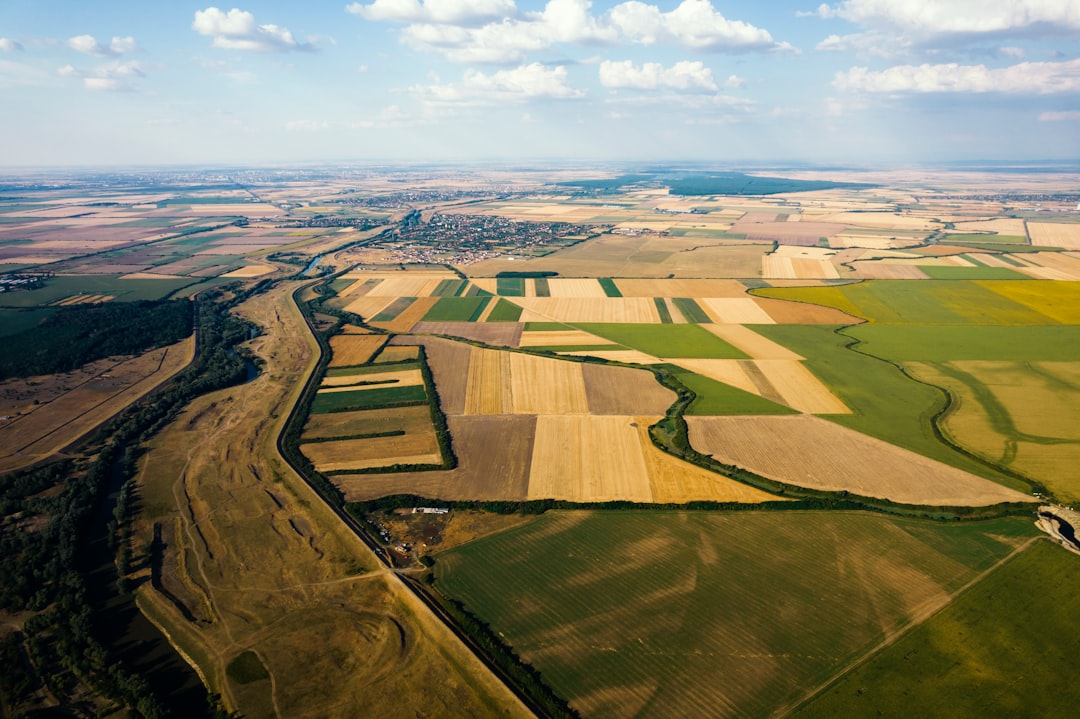
Farmland investment presents potential benefits for portfolio diversification and sustainable agriculture participation. However, investors must thoroughly evaluate the associated risks before committing capital. The agricultural sector experiences significant volatility driven by market conditions, weather patterns, commodity prices, and regulatory changes.
Successful farmland investors require comprehensive risk management strategies to protect capital and achieve financial objectives. Farmland investment risks span multiple categories: market risks, environmental hazards, political and regulatory factors, financial constraints, operational challenges, legal considerations, technological requirements, social factors, and land use restrictions. Each category presents distinct challenges affecting investment performance.
Understanding these risk dimensions enables investors to make evidence-based decisions and implement effective mitigation strategies. This analytical approach allows investors to evaluate farmland opportunities objectively, considering both potential returns and inherent vulnerabilities.
Key Takeaways
- Farmland investment carries diverse risks including market volatility, environmental challenges, and regulatory changes.
- Understanding political, legal, and zoning issues is crucial to avoid unexpected complications.
- Operational and technological risks can impact productivity and investment returns.
- Social factors and community relations play a significant role in the sustainability of farmland investments.
- Implementing best practices and risk mitigation strategies is essential for protecting and maximizing farmland investment value.
Market Risks in Farmland Investment
Market risks are perhaps the most immediate concerns for anyone considering farmland investment. These risks stem from fluctuations in commodity prices, which can significantly affect the profitability of agricultural operations. For instance, if you invest in farmland primarily for crop production, a sudden drop in the price of key crops like corn or soybeans could lead to reduced income for farmers and, consequently, lower returns for you as an investor.
Understanding market trends and price volatility is essential for making sound investment decisions. Additionally, market risks are not limited to crop prices alone; they also encompass broader economic conditions that can influence demand for agricultural products. Factors such as changes in consumer preferences, trade policies, and global economic shifts can all impact the agricultural market.
As an investor, staying informed about these trends and their potential implications for your farmland investment is crucial. Engaging with agricultural economists or market analysts can provide valuable insights that help you anticipate market movements and adjust your investment strategy accordingly. Investing in farmland investment can provide sustainable returns and long-term growth opportunities.
Environmental Risks in Farmland Investment
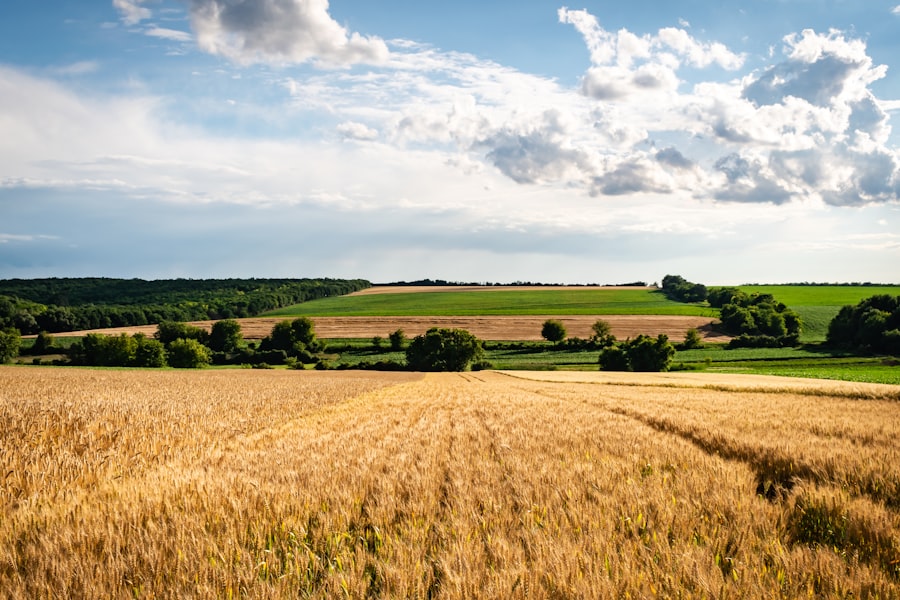
Environmental risks pose another significant challenge for farmland investors. Climate change is increasingly affecting agricultural productivity through unpredictable weather patterns, droughts, floods, and pest infestations. These environmental factors can lead to crop failures or reduced yields, directly impacting your investment’s profitability.
As an investor, it is essential to consider the specific environmental conditions of the farmland you are interested in and how they may change over time. Moreover, soil health and water availability are critical components of successful farming operations. Poor soil quality or limited access to water resources can hinder agricultural productivity and lead to financial losses.
Conducting thorough due diligence on the environmental aspects of a potential investment is vital. This may involve soil testing, assessing water rights, and understanding local climate trends to ensure that your investment is resilient against environmental challenges.
Political and Regulatory Risks in Farmland Investment
Political and regulatory risks are another layer of complexity in farmland investment. Agricultural policies can change with new administrations or shifts in public sentiment, impacting everything from subsidies to land use regulations. For instance, changes in government support for certain crops or farming practices can alter the economic landscape for farmers and investors alike.
As you consider investing in farmland, it is essential to stay informed about current political climates and potential policy changes that could affect your investment. Additionally, zoning laws and land use regulations can pose significant challenges. Local governments may impose restrictions on how land can be used or developed, which could limit your options for maximizing the value of your investment.
Understanding the regulatory environment in the area where you plan to invest is crucial for avoiding unexpected hurdles down the line. Engaging with local agricultural organizations or legal experts can provide insights into the political landscape and help you navigate potential regulatory challenges.
Financial Risks in Farmland Investment
| Risk/Danger | Description | Potential Impact | Mitigation Strategies |
|---|---|---|---|
| Climate Change | Unpredictable weather patterns affecting crop yields | Reduced productivity, crop failure | Diversify crops, invest in irrigation, use climate-resilient seeds |
| Market Volatility | Fluctuations in commodity prices and demand | Income instability, lower returns | Long-term contracts, crop diversification, market research |
| Regulatory Risks | Changes in land use laws, zoning, or environmental regulations | Legal challenges, increased costs | Stay informed on policies, legal consultation, compliance planning |
| Soil Degradation | Loss of soil fertility due to overuse or poor practices | Lower yields, increased input costs | Implement sustainable farming, crop rotation, soil testing |
| Water Scarcity | Limited access to water resources for irrigation | Crop stress, reduced production | Water-efficient technologies, rainwater harvesting, drought-resistant crops |
| Political Instability | Unrest or policy shifts affecting land ownership or investment | Asset loss, operational disruption | Political risk insurance, diversify locations, local partnerships |
| Pest and Disease Outbreaks | Infestations or diseases damaging crops | Yield loss, increased management costs | Integrated pest management, regular monitoring, resistant varieties |
| Liquidity Risk | Difficulty in selling farmland quickly | Capital tied up, limited exit options | Invest in well-located land, maintain good records, consider lease options |
Financial risks are inherent in any investment, and farmland is no exception. The initial capital required to purchase farmland can be substantial, and ongoing operational costs—such as maintenance, labor, and equipment—can add up quickly. If crop yields are lower than expected or market prices decline, you may find yourself facing financial strain.
It is essential to conduct a thorough financial analysis before committing to a farmland investment to ensure that you have a clear understanding of potential costs and revenue streams. Moreover, access to financing can also present challenges. Depending on your financial situation and creditworthiness, securing loans or other forms of financing may be difficult.
Interest rates can fluctuate, impacting your overall cost of borrowing and potentially affecting your return on investment. As you explore farmland investment opportunities, consider developing a comprehensive financial plan that accounts for various scenarios—both optimistic and pessimistic—to prepare for potential financial challenges.
Operational Risks in Farmland Investment
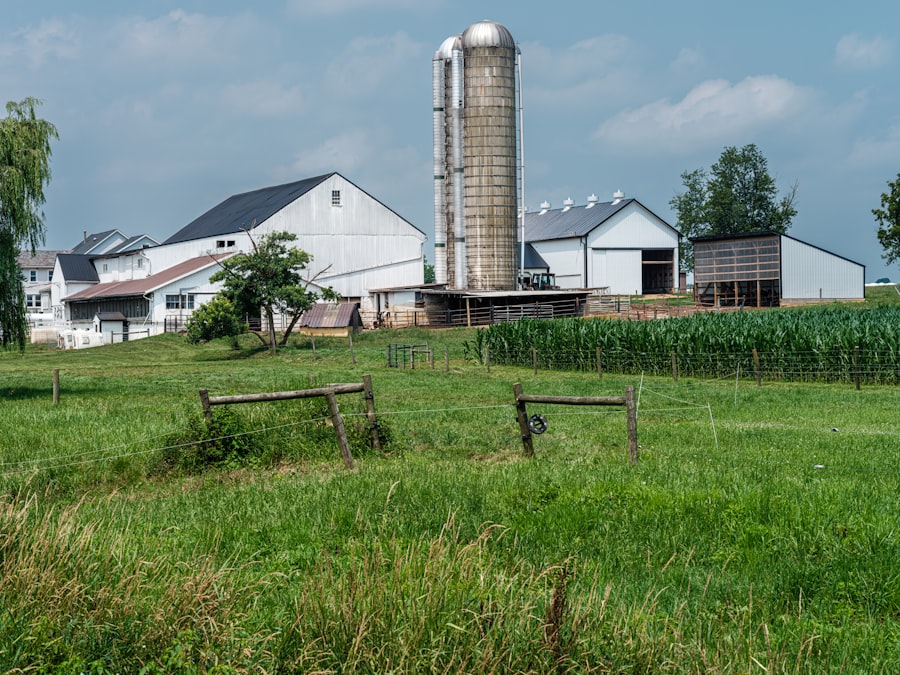
Operational risks encompass the day-to-day challenges associated with managing farmland effectively. If you are not directly involved in farming operations, you will likely rely on farm managers or tenants to oversee production. This reliance introduces risks related to management quality and decision-making.
Poor management practices can lead to inefficiencies, reduced yields, and ultimately lower returns on your investment. Additionally, operational risks also include issues related to labor availability and expertise. The agricultural sector often faces labor shortages, particularly during peak planting and harvesting seasons.
If your farm relies on seasonal workers who are not available when needed, it could result in missed opportunities for maximizing yields. To mitigate these operational risks, consider establishing strong relationships with experienced farm managers or investing in training programs that enhance the skills of your workforce.
Legal Risks in Farmland Investment
Legal risks are an often-overlooked aspect of farmland investment but can have significant implications for your ownership experience. Issues such as land disputes, title claims, or environmental regulations can arise unexpectedly and lead to costly legal battles. Before investing in farmland, it is crucial to conduct thorough due diligence on the property’s legal status.
This includes verifying ownership titles, understanding any existing liens or encumbrances, and ensuring compliance with local laws. Furthermore, as an investor, you must also be aware of liability issues related to farming operations. If someone is injured on your property or if there are environmental violations associated with your land use, you could face legal repercussions that impact your financial standing.
Engaging with legal professionals who specialize in agricultural law can help you navigate these complexities and protect your interests as a farmland investor.
Technological Risks in Farmland Investment
In today’s rapidly evolving agricultural landscape, technology plays a pivotal role in enhancing productivity and efficiency. However, reliance on technology also introduces certain risks that investors must consider. For instance, if you invest in farmland that relies heavily on precision agriculture technologies or automated systems, any failure or malfunction could disrupt operations and impact yields.
Moreover, keeping up with technological advancements requires ongoing investments in equipment and training. If you fail to adopt new technologies or keep pace with industry innovations, you risk falling behind competitors who leverage these tools effectively.
Social Risks in Farmland Investment
Social risks encompass the broader societal dynamics that can influence farmland investments. Public perception of agriculture has evolved significantly over the years, with increasing scrutiny on farming practices related to sustainability and environmental impact. If your farmland investment is associated with practices deemed harmful or unsustainable by the community or consumers, it could lead to reputational damage and decreased demand for products.
Additionally, social factors such as community relations and labor practices play a crucial role in the success of agricultural operations. Building positive relationships with local communities can enhance your investment’s reputation and foster goodwill among consumers. Engaging with stakeholders—such as local residents, advocacy groups, and consumers—can help you navigate social dynamics effectively and mitigate potential risks associated with public perception.
Risks Associated with Land Use and Zoning
Land use and zoning regulations are critical considerations when investing in farmland. These regulations dictate how land can be utilized and developed within specific areas. Changes in zoning laws can significantly impact the value of your investment; for example, if agricultural land is re-zoned for commercial development, it could lead to increased property values but also introduce competition from urban development.
Understanding local zoning laws is essential for making informed decisions about your farmland investment. You should also be aware of any potential changes on the horizon that could affect land use regulations in your area. Engaging with local planning authorities or real estate professionals can provide valuable insights into zoning trends and help you anticipate potential impacts on your investment.
Mitigating Farmland Investment Risks: Best Practices and Strategies
To successfully navigate the complex landscape of farmland investment risks, adopting best practices and strategies is essential. First and foremost, conducting thorough due diligence before making any investment decisions is crucial. This includes researching market trends, assessing environmental conditions, understanding regulatory frameworks, and evaluating financial projections.
Diversification is another effective strategy for mitigating risks associated with farmland investments. By spreading your investments across different types of crops or geographic regions, you can reduce exposure to market volatility or localized environmental challenges. Additionally, consider forming partnerships with experienced farmers or agricultural organizations that can provide valuable insights and expertise.
Finally, staying informed about industry trends and developments will empower you to make proactive decisions regarding your investments. Engaging with agricultural experts or attending industry conferences can help you stay ahead of emerging risks and opportunities within the farmland investment landscape. In conclusion, while farmland investment offers promising opportunities for growth and sustainability, it is not without its challenges.
By understanding the various risks involved—ranging from market fluctuations to environmental changes—you can develop strategies that enhance your chances of success in this dynamic sector.
Investing in farmland can be a lucrative opportunity, but it also comes with its own set of risks and dangers that potential investors should be aware of. For a deeper understanding of these challenges, you can read the article on farmland investment risks at How Wealth Grows. This resource provides valuable insights into the various factors that can impact the profitability and sustainability of farmland investments.
WATCH THIS! The Gold Rush is Over. Now, the Dirt Rush is ON. 🚜💰
FAQs
What are the common risks associated with farmland investment?
Common risks include market price volatility, adverse weather conditions, pest infestations, changes in government policies, and environmental regulations. Additionally, factors such as soil degradation and water scarcity can impact productivity and returns.
How does weather affect farmland investment?
Weather plays a critical role in crop yields and overall farm productivity. Droughts, floods, storms, and unseasonal temperature changes can reduce output, leading to financial losses for investors.
Can government policies impact farmland investments?
Yes, government policies related to land use, subsidies, taxation, and environmental regulations can significantly influence farmland values and profitability. Changes in these policies may increase costs or restrict farming activities.
Is farmland investment affected by market price fluctuations?
Absolutely. Crop prices and commodity markets can be highly volatile due to global supply and demand dynamics, trade policies, and economic conditions, which directly affect the income generated from farmland.
What environmental risks should investors consider?
Environmental risks include soil erosion, contamination, water scarcity, and loss of biodiversity. These factors can degrade land quality and reduce its long-term productivity and value.
Are there financial risks involved in farmland investment?
Yes, financial risks include liquidity issues, high entry costs, unexpected maintenance expenses, and potential difficulties in selling the land quickly if needed.
How can investors mitigate risks in farmland investment?
Investors can mitigate risks by conducting thorough due diligence, diversifying their investment portfolio, purchasing insurance, staying informed about market and policy changes, and working with experienced agricultural professionals.
Is farmland investment suitable for all investors?
Farmland investment may not be suitable for all investors due to its unique risks, long-term horizon, and potential illiquidity. It is important to assess individual risk tolerance and investment goals before committing capital.