
In recent years, corporate entities have significantly increased their acquisition of farmland. This trend has been driven by several factors, including rising global food demand, the expansion of agribusiness operations, and the recognition of agricultural land as a reliable investment asset. Corporate ownership of farmland represents a structural shift in agricultural production and control of food systems.
The expansion of corporate farmland ownership began in the early 2000s when institutional investors identified profit opportunities in agricultural land. With the global population expected to reach approximately 10 billion by 2050, demand for food production has increased substantially. Corporations have responded by purchasing farmland for both direct agricultural production and as a financial hedge against inflation and economic instability.
This consolidation of farmland ownership has consequences that extend beyond economic considerations, affecting food security, environmental sustainability, and social equity.
Key Takeaways
- Corporate entities are increasingly acquiring farmland, reshaping ownership patterns in agriculture.
- Small farmers face challenges such as reduced land access and market competition due to corporate ownership.
- Corporate farmland ownership influences food production methods, distribution channels, and environmental sustainability.
- Government policies play a critical role in regulating and responding to the growth of corporate farmland ownership.
- Empowering small farmers through strategic measures is essential to balance the agricultural landscape and ensure equitable land use.
The Impact of Corporate Ownership on Small Farmers
As corporate entities expand their reach into agriculture, small farmers find themselves facing unprecedented challenges. You may have heard stories of family farms being squeezed out by larger operations that can produce food at lower costs due to economies of scale. This dynamic creates a competitive disadvantage for small farmers, who often struggle to keep up with the financial demands of modern agriculture.
The result is a troubling trend: many small farms are going out of business, leading to a loss of local food systems and community ties. Moreover, corporate ownership often leads to a homogenization of agricultural practices. You might notice that small farmers are pressured to adopt methods that prioritize efficiency and yield over sustainability and biodiversity.
This shift can diminish the variety of crops available in local markets and reduce the resilience of food systems. As you reflect on these changes, it becomes clear that the impact of corporate ownership extends beyond individual farmers; it affects entire communities and ecosystems. Investing in farmland investment can provide sustainable returns and long-term growth opportunities.
Uncovering the Hidden Players in Corporate Farmland Ownership
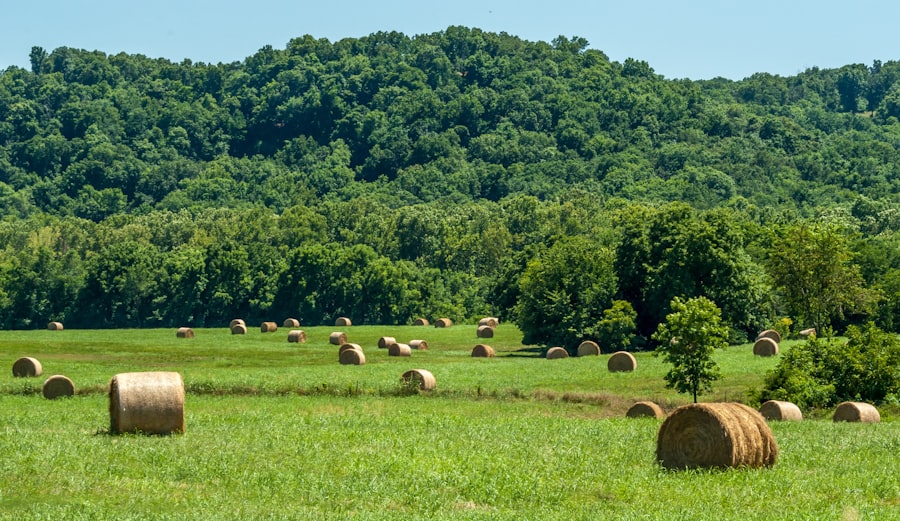
When you think about corporate farmland ownership, you might picture large agribusinesses or investment firms. However, the reality is more complex, with a web of hidden players influencing land acquisition and management. You may be surprised to learn that pension funds, insurance companies, and even sovereign wealth funds are increasingly investing in agricultural land as part of their portfolios.
These entities often operate behind the scenes, making it difficult for consumers and policymakers to understand who truly controls the land. This lack of transparency can have significant consequences for local communities and food systems.
Their focus on maximizing returns can lead to practices that are detrimental to both the environment and local economies. By uncovering these hidden players, you can better understand the dynamics at play in corporate farmland ownership and advocate for more transparency and accountability in agricultural investments.
How Corporate Ownership Affects Food Production and Distribution
The influence of corporate ownership on food production and distribution is profound and multifaceted. As you consider this impact, you may realize that large corporations often prioritize efficiency and cost-cutting measures over local needs and preferences. This can lead to a concentration of power in the hands of a few entities that control not only the land but also the supply chains that bring food to your table.
You might notice that this concentration can result in fewer choices for consumers and increased prices due to reduced competition. Additionally, corporate ownership can affect the types of crops grown and the methods used in production. You may find that large agribusinesses favor monoculture practices that prioritize high-yield crops over diverse farming systems.
This approach can lead to a reliance on chemical inputs and synthetic fertilizers, which may have long-term consequences for soil health and biodiversity. As you reflect on these trends, it becomes clear that corporate ownership shapes not only what food is produced but also how it is distributed and consumed.
The Environmental Impact of Corporate Farmland Ownership
| Metric | Description | Value | Source |
|---|---|---|---|
| Total Corporate-Owned Farmland | Acres of farmland owned by corporate entities in the US | 60 million acres | USDA 2023 Report |
| Percentage of Farmland Owned by Corporations | Share of total US farmland under corporate ownership | 12% | USDA 2023 Report |
| Top Corporate Farmland Owner | Largest corporate entity owning farmland by acreage | XYZ AgriCorp – 1.5 million acres | LandWatch 2024 |
| Average Farm Size (Corporate) | Average size of corporate-owned farms in acres | 2,500 acres | USDA 2023 Report |
| Average Farm Size (Non-Corporate) | Average size of family-owned farms in acres | 440 acres | USDA 2023 Report |
| Number of Corporate Farmland Owners | Count of registered corporate farmland owners | 4,800 | LandWatch 2024 |
| Farmland Ownership Transparency Score | Index measuring transparency of farmland ownership data | 65/100 | Transparency International 2024 |
The environmental implications of corporate farmland ownership are significant and warrant careful consideration. As you explore this topic, you may become aware that large-scale agricultural operations often prioritize short-term profits over environmental stewardship. This can lead to practices such as deforestation, soil degradation, and water pollution, which have far-reaching consequences for ecosystems and communities alike.
You might also notice that corporate farms tend to rely heavily on chemical inputs, which can harm local wildlife and contribute to issues like climate change. The push for increased productivity often comes at the expense of sustainable practices that protect natural resources. As you contemplate these environmental impacts, it becomes evident that addressing corporate farmland ownership requires a holistic approach that considers both economic viability and ecological health.
The Role of Government Policies in Corporate Farmland Ownership

Government policies play a crucial role in shaping the landscape of corporate farmland ownership. As you examine this relationship, you may find that policies designed to support small farmers often fall short in addressing the growing influence of corporations in agriculture. Subsidies, tax incentives, and land-use regulations can inadvertently favor large agribusinesses over family farms, exacerbating existing inequalities in the agricultural sector.
Moreover, zoning laws and land-use policies can create barriers for small farmers seeking to expand or diversify their operations. You might discover that these regulations often prioritize corporate interests under the guise of economic development, leaving small farmers struggling to navigate a complex bureaucratic landscape. As you consider these dynamics, it becomes clear that advocating for policy changes is essential to leveling the playing field for all farmers.
The Influence of Corporate Ownership on Agricultural Practices
The influence of corporate ownership extends deeply into agricultural practices, shaping everything from crop selection to labor conditions. As you explore this topic further, you may realize that large corporations often dictate farming methods based on their profit margins rather than what is best for the land or local communities. This can lead to a reliance on industrial farming techniques that prioritize efficiency over sustainability.
You might also notice that labor practices on corporate farms can be problematic, with workers facing low wages and poor working conditions. The drive for profit can result in cost-cutting measures that compromise worker safety and well-being. As you reflect on these issues, it becomes evident that corporate ownership not only affects what is grown but also how it is produced and who benefits from agricultural labor.
The Ethical and Social Implications of Corporate Farmland Ownership
The ethical considerations surrounding corporate farmland ownership are complex and multifaceted. As you contemplate this issue, you may find yourself grappling with questions about equity, access to resources, and the rights of small farmers versus large corporations. The concentration of land ownership in the hands of a few entities raises concerns about social justice and food sovereignty.
You might also consider how corporate ownership impacts rural communities and their cultural heritage. The loss of family farms can lead to a decline in local traditions and knowledge related to agriculture. As you reflect on these social implications, it becomes clear that addressing corporate farmland ownership requires not only economic solutions but also a commitment to fostering community resilience and preserving cultural identities.
Strategies for Addressing Corporate Farmland Ownership
As you think about potential solutions to the challenges posed by corporate farmland ownership, several strategies come to mind. One approach involves advocating for policies that support small farmers through grants, subsidies, and access to resources. By promoting initiatives that prioritize local food systems and sustainable practices, you can help create an environment where small farmers can thrive alongside larger operations.
Another strategy involves fostering collaboration among small farmers to strengthen their collective bargaining power. By forming cooperatives or associations, small farmers can pool resources, share knowledge, and advocate for their interests more effectively. As you consider these strategies, it becomes clear that empowering small farmers is essential for creating a more equitable agricultural landscape.
The Future of Farmland Ownership: Trends and Projections
Looking ahead, the future of farmland ownership is likely to be shaped by several key trends. As you analyze these projections, you may notice an increasing emphasis on sustainability and regenerative agriculture as consumers become more aware of environmental issues related to food production.
Additionally, technological advancements may play a role in reshaping farmland ownership dynamics. Innovations such as precision agriculture and vertical farming could enable smaller operations to compete more effectively with larger corporations. As you reflect on these trends, it becomes evident that while challenges remain, there are also opportunities for positive change within the agricultural sector.
Empowering Small Farmers in the Face of Corporate Ownership
Empowering small farmers in the face of corporate ownership is essential for fostering a resilient agricultural system. As you consider ways to support these farmers, you might think about promoting local food initiatives that connect consumers directly with producers. By encouraging community-supported agriculture (CSA) programs or farmers’ markets, you can help create a more sustainable food system that values local producers.
Education also plays a crucial role in empowering small farmers. Providing access to training programs focused on sustainable practices, business management, and marketing can equip them with the tools they need to thrive in an increasingly competitive landscape. As you reflect on these strategies, it becomes clear that empowering small farmers is not just about economic viability; it’s about preserving cultural heritage and ensuring food security for future generations.
In conclusion, as you navigate the complexities of corporate farmland ownership, it’s essential to remain informed about its implications for small farmers, communities, and the environment. By advocating for equitable policies and supporting local initiatives, you can contribute to a more sustainable agricultural future where diverse voices are heard and valued.
In recent discussions about the impact of corporate ownership on farmland, an insightful article highlights the growing trend of large corporations acquiring agricultural land and its implications for local communities and food security. For a deeper understanding of this issue, you can read more in the article available at this link.
WATCH THIS! The Gold Rush is Over. Now, the Dirt Rush is ON. 🚜💰
FAQs
What is corporate farmland ownership?
Corporate farmland ownership refers to the practice where large companies, investment firms, or corporate entities purchase and manage agricultural land, often on a large scale, rather than individual farmers or family-owned operations.
Why is corporate ownership of farmland a concern?
Concerns include potential impacts on local farming communities, loss of small family farms, changes in land use priorities, environmental effects, and the influence of profit-driven motives on food production and rural economies.
How can corporate farmland ownership affect local farmers?
Corporate ownership can lead to increased land prices, making it difficult for local farmers to buy or lease land. It may also shift decision-making away from local needs and traditions, potentially reducing opportunities for small-scale farmers.
What methods are used to expose corporate farmland owners?
Exposing corporate farmland owners typically involves public records research, land registry data analysis, investigative journalism, and transparency initiatives that track land ownership and corporate structures.
Are there regulations governing corporate ownership of farmland?
Regulations vary by country and region. Some places have restrictions on foreign ownership, limits on the amount of land a corporation can own, or requirements for disclosure of ownership to promote transparency.
What impact does corporate farmland ownership have on food production?
Corporate ownership can lead to large-scale, industrial farming practices that may increase efficiency and output but can also raise concerns about sustainability, biodiversity, and the prioritization of cash crops over local food needs.
How can communities respond to corporate farmland ownership?
Communities can advocate for policies that protect small farmers, promote land access programs, support local food systems, and demand transparency and accountability from corporate landowners.
Is corporate farmland ownership a global trend?
Yes, corporate ownership of farmland has been increasing globally, driven by investment interests, demand for agricultural commodities, and land as a financial asset.
What are the environmental implications of corporate farmland ownership?
Large-scale corporate farming can lead to monoculture practices, increased use of chemical inputs, and habitat loss, but it can also enable investment in sustainable technologies if managed responsibly.
Where can I find more information about corporate farmland ownership?
Information can be found through government land registries, agricultural research organizations, investigative reports by journalists, academic studies, and advocacy groups focused on land rights and sustainable agriculture.