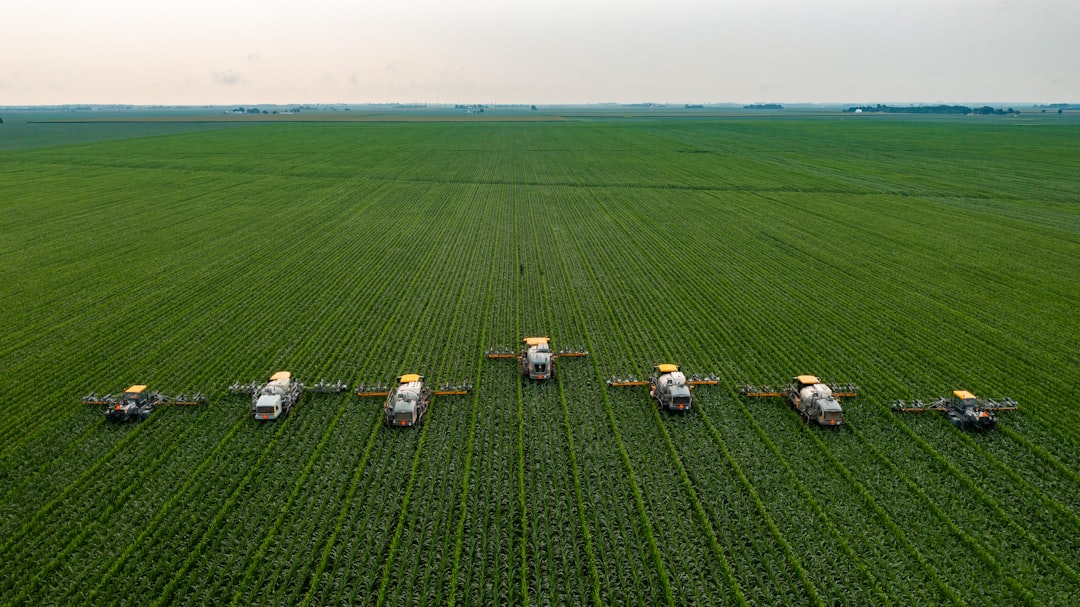
In recent years, agriculture has experienced substantial changes, with large-scale corporate operations becoming increasingly prevalent.
Corporate farming involves major agricultural businesses managing extensive land holdings and utilizing advanced technology and industrial production methods to increase output.
This approach differs significantly from traditional small-scale, family-operated farms that have long defined rural communities. Examining corporate farming’s effects is important for understanding its influence on food systems, market competition, and the economic sustainability of agricultural workers and farming communities.
Key Takeaways
- Corporate farming has significantly transformed agricultural practices and food production.
- It influences grocery prices through economies of scale and supply chain control.
- Corporate farming impacts small farmers by increasing market competition and consolidation.
- Government regulations play a crucial role in managing corporate farming’s effects on the market.
- Balancing corporate farming with food affordability is essential for future sustainable food systems.
The Rise of Corporate Farming
The rise of corporate farming can be traced back to several interrelated factors, including technological advancements, globalization, and changing consumer demands. As you explore this phenomenon, you will notice that innovations in agricultural technology have enabled large corporations to increase efficiency and productivity. Mechanization, genetically modified organisms (GMOs), and precision agriculture have all contributed to the ability of corporate farms to produce food at an unprecedented scale.
Globalization has also played a crucial role in the expansion of corporate farming. As trade barriers have diminished and international markets have opened up, large agricultural firms have sought to capitalize on new opportunities. This has led to the consolidation of farmland into fewer hands, as corporations acquire smaller farms or merge with other businesses to create larger entities.
Consequently, you may observe a shift in the agricultural landscape, where a handful of corporations dominate food production and distribution. Investing in farmland investment can provide sustainable returns and long-term growth opportunities.
The Impact of Corporate Farming on Agriculture

The impact of corporate farming on agriculture is multifaceted, affecting everything from crop diversity to environmental sustainability. As you consider these effects, it becomes clear that large-scale operations often prioritize high-yield crops that are economically viable over traditional varieties that may be more resilient or nutritious. This focus on monoculture can lead to a reduction in biodiversity, which is essential for maintaining healthy ecosystems and ensuring food security.
Moreover, corporate farming practices can have significant environmental consequences. The heavy use of pesticides, fertilizers, and water resources can lead to soil degradation, water pollution, and loss of habitat for wildlife. As you reflect on these issues, it is important to recognize that while corporate farms may produce food more efficiently, they often do so at a cost to the environment.
Balancing productivity with sustainability is a challenge that requires careful consideration and innovative solutions.
How Corporate Farming Affects Grocery Prices
One of the most immediate effects of corporate farming that you may notice is its influence on grocery prices.
However, this apparent affordability can mask underlying issues related to quality, nutrition, and ethical considerations.
As you navigate the grocery aisles, you might find that while some products are cheaper due to corporate farming practices, others may suffer in terms of quality or nutritional value. The focus on mass production can lead to a reliance on processed foods that are less healthy than their fresh counterparts. Additionally, the consolidation of power among a few corporations can create vulnerabilities in the food supply chain, leading to price fluctuations that can affect your budget and choices as a consumer.
The Role of Corporate Farming in Food Distribution
| Metric | Description | Impact on Grocery Costs |
|---|---|---|
| Market Concentration | Percentage of grocery market controlled by top corporate farms | Higher concentration leads to less competition, allowing price increases |
| Input Costs | Cost of seeds, fertilizers, and pesticides purchased by corporate farms | Increased input costs are passed on to consumers through higher grocery prices |
| Transportation Expenses | Costs associated with shipping produce from large farms to retailers | Longer supply chains increase transportation costs, raising grocery prices |
| Labor Costs | Wages and benefits paid to farm workers | Corporate farms may reduce labor costs, but automation investments can increase prices |
| Packaging and Processing | Expenses related to packaging and processing food products | Corporate farms often use more packaging, increasing overall grocery costs |
| Environmental Compliance | Costs for meeting environmental regulations and sustainability standards | Compliance costs can increase production expenses, reflected in grocery prices |
| Profit Margins | Percentage markup by corporate farms and retailers | Higher profit margins contribute directly to increased grocery costs |
Corporate farming plays a pivotal role in the food distribution system, shaping how food reaches your table. With their extensive networks and resources, large agricultural firms are able to streamline logistics and distribution processes. This efficiency can result in fresher produce and more reliable supply chains, ensuring that you have access to a wide variety of foods year-round.
However, as you consider the role of corporate farming in food distribution, it is essential to recognize the potential downsides. The centralization of food production can lead to vulnerabilities in the system; for instance, if a single corporation faces disruptions due to natural disasters or economic downturns, it can have widespread repercussions for food availability and prices. Understanding these dynamics can help you make informed choices about where your food comes from and how it is produced.
Corporate Farming and Market Competition
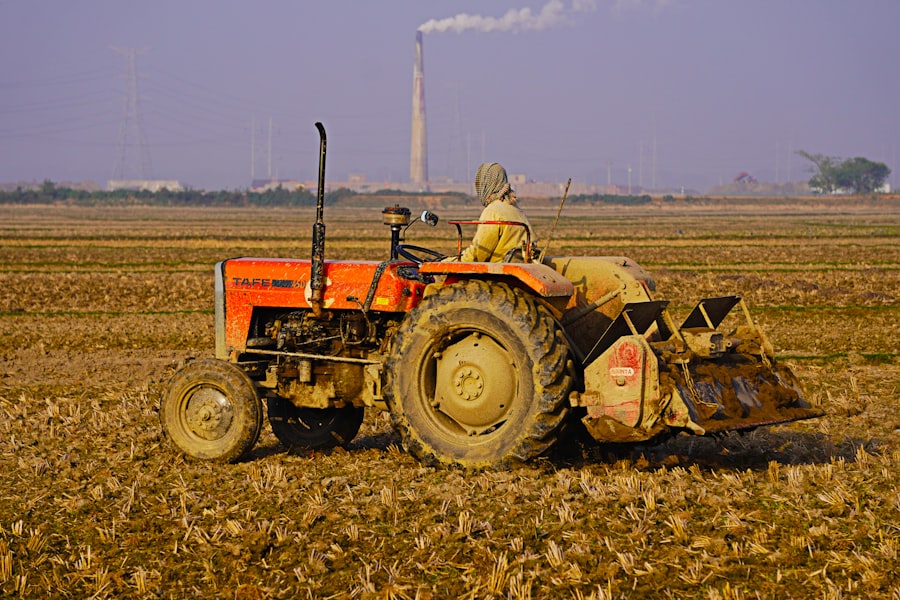
The presence of corporate farming has significantly altered the competitive landscape within the agricultural sector. As you examine this aspect, you will find that large corporations often have advantages over smaller farms due to their access to capital, technology, and distribution networks. This can create barriers for smaller farmers who struggle to compete on price or scale.
As a result, market competition has shifted in favor of corporate entities, leading to concerns about monopolistic practices and reduced choices for consumers. You may notice that fewer companies dominate the market for certain products, which can limit your options when shopping for groceries. This concentration of power raises questions about fairness in pricing and the long-term viability of small farms that contribute to local economies and communities.
The Influence of Corporate Farming on Small Farmers
The influence of corporate farming extends beyond market competition; it also profoundly affects small farmers’ livelihoods and practices. As you explore this relationship, you will see that many small farmers face increasing pressure from corporate entities that dominate the market. These pressures can manifest in various ways, including fluctuating prices for crops and increased competition for land and resources.
In some cases, small farmers may find themselves forced to adopt practices aligned with corporate farming models in order to survive. This can lead to a loss of traditional farming methods and cultural heritage associated with agriculture. As you reflect on these changes, consider how they impact not only the farmers themselves but also the communities that rely on them for fresh produce and local economic stability.
Government Regulations and Corporate Farming
Government regulations play a crucial role in shaping the landscape of corporate farming. As you delve into this topic, you will discover that policies related to land use, environmental protection, labor rights, and food safety all influence how corporate farms operate. While regulations are designed to protect consumers and promote sustainable practices, they can also create challenges for both large corporations and small farmers.
Navigating this regulatory environment can be complex; large corporations often have the resources to comply with regulations more easily than smaller farms. This disparity can exacerbate existing inequalities within the agricultural sector. As you consider these dynamics, it becomes clear that effective policy-making is essential for ensuring a fair playing field for all farmers while safeguarding public interests.
Consumer Perspectives on Corporate Farming
As a consumer, your perspective on corporate farming is shaped by various factors including personal values, health considerations, and economic realities. You may find yourself grappling with conflicting feelings about supporting large agricultural corporations versus local farmers. On one hand, corporate farming offers convenience and affordability; on the other hand, it raises concerns about quality, sustainability, and ethical practices.
Your choices as a consumer can influence the direction of agricultural practices. By opting for locally sourced products or supporting sustainable farming initiatives, you contribute to a movement that seeks to balance the benefits of corporate farming with the need for responsible stewardship of resources. Engaging with these issues allows you to make informed decisions that align with your values while navigating the complexities of modern food systems.
The Future of Corporate Farming and Grocery Prices
Looking ahead, the future of corporate farming will likely continue to evolve in response to changing consumer preferences, technological advancements, and environmental challenges. As you contemplate this future, consider how trends such as organic farming, regenerative agriculture, and plant-based diets may influence corporate practices. These shifts could lead to new opportunities for innovation within the industry while addressing some of the concerns associated with traditional corporate farming models.
Grocery prices will also be affected by these developments; as consumer demand shifts toward more sustainable options, corporations may need to adapt their practices accordingly. This could result in a more diverse marketplace where both corporate farms and small producers coexist harmoniously. Your role as a consumer will be pivotal in shaping this future by advocating for transparency and sustainability in food production.
Balancing Corporate Farming and Food Affordability
In conclusion, navigating the complexities of corporate farming requires a nuanced understanding of its implications for agriculture, grocery prices, and small farmers. While corporate farming offers certain efficiencies and affordability benefits, it also presents challenges related to environmental sustainability and market competition. As you reflect on these issues, consider how your choices as a consumer can contribute to a more balanced approach that supports both large-scale production and local agriculture.
Ultimately, finding harmony between corporate farming practices and food affordability is essential for creating a resilient food system that meets the needs of all stakeholders involved—from farmers to consumers. By staying informed and engaged with these issues, you can play an active role in shaping a future where food is not only accessible but also produced responsibly and sustainably.
Corporate farming has been a significant factor in the rising costs of groceries, as large agribusinesses often prioritize profit over sustainable practices, leading to increased prices for consumers. For a deeper understanding of the economic implications of corporate farming and its impact on grocery costs, you can read more in this related article: here.
WATCH THIS! The Gold Rush is Over. Now, the Dirt Rush is ON. 🚜💰
FAQs
What is corporate farming?
Corporate farming refers to large-scale agricultural operations owned and managed by corporations rather than individual farmers or family-owned farms. These entities often use industrial methods and technology to produce food on a massive scale.
How does corporate farming impact grocery costs?
Corporate farming can raise grocery costs by increasing the concentration of market power among a few large producers, which can reduce competition. This often leads to higher prices for consumers. Additionally, corporate farms may prioritize profit over cost efficiency, sometimes resulting in higher prices.
Does corporate farming affect the variety of food available in grocery stores?
Yes, corporate farming tends to focus on a limited number of high-demand crops and livestock, which can reduce the diversity of food products available in grocery stores. This focus on monoculture can limit consumer choices and potentially increase prices for less common items.
Are there environmental costs associated with corporate farming that influence grocery prices?
Corporate farming often relies on intensive use of chemicals, fertilizers, and large-scale monoculture, which can lead to soil degradation and environmental damage. These environmental costs can translate into higher long-term production costs, which may be passed on to consumers through increased grocery prices.
How does corporate farming affect small farmers and local food markets?
Corporate farming can outcompete small farmers by leveraging economies of scale and access to capital, often driving smaller farms out of business. This reduction in small and local producers can decrease competition and diversity in the market, potentially leading to higher grocery prices.
Can corporate farming lead to supply chain inefficiencies that raise grocery costs?
Yes, corporate farming’s reliance on centralized production and long supply chains can create vulnerabilities and inefficiencies, such as transportation delays or disruptions. These issues can increase costs that are ultimately reflected in grocery prices.
Are there any benefits of corporate farming that might lower grocery costs?
Corporate farming can achieve economies of scale, which in some cases may reduce production costs and lower prices. However, these savings are not always passed on to consumers due to market dynamics and pricing strategies.
What role do government policies play in the relationship between corporate farming and grocery costs?
Government subsidies, regulations, and trade policies can influence corporate farming practices and market competition. Policies that favor large agribusinesses may contribute to market consolidation and higher grocery prices, while those supporting small farmers can promote competition and potentially lower costs.