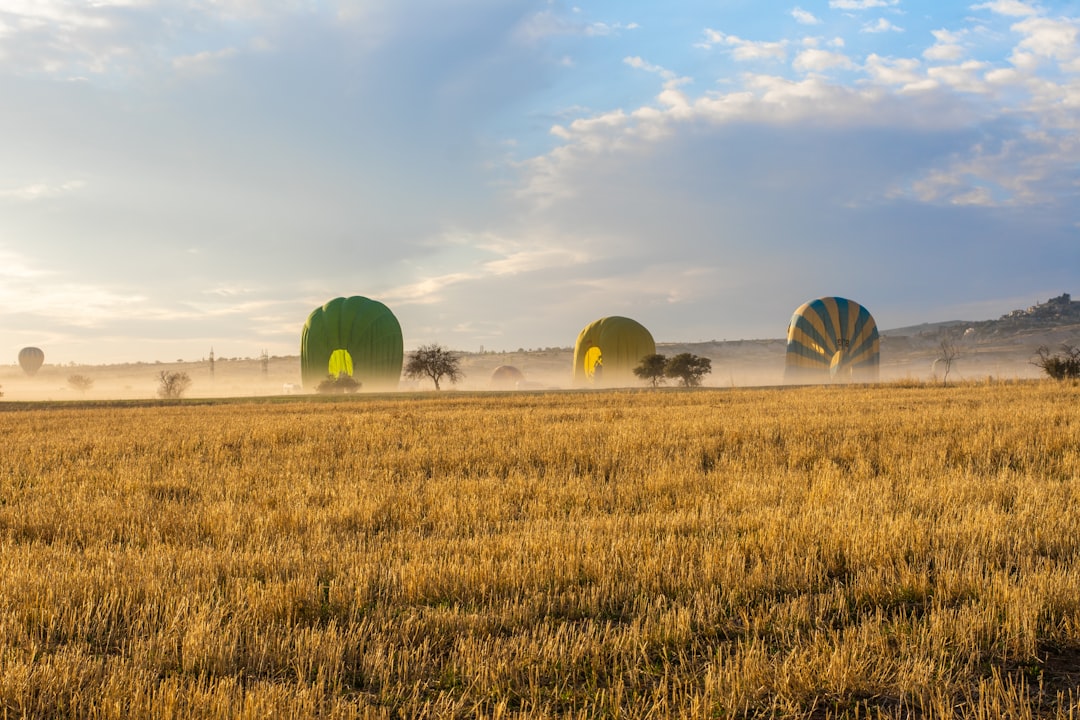
A farmland bubble occurs when agricultural land prices rise substantially above their intrinsic value, driven by speculation, investment trends, and broader economic conditions. This overvaluation creates risks for both current landowners and potential buyers. The phenomenon extends beyond local markets, with significant consequences for food production, rural economies, and global agricultural markets.
Several factors contribute to farmland bubbles. Low interest rates reduce borrowing costs, making land purchases more attractive. Increased global demand for agricultural products supports higher land valuations.
Additionally, investors—both institutional and individual—view farmland as a reliable hedge against inflation and economic instability. While this investment interest injects capital into agricultural markets, it can drive prices beyond levels justified by the land’s actual productive capacity. This gap between market value and genuine earning potential creates economic instability in the agricultural sector.
Understanding these dynamics is important for stakeholders in agriculture and rural development.
The ramifications of the farmland bubble extend beyond just landowners; they significantly impact food prices as well. When farmland prices soar, the cost of producing food inevitably rises. You might notice that farmers facing higher land costs often pass these expenses onto consumers in the form of increased prices for crops and livestock.
This cycle can lead to a situation where basic food items become less affordable for many households, exacerbating issues of food insecurity and economic disparity. Moreover, as you explore this topic further, you may find that the impact on food prices is not uniform across all products. Certain staples may see sharper price increases than others, depending on various factors such as crop yield, demand fluctuations, and market competition.
This unevenness can create challenges for consumers who rely on specific foods for their diets. As you reflect on these dynamics, it becomes evident that the farmland bubble has the potential to reshape not only agricultural practices but also consumer behavior and dietary choices.
Investing in
For small farmers, the effects of the farmland bubble can be particularly pronounced. As land prices escalate, many small-scale operators find themselves at a disadvantage compared to larger agribusinesses that can absorb higher costs more easily. You may empathize with the struggles faced by these farmers who often lack the financial resources to compete in an inflated market.
The pressure to maintain profitability can lead to difficult decisions about whether to expand operations or even sell their land. Additionally, small farmers may experience increased competition from larger entities that can leverage economies of scale to produce food more efficiently. This competitive landscape can push small farmers out of business or force them to adopt practices that may not align with their values or sustainable farming methods.
As you consider these challenges, it becomes clear that the farmland bubble poses significant risks not only to individual livelihoods but also to the diversity and resilience of local agricultural systems.
Increase in Land Prices
The increase in land prices is one of the most visible manifestations of the farmland bubble. As you observe this trend, you might notice that land values have surged in many regions, driven by a combination of factors including urbanization, investment interest, and changing agricultural practices. This escalation can create a sense of urgency among potential buyers who fear missing out on what they perceive as a lucrative opportunity.
However, this urgency often leads to bidding wars that further inflate prices beyond reasonable levels. You may also find it interesting that this increase in land prices is not solely a reflection of agricultural productivity but is often influenced by external economic conditions. For instance, when interest rates are low, borrowing becomes more accessible, allowing investors to purchase land with relative ease.
This influx of capital can create an artificial demand that drives prices up even further. As you analyze these trends, it becomes evident that understanding the factors contributing to rising land prices is crucial for anyone involved in agriculture or real estate.
Pressure on Agricultural Industry
| Metric |
Description |
Effect on Consumers |
Example Data |
| Farmland Price Increase (%) |
Percentage increase in farmland prices over a period |
Higher production costs leading to increased food prices |
30% increase over 5 years |
| Food Price Inflation (%) |
Annual inflation rate of food products |
Reduced purchasing power for consumers |
5% annual increase |
| Consumer Food Expenditure (% of income) |
Share of household income spent on food |
Increased financial burden on low-income households |
Up from 15% to 20% |
| Land Rental Costs (per acre) |
Cost to rent farmland per acre |
Higher operational costs for farmers, passed to consumers |
Increased from 200 to 350 |
| Crop Yield (bushels per acre) |
Average agricultural output per acre |
Potential offset to price increases if yields improve |
Stable at 150 bushels/acre |
| Food Security Index |
Measure of consumer access to affordable food |
Decline indicates worsening consumer conditions |
Dropped from 85 to 78 |
The pressure exerted on the agricultural industry by the farmland bubble is multifaceted and complex. As you consider this issue, you may recognize that rising land prices can lead to increased operational costs for farmers, which in turn affects their ability to invest in technology, labor, and sustainable practices. This financial strain can stifle innovation and hinder efforts to improve productivity and environmental stewardship within the industry.
Moreover, as larger agribusinesses dominate the market due to their ability to absorb higher costs, smaller farms may struggle to compete effectively. This consolidation can lead to a homogenization of agricultural practices and a reduction in biodiversity as fewer players control more of the market share. You might find it concerning that this trend not only threatens small farmers but also impacts consumers by limiting choices and potentially compromising food quality.
The pressure on the agricultural industry is thus a critical issue that warrants attention from policymakers and stakeholders alike.
Shift in Consumer Choices
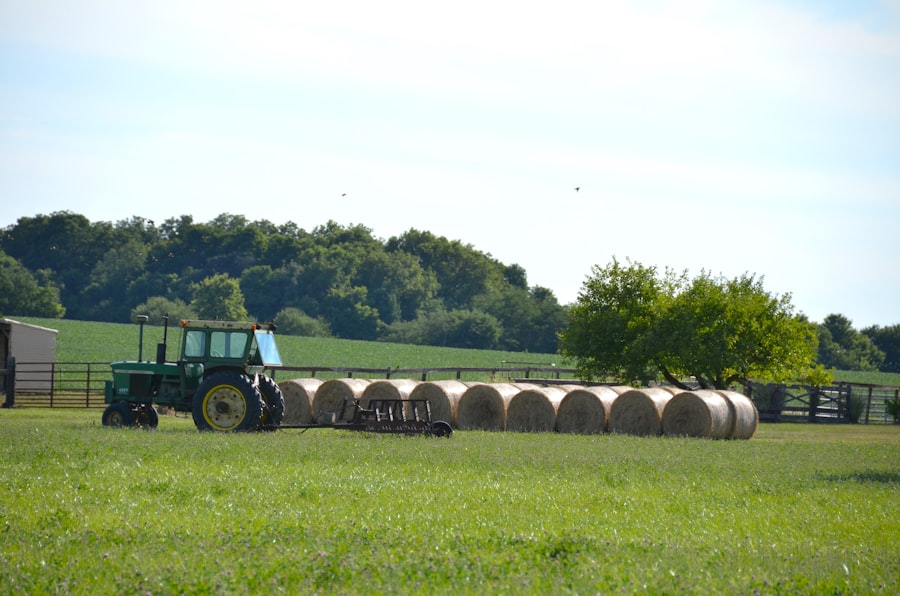
As you navigate through the implications of the farmland bubble, you may notice a significant shift in consumer choices regarding food products. With rising food prices driven by inflated land values, consumers are increasingly forced to make difficult decisions about what they can afford. You might find yourself gravitating towards cheaper options or alternative sources of food as budget constraints tighten.
This shift can have profound effects on dietary habits and overall health. Additionally, as consumers become more aware of the factors influencing food prices, there is a growing demand for transparency in food sourcing and production practices. You may feel compelled to support local farmers or seek out organic and sustainably produced goods as a way to counteract the negative impacts of the farmland bubble.
This shift in consumer behavior reflects a broader awareness of the interconnectedness between agricultural practices and personal health, prompting many individuals to reconsider their purchasing decisions in light of economic pressures.
Influence on Government Policies
The farmland bubble does not exist in isolation; it is intricately linked to government policies that shape agricultural practices and land use regulations. As you explore this relationship, you may find that policymakers face significant challenges in addressing the complexities of rising land prices while ensuring food security and supporting rural communities. The influence of lobbying from large agribusinesses can complicate efforts to implement equitable policies that benefit small farmers and promote sustainable practices.
You might also consider how government interventions, such as subsidies or tax incentives for land purchases, can inadvertently contribute to the inflationary pressures within the farmland market. While these measures are often intended to support farmers, they can sometimes exacerbate existing inequalities by favoring larger operations over smaller ones. As you reflect on these dynamics, it becomes clear that thoughtful policy design is essential for mitigating the adverse effects of the farmland bubble on both farmers and consumers.
Rise in Imported Goods
The rise in imported goods is another consequence of the farmland bubble that warrants your attention. As domestic food prices increase due to inflated land values and production costs, consumers may turn to imported products as more affordable alternatives. You might find it interesting that this shift not only affects local economies but also raises questions about food sovereignty and sustainability.
When consumers opt for imported goods, they may inadvertently support agricultural practices that do not align with their values regarding environmental stewardship or fair labor practices. Additionally, reliance on imports can create vulnerabilities within the domestic food system, making it susceptible to global market fluctuations and supply chain disruptions. As you consider these implications, it becomes evident that addressing the challenges posed by the farmland bubble requires a multifaceted approach that prioritizes local production while acknowledging global interdependencies.
Challenges for New Farmers
For new farmers entering the agricultural landscape, the challenges posed by the farmland bubble can be daunting. As you contemplate embarking on a farming career, you may feel disheartened by skyrocketing land prices that make it increasingly difficult to acquire suitable property for cultivation. The financial barriers associated with purchasing land can deter many aspiring farmers from pursuing their dreams.
Moreover, new farmers often lack access to capital and resources necessary for competing in an inflated market dominated by established agribusinesses. You might find yourself grappling with questions about how to navigate this challenging environment while remaining committed to sustainable practices and community engagement. The obstacles faced by new farmers highlight the need for innovative solutions and support systems that empower individuals to enter and thrive within the agricultural sector.
Potential Solutions
As you reflect on the myriad challenges posed by the farmland bubble, it becomes essential to consider potential solutions that could alleviate some of these pressures. One approach could involve implementing policies aimed at stabilizing land prices through measures such as land trusts or cooperative ownership models. These initiatives could provide opportunities for small farmers and new entrants to access affordable land while promoting sustainable agricultural practices.
Additionally, fostering partnerships between local governments, agricultural organizations, and community stakeholders could help create supportive networks for farmers facing financial challenges. You might also explore initiatives focused on educating consumers about the importance of supporting local agriculture and making informed purchasing decisions that prioritize sustainability over convenience or cost alone. By advocating for systemic changes within both policy frameworks and consumer behavior, you can contribute to building a more resilient agricultural landscape.
Consumer Awareness and Action
Finally, consumer awareness plays a pivotal role in addressing the challenges posed by the farmland bubble. As you become more informed about the intricacies of agricultural economics and its impact on food systems, you may feel empowered to take action in your own community. Supporting local farmers’ markets or participating in community-supported agriculture (CSA) programs are tangible ways you can contribute to strengthening local economies while promoting sustainable practices.
Moreover, advocating for policies that prioritize equitable access to land and resources for small farmers can amplify your voice within broader discussions about food security and agricultural sustainability. By engaging with your local representatives and raising awareness about these issues among your peers, you can help foster a culture of accountability within both government and industry sectors. Ultimately, your actions as a conscious consumer can drive meaningful change within the agricultural landscape while addressing the pressing challenges posed by the farmland bubble.
The effects of the farmland bubble on consumers can be profound, influencing food prices and availability.
For a deeper understanding of how these economic dynamics play out, you can read more in the article available at