Modern agriculture faces a significant challenge known as the farmland bubble, characterized by rapidly rising farmland prices driven primarily by speculation and investment rather than agricultural output. This phenomenon has substantial consequences extending beyond real estate markets, affecting food security, environmental sustainability, and farmer viability. Several factors contribute to farmland price inflation.
Global population growth and shifting dietary patterns have increased demand for agricultural products, intensifying competition for available land. Investment capital flowing into agricultural real estate, often from non-farming entities seeking returns, further drives prices upward. These escalating costs create cascading effects throughout the agricultural sector, affecting farm profitability, land accessibility for new farmers, and ultimately food production capacity.
The farmland bubble presents distinct challenges and opportunities for multiple stakeholders. Farmers face higher land acquisition and rental costs, potentially reducing their profit margins and limiting expansion possibilities. Consumers may experience food price volatility as production costs rise.
Policymakers must balance agricultural productivity with land affordability and environmental protection. Understanding these dynamics is essential for developing sustainable agricultural policies and ensuring long-term food system stability.
Key Takeaways
- Farmland prices have surged, creating a bubble that impacts agricultural production and food costs.
- Speculation and government policies significantly influence the rise in farmland values.
- The farmland bubble poses environmental risks and threatens small-scale farmers’ livelihoods.
- Rising farmland prices affect global food security by altering production dynamics.
- Addressing the bubble requires consumer awareness and sustainable policy solutions.
The Impact of Farmland Prices on Agricultural Production
As you consider the relationship between farmland prices and agricultural production, it becomes evident that rising costs can have profound effects on farming practices. When land prices soar, it often becomes more challenging for farmers to invest in necessary resources such as equipment, seeds, and labor. This financial strain can lead to a reduction in overall productivity, as farmers may be forced to cut corners or delay investments that would enhance their operations.
Consequently, you may notice that higher farmland prices can translate into lower yields and diminished agricultural output. Moreover, the impact of farmland prices extends beyond individual farms; it can reshape entire agricultural landscapes. As land becomes more expensive, larger agribusinesses may acquire smaller farms, leading to a consolidation of resources and a shift in farming practices.
This trend can result in a focus on monoculture and industrial farming methods, which may not be sustainable in the long run. As you reflect on these changes, consider how they might affect not only the farmers themselves but also the communities that rely on local agriculture for their livelihoods and food supply. Investing in farmland investment can provide sustainable returns and long-term growth opportunities.
How the Farmland Bubble Affects Grocery Prices
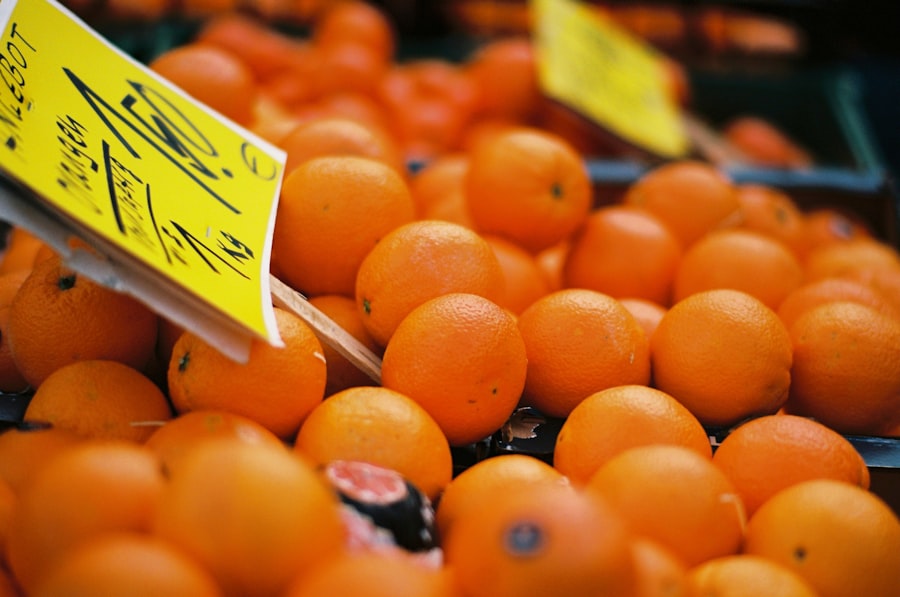
The connection between farmland prices and grocery prices is a critical aspect of understanding the broader implications of the farmland bubble. When farmland becomes more expensive, farmers often pass these costs onto consumers in the form of higher prices for food products. As you navigate grocery store aisles, you may notice that fluctuations in agricultural input costs can lead to increased prices for everyday items such as fruits, vegetables, and grains.
This relationship underscores how interconnected our food systems are and how changes in one area can reverberate throughout the economy. Additionally, as farmland prices rise, there is a risk that certain crops may become less economically viable for farmers to produce. This could lead to a reduction in crop diversity and an increased reliance on a limited number of staple foods.
As a consumer, you might find that this lack of diversity not only affects your choices at the grocery store but also has implications for nutrition and food security. The potential for price volatility in grocery items highlights the importance of addressing the underlying issues contributing to the farmland bubble.
The Role of Speculation in Farmland Prices
Speculation plays a significant role in driving up farmland prices, often leading to unsustainable market conditions. Investors seeking to capitalize on rising land values may purchase farmland not for agricultural use but as a financial asset. This trend can create an artificial demand that inflates prices beyond what is justified by actual agricultural productivity.
As you explore this aspect of the farmland bubble, consider how speculation can distort market signals and lead to misallocation of resources within the agricultural sector. Furthermore, speculative investments can exacerbate inequalities within farming communities. Large investors may outbid local farmers for prime land, making it increasingly difficult for small-scale producers to compete.
This dynamic can lead to a concentration of land ownership and a loss of diversity in farming practices. As you reflect on these issues, think about how speculation not only affects individual farmers but also shapes the future of agriculture as a whole.
Government Policies and the Farmland Bubble
| Metric | Value | Unit | Notes |
|---|---|---|---|
| Average Farmland Price Increase (2020-2024) | 45 | Percent | Significant rise indicating potential bubble |
| Grocery Price Inflation (2020-2024) | 18 | Percent | Increase in consumer grocery prices |
| Farmland Price to Income Ratio | 12 | Ratio | Higher than historical average of 8 |
| Average Crop Yield per Acre | 150 | Bushels | Stable yield despite price changes |
| Input Costs for Farmers | 25 | Percent Increase | Costs for seeds, fertilizer, and equipment |
| Grocery Price Impact from Farmland Costs | 5 | Percent | Estimated contribution of farmland prices to grocery inflation |
Government policies play a crucial role in shaping the landscape of farmland prices and addressing the challenges posed by the farmland bubble. You may find that various policies—ranging from tax incentives to zoning regulations—can either mitigate or exacerbate price inflation. For instance, subsidies aimed at supporting farmers can help stabilize income levels but may also inadvertently contribute to rising land prices by increasing demand for agricultural land.
Additionally, land-use policies can influence how land is allocated and utilized within communities. As you consider these policies, think about how they can be designed to promote sustainable farming practices while also ensuring that land remains accessible to small-scale farmers. By advocating for policies that prioritize equitable access to land and support local agriculture, you can contribute to a more resilient food system that benefits both producers and consumers.
Environmental Consequences of the Farmland Bubble
The environmental consequences of the farmland bubble are significant and multifaceted. As farmland prices rise, there is often an increased push for intensive farming practices that prioritize short-term profits over long-term sustainability. You may observe that this trend can lead to overuse of chemical fertilizers and pesticides, soil degradation, and loss of biodiversity.
The drive for higher yields can overshadow essential environmental considerations, ultimately jeopardizing the health of ecosystems. Moreover, as larger agribusinesses acquire more land, there is a risk of habitat destruction and increased carbon emissions associated with industrial farming methods. As you reflect on these environmental impacts, consider how they intersect with broader issues such as climate change and food security.
Addressing the environmental consequences of the farmland bubble requires a holistic approach that prioritizes sustainable practices while also recognizing the economic pressures faced by farmers.
The Global Perspective: Farmland Prices and Food Security
When examining the farmland bubble from a global perspective, it becomes clear that rising farmland prices have implications for food security worldwide. In many developing countries, access to affordable land is critical for smallholder farmers who play a vital role in local food systems. As you explore this issue, consider how fluctuations in global markets can affect local economies and food availability.
Small-scale farmers may struggle to compete with larger entities that have greater access to capital and resources. This dynamic can lead to increased food insecurity in vulnerable populations who rely on local agriculture for their sustenance.
As you engage with these global challenges, think about how international cooperation and policy interventions can help address disparities in access to land and resources.
The Farmland Bubble and Small-Scale Farmers
Small-scale farmers are often disproportionately affected by the dynamics of the farmland bubble. As land prices escalate, these farmers may find it increasingly difficult to secure affordable land or maintain their existing operations. You might consider how this trend threatens not only their livelihoods but also the diversity of agricultural practices that small farms contribute to local economies.
Moreover, small-scale farmers often face challenges related to access to credit and resources needed to compete in an increasingly consolidated market. As you reflect on these issues, think about how supporting smallholder agriculture can foster resilience within communities and promote sustainable food systems. By advocating for policies that prioritize small-scale farmers and provide them with necessary resources, you can help ensure their continued viability in an evolving agricultural landscape.
Potential Solutions to Address the Farmland Bubble
Addressing the farmland bubble requires a multifaceted approach that considers economic, social, and environmental factors. One potential solution is implementing policies that promote equitable access to land for all farmers, particularly small-scale producers. You might explore initiatives such as land trusts or community-supported agriculture programs that aim to keep land affordable and accessible.
Additionally, fostering sustainable farming practices through education and support can help mitigate some of the negative consequences associated with rising farmland prices.
Collaborative efforts among farmers, consumers, and policymakers will be essential in creating solutions that address the root causes of the farmland bubble.
Consumer Awareness and the Farmland Bubble
As a consumer, your awareness of the farmland bubble can play a crucial role in shaping agricultural practices and policies. By understanding how rising farmland prices impact food production and grocery costs, you can make informed choices about where your food comes from and how it is produced. Supporting local farmers’ markets or community-supported agriculture initiatives can help promote sustainable practices while also ensuring that your food dollars contribute directly to local economies.
Moreover, advocating for transparency within food supply chains can empower consumers to demand more equitable practices from producers and retailers alike. As you engage with these issues, consider how your purchasing decisions can influence broader trends within agriculture and contribute to a more sustainable food system.
Addressing the Farmland Bubble for Sustainable Food Systems
In conclusion, addressing the farmland bubble is essential for creating sustainable food systems that benefit both producers and consumers alike. By understanding the complexities surrounding farmland prices—ranging from speculation to government policies—you can better appreciate the challenges faced by farmers today. As you reflect on these issues, consider how your actions as a consumer can contribute to positive change within agriculture.
Ultimately, fostering collaboration among stakeholders—farmers, consumers, policymakers—will be key in developing solutions that prioritize equitable access to land while promoting sustainable practices. By working together towards a common goal of resilience in our food systems, we can help ensure a brighter future for agriculture that supports both people and the planet.
The recent surge in grocery prices has raised concerns about a potential farmland bubble, as rising costs of agricultural land can directly impact food prices. For a deeper understanding of the economic factors at play, you can read more in this related article on wealth growth and its implications for agriculture and food pricing. Check it out here: Understanding the Farmland Bubble and Grocery Prices.
WATCH THIS! The Gold Rush is Over. Now, the Dirt Rush is ON. 🚜💰
FAQs
What is a farmland bubble?
A farmland bubble occurs when the prices of agricultural land rise rapidly and exceed their intrinsic value, often driven by speculation, low interest rates, or increased demand for farmland.
How can a farmland bubble affect grocery prices?
If farmland prices become inflated, farmers may face higher costs for land ownership or leasing, which can increase production costs. These higher costs can be passed on to consumers, potentially leading to higher grocery prices.
What factors contribute to the formation of a farmland bubble?
Factors include low interest rates, increased demand for agricultural commodities, investment speculation, government policies, and limited availability of farmland.
Is there evidence that farmland bubbles have impacted grocery prices historically?
While direct causation is complex, periods of rapid farmland price increases have sometimes coincided with rising food production costs, which can contribute to higher grocery prices.
Can a farmland bubble burst, and what are the consequences?
Yes, a farmland bubble can burst if prices correct sharply. This can lead to financial losses for landowners and investors, reduced agricultural investment, and potential disruptions in food supply chains.
How do rising farmland prices influence food production?
Higher land prices can increase the cost of farming operations, potentially leading to higher food prices or changes in farming practices to maintain profitability.
Are grocery prices solely determined by farmland prices?
No, grocery prices are influenced by multiple factors including labor costs, transportation, supply chain issues, weather conditions, and global commodity markets, in addition to farmland prices.
What measures can be taken to prevent a farmland bubble?
Measures include regulatory oversight, monitoring of land transactions, promoting sustainable land use policies, and ensuring transparency in farmland markets.
How can consumers be affected by fluctuations in farmland prices?
Consumers may experience changes in grocery prices, particularly for staple foods, as production costs fluctuate with land prices and other agricultural inputs.
Where can I find reliable data on farmland prices and grocery price trends?
Reliable data can be found through government agricultural departments, economic research institutions, commodity market reports, and organizations such as the USDA or FAO.