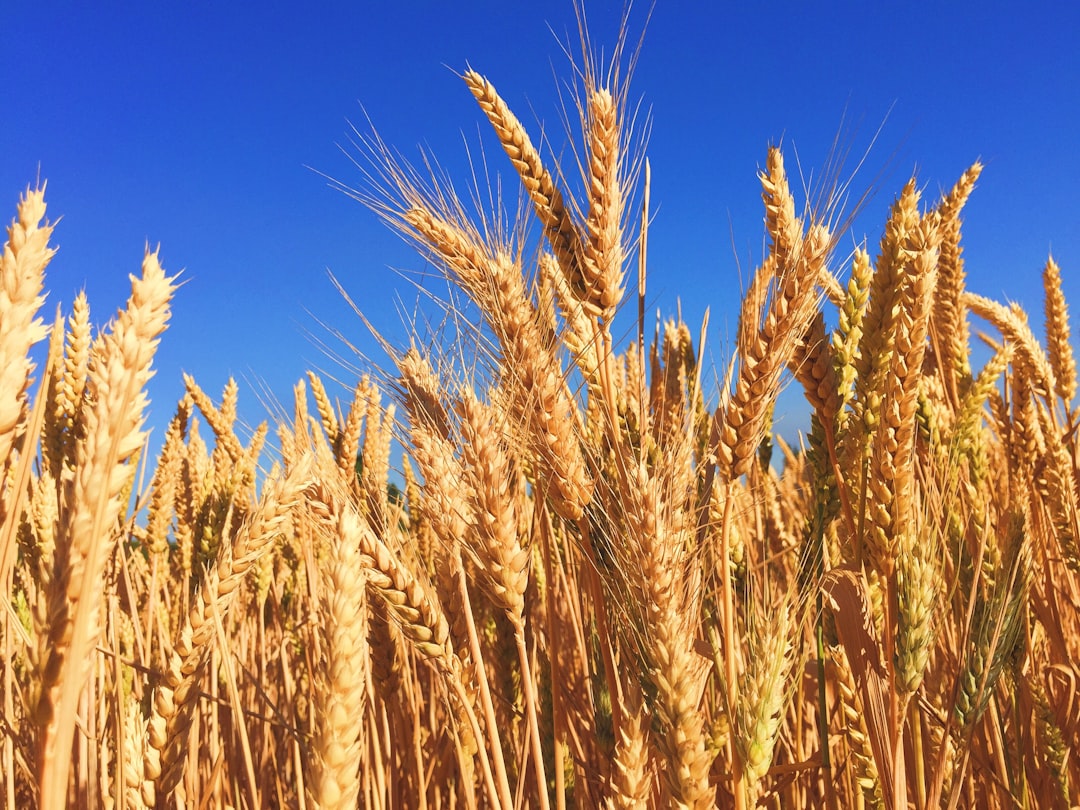
Farmland investment has experienced increased attention in recent years. This growth reflects agriculture’s recognition as a stable and productive asset class. As stock and bond markets demonstrate volatility, investors are increasingly considering agricultural land as an alternative investment.
Farmland offers two primary financial benefits: income generation through crop production and capital appreciation over time. This combination appeals to investors seeking portfolio diversification and protection against economic fluctuations. Global population growth drives rising demand for food and agricultural products.
This increased demand strengthens the investment case for farmland, as it remains essential to food production. Institutional investors, including pension funds and private equity firms, are allocating greater capital to agricultural land. This trend demonstrates farmland’s emergence as a recognized long-term investment strategy that can deliver financial returns while supporting food security.
Investing in farmland investment can provide sustainable returns and long-term growth opportunities.
Key Takeaways
- Farmland investments are gaining popularity due to their tangible value and potential for high returns.
- Wall Street is increasingly shifting focus towards agriculture as a strategic investment sector.
- Farmland offers diversification benefits, reducing overall portfolio risk.
- Technological advancements and innovation are transforming farmland investment opportunities.
- Environmental, social impacts, and regulatory challenges are critical considerations in farmland investments.
Wall Street’s Shift towards Agriculture
As you delve deeper into the world of investments, you may observe that Wall Street is making a notable pivot towards agriculture. This shift is not just about recognizing the potential for profit; it also reflects a broader understanding of the importance of sustainable practices in the agricultural sector. Major financial institutions are beginning to see agriculture not only as a source of returns but also as a critical component of global sustainability efforts.
This newfound focus on agriculture aligns with the growing awareness of climate change and the need for responsible resource management. You might be surprised to learn that some of the largest investment firms are now actively seeking opportunities in farmland. They are not merely buying land; they are investing in innovative agricultural technologies and sustainable farming practices.
By integrating sustainable practices into their investment strategies, these firms are setting a precedent for responsible investing that prioritizes both financial returns and ecological stewardship.
The Appeal of Farmland as a Tangible Asset
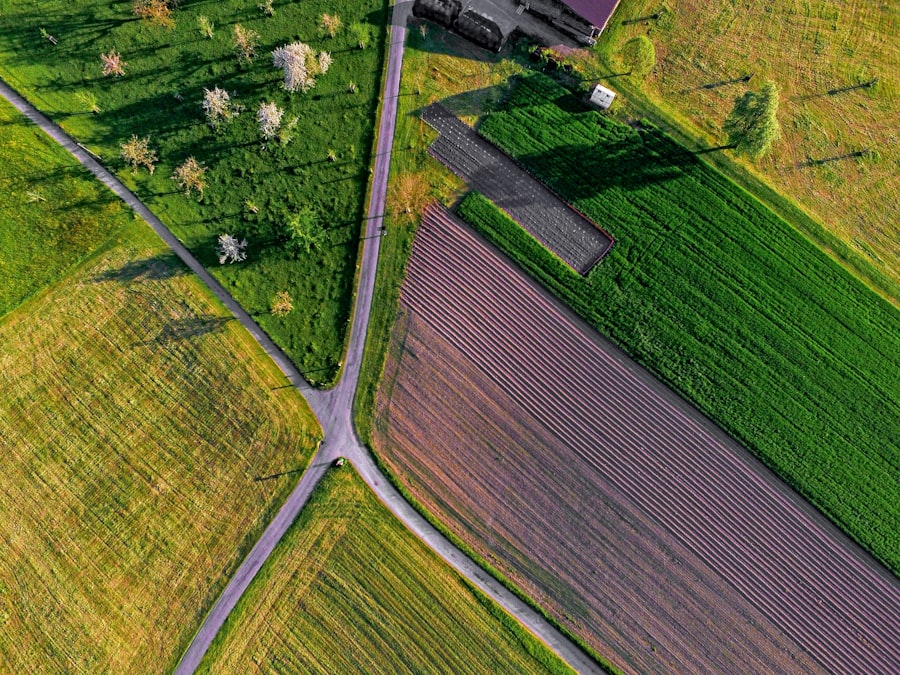
One of the most compelling aspects of farmland investments is their nature as tangible assets. Unlike stocks or bonds, which can fluctuate wildly based on market sentiment, farmland represents a physical asset that you can see and touch. This tangibility provides a sense of security for many investors, especially during times of economic uncertainty.
You may find comfort in knowing that your investment is rooted in real land that has intrinsic value, regardless of market conditions. Additionally, farmland has historically demonstrated resilience against inflation. As prices rise, so too does the value of agricultural products, which can lead to increased revenues for landowners.
This characteristic makes farmland an appealing hedge against inflationary pressures that can erode the purchasing power of traditional investments. For you, this means that investing in farmland could serve as a safeguard for your wealth while also providing opportunities for growth.
The Potential for High Returns in Farmland Investments
When considering investment opportunities, you likely seek avenues that promise high returns. Farmland investments have shown remarkable potential in this regard. Over the past few decades, farmland has consistently outperformed many traditional asset classes, including stocks and bonds.
The combination of rising food demand and limited arable land creates a unique environment where agricultural land values can appreciate significantly over time. Moreover, you may be intrigued by the various revenue streams associated with farmland investments. Beyond just land appreciation, you can earn income through leasing arrangements with farmers or engaging in direct agricultural production.
This dual income potential enhances the overall return on investment and makes farmland an attractive option for those looking to maximize their financial gains. As you explore this investment avenue, you may find that the prospects for high returns are not just theoretical but backed by historical performance data.
The Role of Farmland in Diversifying Investment Portfolios
| Metric | Value | Explanation |
|---|---|---|
| Annual Farmland Return | 8-12% | Farmland has historically provided steady returns through crop yields and land appreciation. |
| Inflation Hedge | High | Farmland values and crop prices tend to rise with inflation, protecting investment value. |
| Global Food Demand Growth | 2% per year | Increasing population and changing diets drive demand for agricultural products. |
| Farmland Availability | Decreasing | Limited new arable land increases scarcity and value of existing farmland. |
| Institutional Investment in Farmland | Rising | Wall Street firms are increasing allocations to farmland as part of diversified portfolios. |
| Volatility Compared to Stocks | Lower | Farmland investments tend to have lower price volatility than equities. |
| Government Subsidies | Significant | Subsidies and support programs help stabilize farm income and land values. |
As an astute investor, you understand the importance of diversification in mitigating risk. Farmland investments offer a unique opportunity to diversify your portfolio beyond traditional asset classes. By incorporating agricultural land into your investment strategy, you can reduce your exposure to market volatility and create a more balanced portfolio.
This diversification is particularly valuable during economic downturns when other investments may falter. Furthermore, farmland often exhibits low correlation with other asset classes, meaning its performance is not directly tied to stock market fluctuations or interest rate changes. This characteristic allows you to achieve greater stability in your overall investment strategy.
As you consider your options, you may find that adding farmland to your portfolio not only enhances your potential returns but also provides a buffer against market uncertainties.
Environmental and Social Impact of Wall Street’s Farmland Investments

While financial returns are undoubtedly important, you may also be concerned about the environmental and social implications of Wall Street’s growing interest in farmland investments. As institutional investors pour capital into agriculture, there is an opportunity to promote sustainable farming practices that benefit both the environment and local communities. You might be pleased to know that many investment firms are prioritizing environmental stewardship and social responsibility in their agricultural ventures.
By investing in sustainable farming methods, these firms can help mitigate the negative impacts of conventional agriculture, such as soil degradation and water scarcity. Additionally, responsible investment practices can support local economies by providing jobs and fostering community development. As you explore farmland investments, consider how your choices can align with your values and contribute positively to society while still achieving your financial goals.
The Challenges and Risks of Investing in Farmland
Despite the numerous advantages associated with farmland investments, it is essential to acknowledge the challenges and risks involved. You may encounter various factors that can impact the profitability of agricultural land, including climate change, fluctuating commodity prices, and changing regulations. These variables can create uncertainty for investors and require careful consideration before committing capital.
Moreover, managing farmland effectively requires specialized knowledge and expertise. You may need to navigate complex agricultural practices, market dynamics, and local regulations to ensure your investment thrives. This complexity can be daunting for those unfamiliar with the agricultural sector.
As you weigh the potential rewards against these challenges, it is crucial to conduct thorough research and seek expert advice to make informed decisions about your farmland investments.
The Influence of Technology and Innovation on Farmland Investments
In today’s rapidly evolving world, technology plays a pivotal role in shaping various industries, including agriculture. You may be intrigued by how advancements in technology are transforming farmland investments. Precision agriculture, for instance, utilizes data analytics and advanced machinery to optimize crop yields while minimizing resource use.
This innovation not only enhances productivity but also contributes to sustainable farming practices. Furthermore, technology enables investors like you to monitor their farmland remotely through satellite imagery and IoT devices. This level of oversight allows for more informed decision-making regarding crop management and resource allocation.
As you consider investing in farmland, keep an eye on emerging technologies that can enhance efficiency and profitability while aligning with sustainable practices.
The Global Perspective: Wall Street’s Interest in Farmland Around the World
As you explore the landscape of farmland investments, it’s essential to adopt a global perspective. Wall Street’s interest in agriculture extends beyond domestic borders; investors are increasingly looking at opportunities worldwide. You may find it fascinating that regions with emerging markets often present unique prospects for agricultural investment due to their growing populations and increasing demand for food.
However, investing internationally comes with its own set of challenges, including geopolitical risks and varying regulatory environments.
By broadening your horizons beyond domestic markets, you can uncover diverse opportunities that align with your investment goals.
Government Policies and Regulations Affecting Wall Street’s Farmland Investments
Government policies play a crucial role in shaping the landscape of farmland investments. As an investor, you should be aware of how regulations can impact your investment strategy. Policies related to land use, environmental protection, and agricultural subsidies can significantly influence the profitability of farmland investments.
You may find it beneficial to stay informed about changes in legislation that could affect your holdings or potential acquisitions. Additionally, government initiatives aimed at promoting sustainable agriculture can create new opportunities for investors like you. Programs that incentivize environmentally friendly practices or support local farmers can enhance the attractiveness of certain regions for investment.
By understanding the regulatory landscape, you can make more informed decisions about where and how to invest in farmland.
The Future of Wall Street’s Involvement in Farmland Ownership and Management
Looking ahead, you may wonder what the future holds for Wall Street’s involvement in farmland ownership and management. As global challenges such as climate change and food security become increasingly pressing, institutional investors are likely to play a more significant role in shaping sustainable agricultural practices. You might anticipate that this trend will continue as more firms recognize the importance of responsible investing.
Moreover, as technology continues to advance, you can expect innovations in agricultural practices to reshape how farmland is managed and valued. The integration of data analytics, automation, and sustainable farming techniques will likely enhance productivity while addressing environmental concerns. As an investor, staying attuned to these developments will be crucial for navigating the evolving landscape of farmland investments.
In conclusion, as you explore the world of farmland investments, you’ll discover a multifaceted landscape filled with opportunities and challenges alike. From understanding Wall Street’s shift towards agriculture to recognizing the environmental implications of these investments, each aspect offers valuable insights into this burgeoning asset class. By staying informed and considering both financial returns and social responsibility, you can position yourself for success in this dynamic field while contributing positively to global food security and sustainability efforts.
Wall Street’s increasing interest in farmland is driven by a combination of factors, including the quest for stable returns and the growing demand for sustainable food sources. As investors seek to diversify their portfolios, agricultural land presents a unique opportunity that aligns with both financial and environmental goals. For a deeper understanding of this trend, you can read more in the article available at