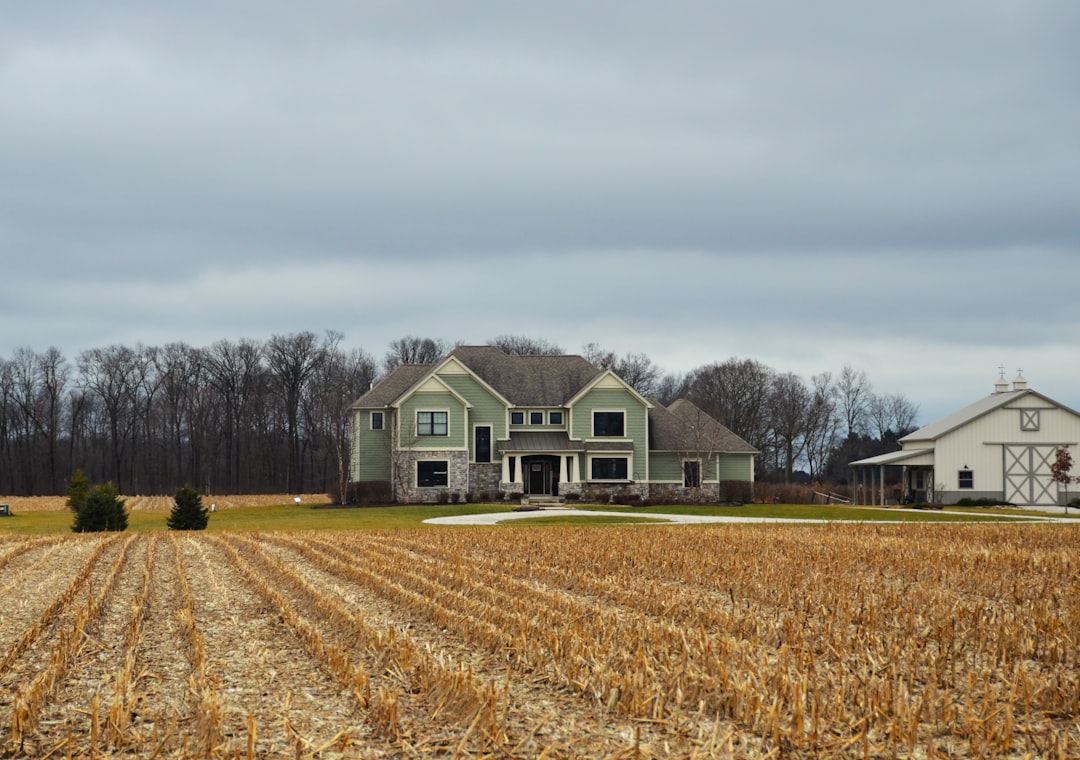
Farmland real estate operates according to distinct market principles that differ from residential or commercial property sectors. Farmland serves as a critical asset for food production and environmental sustainability. Multiple variables shape this market, including agricultural production patterns, commodity price fluctuations, and weather patterns.
Comprehending these factors enables more strategic decision-making for investors, agricultural operators, and those monitoring agricultural developments. Farmland demand has grown consistently as global population increases and food requirements expand accordingly. This rising demand typically results in higher property values, positioning farmland as a potentially profitable investment opportunity.
Economic conditions, policy modifications, and technological innovations in farming practices all influence property valuations. Maintaining awareness of these developments allows for more effective management of farmland real estate market challenges.
Investing in farmland investment can provide sustainable returns and long-term growth opportunities.
Key Takeaways
- Farmland real estate markets show unique trends influenced by agriculture and economic factors.
- Market crashes can be identified by declining land values, reduced demand, and increased loan defaults.
- Farmland owners face financial strain and operational challenges during market downturns.
- Buyers may find opportunities to acquire land at lower prices amid market instability.
- Strategic investment, government support, and risk management are crucial for protecting farmland assets.
Signs of a Market Crash
Recognizing the signs of a potential market crash is vital for anyone involved in farmland real estate. One of the most telling indicators is a significant decline in commodity prices.
If you notice a consistent downward trend in these prices, it may be time to reassess your investments and strategies. Another sign to watch for is an increase in interest rates. Higher borrowing costs can deter potential buyers from entering the market, leading to decreased demand for farmland.
Additionally, if you observe a rise in foreclosures or distressed sales in your area, it could signal underlying issues within the market. Being vigilant about these indicators can help you make timely decisions to protect your investments.
Impact on Farmland Owners
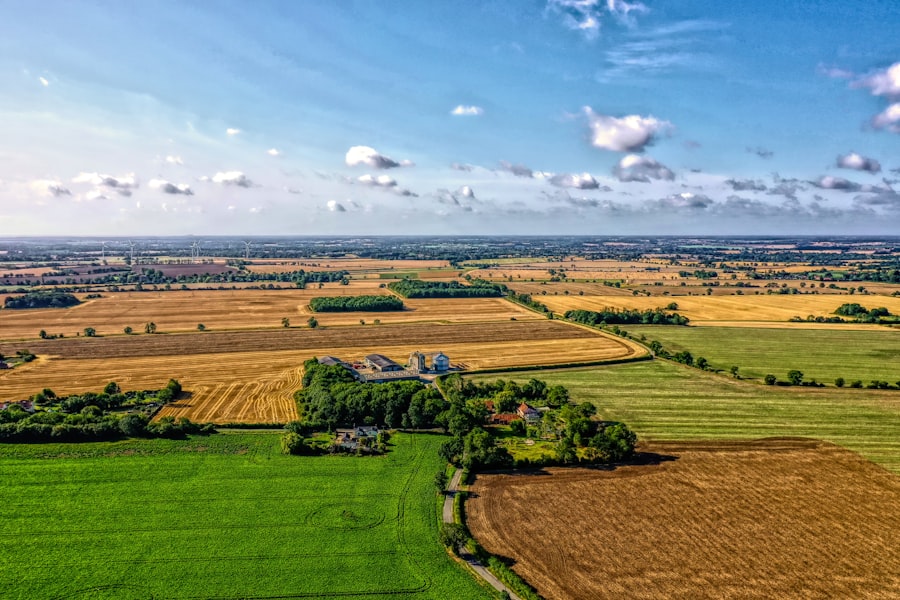
For farmland owners, a market downturn can have profound implications. If land values decline significantly, you may find yourself facing challenges in maintaining your property’s financial viability. This situation can lead to increased pressure to sell or lease your land at unfavorable terms.
The emotional toll of such decisions can be substantial, especially if you have invested years of hard work and resources into cultivating your land. Moreover, a downturn can affect your ability to secure financing for improvements or expansions. Lenders may become more cautious in their lending practices during uncertain times, making it difficult for you to access the capital needed to enhance your operations.
Understanding these potential impacts allows you to prepare and strategize effectively, ensuring that you are not caught off guard by sudden market shifts.
Effects on Agricultural Industry
The agricultural industry as a whole is intricately linked to the health of the farmland real estate market. A crash can lead to reduced investment in farming operations, resulting in lower production levels and diminished food supply. This scenario can create a ripple effect throughout the economy, affecting everything from food prices to employment rates in rural areas.
As someone involved in this sector, it’s crucial to recognize how interconnected these elements are. Additionally, a downturn may prompt farmers to adopt more conservative practices, such as cutting back on crop diversity or reducing input costs. While these measures may help them weather the storm, they can also lead to long-term consequences for soil health and sustainability.
Understanding these broader implications can help you appreciate the importance of maintaining a stable farmland market for the benefit of all stakeholders involved.
Potential Opportunities for Buyers
| Year | Average Farmland Price per Acre | Percentage Change from Previous Year | Number of Farmland Sales | Foreclosure Rate (%) | Market Sentiment |
|---|---|---|---|---|---|
| 2018 | 3200 | -5% | 1500 | 1.2 | Declining |
| 2019 | 2900 | -9.4% | 1400 | 1.8 | Weak |
| 2020 | 2600 | -10.3% | 1300 | 2.5 | Bearish |
| 2021 | 2300 | -11.5% | 1200 | 3.1 | Crash |
| 2022 | 2100 | -8.7% | 1100 | 3.8 | Depressed |
While a market crash may seem daunting, it can also present unique opportunities for savvy buyers. When prices drop, it creates an environment where you can acquire farmland at more favorable rates. This situation allows you to invest in properties that may have been previously out of reach or to expand your existing portfolio without breaking the bank.
Moreover, purchasing distressed properties during a downturn can lead to significant long-term gains as the market eventually rebounds. If you have the resources and vision to improve these properties, you could see substantial returns on your investment when conditions stabilize. By keeping an eye on market trends and being prepared to act quickly, you can position yourself advantageously in the farmland real estate landscape.
Government Intervention and Support
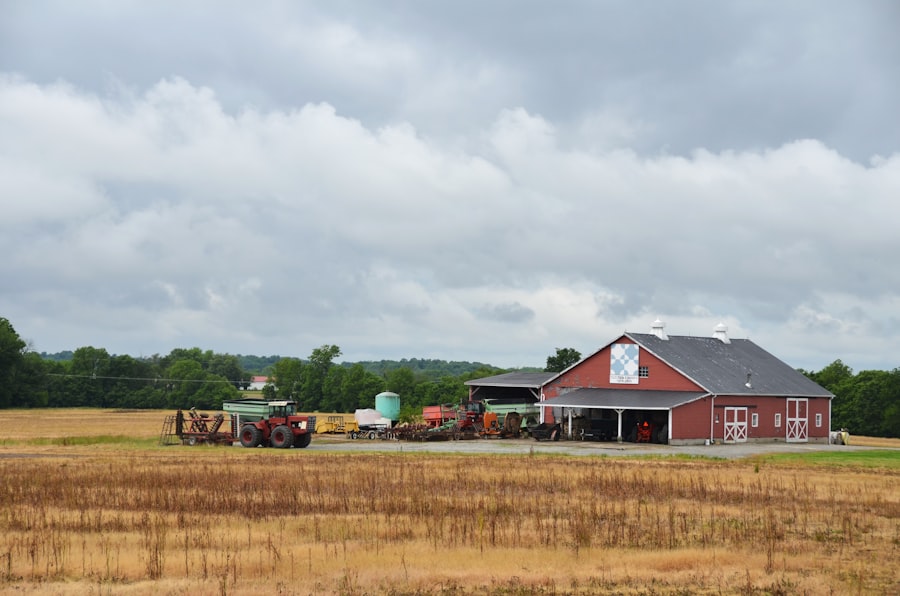
Government policies play a crucial role in shaping the farmland real estate market. During times of economic uncertainty, various forms of intervention may be implemented to stabilize the agricultural sector. These measures can include subsidies for farmers, low-interest loans for land purchases, or even direct financial assistance during crises.
As an investor or owner, understanding these programs can provide you with valuable insights into potential support systems available to you. Additionally, government initiatives aimed at promoting sustainable farming practices can influence land values positively over time. By aligning your investments with these initiatives, you not only contribute to environmental stewardship but also position yourself favorably within the market.
Staying informed about government policies and programs can help you navigate challenges while maximizing opportunities.
Strategies for Farmland Investors
As a farmland investor, developing effective strategies is essential for navigating both stable and turbulent market conditions. One approach is diversification; by investing in different types of agricultural properties or crops, you can mitigate risks associated with market fluctuations. This strategy allows you to spread your investments across various sectors, reducing your exposure to any single downturn.
Another key strategy is conducting thorough due diligence before making any purchases. Understanding local market conditions, soil quality, and water availability are critical factors that can influence your investment’s success. By taking the time to research and analyze potential properties carefully, you can make informed decisions that align with your long-term goals.
Long-Term Outlook for the Market
The long-term outlook for the farmland real estate market remains optimistic despite periodic fluctuations. As global populations continue to grow and urbanization expands, the demand for food will likely increase correspondingly. This trend suggests that farmland will remain a valuable asset over time.
However, it’s essential to remain adaptable and responsive to changing conditions within the industry. Technological advancements in agriculture also present exciting opportunities for growth and efficiency. Innovations such as precision farming and sustainable practices are reshaping how food is produced and distributed.
By staying abreast of these developments and considering their implications for your investments, you can position yourself favorably within an evolving market landscape.
Risks and Challenges for Farmland Real Estate
While farmland real estate offers numerous opportunities, it is not without its risks and challenges. Environmental factors such as droughts, floods, or pest infestations can significantly impact crop yields and land values. As an investor or owner, it’s crucial to consider these risks when evaluating potential properties and developing contingency plans.
Additionally, regulatory changes can pose challenges as well. New environmental regulations or zoning laws may affect how land can be used or developed. Staying informed about local policies and engaging with community stakeholders can help you navigate these complexities effectively.
Expert Insights and Predictions
To gain a deeper understanding of the farmland real estate market’s future trajectory, seeking insights from industry experts is invaluable. Analysts often provide forecasts based on current trends and historical data, helping you anticipate potential shifts in the market landscape. Engaging with agricultural economists or attending industry conferences can offer valuable perspectives that inform your investment strategies.
Moreover, networking with other investors and farmers can provide firsthand insights into local conditions and emerging opportunities. By fostering relationships within the agricultural community, you can gain access to information that may not be readily available through traditional channels.
Steps to Protect Your Farmland Investments
Protecting your farmland investments requires proactive measures and strategic planning. One essential step is maintaining adequate insurance coverage tailored to your specific needs as a landowner or investor. This coverage should address potential risks such as natural disasters or liability issues that could impact your property.
Additionally, diversifying your investment portfolio beyond just farmland can provide an added layer of security against market fluctuations. By exploring complementary investments in related sectors or industries, you can create a more resilient financial foundation that withstands economic uncertainties. In conclusion, navigating the farmland real estate market requires a comprehensive understanding of its dynamics and potential challenges.
By staying informed about market trends, government policies, and expert insights while developing effective strategies for investment protection, you position yourself favorably within this vital sector of the economy. Whether you’re an owner or an investor, being proactive and adaptable will serve you well as you engage with this ever-evolving landscape.
The farmland real estate market has been experiencing significant fluctuations, raising concerns among investors and farmers alike. For a deeper understanding of the factors influencing this market, you can read a related article that discusses the broader implications of real estate trends on agricultural investments. Check it out here: