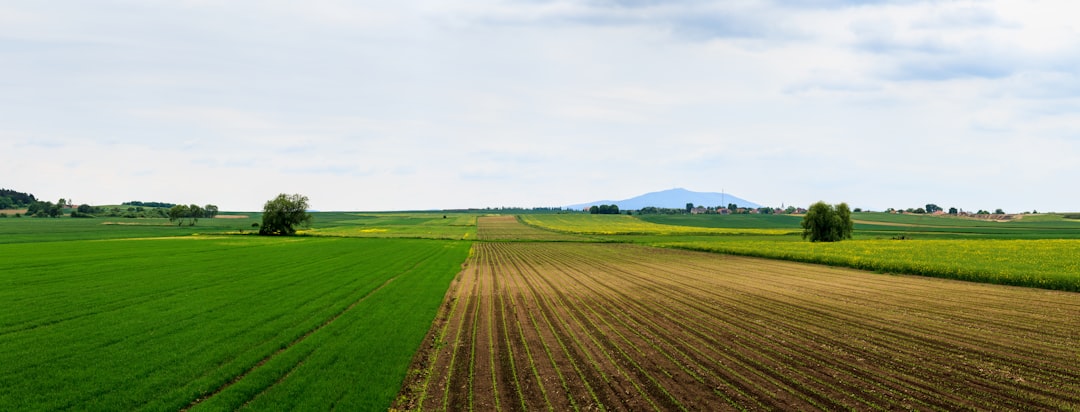
Farmland represents a distinctive investment opportunity that differs significantly from conventional assets like stocks and bonds. As a tangible asset, farmland possesses inherent value and generates income through agricultural production. The investment case for farmland is strengthened by several factors: growing global population increases demand for agricultural products, land values typically appreciate over time, and farmland serves as an inflation hedge.
The farmland investment sector has expanded considerably as investors seek portfolio diversification. Economic uncertainty and volatility in housing markets have prompted increased interest in agricultural land as a stable alternative investment. Farmland has demonstrated historical resilience during economic recessions, contributing to its appeal among institutional and individual investors.
Understanding the farmland market requires examination of several key elements: how agricultural land performs relative to other real estate sectors, the variables affecting land prices, and the associated investment risks. These factors collectively influence investment returns and long-term portfolio performance.
Key Takeaways
- Farmland prices are influenced by unique factors compared to housing markets, including agricultural productivity and government policies.
- Investment in farmland carries risks such as climate change impacts and market volatility.
- Institutional investors are increasingly active in the farmland market, shaping price trends and investment strategies.
- Historical data shows farmland prices have experienced cycles, but climate change introduces new uncertainties.
- Farmland presents potential opportunities but requires careful analysis to avoid bubble-like conditions similar to the housing market.
Comparison of Farmland and Housing Markets
When you compare farmland to the housing market, several key differences emerge that can influence your investment decisions. For one, farmland tends to be less volatile than residential real estate. While housing prices can fluctuate dramatically based on economic conditions, interest rates, and consumer sentiment, farmland prices have historically shown more stability.
This stability can be particularly appealing if you are looking for a long-term investment that is less susceptible to market whims. Moreover, the demand for farmland is driven by fundamental factors such as food production and agricultural output, rather than speculative trends that often characterize the housing market. As you consider your investment strategy, it’s important to recognize that while housing markets can experience bubbles driven by over-speculation, farmland investments are generally grounded in the essential need for food and resources.
This fundamental demand can provide a level of security that is often absent in more volatile real estate sectors. Investing in farmland investment can provide sustainable returns and long-term growth opportunities.
Factors Driving Farmland Prices

Several factors contribute to the pricing of farmland, and understanding these elements is crucial for making informed investment decisions. One of the primary drivers is the demand for agricultural products. As global populations increase and dietary preferences shift towards more protein-rich foods, the need for productive farmland intensifies.
You may find that regions with high agricultural output or those that are strategically located near urban centers tend to command higher prices due to their accessibility and productivity. Additionally, interest rates play a significant role in farmland pricing. When interest rates are low, borrowing costs decrease, making it easier for investors to finance land purchases.
This influx of capital can drive up prices as more buyers enter the market. Conversely, rising interest rates can dampen demand and lead to price corrections. As you navigate the farmland market, keeping an eye on economic indicators and interest rate trends will be essential in assessing potential investment opportunities.
Potential Risks in Farmland Investment
While investing in farmland can be lucrative, it is not without its risks. One significant concern is the potential for environmental challenges. Factors such as droughts, floods, and soil degradation can severely impact agricultural productivity and, consequently, land values.
As you consider investing in farmland, it’s vital to assess the environmental conditions of the land you are interested in and understand how climate variability could affect its long-term viability. Another risk to consider is market access and commodity price fluctuations. The profitability of farmland is closely tied to the prices of crops and livestock produced on it.
If commodity prices fall due to oversupply or changes in consumer demand, your investment could suffer. Additionally, changes in trade policies or tariffs can impact market access for agricultural products, further complicating the landscape for farmland investors. Being aware of these risks will help you make more informed decisions as you explore opportunities in this sector.
Impact of Government Policies on Farmland Prices
| Metric | Value/Trend | Notes |
|---|---|---|
| Farmland Price Growth (Annual %) | 6-8% | Consistent growth over the past decade, outpacing inflation |
| Housing Price Growth (Annual %) | 4-7% | Varies by region, recent slowdown in some markets |
| Farmland to Housing Conversion Rate | Increasing | More farmland being rezoned for residential development |
| Interest Rates Impact | Rising rates | Higher borrowing costs affecting both farmland and housing demand |
| Investor Interest in Farmland | High | Seen as a hedge against inflation and supply chain risks |
| Supply Constraints | Moderate | Limited new farmland available, but some new housing developments ongoing |
| Farmland Rental Yields | 3-5% | Provides steady income, supporting land value |
| Speculative Activity | Emerging | Some signs of speculative buying in prime farmland areas |
Government policies play a crucial role in shaping the farmland market. Subsidies, tax incentives, and regulations can significantly influence land values and investment returns. For instance, agricultural subsidies can provide farmers with financial support that enhances their profitability, thereby increasing demand for farmland.
As you evaluate potential investments, it’s important to stay informed about current policies and any proposed changes that could affect the agricultural sector. Moreover, zoning laws and land-use regulations can impact how land can be utilized, which in turn affects its value. If you are considering investing in farmland near urban areas, understanding local zoning regulations will be essential in determining how the land can be developed or used for agricultural purposes.
Historical Trends in Farmland Prices
Examining historical trends in farmland prices can provide valuable insights into future performance. Over the past few decades, farmland has generally appreciated in value, often outpacing inflation rates. This trend has been driven by several factors, including increasing global food demand and limited availability of arable land.
As you analyze these trends, you may notice that certain regions have experienced more significant price increases than others due to local economic conditions and agricultural productivity. Additionally, historical data reveals that farmland prices tend to be cyclical, influenced by broader economic conditions and commodity price fluctuations. Understanding these cycles can help you identify optimal entry points for investment.
For instance, periods of economic downturn may present opportunities to acquire land at lower prices before a recovery leads to appreciation. By studying historical trends, you can develop a more nuanced understanding of when to invest and how to manage your portfolio effectively.
Potential Impact of Climate Change on Farmland
Climate change poses both challenges and opportunities for farmland investors. As weather patterns become increasingly unpredictable, you may find that certain regions experience more frequent droughts or flooding events that could impact agricultural productivity. This variability can lead to fluctuations in crop yields and ultimately affect land values.
It’s essential to consider how climate change might impact specific areas where you are looking to invest. On the flip side, climate change also presents opportunities for innovation in agriculture. Advances in technology and sustainable farming practices may enable farmers to adapt to changing conditions and maintain productivity despite environmental challenges.
As an investor, you might want to explore regions or farming practices that prioritize sustainability and resilience against climate change impacts. By aligning your investments with environmentally conscious practices, you not only contribute positively to the planet but also position yourself for potential long-term gains.
Farmland Investment Strategies
Developing a solid investment strategy is crucial when entering the farmland market. One approach is direct ownership of agricultural land, where you purchase property outright and either lease it to farmers or manage it yourself. This strategy allows you to benefit from both rental income and potential appreciation in land value over time.
However, it also requires a significant capital outlay and ongoing management responsibilities. Alternatively, you might consider investing through real estate investment trusts (REITs) or agricultural funds that specialize in farmland investments. These vehicles allow you to gain exposure to the farmland market without the complexities of direct ownership.
By pooling resources with other investors, you can diversify your portfolio while benefiting from professional management expertise. Whichever strategy you choose, it’s essential to conduct thorough research and align your approach with your financial goals and risk tolerance.
Role of Institutional Investors in Farmland Market
Institutional investors have increasingly recognized the potential of farmland as an asset class worth exploring. Pension funds, endowments, and private equity firms are allocating capital towards agricultural investments due to their long-term growth potential and ability to provide stable returns. As you observe this trend, consider how institutional involvement may influence market dynamics and pricing.
The entry of institutional investors often leads to increased competition for high-quality farmland assets, which can drive up prices but also enhance overall market liquidity. Their participation may also bring greater transparency and professionalism to the sector as they implement rigorous due diligence processes and best practices in land management. Understanding the role of institutional investors can help you gauge market sentiment and identify potential opportunities or challenges as you navigate your own investments.
Potential Opportunities in Farmland Investment
As you explore opportunities within the farmland market, several niches may present themselves as particularly promising. For instance, investing in organic or sustainable farming operations has gained traction as consumer preferences shift towards healthier food options. By targeting these segments of the market, you may find opportunities for higher returns as demand continues to grow.
Additionally, consider regions experiencing population growth or urban expansion where farmland may become increasingly valuable due to development pressures. Investing in transitional areas where agriculture meets urbanization can yield significant returns as land values rise with increased demand for housing or commercial development. By identifying these emerging trends and aligning your investments accordingly, you can position yourself for success in the evolving landscape of farmland investment.
Is Farmland the Next Housing Bubble?
As you reflect on the current state of the farmland market, it’s essential to weigh both its potential rewards and inherent risks carefully. While some analysts draw parallels between rising farmland prices and past housing bubbles driven by speculation and over-leverage, others argue that the fundamental demand for food production provides a more stable foundation for growth in this sector. Ultimately, whether farmland represents a bubble or a sound investment opportunity depends on various factors including economic conditions, government policies, environmental challenges, and technological advancements in agriculture.
By staying informed about these dynamics and developing a thoughtful investment strategy tailored to your goals and risk tolerance, you can navigate this complex landscape with confidence. Farmland may not only serve as a hedge against inflation but also as a meaningful contribution towards sustainable food production—making it an intriguing option for your investment portfolio.
The discussion around whether farmland is the next housing bubble has gained traction in recent months, particularly as investors seek alternative assets amidst fluctuating real estate markets. A related article that delves into the dynamics of agricultural investments and their potential risks can be found at com/sample-page/’>this link.
This piece provides valuable insights into the factors influencing farmland prices and how they compare to traditional housing markets.
WATCH THIS! The Gold Rush is Over. Now, the Dirt Rush is ON. 🚜💰
FAQs
What is meant by a “housing bubble”?
A housing bubble occurs when housing prices rise rapidly to levels that are unsustainable relative to incomes, rents, and other economic factors, often driven by speculation. Eventually, the bubble bursts, leading to a sharp decline in prices.
Why is farmland being compared to a housing bubble?
Farmland is being compared to a housing bubble because its prices have increased significantly in recent years, raising concerns that the market may be overvalued and could face a correction similar to what happens in housing bubbles.
What factors have contributed to rising farmland prices?
Several factors have contributed, including increased demand for agricultural products, low interest rates, limited supply of available farmland, investment interest from institutional investors, and government policies supporting agriculture.
Is farmland investment considered risky like housing?
While farmland can be a stable long-term investment due to its productive use, it is subject to risks such as commodity price fluctuations, weather events, changes in agricultural policy, and potential market corrections.
How does farmland value differ from residential property value?
Farmland value is primarily driven by its agricultural productivity and income potential, whereas residential property value is influenced by location, demand for housing, and amenities. Farmland is also less liquid and less influenced by speculative demand compared to housing.
Can a decline in farmland prices impact the broader economy?
Yes, a significant decline in farmland prices could affect farmers’ wealth, credit availability, and rural economies, potentially impacting agricultural production and related industries.
What indicators should be monitored to assess if farmland is in a bubble?
Key indicators include the ratio of farmland prices to agricultural income, levels of speculative investment, credit conditions, supply and demand dynamics, and broader economic factors affecting agriculture.
Are there regional differences in farmland price trends?
Yes, farmland prices can vary widely by region due to differences in soil quality, climate, crop types, local demand, and economic conditions.
How can investors protect themselves from a potential farmland bubble burst?
Investors should conduct thorough due diligence, diversify their portfolios, consider long-term agricultural trends, and be cautious of overpaying based on speculative expectations.
Is farmland a good alternative investment compared to housing?
Farmland can be a good alternative investment due to its potential for steady income and diversification benefits, but it requires specialized knowledge and carries different risks compared to housing investments.