
The pension funded ratio is a key financial metric that measures a pension plan’s ability to meet its obligations. It is calculated by dividing the plan’s total assets by its total liabilities. A funded ratio of 100% indicates that the plan has sufficient assets to cover all promised benefits to retirees.
A ratio below 100% represents a funding shortfall and suggests potential difficulties in meeting future benefit payments. Both pension plan sponsors and participants should monitor this ratio. For sponsors, a low funded ratio may indicate financial stress and necessitate corrective measures to improve the fund’s financial position.
For participants, the funded ratio provides information about the security of their retirement benefits. A well-funded plan generally offers greater assurance of benefit payments, while an underfunded plan may create uncertainty regarding retirement income.
Key Takeaways
- Pension funded ratio measures the financial health of a pension plan by comparing assets to liabilities.
- Economic conditions and regulatory changes significantly influence pension funded ratios over time.
- Monitoring pension funded ratios is crucial for assessing the sustainability and risk of pension plans.
- Different industries and pension plans exhibit varying funded ratios due to unique factors and funding strategies.
- Improving pension funded ratios involves strategic asset management, contribution adjustments, and risk mitigation.
Factors Impacting Pension Funded Ratio
Several factors can significantly influence a pension fund’s funded ratio, and understanding these elements is crucial for anyone involved in retirement planning. One of the primary factors is investment performance. The returns generated by the assets held in the pension fund directly affect its overall value.
If investments perform well, the assets grow, improving the funded ratio. Conversely, poor investment performance can lead to a decline in assets, exacerbating any existing shortfalls. Another critical factor is demographic changes within the workforce.
As populations age and life expectancies increase, pension plans may face greater liabilities due to longer payout periods. This demographic shift can strain pension funds, especially if there are fewer active workers contributing to the plan compared to retirees drawing benefits. Additionally, changes in employment patterns, such as increased job mobility or shifts toward gig economies, can impact contributions and ultimately affect the funded ratio. Investing in a muni bond can provide tax-free income for many investors.
Historical Trends in Pension Funded Ratio
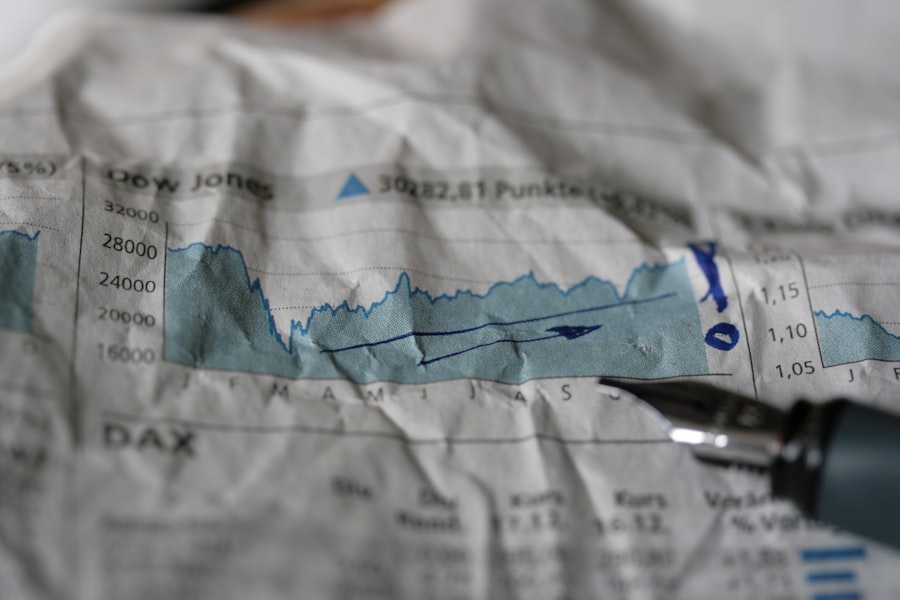
Examining historical trends in pension funded ratios reveals much about the evolving landscape of retirement funding.
For instance, during periods of economic growth and strong stock market performance, many pension funds saw their ratios improve significantly as asset values soared.
However, during economic downturns or market crashes, these ratios often plummeted, highlighting the vulnerability of pension plans to external economic forces. In recent years, there has been a noticeable shift from defined benefit plans to defined contribution plans among employers. This transition has implications for funded ratios as well.
Defined benefit plans typically have more predictable liabilities, while defined contribution plans place investment risk on employees. As a result, the overall funded ratios for traditional pension plans have become a focal point for regulators and stakeholders alike, prompting discussions about sustainability and long-term viability.
Importance of Monitoring Pension Funded Ratio
Monitoring the pension funded ratio is not merely an exercise in financial oversight; it is a crucial practice that can have far-reaching implications for both employers and employees. For employers, keeping a close eye on this ratio allows them to make informed decisions regarding funding strategies and investment allocations. A declining funded ratio may necessitate increased contributions or adjustments to investment strategies to ensure that future obligations can be met.
A healthy funded ratio can instill confidence in the stability of their future income streams, while a declining ratio may raise red flags about potential benefit reductions or increased risks associated with their retirement plans. By staying informed about these metrics, individuals can better prepare for their financial futures and advocate for necessary changes if their pension plans are underfunded.
Analyzing Pension Funded Ratio by Industry
| Year | Funded Ratio (%) | Annual Contribution Rate (%) | Investment Return (%) | Actuarial Liability (Millions) | Comments |
|---|---|---|---|---|---|
| 2018 | 85.2 | 12.5 | 7.8 | 4500 | Stable funding with strong returns |
| 2019 | 87.6 | 12.7 | 8.2 | 4600 | Improved funded status due to market gains |
| 2020 | 82.3 | 13.0 | -3.5 | 4700 | Market downturn impacted returns |
| 2021 | 84.7 | 13.2 | 9.1 | 4750 | Recovery in investment returns |
| 2022 | 83.5 | 13.5 | 4.0 | 4800 | Moderate returns, slight decline in ratio |
The pension funded ratio can vary significantly across different industries, reflecting unique challenges and opportunities within each sector. For instance, industries with stable revenue streams and predictable cash flows—such as utilities or government entities—often maintain healthier funded ratios compared to those in more volatile sectors like technology or retail. The nature of an industry’s workforce also plays a role; industries with a higher proportion of older employees may face greater liabilities due to increased retiree payouts.
Moreover, regulatory environments can differ by industry, impacting how pension funds are managed and reported. For example, public sector pensions may be subject to different funding requirements than private sector plans. Understanding these industry-specific dynamics is essential for stakeholders who wish to assess the health of pension plans accurately and make informed decisions regarding retirement planning.
Strategies for Improving Pension Funded Ratio
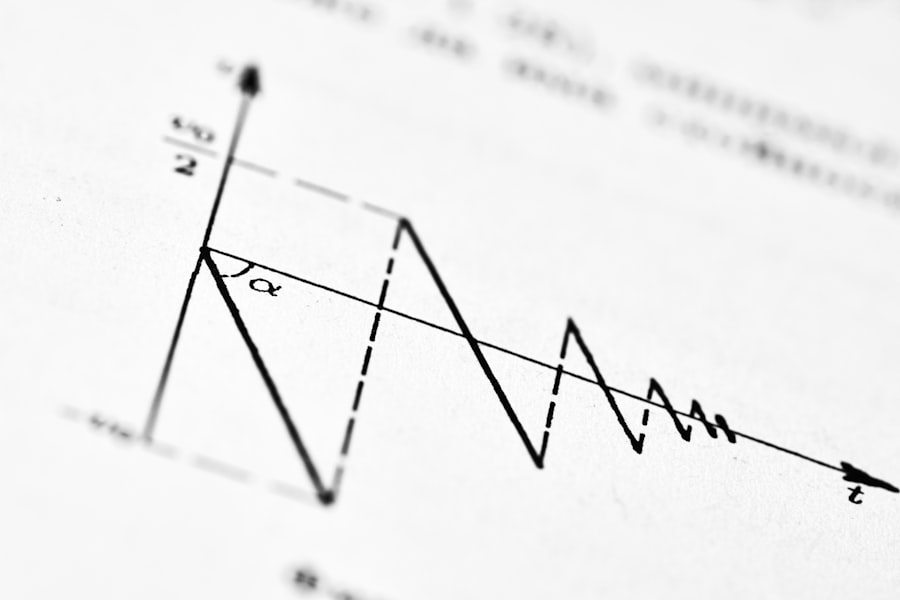
Improving a pension fund’s funded ratio requires a multifaceted approach that encompasses various strategies tailored to the specific circumstances of each plan. One effective strategy is increasing contributions from both employers and employees. By boosting contributions during times of strong financial performance or when funded ratios are low, plans can enhance their asset base and work toward achieving a healthier balance between assets and liabilities.
Another strategy involves optimizing investment strategies to maximize returns while managing risk effectively. This may include diversifying asset allocations across different classes—such as equities, bonds, and alternative investments—to mitigate potential losses during market downturns. Additionally, employing professional investment managers with expertise in pension fund management can help ensure that funds are invested wisely and aligned with long-term goals.
Risks Associated with Low Pension Funded Ratio
A low pension funded ratio poses several risks that can have significant implications for both plan sponsors and participants. For sponsors, a persistently low ratio may lead to increased scrutiny from regulators and stakeholders, potentially resulting in reputational damage or legal challenges. Furthermore, companies may face higher costs associated with funding shortfalls, which could impact their overall financial health and operational capabilities.
For participants, a low funded ratio raises concerns about the security of their retirement benefits. In extreme cases, it could lead to reduced payouts or even insolvency of the pension plan altogether. This uncertainty can create anxiety among employees nearing retirement age who rely on these benefits for their financial stability.
Therefore, addressing low funded ratios is not just a financial imperative; it is also essential for maintaining trust and confidence among all stakeholders involved.
Impact of Economic Conditions on Pension Funded Ratio
Economic conditions play a pivotal role in shaping pension funded ratios, influencing both asset performance and liability calculations. During periods of economic growth, rising stock markets typically lead to increased asset values for pension funds, improving their funded ratios. Conversely, economic downturns can result in significant losses for investments held by pension funds, leading to declines in funded ratios that may take years to recover from.
Interest rates also have a profound impact on pension liabilities. When interest rates are low, the present value of future liabilities increases, making it more challenging for pension funds to maintain healthy funded ratios. Conversely, higher interest rates can reduce the present value of liabilities but may also lead to lower returns on fixed-income investments held by pension funds.
Understanding these economic dynamics is crucial for stakeholders who wish to navigate the complexities of pension funding effectively.
Comparing Pension Funded Ratio Across Different Pension Plans
When comparing pension funded ratios across different plans—whether they are public or private sector—it becomes evident that various factors contribute to disparities in financial health. Public sector pensions often have different funding mechanisms and regulatory requirements compared to private sector plans, leading to variations in how they manage assets and liabilities. Additionally, differences in workforce demographics and employment stability can further influence these ratios.
Moreover, comparing defined benefit plans with defined contribution plans highlights fundamental differences in risk allocation between employers and employees. Defined benefit plans typically promise specific payouts based on salary and years of service, while defined contribution plans depend on individual contributions and investment performance. This distinction can lead to significant differences in how each type of plan approaches funding strategies and manages their respective funded ratios.
Regulatory Changes and Their Effect on Pension Funded Ratio
Regulatory changes can have profound effects on pension funded ratios by altering funding requirements or investment guidelines for pension plans. For instance, changes in accounting standards may require more transparent reporting of liabilities or adjustments in how assets are valued. Such changes can impact how stakeholders perceive a plan’s financial health and influence decisions regarding funding strategies.
Additionally, regulatory reforms aimed at enhancing the sustainability of pension systems may impose stricter funding requirements on plan sponsors. While these measures are often designed to protect retirees’ interests, they can also create challenges for employers who must balance funding obligations with operational needs. Staying informed about regulatory developments is essential for all stakeholders involved in pension planning to navigate these complexities effectively.
Long-term Projections for Pension Funded Ratio
Looking ahead, long-term projections for pension funded ratios will depend on various factors including demographic trends, economic conditions, and regulatory environments. As populations continue to age globally, many pension plans may face increasing pressures on their funding levels due to rising liabilities associated with longer lifespans and greater numbers of retirees drawing benefits. Moreover, advancements in investment strategies and risk management practices will play a crucial role in shaping future funded ratios.
As technology continues to evolve within the finance sector—enabling more sophisticated modeling techniques and data analysis—pension funds may become better equipped to navigate uncertainties and optimize their funding strategies over time. In conclusion, understanding the intricacies of pension funded ratios is essential for anyone involved in retirement planning or management. By recognizing the factors that influence these ratios and monitoring them closely, stakeholders can make informed decisions that enhance financial security for retirees while ensuring sustainable practices for future generations.
In recent discussions about the pension funded ratio trend analysis, it’s essential to consider various factors that influence these ratios over time. A related article that delves deeper into the intricacies of pension funding and its implications can be found at this link. This resource provides valuable insights into how market conditions and demographic changes affect pension plans, making it a useful read for anyone interested in understanding the dynamics of pension funding.
💡WATCH THIS! WARNING: Your “Safe” Muni Bonds Are Costing You TWICE—Portfolio Loss + Tax Hikes
FAQs
What is a pension funded ratio?
A pension funded ratio is a measure that compares a pension plan’s assets to its liabilities. It indicates the financial health of the pension fund by showing the percentage of promised benefits that are currently covered by the fund’s assets.
Why is analyzing pension funded ratio trends important?
Analyzing pension funded ratio trends helps stakeholders understand whether a pension plan is improving or deteriorating in its ability to meet future obligations. It provides insights into the sustainability and risk level of the pension fund over time.
How is the pension funded ratio calculated?
The pension funded ratio is calculated by dividing the total assets of the pension fund by its total liabilities (the present value of future pension obligations) and expressing the result as a percentage.
What factors can influence changes in the pension funded ratio?
Changes in the pension funded ratio can be influenced by investment returns, changes in actuarial assumptions (such as discount rates and life expectancy), contributions made by employers and employees, benefit payments, and changes in plan demographics.
What is considered a healthy pension funded ratio?
A funded ratio of 100% or higher is generally considered healthy, indicating that the pension plan has sufficient assets to cover all its liabilities. Ratios below 80% may signal funding concerns, though acceptable levels can vary depending on the plan and regulatory environment.
How often should pension funded ratio trend analysis be conducted?
Trend analysis is typically conducted annually or quarterly, depending on the pension plan’s reporting requirements and the needs of stakeholders, to monitor ongoing financial status and make informed decisions.
Who uses pension funded ratio trend analysis?
Pension fund managers, plan sponsors, regulators, actuaries, and beneficiaries use funded ratio trend analysis to assess the plan’s financial health, make funding decisions, and ensure compliance with legal requirements.
Can pension funded ratios fluctuate significantly over short periods?
Yes, pension funded ratios can fluctuate due to market volatility, changes in interest rates, or revisions in actuarial assumptions, which can impact asset values and liability estimates in the short term.
What role do discount rates play in pension funded ratio calculations?
Discount rates are used to calculate the present value of future pension liabilities. Changes in discount rates can significantly affect the size of liabilities and thus the funded ratio, with lower rates increasing liabilities and reducing the funded ratio.
How can pension plans improve their funded ratio?
Plans can improve their funded ratio by increasing contributions, achieving higher investment returns, adjusting benefit structures, or modifying actuarial assumptions within regulatory guidelines.